2027 Best States for Community Health Career Growth

Co-Founder and Chief Data Scientist
An experienced public health worker aiming to transition into community health leadership faces a critical dilemma: choosing a state where educational flexibility aligns with employer demand and career mobility. Recent data from the National Center for Education Statistics finds that over 45% of adult learners prefer hybrid or fully online programs, a shift signaling growing needs for adaptable program formats. This change highlights geographic disparities in access and local workforce absorption rates, making state choice pivotal for strategic upskilling.
This article identifies states that offer the strongest combination of community health career growth, accessible education pathways, and workforce receptivity to help readers navigate this complex decision.
Key Things You Should Know
- States like California and New York offer 12% faster employment growth in community health roles per 2024 BLS data, but their high living costs require balancing salary gains against expense pressures.
- Employers in Texas prioritize candidates with certifications aligned to Medicaid expansions, shifting demand toward practical credentialing over traditional degrees per 2024 state health workforce reports.
- Midwestern states provide lower-cost education pathways with associate-to-bachelor pipelines, yet slower job market growth risks extended underemployment, requiring strategic timing for career pivots.
What are the best states right now for long-term community health career growth?
The top states for long-term community health job growth reveal divergent strategic priorities tied to salary, job volume, and credentialing frameworks. New Hampshire, Delaware, and Connecticut offer the highest average annual salaries-$44,160, $45,507, and $46,958 respectively-reflecting stronger employer investment and integrated roles within healthcare infrastructures. This makes them appealing for those prioritizing immediate financial returns and smoother advancement via state-backed certification pathways.
However, choosing a location involves weighing these gains against broader workforce dynamics. California, leading with 6,945 community health worker positions, demonstrates how volume generates diverse opportunities across urban and rural settings, fostering growth through specialization or leadership despite typically lower wages. Workers fluent in multiple languages and adept at cultural competence hold distinct advantages there, responding to California's demographic complexity.
Practical credentialing and ongoing education access heavily influence employability and retention in these regions. States like New Hampshire and Connecticut provide clearer certification routes preferred by employers, accelerating wage progression. Conversely, California's cultural demands shift training priorities and require adaptive skills beyond standard credentials.
Prospective professionals seeking to balance these tradeoffs should also consider education programs that align with employer expectations and practical skill demands, such as those with CAHIIM accredited health information management degree online options, which support both career pivots and advancement in community health.
How do salaries for community health professionals compare across different states?
Salary differences for community health professionals across states reflect complex economic, demographic, and healthcare funding factors that directly influence long-term earning potential. High-wage states like California, Massachusetts, and New York offer averages often exceeding $70,000 annually, but these come with steep living costs and certification hurdles, such as multilingual fluency and advanced qualifications. Conversely, states like Mississippi and West Virginia pay substantially less-around $40,000 to $50,000-even as demand rises in rural areas.
The state-by-state community health professional wages landscape affects workforce mobility and competition. With healthcare employment projected to grow by 1.6 million new jobs by 2033, including 1.2 million from ambulatory services, professionals face strategic tradeoffs: relocating for higher pay may require upfront expenses and commitments to credentials that entry-level workers often lack, resulting in 15-25% lower starting pay compared to seasoned employees. Employers in well-funded urban systems expect hands-on experience paired with advanced certifications, widening salary disparities.
Prospective workers must analyze local job markets and credential requirements carefully, recognizing fewer opportunities for upward salary growth in states with limited health budgets. Choices balancing immediate job security in underserved regions against net income after educational and relocation investments remain critical. For individuals evaluating educational paths, programs specializing in healthcare administration can be a practical consideration amid these state-by-state community health professional wages realities.
Which states offer the strongest job outlook and demand for community health workers?
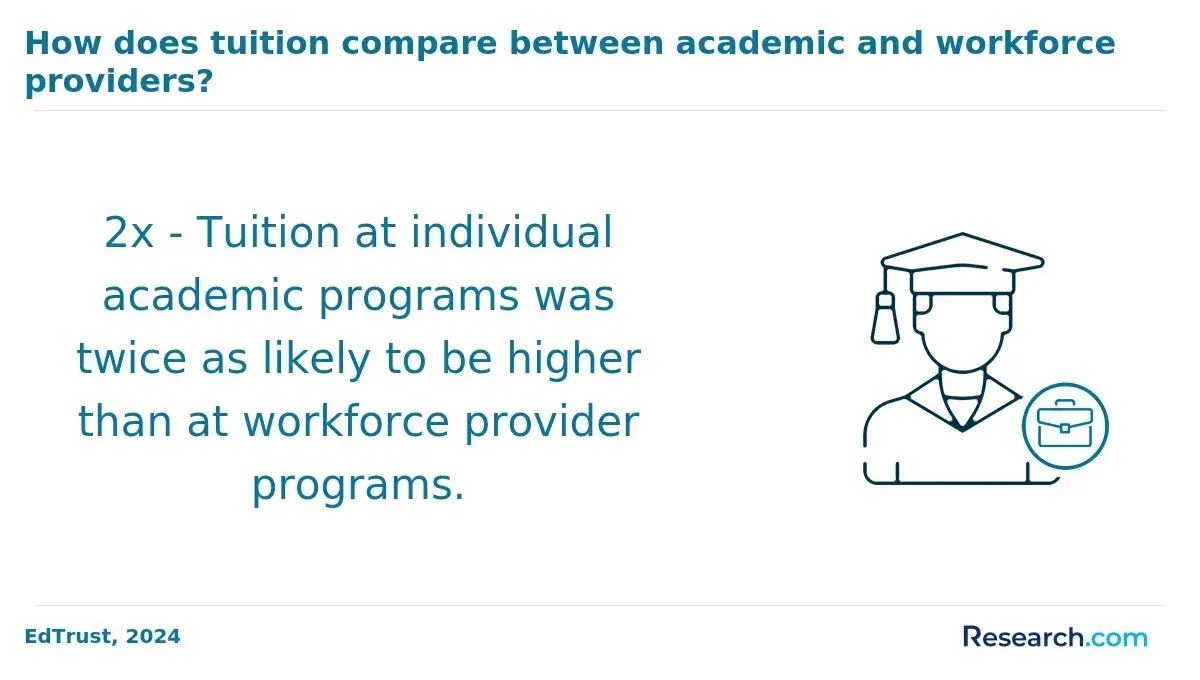
New York, California, and Texas represent the top states for community health worker job growth, yet each demands distinct qualifications shaped by regional healthcare infrastructure. New York's projected 22% employment growth through 2030 reflects sizable job additions, particularly in home health and personal care, but agencies there favor bilingual applicants and place a strong emphasis on data collection alongside outreach skills. This raises qualification thresholds and influences educational program selection.
California's healthcare systems and urban centers prioritize multi-sector collaboration experience to meet the needs of diverse populations. Texas, driven by rapid population growth in metro and rural areas, focuses on preventive care and health education, often requiring field experience with underserved rural communities, which impacts the choice and design of training programs for prospective students.
These differences entail practical tradeoffs. Licensing reciprocity is limited, so candidates often benefit from enrolling in accredited in-state programs to avoid credential transfer delays. Career pivots benefit from aligning education with regional demands-New York applicants gain from chronic disease management and home health modules, while Texas learners should prioritize rural health and preventive education.
Working professionals interested in expansion beyond foundational certifications might also explore a healthcare MBA to enhance leadership and operational skills in this evolving field.
What education and degrees do you need for community health careers by state?
Educational pathways for community health careers differ markedly by state, reflecting varied employer demands and licensure standards. For instance, California's labor market rewards advanced degrees with nurse practitioners earning upwards of $145,970 as per a 2025 healthcare workforce analysis, making master's-level qualifications a logical investment despite higher education costs. Conversely, states like Texas and North Carolina experience workforce shortages where entry-level roles accessible with certificates or associate degrees provide stable employment and on-the-job growth. This illustrates the clear tradeoff between educational investment and immediacy of workforce entry.
State-specific requirements for community health degrees influence whether job candidates must hold a Bachelor of Science in Public Health (BSPH), particularly in urban centers demanding practical internships addressing health disparities. Rural areas place greater emphasis on targeted certifications such as health education or care coordination to meet local outreach needs. Advanced positions including epidemiologists and health program managers typically require a Master of Public Health (MPH) or doctoral credentials where competitive public health infrastructures exist.
Licensure regimes vary widely; for example, Massachusetts mandates state certification for community health workers, while other states maintain voluntary systems that affect employer preferences. Practical experience gained through fieldwork or cooperative education remains a critical component valued by employers emphasizing community engagement and project management abilities.
Strategic alignment of educational choices with licensure, salary benchmarks, and workforce gaps is essential. Prospective professionals may also consider options such as the most affordable MSN programs to balance cost and credential value effectively.
How do community health licensing and certification requirements differ by state?
Licensing and certification for community health professionals in the U.S. create significant workforce mobility challenges due to inconsistent state requirements. Some states, such as New Mexico and Texas, demand state-specific certifications that include formal coursework and examinations tailored to local health priorities, while others like Oregon and Pennsylvania accept national credentials with minimal state mandates. This patchwork system forces individuals moving between states with rigid regulations, such as from Arizona to California, to navigate duplicative training, delayed employment, and extra costs.
This variability affects hiring practices, as employers in high-demand regions prioritize candidates with credentials recognized by local regulatory bodies. Furthermore, continuing education requirements range widely-from 6 to 20 hours annually-adding administrative burdens and risks of license suspension for failure to comply. Such regulatory diversity impacts job security in community health roles tied to volatile sectors like chronic disease management and public health outreach.
Prospective candidates should strategically assess state-specific certification frameworks alongside workforce demand analytics to avoid career disruptions. Aligning training pathways with these requirements enhances employability and mitigates risks from inconsistent credential recognition. This understanding is essential when planning a career shift or relocation within the community health sector.
Which states have the most community health degree programs and training options?
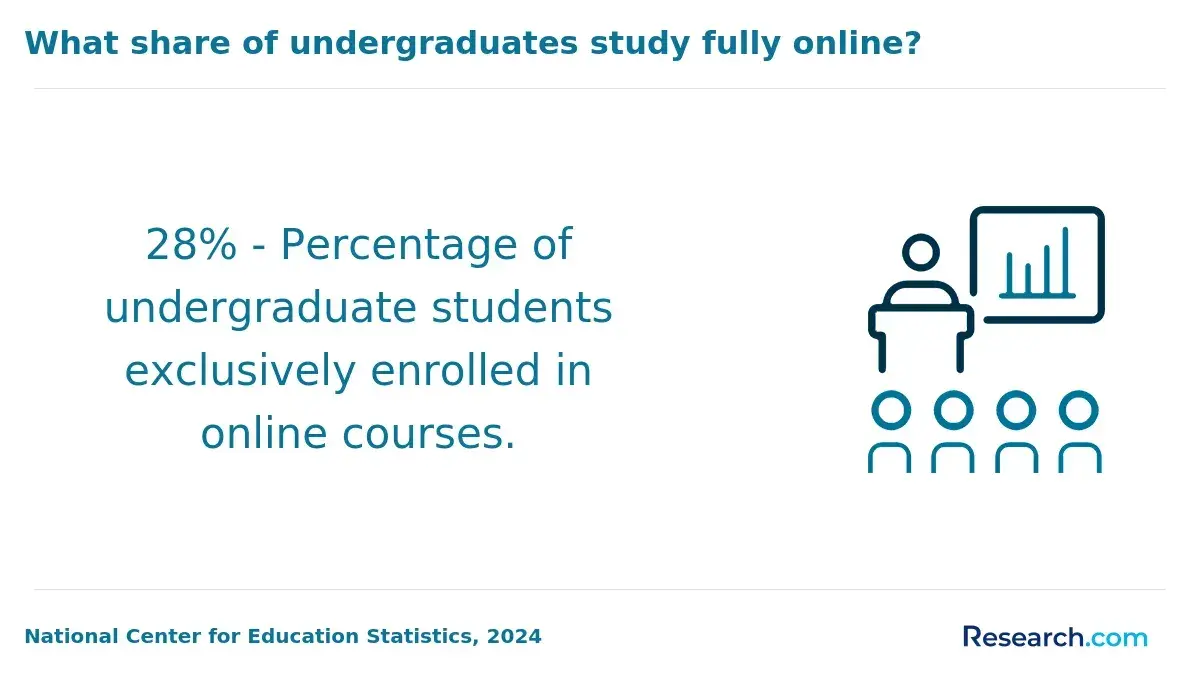
States like California, New York, and Texas dominate the landscape of community health education with over 150 accredited programs combined, driven by their large populations and complex public health systems. Their broad spectrum of degrees-from associate to doctoral levels-offers specialization opportunities and flexible scheduling that meet diverse workforce demands across urban, suburban, and rural environments.
This concentration of programs translates to tangible advantages but also practical tradeoffs. For instance, California's integration of clinical training within large metropolitan hospitals and community clinics can enhance job readiness for candidates targeting underserved populations. Conversely, candidates in states like Wyoming or Vermont face limited local options, often leading to reliance on online learning or relocation, which may add time and financial burdens before entering the workforce.
Employer preferences remain a significant factor: regional hiring often favors graduates familiar with local health challenges and regulatory landscapes. Considering forecasts projecting 67,300 new social work-related roles annually through 2033, enrolling in recognized in-state programs can facilitate smoother access to this growth market.
Nevertheless, program volume does not equate to quality. Prospective students should assess clinical placement rates and graduate employment outcomes. States with dense training clusters also tend to secure greater funding for community-based research and continuing education-resources critical for adapting to shifting health policies and community needs.
How do online and campus community health programs compare for career advancement?
Programs that prioritize on-campus practicum deliver tangible advantages in community health employment, especially where field experience is non-negotiable. For instance, graduates from urban health departments with campus-based internships often secure supervisory roles due to demonstrated real-world problem-solving and local networking-assets less accessible through fully online formats.
Online community health programs offer necessary flexibility for employed professionals and those in rural or underserved areas, but they generally lack integrated fieldwork. This limits students' access to the employer-valued, hands-on experience often required in public and community health positions. Candidates in rural health delivery roles-amplified by the 2025 federal $50 billion Rural Health Transformation Program-will benefit from prior in-person practicums that provide familiarity with local infrastructures and community engagement.
Key decision factors include:
- Employers' preference for verifiable, local internships or field placements.
- The challenge online learners face securing quality practicum opportunities independently.
- The necessity for hybrid or campus programs with embedded practicum networks to meet accreditation and career competitiveness.
Ultimately, measurable field experience outweighs modality of credential, requiring students to proactively align educational choices with targeted job roles and settings. Those aiming for policy analysis or data-driven roles may find online degrees sufficient, but ambitions in community engagement or supervisory positions generally demand campus-based exposure.
What core courses and skills do community health programs typically include?
Community health programs that balance quantitative expertise with managerial skills align most closely with employer priorities but require significant commitment to advanced data coursework. A practical choice involves mastering epidemiologic methods and statistical software, which supports roles like data scientists in public health earning median wages of $113,000 and facing 34% job growth. These skills translate directly into designing interventions that measure and respond to health trends, optimizing resource use and influencing policy decisions.
Hands-on competencies-such as conducting community needs assessments, writing grants, and delivering culturally competent communication-are essential for effective engagement, especially in rural settings where understanding local demographics and mobilizing scarce resources determine program success. Health behavior theories and social determinants frameworks equip students to create tailored outreach strategies addressing regional disparities.
Healthcare administration and ethics training prepare graduates for leadership, exemplified by medical and health services managers earning a $118,000 median wage with 23% projected growth. These leaders are expected to manage budgets, ensure regulatory compliance, and coordinate complex projects across agencies, reflecting employer emphasis on operational efficiency and legal adherence.
Students must weigh the tradeoff between curriculum breadth and technical depth. Programs that integrate robust data skills with management prepare applicants for competitive job markets but demand rigorous study. Tailoring educational focus toward epidemiology, policy, or administration supports clearer career trajectories in community health.
How much do community health programs cost in different states, and what aid is available?
Tuition for community health programs reflects significant regional cost variation that directly affects which students can realistically pursue training. Programs in states like California and New York often exceed $15,000, driven by higher living costs and institutional demand, while Midwestern states such as Ohio and Iowa maintain more accessible tuition, frequently under $7,000, due to stronger public subsidies. For instance, a working adult in Texas may manage to finance a certificate program below $5,000 but must carefully weigh this against local living expenses and job stability.
Financial aid distribution further alters the landscape, with federal Pell Grants providing baseline support, but state-specific workforce retraining grants in Oregon and Washington offering targeted relief for community health workers switching fields or enhancing skills. Employer investment also matters in regions with a robust CHW workforce-Massachusetts and Minnesota employers often partner with training entities to offset costs via tuition reimbursement or paid apprenticeships, directly impacting affordability and access.
Prospective students must critically assess not just tuition but also employer relationships, grant opportunities, and cost-of-living factors tied to specific regions. These variables intertwine to shape the feasibility of professional pivots in community health, especially for those balancing full-time employment or family obligations. Mapping workforce investment data from the National Governors Association highlights that states advancing CHW support tend to align financial aid with labor market needs, a model worth replicating for sustainable entry and retention in the field.
How can you evaluate and choose an accredited community health program in your state?
Accreditation from bodies like the Council on Education for Public Health (CEPH) or the National Commission for Health Education Credentialing (NCHEC) is a critical filter to assess community health programs, as it reflects alignment with employer expectations and industry standards. The program's curriculum should focus on competencies tied to real workforce growth areas such as outpatient and home care sectors, which have respectively experienced 42% and over 100% job growth from 2000 to 2021 per U.S. Bureau of Labor Statistics data.
Decisions should factor in regional workforce integration. For instance, candidates in Florida must weigh programs connected to outpatient clinics due to high local demand, while those in California benefit from ties to home health agencies. Programs delivering direct outcomes data on graduate employment offer valuable insights into return on investment and practical career entry prospects.
Licensing or certification requirements vary significantly by state; opting for curricula that embed preparation for these credentials streamlines workforce entry and reduces redundant expenses. Flexible learning formats also influence success, with hybrid models offering a balance of engagement and convenience superior to purely asynchronous online courses.
Prioritizing programs with measurable employability, relevant curricula for burgeoning sectors, and strategic location-based advantages maximizes the practical benefits and mitigates the complexity of pivoting careers within community health.
Other Things You Should Know About Community Health
The 2027 Best States for Community Health Career Growth are determined by evaluating factors such as job availability, competitive salaries, state funding for health programs, training opportunities, and the strength of state public health infrastructure. States with robust healthcare systems and policies promoting community health initiatives typically rank higher.
States with robust public health infrastructure typically offer more diverse roles and leadership tracks within community health, increasing options for advancement. Conversely, in states with weaker infrastructure, career progress often stagnates due to limited funding, fewer specialized positions, and slower innovation adoption. Prospective professionals should target states known for active public health investment to maximize upward mobility and skill diversification.
Early-career professionals benefit more from states with strong employer networks because these connections provide access to mentorship, training, and job placements, which accelerate skill acquisition and career momentum. Higher salaries in other states may not compensate for limited growth opportunities or professional support. New community health workers should prioritize networks and institutional quality over immediate earning potential to build a stronger career foundation.
States that frequently adjust healthcare budgets create volatile job markets in community health, risking layoffs and contract interruptions. Professionals working in states with stable or incrementally growing healthcare funding experience greater job security and predictable career trajectories. Evaluating a state's political environment and budget stability is crucial for minimizing employment risk and maintaining consistent income streams in community health careers.
References
- Training Community Health Workers for Large-Scale Community-Based Health Care Programs https://chwcentral.org/training-community-health-workers-for-large-scale-community-based-health-care-programs/
- 11 Places Where CHWs Work Now - Community Health Worker Training https://chwtraining.org/where-do-chws-work/
- Community Health Worker Curriculums - RHIhub Toolkit https://www.ruralhealthinfo.org/toolkits/community-health-workers/4/training/curriculum
- How to Choose a Program https://www.publichealth.org/resources/choosing-a-program/
- Medicaid Reimbursement for CHW Social Services [2026 guide] - Pear Suite https://www.pearsuite.com/post/medicaid-reimbursement-for-chw-social-services-guide/
- Networks and Training Programs - NACHW - National Association of Community Health Workers https://nachw.org/generalresources/networks-and-training-programs/
- Top 10 Best States for Public Health - MPH Online https://www.mphonline.org/best-states-for-public-health-jobs/
- Understanding the Difference Between Public Health and Community Health https://www.ahu.edu/blog/understanding-the-difference-between-public-health-and-community-health
- Health Care Employment | Center for Health Workforce Studies https://www.chwsny.org/the-health-workforce/health-care-employment/
- Community Health Career - Public Health https://www.publichealthonline.org/community-health-career/