2027 Best Online Bachelor's in Community Health With Prevention and Wellness Coursework

Co-Founder and Chief Data Scientist
Community health professionals face increasing pressure to integrate prevention and wellness strategies into diverse and often underserved populations, where limited resources and shifting policy landscapes complicate effective intervention. This challenge heightens as the U.S. Bureau of Labor Statistics projects a 12% growth in health education specialist roles through 2032, driven by a widespread emphasis on preventive care and chronic disease management.
Yet, many aspiring practitioners juggle full-time employment, family responsibilities, and geographical constraints, making traditional degree paths impractical. The rise of flexible online programs, which saw a 7% enrollment increase in 2024 according to the National Center for Education Statistics, signals a pivotal solution.
This article examines the best online bachelor's degrees emphasizing prevention and wellness coursework, guiding readers through options that reconcile educational rigor with real-world demands and career advancement in community health.
Key Things You Should Know
- Programs emphasizing prevention and wellness reduce long-term healthcare costs by up to 15%, yet often extend degree completion beyond four years due to required practicums, impacting total time and financial investment.
- Employers increasingly value candidates with integrated data analysis skills in community health roles, reflecting a 22% surge in demand for tech-savvy graduates per 2024 Bureau of Labor Statistics trends.
- Students face a strategic choice between regional accreditations offering immediate workforce access and nationally recognized online degrees, which can hinder licensure portability despite broader post-graduation flexibility.
What is an online bachelor's in community health with prevention and wellness coursework?
Choosing an online bachelor's in community health prevention and wellness programs demands careful consideration of how theory translates into measurable impact within diverse public health roles. The 12% projected job growth for health educators and community health workers underscores real demand, but employers prioritize candidates who combine epidemiological insight with practical skills like program evaluation, funding navigation, and stakeholder communication.
A bachelor's degree in community health with wellness and prevention courses equips students to design and manage interventions tailored to settings ranging from public health departments to corporate wellness initiatives.
For example, a graduate in a corporate role might implement targeted campaigns to mitigate employee health risks, while a community-based worker must create culturally relevant outreach strategies that address chronic disease disparities. Both scenarios require data analysis competency and fluency in community engagement.
Students should critically assess if online curricula include fieldwork components such as internships or practicums, as purely theoretical programs often hinder employability in an increasingly competitive job market. Applied experience remains essential to navigate real-world challenges like regulatory compliance and funding constraints.
Those considering related fields might also explore accelerated mental health counseling programs online for complementary skill development that broadens public health impact and career flexibility.
How do online community health bachelor's programs work compared with on-campus options?
Choosing between online community health bachelor's degree programs and their on-campus counterparts often hinges on balancing flexibility against self-management demands. While online programs provide scheduling adaptability beneficial for working adults, students must cultivate strong discipline to meet deadlines without in-person oversight, a dynamic less pronounced in traditional classroom settings.
Key differences emerge in practical training: online courses frequently incorporate virtual simulations and require students to independently coordinate community-based internships, which can pose challenges around site access, quality of supervision, and documentation. In contrast, on-campus programs generally offer structured partnerships and more direct faculty involvement, enhancing practicum reliability.
Given employer scrutiny on experiential quality—especially in sectors like local health departments or wellness program management—verified fieldwork and community ties significantly influence job prospects.
Programs emphasizing prevention and wellness address modifiable risk factors identified by the Centers for Disease Control and Prevention as driving most preventable healthcare costs, enhancing graduate relevance in public health roles. Cost considerations also diverge; online learners may pay less due to fewer ancillary fees but should budget for technology like telehealth tools essential for modern community health curricula.
Prospective students comparing online versus on-campus community health programs must critically evaluate each option's field experience frameworks and employer outcomes data. For those aiming toward further specialization, pathways such as a PhD in healthcare management offer advanced leadership opportunities but underscore the importance of foundational program quality and practical exposure early in graduate studies.
Which accreditation and program quality standards matter for online community health degrees?
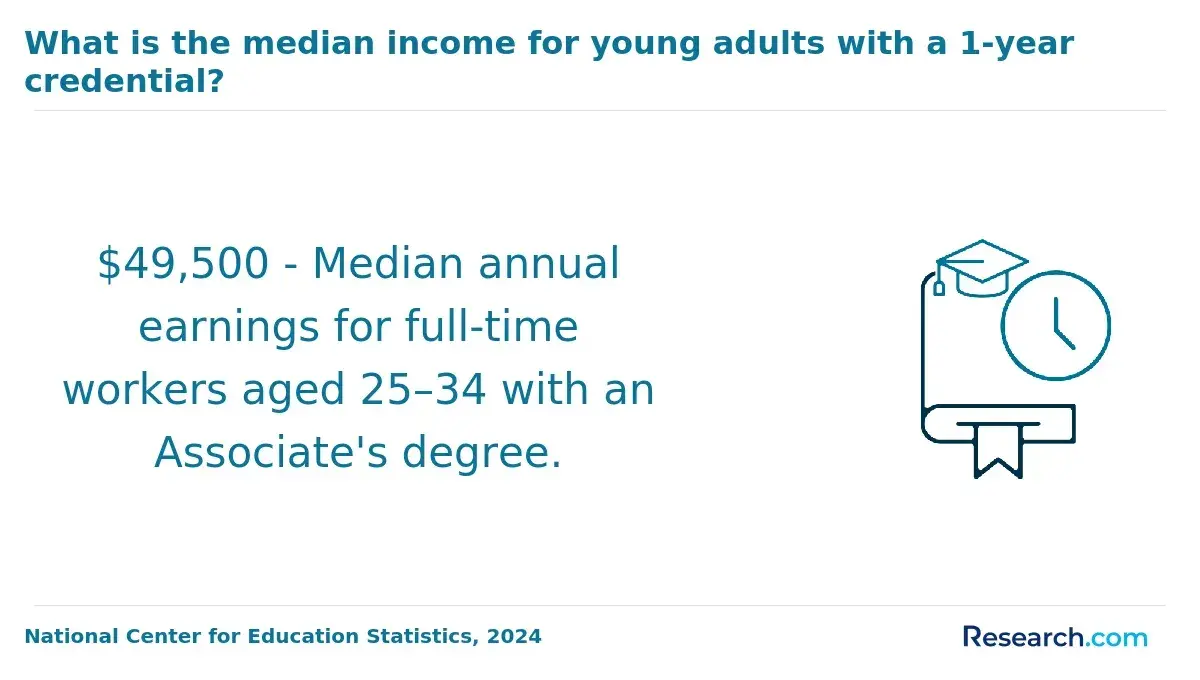
Programs accredited by recognized regional or national bodies serve as the most reliable indicator of quality assurance in online community health programs, directly impacting graduate employability and credit transferability. Employers and licensing boards expect candidates to hold degrees from institutions accredited by agencies such as the Higher Learning Commission or WASC Senior College and University Commission.
Specialized accreditation—like that from the Council on Education for Public Health (CEPH)—is essential for programs with significant public health content, as it certifies alignment with rigorous academic and professional standards specific to community health disciplines.
The workforce demand for community health workers is growing, with jobs projected to increase by 11% through 2034. Hiring managers prioritize candidates from CEPH-accredited programs since these graduates typically display stronger skills in evidence-based intervention design, which is critical in community organizations and public agencies.
Evaluating program outcomes such as graduation rates, employment placement, and licensure success is crucial; transparent providers enable prospective students to gauge the practical return on investment and workforce readiness.
Students should also confirm that programs maintain supervised clinical practicum or fieldwork components, as hands-on experience remains vital despite evolving virtual simulation technologies. Balancing accreditation, transparent outcome metrics, and integrated field experiences helps align educational choices with professional realities in this field.
For those comparing options and costs, identifying the cheapest master's in healthcare administration can offer practical financial insight relevant to program evaluation.
What prevention and wellness courses are typically included in these community health programs?
Effective prevention and wellness education in online bachelor's programs typically balances theory with skill sets directly applicable to community settings, a necessity for roles focused on health promotion. For example, Behavioral Health coursework trains students to design interventions targeting mental health risks in vulnerable populations such as adolescents or the elderly, addressing persistent service gaps.
Meanwhile, epidemiology modules equip learners with analytical tools to recognize disease trends and risk factors vital for planning preventive initiatives in environments like public schools or workplace wellness.
Typical coursework in community health prevention programs also emphasizes Nutrition and Lifestyle Management, enabling practitioners to develop wellness programs that effectively reduce chronic diseases—a growing interest among employers aiming to mitigate healthcare expenses.
Health Education and Communication courses sharpen skills for creating clear, targeted messaging campaigns essential in public health crises or vaccination drives, especially in underserved communities.
Additionally, environmental health units explore how neighborhood hazards disproportionately impact minorities, and health policy studies prepare students to understand regulations influencing funding and program sustainability.
Graduates with these prevention and wellness skills are well positioned for management roles, where median salaries hit $117,960 with a job growth projection of 23.2%, according to ASU Online's 2024 labor market data.
When evaluating educational pathways, students should weigh program emphasis on applied prevention and data literacy against their career goals. Those interested in clinical transitions might explore online direct entry MSN programs for non nurses as an alternate route.
What are the typical admission requirements for online bachelor's in community health programs?
Admission to online bachelor's programs in community health requires more than just meeting minimal academic criteria; it demands strategic consideration of long-term employability and financial investment. Most programs expect a high school diploma or equivalent, with GPA thresholds typically between 2.0 and 2.5. Standardized test requirements like the SAT or ACT are increasingly optional, reflecting shifting admissions policies.
Beyond academic records, applicants must submit personal statements that reveal motivation and communication skills essential for roles in prevention and wellness.
Practical barriers—such as compiling official transcripts, timing submissions with enrollment cycles, and managing financial aid paperwork—are common hurdles that affect enrollment timing and affordability. Some schools, exemplified by Southern New Hampshire University, charge about $354 per credit, equating to roughly $42,480 for 120 credits, which substantially exceeds the national average undergraduate tuition of $25,910 per year and can influence debt load.
Flexible admissions options, like recognizing prior professional experience or military service, provide pathways for nontraditional students but may not override employer preferences for accredited credentials and verified academic preparation.
Programs sometimes require prerequisite courses in biology or social sciences to ensure foundational competency important for workforce readiness, emphasizing that hiring sectors often prioritize graduates capable of demonstrating both academic achievements and relevant soft skills.
How long does it take to earn this degree online, and can you study part time?
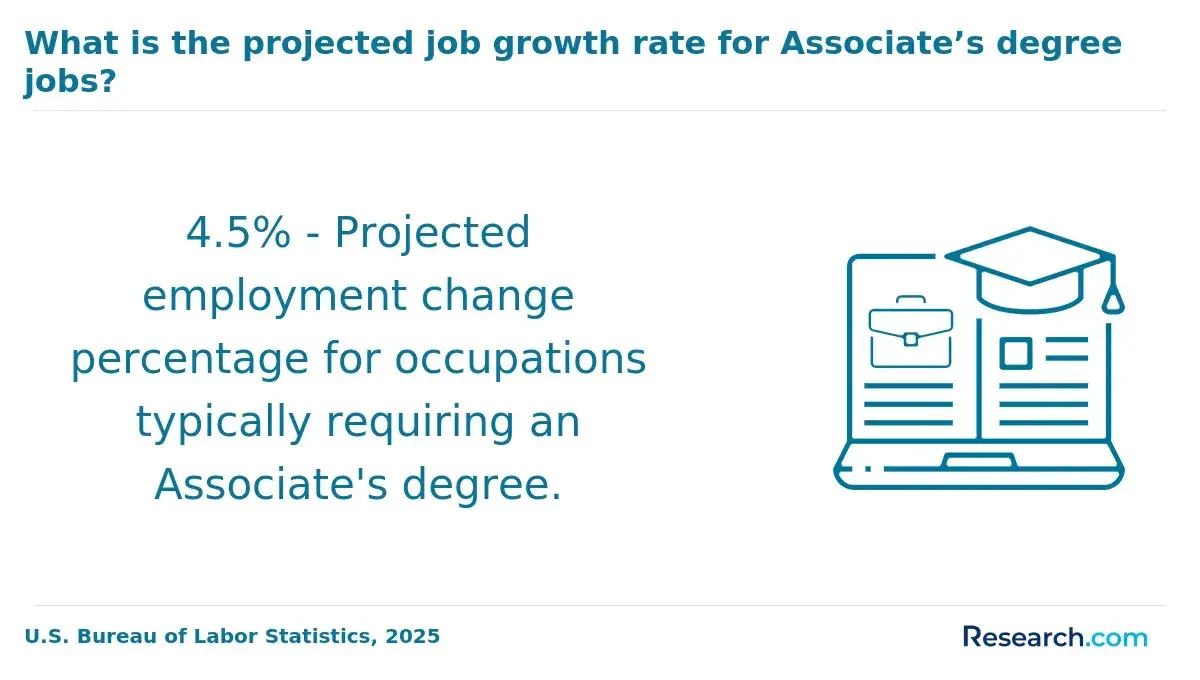
Choosing between full- and part-time online bachelor's degrees in community health can significantly affect both career trajectory and financial outcomes. Full-time programs typically complete in four years, ideal for those without substantial work obligations aiming to enter the workforce quickly. In contrast, part-time study—spanning five to six years—caters to working professionals balancing employment and family, allowing continuity of income and gradual skill application.
For example, a social services worker targeting a director position earning about $78,240 annually might opt for part-time study to maintain employment. This approach leverages steady industry growth projected at 6.4%, avoiding income disruption while integrating newly acquired competencies on the job. Employers across public, nonprofit, and private sectors increasingly prioritize candidates with both practical experience and formal expertise in prevention and wellness.
Tradeoffs with part-time study include prolonged completion times and potentially higher cumulative costs, but these are offset by reduced opportunity costs and stress. Asynchronous online formats further enhance flexibility, permitting tailored weekly schedules that complement part-time pacing.
Effective degree progression depends on strategic course sequencing and maximizing transfer credits, vital actions students should coordinate with academic advisors to prevent delays.
Ultimately, selecting an online community health program requires balancing immediate workforce demands against long-term professional goals, financial stability, and realistic scheduling constraints.
How much do online community health bachelor's programs cost, and what financial aid is available?
Choosing an online community health bachelor's program involves weighing cost against accessible funding and employer support. Many public universities offer annual tuition between $8,000 and $15,000, substantially below the $25,910 undergraduate average reported by Intelligent.com for 2020-2021.
This price advantage suits working adults balancing employment and study, especially when combined with targeted employer tuition assistance from health-focused nonprofits or healthcare organizations. Such partnerships lower immediate financial burdens and often prioritize coursework aligned with current workforce needs.
Federal aid options like Pell Grants, providing up to $7,395 annually, and the Federal Supplemental Educational Opportunity Grant, which adds up to $4,000 for those with high financial need, further reduce student costs. However, reliance on federal direct loans, capped between $5,500 and $7,500 yearly depending on academic standing, requires careful consideration due to long-term debt implications relative to entry salaries ranging from $40,000 to $55,000.
Veterans should consider GI Bill benefits as a key offset. Ultimately, programs with lower sticker prices but limited financial aid may impose hidden costs on students not eligible for subsidies. Balancing tuition, work-study opportunity costs, and employer tuition rebates tied to workforce demand often yields more sustainable financial and professional outcomes, particularly in prevention-and-wellness-focused community health roles.
What jobs can you get with an online bachelor's in community health and wellness?
Graduates of an online bachelor's in community health and wellness primarily enter roles centered on prevention and public education, including health educators, wellness coaches, and program administrators. These positions demand practical skills in designing, implementing, and evaluating health promotion initiatives.
For example, health educators earn median salaries around $63,000 and benefit from a projected growth of over 4,000 job openings by 2033, driven by ongoing investments in wellness programs across public and private sectors.
Entry-level roles emphasize competencies such as data collection and community engagement, while advancement requires expertise in grant writing, program evaluation, and interdisciplinary cooperation. Employers seek candidates who can apply evidence-based prevention strategies within complex regulatory environments, making practical experience through internships or volunteer work a key differentiator.
Career pathways vary significantly from related fields like public health or healthcare administration; community health graduates focus on behavioral health modification and preventive care, often finding roles in schools, corporate wellness, government agencies, or nonprofit organizations.
Corporate wellness roles, for instance, demand measurable outcomes to reduce absenteeism and healthcare costs, highlighting the importance of outcome-driven program design.
When evaluating programs, prospective students should consider curricula that integrate emerging topics such as digital health tools and health equity to remain relevant to evolving employer needs.
What salary ranges and job outlook can community health graduates expect in prevention roles?
Salary outcomes for community health graduates pursuing prevention and wellness roles vary widely based on experience, specialization, and employer type. Entry-level positions typically pay between $50,000 and $75,000, influenced by geographic and sector factors such as public health, nonprofits, or corporate wellness.
Professionals with three to five years of experience who develop expertise in domains like epidemiology or health communication can expect salaries ranging from $70,000 to $90,000.
Job prospects remain solid, with the U.S. Bureau of Labor Statistics projecting about 11% growth for roles such as health educators and community health workers through 2032. However, these mid-career figures often plateau without advanced qualifications. Moving into supervisory or academic roles usually requires graduate degrees, which carry a median salary near $105,620 and faster growth at 17.3%, according to Pathways to Graduate Study and Advanced Roles ASU Online data.
Consider a prevention specialist at a local health department: advancing beyond the approximate $80,000 ceiling without graduate education is difficult. Strategic pivots into research or academia demand skills in data analytics and policy evaluation, valued by government and academic employers and accompanied by higher pay. Weighing immediate workforce entry against the financial and time costs of graduate study is essential to maximize long-term mobility and earnings in this sector.
How can you choose the best online community health program for your career goals?
Choosing an online community health program requires balancing local workforce demands with the realities of accreditation, practical experience, and program outcomes. For example, employers in New York City prioritize graduates who understand urban public health challenges and prevention methods.
As Monroe College notes, job growth for health education specialists and community health workers is concentrated in this metro area, signaling that specialization in prevention and wellness tailored to urban populations enhances hireability.
Accreditation matters because many state employers require degrees from regionally accredited institutions for certification and licensure eligibility. Distance learners should verify that programs include interactive elements such as virtual practicums or partnerships with community organizations to gain hands-on experience, which remains essential in community health roles focused on underserved populations.
Graduation rates and job placement percentages offer tangible indicators of program quality. Programs reporting at least 80% job placement within six months reduce employment gaps and improve return on investment. Financial aid availability and completion time are also practical considerations, especially for working adults seeking flexible scheduling.
Lastly, elective courses or certifications aligning with specializations like chronic disease prevention or health policy can distinguish graduates in a competitive market expanding across U.S. metropolitan areas. Aligning curriculum to niche employer demands offers measurable advantages over generalist educational pathways.
Other Things You Should Know About Community Health
Most online community health programs do not require prior healthcare experience, but having it can accelerate learning and improve comprehension of prevention and wellness concepts. Without this background, students may need to dedicate extra time to foundational topics, which can increase overall workload. Applicants should assess their familiarity with health sciences to determine if preparatory courses or additional support services are necessary to succeed in accelerated or fully online formats.
Employers prioritize competencies and practical skills over the mode of education, but reputable online degrees accredited by recognized bodies are viewed equivalently to traditional degrees. Programs offering comprehensive practicum or internship experiences are more competitive in the job market because employers expect hands-on community engagement skills. Candidates should prioritize programs that incorporate applied learning and maintain strong employer partnerships to enhance employment outcomes.
Online community health programs require consistent time management due to a mix of asynchronous coursework, group projects, and fieldwork components related to prevention and wellness. Students should expect 12 to 15 hours per week for full-time enrollment, with added demands during practicum placements that require direct community interaction. Those balancing work or family commitments should consider programs with flexible pacing or part-time options to manage this workload effectively.
References
- Accreditation & Recognition - Public Health Accreditation Board https://phaboard.org/accreditation-recognition/
- Quality Standards and Accreditation of Distance Education Programs in a Pandemic - OJDLA https://ojdla.com/articles/quality-standards-and-accreditation-of-distance-education-programs-in-a-pandemic
- Promoting Wellness: The Impact of Community Health Programs on Preventive Care https://www.ajpmph.com/ajpmph-articles/promoting-wellness-the-impact-of-community-health-programs-on-preventive-care-109215.html
- Top CHW Training Programs to Get Enrolled NOW https://ilchwa.org/top-community-health-worker-training-programs-to-get-enrolled-now/
- What do you learn in a bachelor's in public health? | edX https://www.edx.org/resources/what-do-you-learn-in-a-bachelors-in-public-health
- Public Health Career Salaries: What to Expect Across Roles https://www.scuhs.edu/bshs-article/public-health-career-salaries-what-to-expect-across-roles/
- 15 Best Online Bachelor's in Public Health - Healthcare Administration Degree Programs https://www.healthcare-administration-degree.net/best/online-bachelors-in-public-health/
- Online Bachelor's Degrees in Public Health: Find the Right School https://www.edumed.org/online-schools/public-health-degrees/
- Community Health Education & Prevention Program https://backpackteam.org/our-programs/community-health-education-prevention-program/
- What does a nursing assistant do? https://apexlearning.org.uk/is-a-health-and-social-care-course-right-for-me/