2027 Online Community Health Degrees With Strong Population Health Training

Co-Founder and Chief Data Scientist
Facing a rapidly evolving public health landscape, professionals often grapple with balancing advanced training in population health against demanding work schedules and geographic constraints.
Recent data from the National Center for Education Statistics shows that over 40% of graduate enrollments in public health-related fields are now fully online, signaling a shift driven by adult learners seeking flexibility without sacrificing rigor. This reflects the growing need for programs that blend accessible, asynchronous coursework with strong population health components, enabling students to engage deeply with social determinants, epidemiology, and policy amid competing responsibilities.
This article examines online community health degrees with robust population health training to guide informed choices for career advancement.
Key Things You Should Know
- Online community health degrees integrating population health reduce workforce skill gaps amid a projected 15% sector growth through 2034, but students often face delayed certification timelines due to limited practicum availability, extending time-to-employment by up to 12 months according to recent workforce data.
- Employers prioritize candidates with proven data analytics and social determinants expertise; programs emphasizing these yield 30% higher job placement rates per 2024 National Public Health workforce surveys, forcing curriculum tradeoffs against broader foundational training.
- Program costs reveal a sharp divide: fully asynchronous degrees average 30% lower tuition but correlate with 22% lower employer satisfaction scores, reflecting employer skepticism about the rigor of less interactive pedagogies documented in recent academic employer feedback studies.
What is an online community health degree with a strong population health focus?
An online community health degree with a population health emphasis equips students to navigate complex social determinants of health while applying data-driven strategies to improve outcomes across populations. Unlike general public health programs, this specialization prioritizes practical skills in epidemiology, biostatistics, and health behavior that are crucial for roles demanding targeted interventions and resource prioritization.
For example, a graduate working in a regional health agency might leverage population health analysis to more effectively direct diabetes prevention campaigns than a generalist.
Employers value graduates who can integrate evidence-based policy implementation with community engagement, especially in environments requiring cross-sector collaboration. These programs often mandate practicum or capstone projects simulating real-world health assessments or policy design, which concretely demonstrate workforce readiness.
Online community health degree programs with population health emphasis also address practical barriers faced by working professionals balancing study and employment.
Notably, labor market data shows strong demand for health education specialists, with employment projected to grow by 7% over a decade. Graduates often fill key positions in government, nonprofits, or healthcare sectors addressing chronic disease prevention and health equity initiatives.
The best population health training in online community health degrees ensures proficiency in data analytics tools essential for identifying at-risk groups and evaluating intervention impact.
Prospective students should also consider programs linked to recognized credentials, such as the accredited online health information management degree CAHIIM, which may offer complementary expertise in health data management aiding population health practice.
How do online community health programs differ from public health and health administration degrees?
Choosing an online community health degree versus public health involves assessing how each prepares students for distinct workforce demands. Community health programs emphasize direct engagement with populations through education and culturally tailored interventions, ideal for roles like health educators or outreach coordinators who must navigate diverse, real-world settings.
By contrast, public health curricula focus on epidemiology, policy, and population-level strategies, steering graduates toward data-driven and research-intensive careers. Health administration degrees differ further, prioritizing organizational leadership, finance, and operational management within healthcare systems rather than field-level interaction.
For working professionals shifting careers, the choice entails weighing hands-on adaptability against analytical or administrative skill sets. Employers hiring for community health expect practical experience in community settings, making internships embedded in these programs vital.
The tuition transparency of Southern New Hampshire University's online community health degree—$42,480 before transfer credits—illustrates that the financial and time investment must be balanced against the scope of career roles accessible.
Key tradeoffs include:
- Community health requiring adaptability to variable work environments and direct population contact.
- Public health demanding technical expertise in policy and research methods.
- Health administration focusing on finance, law, and network management.
Students comparing online community health degree vs public health should consider these operational distinctions alongside labor market expectations. Professionals seeking executive roles might explore alternatives, including the fastest online master's in healthcare administration to pivot toward healthcare leadership efficiently.
What types of online community health degrees are available, from certificates to master's?
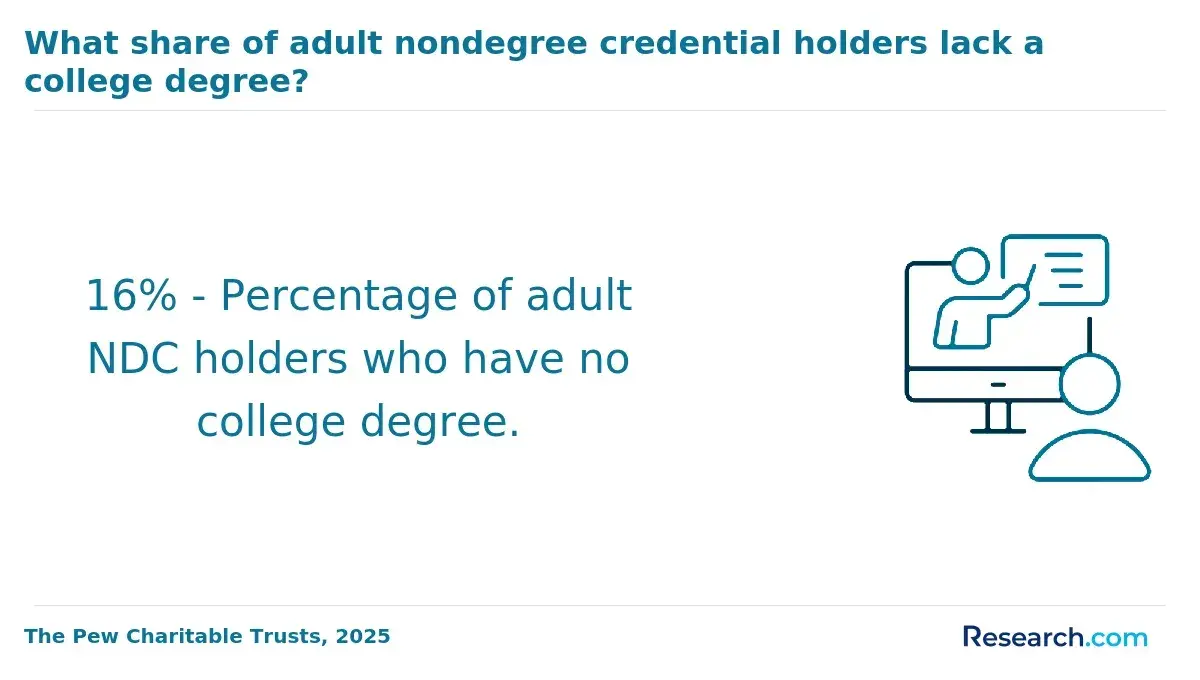
Career trajectories in community health hinge on selecting credentials aligned with realistic workforce demands and time availability. Entry-level certificates—typically completed in 6 to 12 months—prioritize foundational skills like health promotion and epidemiology, enabling swift workforce re-entry as outreach coordinators. However, these credentials often cap earning potential and progression.
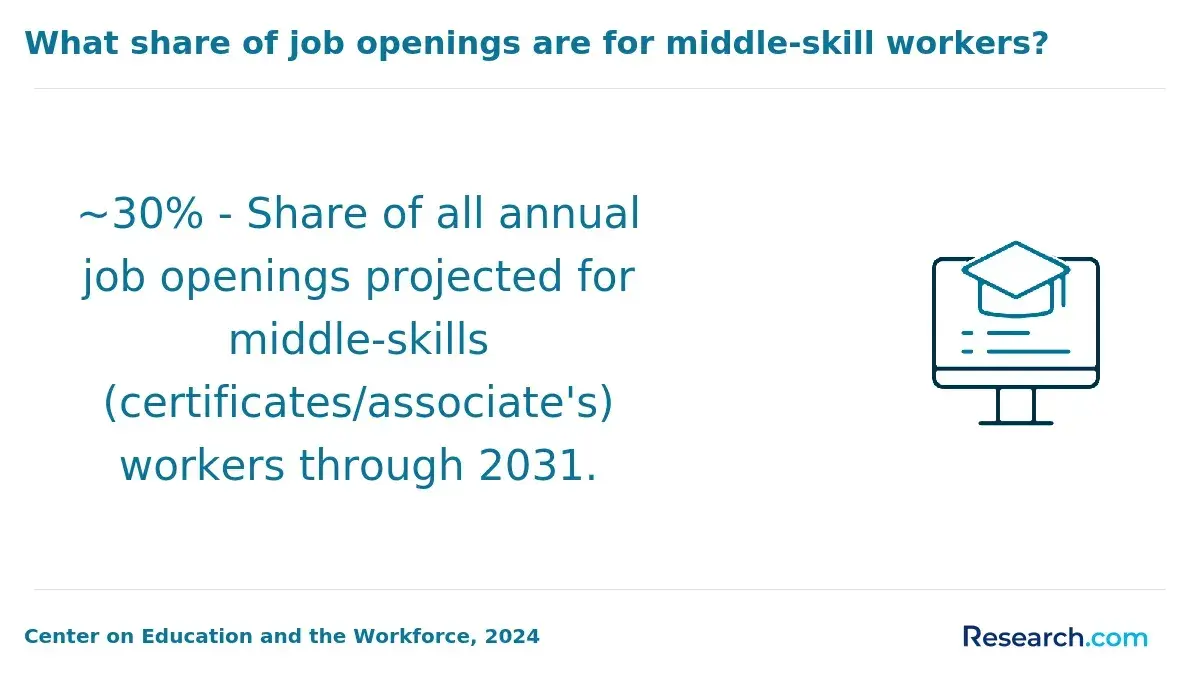
Associate degrees, though less commonly available online, blend general education with core public health concepts. They provide a stepping stone to technician or support roles but generally restrict access to supervisory or specialist positions.
Bachelor's degrees remain the baseline for most professional roles. They equip graduates with analytical tools and policy knowledge crucial for health education specialists and program managers. Full-time programs span 3 to 4 years, with many offering part-time options to accommodate working students engaged in population health training certificates and master's degrees simultaneously or sequentially.
Master's degrees emphasize advanced epidemiology, health informatics, and leadership skills, supporting midcareer advancement into management, research, or policy development. Their 1.5 to 2-year commitment online disproportionately benefits professionals targeting salary premiums and broader authority in their roles.
Applicants must consider tradeoffs between time investment and career impact. For working professionals needing accelerated credentials, exploring 12-month accelerated nursing programs online alongside community health degree programs may offer complementary pathways into healthcare sectors with overlapping skills and workforce demand.
How can you compare online and campus community health degrees for quality and outcomes?
Deciding between online and campus community health degree options requires evaluating curriculum rigor, accreditation, employability, and cost efficiency rather than focusing on delivery mode alone. Online programs from regionally accredited institutions generally meet or exceed campus standards, offering equivalent coursework and practicum alignments with Council on Education for Public Health (CEPH) criteria.
For example, Texas State University's online MPH in Community Health and Behavior charges a total tuition of $21,019, presenting a cost advantage for those balancing financial constraints and professional demands.
Employers prioritize demonstrable competencies in program planning, evaluation, and population-based intervention, regardless of whether these skills are gained online or on campus. However, securing quality practicum sites is a practical challenge more pronounced for online students without established local connections.
Campus-based programs provide in-person faculty access, peer engagement, and institutional resources beneficial for research-driven or leadership-oriented careers. Online degrees cater to working professionals by offering flexibility but require deliberate networking efforts to overcome remote interaction limitations.
National data show comparable employment rates within six months post-graduation from both formats, highlighting that trade-offs lie in learning environment and cost rather than outcomes.
When students compare online and campus community health degree program outcomes, they should weigh these operational trade-offs in the context of their career goals and access to real-world field experiences. Exploring program differences closely is as important as evaluating degree cost and quality indicators for online versus campus community health degrees.
For comparison with other healthcare pathways, resources like Capella university vs WGU RN to BSN can provide additional perspective on flexibility, cost, and career implications.
What accreditation should online community health and population health programs have?
Accreditation from regional bodies recognized by the U.S. Department of Education is a baseline requirement for online community health and population health programs seeking to maintain academic credibility and credit transferability. More specialized accreditation from the Council on Education for Public Health (CEPH) is often decisive in meeting workforce standards, particularly for public health agency hiring.
Employers prioritize graduates from CEPH-accredited programs because these candidates reliably demonstrate competencies in epidemiology, biostatistics, health policy, and community engagement essential to job readiness. For instance, a state health department recruiting pandemic response coordinators will favor applicants from CEPH-verified programs, minimizing additional training costs and accelerating deployment.
Career changers should also consider programs offering certificates, like the University of Kansas's online undergraduate certificate in Public and Population Health. Though salary data is limited, these focused credentials cater to a sector with projected workforce growth exceeding 7% through 2031, enhancing job market relevance in health communication and population health analysis roles.
Without institutional and specialized accreditation, graduates face hurdles such as ineligibility for federal financial aid, limited graduate study credit acceptance, and employer skepticism—particularly in government and nonprofit settings requiring formal validation of competency.
Key considerations for choosing a program include:
- Regional accreditation ensuring credit transfer and federal aid eligibility
- CEPH accreditation as a proxy for workforce alignment and employer demand
- Availability of certificate options that enable quicker entry or pivot within the health workforce
- Awareness of practical tradeoffs when selecting programs lacking formal recognition
What core courses and population health training should a strong community health curriculum include?
Effective community health education must prioritize quantitative skills such as biostatistics and epidemiology alongside health policy and social determinants of health, equipping graduates to manage complex data and regulatory landscapes. Mastery of these areas enables professionals to design evidence-based interventions and navigate systemic inequities, a necessity for roles within government agencies or nonprofits focused on health equity.
Programs should also integrate health informatics and emphasize collaboration across sectors to address multifaceted challenges. For instance, a public health analyst working with Native American communities must balance culturally sensitive outreach with strict data privacy standards like HIPAA, highlighting the operational tensions between trust-building and compliance.
Fundamental competencies extend to practical skills in community assessment and grant writing. Securing funding remains a critical obstacle that directly affects a program's sustainability and impact, underscoring the need for graduates to move beyond theoretical knowledge to actionable grant acquisition techniques.
Evidence of these training outcomes can be seen in employment data such as the average $111,830 salary reported by UC Berkeley's online MPH graduates. This pay level reflects employer expectations for professionals capable of multitasking across analytical, policy, and community engagement roles—skills essential to progress past entry-level positions in community health.
What are typical admission requirements and prerequisites for online community health programs?
Admission requirements for online community health programs reflect employer-driven skill demands and practical constraints faced by applicants. Associate-level entry typically demands a high school diploma or GED, while bachelor's and graduate programs require transcripts verifying prerequisite coursework in biology, statistics, and foundational health sciences—subjects directly linked to the technical competencies expected in epidemiology and data analysis roles.
Graduate admissions impose higher thresholds such as a related bachelor's degree and a GPA around 3.0, acknowledging the growing complexity in population health positions. Applicants often must submit personal statements clarifying workforce intentions and letters of recommendation demonstrating relevant experience in health education, public health internships, or community service—factors that influence actual job-readiness.
Technological proficiency is increasingly non-negotiable, as programs rely on remote delivery, while the GRE is becoming optional, replaced in some cases by portfolio assessments targeting mid-career professionals. With the University of Oklahoma projecting about 1.9 million healthcare and public health job openings through 2033, aligning entry qualifications with employer needs is critical to avoid bottlenecks in hiring pipelines.
For working adults, balancing coursework with employment necessitates strategic sequencing—completing prerequisites at local colleges or accredited online institutions can minimize program entry delays without compromising rigor.
How long do online community health degrees take, and what do they cost?
Choosing an online community health degree involves balancing time, cost, and workforce expectations that vary significantly by credential level and educational pace. Employers increasingly require at least a bachelor's degree for entry-level roles focused on population health management or outreach coordination, underscoring the limitations of associate degrees for sustained career growth.
Degree completion spans from 1.5 to 4 years: associate programs typically range from 18 to 24 months, while bachelor's degrees usually demand 3 to 4 years of sustained study. Accelerated paths often compress timelines to 12-24 months but require heavier course loads that can strain working students.
Graduate certificates and master's degrees—lasting 12 to 24 months—offer specialized training relevant to leadership or data-focused roles.
Cost disparities add complexity. Associate and bachelor's degrees cost between $6,000 and $40,000, with public institutions on the lower end, private ones on the higher. Graduate-level community health study ranges from $15,000 to $60,000, linked to program reputation and specialization depth.
Workforce data reveal that upfront investment in a bachelor's degree correlates with faster career advancement and higher lifetime earnings compared to certificates.
Short courses on platforms like Coursera can supplement training but do not replace accredited degrees, lacking robust data on employment impact. Students should prioritize credentials aligned with employer standards and practical career pathways rather than minimal certifications.
What jobs can you get with an online community health degree focused on population health?
Graduates holding an online community health degree focused on population health typically enter roles requiring complex integration of data and outreach, such as community health coordinators or epidemiology technicians. These positions demand balancing quantitative skills—like proficiency in biostatistics software (SAS, SPSS)—with stakeholder engagement and culturally competent communication.
For example, epidemiology technicians often perform detailed health data analysis, while coordinators manage grant writing and community initiatives, reflecting divergent skill set priorities within this spectrum.
Job seekers should anticipate employer expectations that extend beyond the degree itself, including certifications and relevant field experience. Practical challenges include navigating heterogeneous requirements for data literacy and communication across sectoral boundaries, from local health departments to nonprofit organizations.
Financially, the cost-to-return ratio varies significantly. Programs such as Georgia Military College's online public health bachelor's degree, with annual costs near $8,415 inclusive of materials, represent lower-cost entry points.
Graduates targeting positions like public health analysts or outreach specialists can expect starting salaries between $45,000 and $55,000, though advancement typically hinges on higher credentials or specialized certification.
Most senior roles, including health policy advisors or senior epidemiologists, remain inaccessible without master's-level education. Gaining internships or partnerships with local health agencies during study is critical to converting academic preparation into employability, enabling practical experience that complements credential stacking.
What are the salary expectations and job outlook for community and population health professionals?
Salary ranges in community health and population health vary significantly by role and sector, typically spanning from $50,000 to over $90,000 annually. Epidemiologists command higher wages, reflecting their analytical specialization, while health educators and public health analysts occupy lower tiers within the scale.
Growth in these roles is projected between 7% and 36% over the next decade, driven by demands in public health infrastructure, chronic disease management, and health equity initiatives.
Employment settings affect compensation and job nature: government and healthcare organizations offer higher base pay but often come with bureaucratic limitations; nonprofits provide valuable grassroots experience but typically lower salaries. Candidates with skills in data analysis, program evaluation, and leadership have better prospects for salary increases beyond base pay.
Professionals transitioning from unrelated fields benefit from online community health degrees focused on population health, yet they must strategically pursue credentialing and internships to mitigate initial earnings penalties caused by limited experience.
For those targeting policy or research, programs emphasizing applied epidemiology and health informatics align with better pay. Direct outreach roles may require accepting lower wages for meaningful community impact.
Certification like Certified Health Education Specialist (CHES) can boost salaries by 10% to 15%. Geographic location also influences pay, with urban and well-funded states offering more competitive compensation compared to rural areas despite higher workforce demands.
Other Things You Should Know About Community Health
Online community health degrees require significant self-discipline as the workload often mirrors traditional formats in rigor and content depth. Students working full time should prioritize programs with asynchronous options and flexible deadlines to manage job responsibilities without compromising learning outcomes. Programs that demand synchronous participation or intensive fieldwork without remote alternatives can limit the ability to balance professional and academic goals efficiently.
Practicum or fieldwork is essential for translating theoretical population health knowledge into real-world skills that employers expect. Programs that require local placement for practical experience offer stronger career benefits but introduce logistical challenges for remote students. Applicants should evaluate the availability of supervised internships near their location, as lack of accessible practicum options can diminish a program's practical value and reduce immediate employability.
For career advancement in community-focused roles, prioritizing programs with dedicated population health training is advisable, as these provide practical analytics and intervention design skills in demand by employers. Broad health programs may dilute focus and reduce opportunities for specialized roles. Students targeting leadership or technical positions in community health agencies benefit most from programs with a clear population health emphasis and evidence-based evaluation methods.
References
- What Can I Do With an Online Bachelor’s in Public Health? - MPH Online https://www.mphonline.org/jobs-online-bachelors-public-health/
- What is the Difference Between Healthcare Administration and Public Health? Will I Still Be Able to Impact a Community as a Healthcare Administrator? https://www.cambridgehealth.edu/healthcare-administration/healthcare-administration-program/what-is-the-difference-between-healthcare-administration-and-public-health-will-i-still-be-able-to-impact-a-community-as-a-healthcare-administrator/
- Bachelor's degrees in public health | edX https://www.edx.org/bachelors/bachelors-in-public-health-online
- Registration, accreditation and governance of community health centres https://www.health.vic.gov.au/community-health/registration-and-governance-of-community-health-centres
- Online Public Health Degrees: Find Your Program https://www.degreesforgood.org/online-degrees/public-health-programs/
- List of Accredited Schools and Programs - Council on Education for Public Health https://ceph.org/about/org-info/who-we-accredit/accredited/
- Bachelor of Science in Public Health - Maria College https://mariacollege.edu/academics/liberal-arts/public-health
- What Is the Difference Between Public Health and Community Health? https://online.worcester.edu/programs/nursing/msn-public-health/public-health-community-health-difference/
- Schools of Public Health https://www.apha.org/professional-development/public-health-careermart/schools-of-public-health
- Community Health and Health Promotion https://www.publichealthdegrees.org/specializations/community-health/