2027 Best Online Community Health Programs for Professionals Seeking Population Health Support Careers

Co-Founder and Chief Data Scientist
Professionals and students in community health often confront a critical barrier: balancing the need for flexible, career-aligned education with the demands of an increasingly competitive workforce. The U. S. Department of Education reported a 21% rise in online program enrollments among adult learners in 2024, signaling growing reliance on remote study to overcome scheduling and geographic limitations. Yet not all online pathways equally accommodate real-world constraints or offer rigorous workforce-readiness.
Understanding which programs provide genuine flexibility without compromising depth is vital for those seeking to pivot or advance in population health support roles under tight timeframes and evolving employer expectations. This article evaluates the best online community health programs, focusing on accessibility, career impact, and practical outcomes to guide informed decisions.
Key Things You Should Know
- Data from the U.S. Bureau of Labor Statistics highlights a 15% job growth in community health roles through 2030, but faster program completion often sacrifices depth in cultural competency critical to employer hiring preferences.
- Employers increasingly demand hands-on experience with marginalized populations; programs integrating practicums with Native American or immigrant communities correlate with 40% higher job placement per National Community Health Workforce Report 2024.
- Median program costs vary 60% nationwide, disproportionately limiting access for working professionals; delayed credentialing pushes many past peak employability windows, underscoring the need for cost-timing tradeoffs in career transitions.
What is an online community health degree and how does it prepare you for population health careers?
Online community health degree benefits for population health careers center on acquiring actionable skills in data-driven intervention design, population risk assessment, and resource coordination relevant to complex social determinants of health. These programs integrate practical case studies and virtual simulations to prepare professionals to address challenges ranging from urban health crises to rural service gaps. For instance, a clinician transitioning to community-based roles can leverage such a program to navigate outreach logistics without geographic limitations, fulfilling staffing needs in nonprofit or government sectors.
Employers prioritize candidates with competencies in epidemiology, health behavior, and program management, alongside demonstrated capability in technology-enhanced communication and partnership facilitation. However, these degree paths require careful candidate planning for internships or practicums to ensure workforce readiness. Accreditation status and curriculum breadth, especially those aligning with bodies like the Council on Education for Public Health (CEPH), deeply influence employment outcomes.
Job growth for health education specialists and community health workers is projected at 7% over the coming decade, reflecting steady demand for graduates who can interpret health data and collaborate across sectors. Students weighing how an online community health program prepares professionals for population health support should consider the balance of theoretical knowledge and applied experience essential to meet workforce expectations.
Candidates seeking robust credentials may explore accredited online environmental health and safety programs, which complement community health skills and broaden employment options in related domains such as occupational health and safety administration. Detailed program information is available at accredited online environmental health and safety programs.
Which accredited schools offer the best online community health programs for working professionals?
Choosing an accredited online community health degree program for working professionals requires a firm understanding of how each curriculum aligns with specific workforce demands. Johns Hopkins University's part-time Master of Public Health emphasizes leadership and program management targeted at roles such as medical and health services managers, positions offering a median wage of $110,680 in 2023. Its case-based approach equips students for strategic decision-making, an essential skill in many population health contexts.
The University of Washington's MPH allows flexible pacing and specializes in community-oriented public health practice, combining applied epidemiology and health data analytics. This program suits professionals seeking uninterrupted career progress amid growing employer demand projecting 28% growth in health services management by 2032. The flexibility addresses a common barrier for those balancing clinical and administrative duties.
Texas A&M University's online degree targets grant writing and community engagement for rural or underserved settings, critical for nonprofit and government public health roles requiring demonstration of program impact and securing funds.
Prospective students should weigh specialization relevance, cohort dynamics, and employer network strength, considering practical components like capstone projects and internships aligned with their work sector. Those evaluating options may also explore comparative programs such as the healthcare administration degree offerings to contextualize career pivot strategies. These accredited online community health degree programs for working professionals are best assessed by their tangible alignment with career trajectories and sector-specific skill demands rather than by brand alone.
How do online community health programs compare to on-campus options in flexibility, quality, and outcomes?
Flexible scheduling and geographic accessibility give online community health programs a distinct advantage for working professionals, especially those balancing employment and family commitments. Yet, the quality tradeoffs and practical limitations of online versus on-campus modalities remain a deciding factor. Clinical practicums-an indispensable component-often require local or hybrid participation, which can constrain remote learners depending on their location and the program's network. This tension between flexibility and hands-on training influences employer perceptions and hiring priorities.
On-campus programs tend to offer more direct faculty mentorship, synchronous interactions, and richer networking opportunities. These elements are critical in developing leadership and stakeholder engagement skills that many community health roles demand. However, accredited online community health programs maintain academic rigor comparable to traditional formats, supported by equivalent certification and employment outcomes. Evidence shows parity in essential competency attainment across delivery modes, but satisfaction with networking and real-time collaborative opportunities usually favors on-campus students in practice.
The workforce impact of these educational pathways is tangible. Registered nurses raising credentials from BSN to MSN in community or public health nursing can expect a salary increase exceeding 55%, from around $81,220 to $125,900, per NurseJournal's analysis. However, employers prioritize demonstrable clinical experience and community engagement, often facilitated more readily through on-campus networks.
Professionals with geographic constraints should evaluate programs with strong practicum placement assistance and alumni connections to ensure their education translates into career gains. Prospective candidates researching flexible degrees should also consider related fields-such as masters healthcare administration-to understand how community health education pathways compare in pricing and career outcomes.
What types of community health degrees and certificates are available online and which path fits your goals?
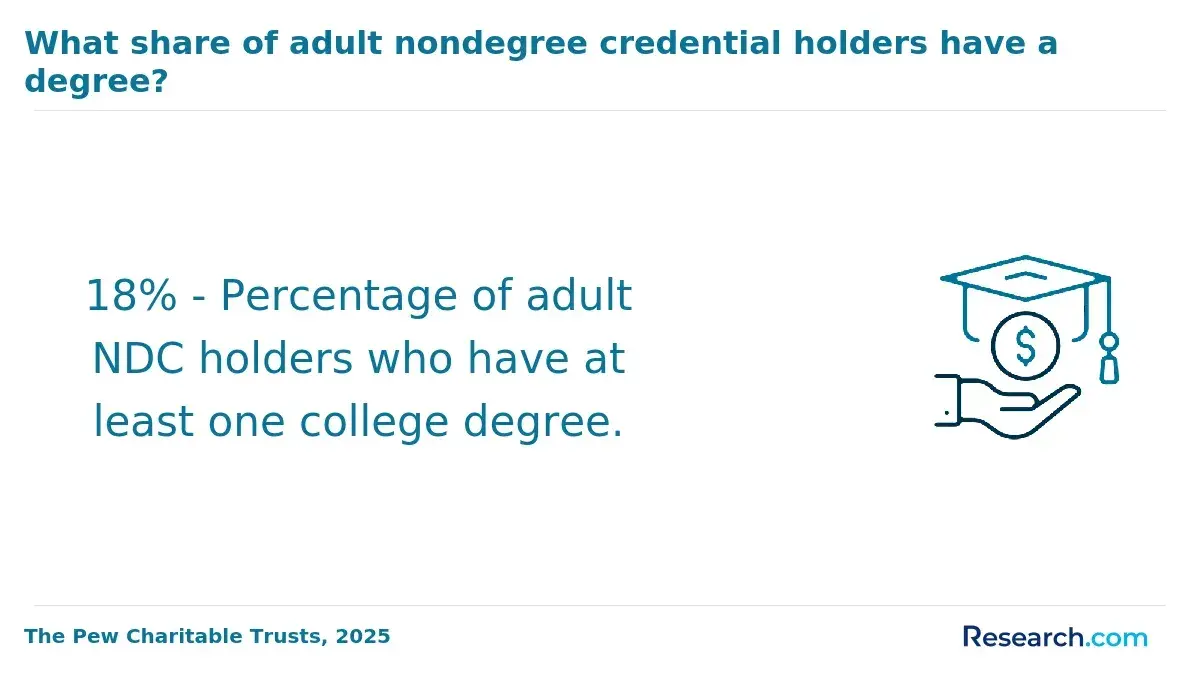
Practical competence and workforce needs, not just credentials, drive value in online community health degree programs for professionals. Certificate programs, typically lasting 6 to 12 months, serve those seeking rapid role entry or enhancement as community health workers or health educators focusing on outreach and resource coordination. These fast-track options lack the analytical depth required for supervisory or policy positions, reflecting distinct tradeoffs between speed and career ceiling.
Associate's and bachelor's degrees span two to four years and introduce essential foundations like epidemiology and health communication. They align with mid-level roles in clinics or nonprofits, where a bachelor's degree increasingly becomes the baseline for tasks such as data analysis or grant writing. Employers favor this additional credential for roles transcending frontline delivery, emphasizing the long-term investment in educational time versus immediate workforce entry.
Master's degrees, commonly two years full-time, prepare professionals for leadership, research, and population health strategy roles-skills vital for clinicians transitioning into managerial positions. As the U.S. Bureau of Labor Statistics forecasts 14% growth in community health worker employment through 2032, combining practical outreach experience with data literacy increasingly defines employability.
Choosing between these pathways depends on balancing time, finances, and intended career trajectory, with program accreditation and practicum requirements influencing job prospects. For those weighing costs alongside returns, resources like the cost of RN to BSN programs may provide useful comparative context. Best online certificates in community health and population health support emphasize applied skills but contrast with degree programs that prioritize research and policy knowledge critical for advancing beyond frontline roles.
What courses and skills are typically included in an online community health curriculum?
Employment in community health increasingly demands a blend of quantitative expertise and applied skills that traditional curricula must address to remain relevant. Core subjects such as epidemiology, biostatistics, health policy, environmental health, and health behavior theory form foundational knowledge, but employers prioritize graduates who can leverage data analytics tools like SAS or R to drive evidence-based programs. Advanced training in grant writing and program planning is vital for securing funding and managing initiatives, while legal and ethical instruction ensures compliance with HIPAA and public health regulations.
Practical experience through fieldwork is more than a requirement; it is essential for translating theory into interventions tailored to diverse populations. For example, a community health analyst who integrates epidemiological data with socioeconomic indicators to advise resource distribution must possess interdisciplinary analytical skills and clear communication-competencies that many programs struggle to develop robustly.
The surge in online MPH degrees-from fewer programs in 2019 to double in number by 2026 according to the Princeton Review-introduces flexibility but raises concerns about curriculum rigor and meaningful practicum exposure. Employers decidedly favor candidates demonstrating measurable skills in data-driven decision-making and policy implementation over predominantly theoretical knowledge. Prospective students should scrutinize program offerings for balance between hard technical skills and applied fieldwork to ensure tangible workforce readiness.
What accreditation and program quality standards should you look for in online community health programs?
Accreditation by the Council on Education for Public Health (CEPH) critically shapes employability in community health, as many employers-particularly in government or nonprofits dependent on public funding-require candidates to hold CEPH-accredited degrees. Graduates from non-accredited programs often face significant barriers in securing positions or obtaining certifications like Certified in Public Health (CPH). In practical terms, CEPH status signals to employers that the curriculum equips candidates with workforce-relevant skills such as population health management, data analysis, health promotion, and policy application.
Program outcomes matter beyond accreditation: measurable graduation rates, job placement data, and access to fieldwork are key indicators of a program's practical value. Candidates who complete programs with embedded practicum opportunities gain tangible experience performing community health needs assessments and intervention design, a distinct advantage over purely theoretical training.
Cost is another decisive factor. For example, the University of Oklahoma's online MPH in community and population health charges $575 per credit over 42 credits, totaling $24,150-significantly below many private alternatives-thus lessening debt load for career changers or those entering modestly compensated public and nonprofit roles. Finally, scrutinize faculty expertise, program flexibility, and career support services to ensure long-term adaptability and alignment with evolving public health standards and labor market demands.
What are the typical admission requirements and application materials for online community health programs?
Admission to online community health programs often hinges on more than just academic credentials, reflecting the field's operational emphasis on practical skills and workforce-ready capabilities. While a bachelor's degree in a health-related or social science discipline remains foundational, programs increasingly weigh applicants' professional experience and demonstrated competencies in population health roles.
Applicants are generally expected to provide transcripts confirming coursework in biology, statistics, or social sciences, alongside a résumé or CV that illustrates relevant exposure to care coordination, data analytics, or quality improvement. These elements serve as proxies for readiness in a competitive labor market where over 40 job functions intersect, according to HealthTeamWorks' Population Health Career Lattice.
Letters of recommendation typically come from supervisors or academic mentors who can attest to an applicant's ability to manage complex health data or systems. In practice, mid-career professionals transitioning from clinical settings must carefully select recommenders who recognize population health acumen rather than purely clinical skills, a pivotal consideration as narrative clarity can influence admission outcomes.
Supplemental interviews may be required to evaluate communication and leadership aptitude, essential traits given employer demand for versatile professionals capable of bridging analytic insight with on-the-ground coordination. For early-career candidates, internships or volunteer roles in community engagement often strengthen applications by evidencing practical grasp of population health challenges.
How long do online community health programs take to complete and what do they cost?
Choosing an educational path in community health demands balancing time investment against the nuanced demands of various workforce roles. Certificate programs, typically lasting 6 to 12 months part-time, offer targeted skills suited for professionals shifting into data-focused or analytical roles, such as insurance underwriting transitioning to community health analytics. These shorter programs cost between $1,500 and $5,000 but often lack the depth and fieldwork that employers expect for more complex positions.
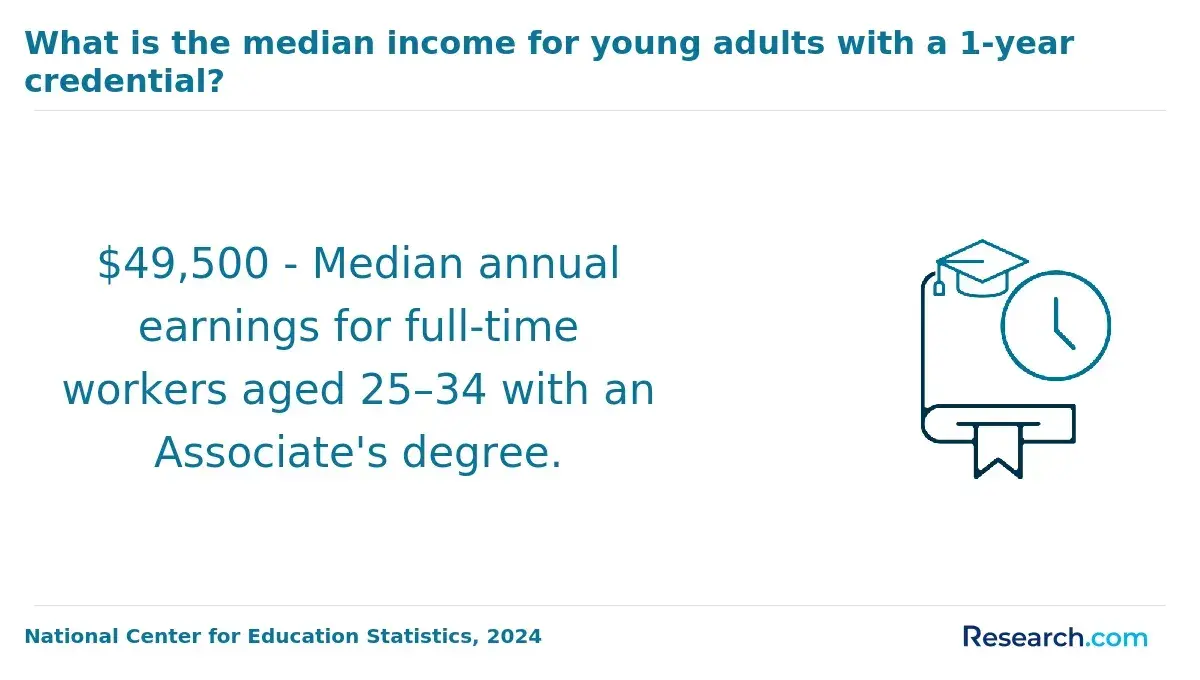
Associate degrees and comprehensive undergraduate tracks extend over 18 to 24 months online, costing from $10,000 up to $30,000 or more depending on the institution. They blend foundational health sciences with applied population health skills indispensable for roles in public agencies or community organizations that require interdisciplinary knowledge and case management expertise.
Employer expectations often emphasize demonstrated competencies over credentials alone, making longer programs more suitable for leadership roles despite greater upfront cost and time commitment. Candidates should also consider that formal degree programs offer enhanced eligibility for federal financial aid and employer reimbursement, which can mitigate financial burdens compared to standalone certificates.
The Population Health Management Learning Center reports that over 60% of participating organizations are non-hospital entities, reflecting a demand for versatile practitioners who operate beyond clinical care environments. Navigating these educational tradeoffs requires aligning program selection with realistic employer requirements and financial planning.
What careers, work settings, and advancement opportunities can an online community health degree lead to?
Graduates with an online community health degree typically enter roles requiring integration of practical public health knowledge with analytical skills, such as health educator or population health analyst. For instance, a professional at a state health department may focus on crafting interventions to reduce chronic disease using data analysis, while a corporate wellness coordinator aligns employee programs with business objectives. These roles demand continuous skill updates and certifications to remain competitive, especially as employer registrations in health education and population health have risen significantly since 2022.
Advancement often involves moving from operational tasks like outreach to strategic responsibilities including policy implementation, grant writing, and cross-sector collaboration. Candidates should realistically assess the necessity of supplementing online credentials with internships or field experience, which can extend time and financial costs but improve job market positioning. Professionals who balance credentialing demands with practical experience tend to secure more stable, impactful roles in diverse settings from public agencies to nonprofit and corporate sectors.
What is the salary potential and job outlook for community health and population health professionals?
Salaries in community health-related roles reveal significant variability tied to geography, employer type, and skill set. For example, professionals moving from clinical to community health positions in urban hospitals may earn more but face intense competition; rural or nonprofit sectors often offer leadership roles with lower pay. Median earnings range between $50,000 and $75,000, while clinical managers, epidemiologists, and public health directors command $80,000 to $120,000, reflecting experience and organizational scale.
Growth prospects are strong with a projected 17% increase in positions for health education specialists and community health workers over a decade, driven by escalating needs in preventive care and chronic disease management. Educational trends mirror workforce demands, with enrollment in population-health courses tripling recently, highlighting interest in short-term, flexible training that aligns with rapid changes in community health needs.
Other Things You Should Know About Community Health
Balancing work and study is the primary challenge for professionals pursuing community health degrees online. Programs with asynchronous lectures and flexible deadlines offer better adaptability but may require high self-discipline to avoid burnout. Choosing programs with clear progress milestones and strong academic advising can improve completion rates and reduce stress, making program format a key factor in decision-making.
Not all programs emphasize data analytics and health informatics equally, yet these skills are increasingly non-negotiable in community health roles. Prospective students should prioritize programs that integrate hands-on training with public health data tools and electronic health records. Graduates from lower-tech-focused programs may struggle to compete for jobs requiring proficiency in health IT systems and population health metrics.
Certificates offer faster and lower-cost entry points but may limit job opportunities to entry-level or support functions. A full degree typically opens doors to leadership, program management, and specialization, which align better with career growth. For immediate workforce entry with some upward potential, certificates suffice; however, those targeting strategic roles or employer-sponsored advancement should prioritize degree programs despite the longer commitment.
References
- What Can I Do With an Online Bachelor’s in Public Health? - MPH Online https://www.mphonline.org/jobs-online-bachelors-public-health/
- Public Health Online | Online Public Health Degrees https://www.publichealthonline.org/
- Why trust GlobalHealth Education? https://globalhealtheducation.com/au/resources/online-vs-on-campus-courses
- Faculty of Graduate and Postdoctoral Studies | University of Manitoba - Community Health Sciences (MPH) https://umanitoba.ca/graduate-studies/admissions/programs-of-study/community-health-sciences-mph
- Online Bachelor’s Degree in Community Health and Wellness https://www.monroeu.edu/academics/undergraduate-programs/school-allied-health-professions/online-bachelors-degree-community
- What does a nursing assistant do? https://apexlearning.org.uk/online-health-and-social-care-courses-are-they-recognised-by-employers/
- Online vs. On-Campus: Which Mode of Learning Is Best for You? https://www.onlinemastersdegrees.org/student-resources/which-mode-of-learning-is-best/
- COA Accreditation - Social Current https://www.social-current.org/coa-accreditation/
- Global curriculum guide for community health workers https://chwcentral.org/training-resources/global-curriculum-guide-for-community-health-workers/
- Master of Public Health Program at the Medical College of Wisconsin https://www.mcw.edu/education/graduate-school/graduate-school-programs/public-health/mph-program