2027 Online Community Health Degrees With Strong Community Partnership Training

Co-Founder and Chief Data Scientist
Experienced public health workers face a critical challenge when seeking flexible, practical credentials that align with evolving community engagement demands. Many prospective students balancing work, family, and tight schedules struggle to find programs that combine academic rigor with hands-on partnership training. A 2024 National Center for Education Statistics report shows online enrollment increased by 12% among adult learners, signaling growing demand for accessible degree formats that do not sacrifice experiential components.
This shift demands programs equipped to integrate community partnerships remotely while preserving real-world relevance and employer-valued skills. This article identifies online community health degrees with strong community partnership training to guide strategic educational choices for career advancement and impact.
Key Things You Should Know
- Employers prioritize graduates with measurable partnership experience; 62% of U.S. public health departments reported preferring hires with documented community collaboration in 2024, shifting hiring toward competency-based outcomes.
- Online programs with integrated local agency practicum reduce education-to-employment lag by up to 40%, but this speed tradeoff often requires geographic proximity or synchronous schedules, limiting truly asynchronous access.
- Federal grants increasingly fund online community health degrees tied to formal partnerships, yet students face uneven tuition support distribution, creating cost disparities that influence institution choice and enrollment timing.
What is an online community health degree and how does it prepare you for community-based work?
Online community health degree programs with hands-on training must be evaluated primarily on their ability to develop applied skills for navigating local contexts and addressing social determinants of health. Employers demand more than theoretical knowledge; they seek graduates experienced in coordinating with community organizations, public health departments, and social service agencies under real-world constraints. For instance, a graduate working with a nonprofit in chronic disease prevention must convert remote learning into stakeholder trust-building and adapt initiatives to demographic realities where resources and priorities conflict.
Programs emphasizing community health education for community-based workforce development build competencies in epidemiology, policy analysis, and culturally competent communication through practicum or capstone projects that require actual partner collaboration. These elements reduce new-hire onboarding times and improve operational outcomes by linking academic frameworks to fieldwork.
Growth in community health worker roles is projected at 14% from 2022 to 2032, outpacing average occupational growth and reflecting urgent demand for workforce-ready professionals capable of integrated community engagement and promotion efforts.
Prospective students should scrutinize how programs embed community partnership training and real-world application, recognizing the tradeoff between convenience of online access and the necessity of developing trust-based, in-person coordination skills. For a broader context on related health pathways, consider reviewing clinical mental health counseling programs which offer comparative insights into allied community-focused fields.
How do online community health programs build strong community partnerships and real-world field experience?
Online community health programs with community partnership training must overcome the complexity of delivering meaningful, applied field experience at a distance. Effective programs establish formal relationships with public and nonprofit organizations to place students in supervised, project-based practicums that reflect real workforce settings. This mitigates a critical obstacle in distance education-offering relevant community health field experience through online programs despite geographic and logistical challenges.
For instance, a student concentrating on chronic disease prevention might complete a practicum at a regional public health department, engaging in outreach to underserved groups under professional supervision. This direct exposure enhances employability by aligning skill development with evolving local health needs and employer expectations.
To navigate variances in student location and personal commitments, robust online programs often deploy regional hubs or virtual coordination platforms tracking placement quality and student progress. Such infrastructure is vital for remote learners managing work or family responsibilities.
Between fall 2019 and fall 2023, exclusively distance education undergraduate enrollment in the U.S. increased 36%, from 3.5 million to 4.8 million students, reinforcing the rising demand for scalable community placement systems. Prospective students must evaluate programs on their ability to secure high-quality, relevant field placements without requiring relocation, as this directly affects career trajectory and practical skills acquisition for working professionals pursuing a health administration degree.
What types of online community health degrees are available and which path fits your goals?
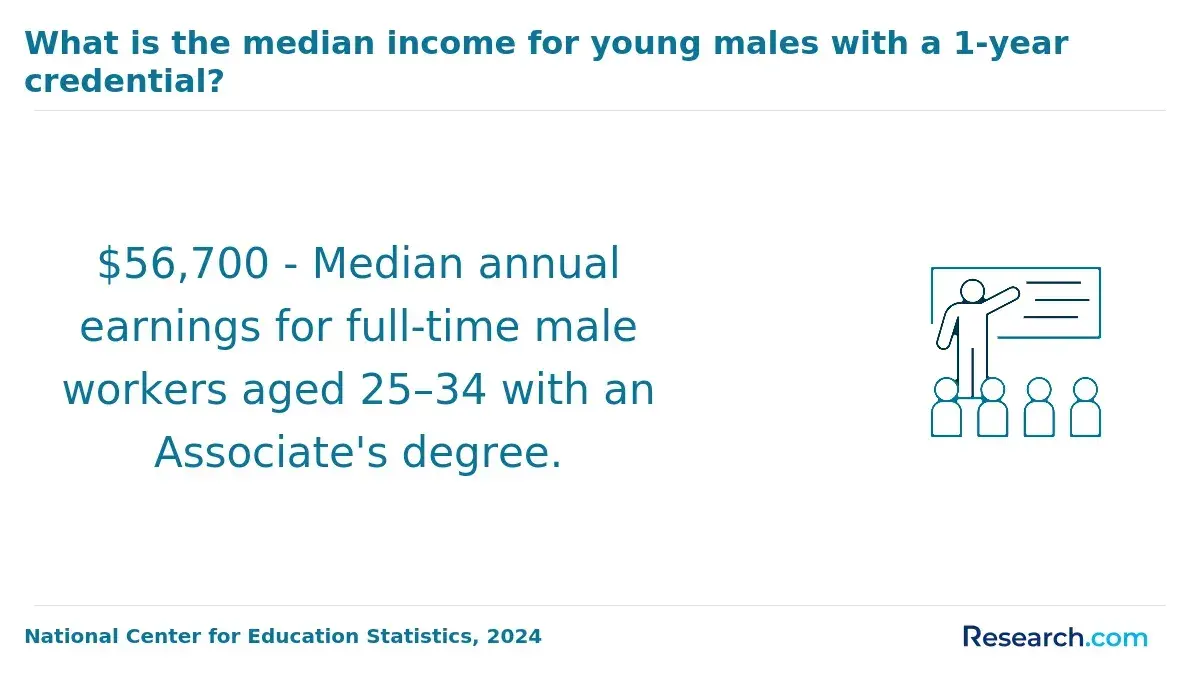
Effective advancement in community health hinges on selecting educational paths that integrate critical partnership-building skills with practical experience. Bachelor's degrees provide entry points into public health roles but often fall short in preparing graduates for leadership without further training. Master's degrees, prized for their emphasis on community partnership training, equip professionals to manage complex programs and stakeholder relationships essential for policy influence or health education coordination. For example, a public health worker addressing chronic disease management benefits from master's-level expertise to develop culturally appropriate interventions, whereas a corporate wellness coordinator might prioritize certificates to quickly enhance community engagement tactics within existing HR skills.
Employers now explicitly seek demonstrable community partnership competencies, favoring programs embedding fieldwork or practicum components with measurable outcomes. Online community health degree programs with strong partnership opportunities vary widely; those lacking experiential learning risk inadequately preparing students for the negotiation and trust-building crucial in many roles. Scheduling flexibility serves working professionals, but commitment to applied learning remains a non-negotiable factor for workforce readiness.
Decision-making must also weigh time and financial investment tradeoffs: bachelor's paths require years to yield advanced roles, while master's degrees accelerate progression but at higher cost and intensity. Certificates offer rapid skill acquisition but may restrict advancement to supervisory positions. Prospective students exploring the best online community health training paths for career goals can benefit from reviewing options such as master of healthcare administration programs that balance affordability, quality, and practical relevance.
How do online community health degrees compare with campus programs for quality and outcomes?
Online and campus community health degree quality comparison hinges primarily on whether online programs integrate structured fieldwork with accredited local health organizations. Graduates emerge more job-ready when their training includes practicums or internships aligned with employer expectations, directly affecting workforce outcomes.
Data confirms that online community health graduates from programs offering supervised practicum hours and vetted partnerships have employment rates comparable to traditional campus counterparts. In contrast, programs lacking applied components yield weaker job placement results. This highlights the practical consequences of selecting an online program without verified community ties.
Cost factors weigh significantly for working adults, especially those balancing family or rural commitments. For example, a single parent working remotely can complete credential requirements without commuting or relocating, preserving income and time. The median wage for community health workers at $50,190 supports tuition repayment but only if the program's ROI accounts for ongoing employment.
Students must exercise caution: verifying accreditation and the quality of community partnerships is critical, as poor alignment can undermine field learning experiences and future employability. To maximize both educational and career outcomes, online community health degree quality comparison should prioritize programs with documented outcomes and embedded community collaboration. Those seeking affordable pathways might consider exploring the cheapest RN to BSN online options for transferable models of cost efficiency and practical training integration.
What accreditation and program quality indicators matter most for online community health degrees?
Accreditation remains a decisive filter for assessing online community health degrees, serving as a baseline for employer trust and certification eligibility. Programs lacking recognition by agencies acknowledged by the U.S. Department of Education or CHEA often signal unstable academic quality and may diminish graduates' market value.
Practical experience through field placements or community-based projects is not optional but foundational. Data from the Health Resources and Services Administration confirms that nearly 80% of trainees participate in these practicums, sharpening skills that pure theory fails to develop. For example, public health employers prioritize candidates with demonstrated community engagement over those with solely classroom learning.
Virtual practicums attempt to bridge distance challenges but vary widely in effectiveness. Graduates without immersive, supervised real-world interaction frequently struggle to meet employer demands for advocacy and cross-cultural liaison skills in underserved populations.
Prospective students should therefore seek programs featuring sustained partnerships enabling hands-on experience resistant to wholly simulated models. Important supplemental factors include a comprehensive curriculum covering social determinants of health, data analytics, and policy frameworks, alongside transparent outcomes such as job placement and certification pass rates.
What courses, skills, and practicum experiences are included in community health curricula?
Community health degree programs in 2026 demand focused integration of interdisciplinary coursework, practical skills, and extensive practicum hours, reflecting employer expectations and varied work environments. Analytical competence in epidemiology and social determinants is foundational but insufficient without context-specific communication and advocacy capabilities tailored to employment settings.
For example, community health workers in correctional facilities require mastery of trauma-informed communication and resource navigation, distinct from those operating in school health programs emphasizing youth engagement and health promotion. This divergence illustrates how skill specialization impacts workforce readiness and job placement.
Practicum requirements, often between 100 and 300 hours, represent a significant logistical consideration for students balancing personal obligations. Placement quality is a key differentiator: programs with robust community partnerships offer access to diverse work sites and mentorship that ease transition into full-time roles.
Outcomes data from HRSA-affiliated programs highlight that roughly 71% of trainees find employment or continue workforce engagement within the first year post-graduation, demonstrating the practical correlation between program design and job market integration.
What are typical admission requirements, time to completion, and total costs for these programs?
Prospective students targeting online community health degrees with strong partnership components must weigh selective admission criteria that reflect real-world employer priorities. Programs frequently expect a related bachelor's degree, a minimum GPA near 3.0, and documented community involvement, filtering for candidates who combine academic foundation with practical insight into social determinants of health. Letters of recommendation and personal statements focused on community engagement remain common, while standardized test requirements are increasingly waived to reduce barriers.
Program duration varies widely, typically between 18 and 36 months depending on part-time or full-time enrollment and inclusion of capstone or practicum experiences centered on partnership development. This creates a direct tradeoff between quicker completion and in-depth experiential learning, critical for those balancing ongoing professional roles. Accelerated options leverage transfer credits but may limit the breadth of community project exposure.
Cost structures also diverge substantially by institution type and residency. Public online offerings often range from $12,000 to $20,000 in total for in-state learners, whereas private programs can exceed $30,000. Additional fees for practical placements and specialized training in data tools and engagement methods add layers of expense frequently underestimated during decision-making.
Outcomes data reinforce the value of integrated curricula: a 2025 CBPR training initiative in Puerto Rico showed that 92% of community partners enhanced their data skills to address local health disparities following programs that combined academic and community knowledge. Employers prioritize graduates who can translate theory into measurable health equity results, underscoring the importance of practical collaboration skills within these degree pathways.
What community health careers can you pursue with an online degree and what do they involve?
Online degrees in community health prepare graduates for varied roles demanding a blend of analytical, managerial, and culturally competent skills. For instance, a community outreach coordinator focusing on maternal health must collaborate with local systems to improve prenatal care access by applying data analysis and tailored communications learned through online coursework. This real-world application highlights the sector's practical demands beyond academic knowledge.
Common roles include health educators who develop behavior-changing campaigns, public health analysts who translate health trends for policymakers, and program managers overseeing compliance and team coordination. All rely heavily on epidemiology and community engagement. Employers often expect evidence of documented field experience and regional partnerships, which requires students in online programs to secure local practicum arrangements proactively.
The cost differential between online and campus-based community health degrees is typically narrow. In 2023, public university online community health students paid an average of $10,888 compared to $10,103 for on-campus peers (National Center for Education Statistics). Given this, prospective students must weigh the financial balance against limitations such as reduced networking opportunities and campus resources.
What salary ranges and job outlook can community health graduates expect in the United States?
Starting salaries for community health graduates in the U.S. typically range from $40,000 to $55,000 annually, with experienced roles reaching $60,000 to $80,000 based on employer type and location. Positions in public health departments or nonprofit organizations tend to offer varied compensation, while clinical and program coordinator roles in urban centers frequently command higher pay. A significant shift toward telehealth-rising adult user rates from 11% to 38% between 2019 and 2023 per KFF analysis-has heightened demand for professionals adept at blending digital platforms with community outreach.
Employment projections indicate a 21% growth for community health professionals from 2024 to 2034, outpacing average job markets. Driving factors include expanded telehealth services, preventive community care, and crisis response. Employers increasingly seek candidates equipped with digital literacy and complex stakeholder management skills, pressing graduates to develop competencies beyond traditional outreach.
Career progress and salary growth correlate strongly with roles embedded in integrated care systems, such as community health centers integrating telehealth solutions. Graduates in isolated outreach positions or lacking certifications in health informatics or epidemiology often face slower advancement. Involvement in community-engaged research that applies data-driven interventions to local health disparities further distinguishes candidates in this evolving field.
How do licensing, certifications, and continuing education work for community and public health roles?
Licensing and certification requirements for community health roles differ widely by state and specialization, creating a complex landscape students must navigate early. Most states mandate community health workers (CHWs) complete accredited training and pass certification exams, while public health professionals often enhance competitiveness with voluntary credentials like the Certified in Public Health (CPH). Continuing education demands vary but typically require 10 to 20 hours biennially, focusing on policy updates, ethics, and community engagement skills.
Consider a candidate pursuing a community health role in maternal health within a state health department. In Maryland, for example, 94% of accredited programs embed formal partnerships with local organizations, a practical component employers expect for collaborative effectiveness. Without these embedded partnerships, graduates face steeper challenges adapting to multitasking, client trust-building, and inter-agency communication-skills critical for effective fieldwork.
Licensing intersects directly with career trajectories: supervisory and management roles usually require advanced certification and proof of continuing education. For professionals pivoting into community health from unrelated sectors, selecting programs that provide clear certification pathways and mandated continuing education can mitigate costly credential mismatches or delays in employment. Employers increasingly prioritize candidates with documented jurisdiction-specific training and ongoing professional development, recognizing these as indicators of workforce readiness and adaptability.
Other Things You Should Know About Community Health
The workload in these programs often exceeds typical online degree expectations due to the integration of fieldwork with community organizations. Students must balance asynchronous coursework with scheduled in-person or virtual practicum components, which require significant time management and adaptability. This tradeoff means candidates who prioritize flexibility may face challenges if the program's community engagement requirements are inflexible or concentrated in certain parts of the term.
Yes, employers increasingly prioritize real community partnership experience because it demonstrates applied skills in stakeholder collaboration and program implementation. Graduates lacking tangible fieldwork tied to community settings are at a disadvantage compared to those with documented partnerships. If your goal is competitive job placement in nonprofit or public health sectors, choose programs with verified, structured community collaboration rather than theoretical simulations.
Programs with formalized community partnerships provide clearer learning objectives, stronger mentorship, and better networking benefits than informal placements. This structure improves outcomes by ensuring alignment between academic goals and real-world challenges, increasing employability post-graduation. Students aiming for strategic career advancement should seek out programs that maintain long-term, formal agreements with reputable community organizations rather than relying on individually sourced placements.
References
- Careers https://www.publichealthdegrees.org/careers/
- Top MPH Jobs USA 2026 | Careers, Salary, and Opportunities https://www.healthstaffinggroup.com/mph-jobs-usa-career-guide/
- What Can You Do With a Community Health Degree | CUNE https://www.cune.edu/news/what-can-you-do-with-community-health-degree
- Accreditation & Recognition - Public Health Accreditation Board https://phaboard.org/accreditation-recognition/
- Health Outcomes Accreditation - NCQA https://www.ncqa.org/programs/accreditations-in-health-outcomes/
- The International Society for Quality in Health Care | ISQua https://isqua.org/
- Highest Paying Jobs in Public Health and their Salaries - MPH Online https://www.mphonline.org/highest-paying-jobs-public-health/
- How to Become a Community Health Worker in 3 Steps https://www.edumed.org/how-to-become/community-health-worker/
- Global curriculum guide for community health workers https://chwcentral.org/training-resources/global-curriculum-guide-for-community-health-workers/
- Online Public Health Degrees: Find Your Program https://www.degreesforgood.org/online-degrees/public-health-programs/