2027 Best Online Community Health Programs for Professionals Seeking Community Program Careers

Co-Founder and Chief Data Scientist
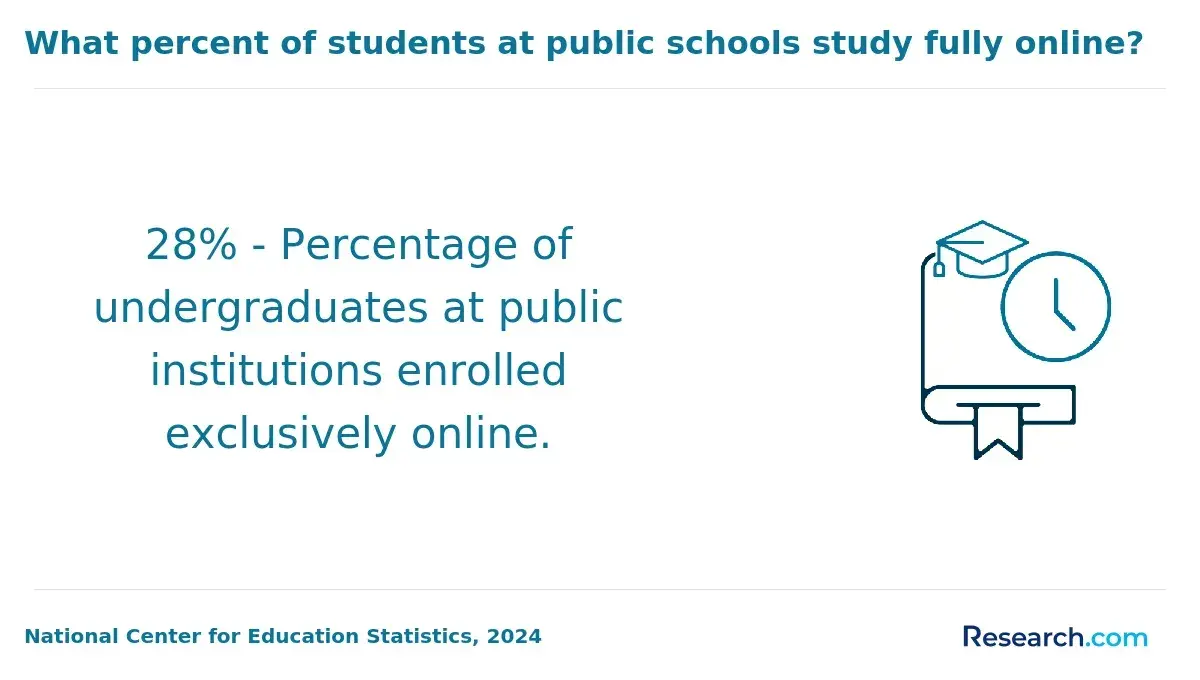
For professionals aiming to transition into community health roles, balancing work, family, and education often poses a significant barrier, especially when rigid program schedules delay entry into an expanding labor market. Recent data from the National Center for Education Statistics reveals a 15% increase in adults enrolling in flexible online programs since 2023, indicating a growing demand for learning paths that accommodate varied life circumstances.
This shift matters because many employers in community health prioritize candidates with both relevant experience and timely credentials, making program pacing crucial. This article identifies top online community health programs that combine flexibility with career-aligned training to streamline professional advancement.
Key Things You Should Know
- Graduation timing from community health programs averages 25% longer for part-time enrollees, delaying workforce entry and potentially increasing total education costs by over $7,000, per 2024 NCES data.
- Employers prioritize field-specific internships over general credits, with 62% of U.S. community-based organizations listing practicum experience as the top hiring criterion in recent SHRM surveys.
- Programs emphasizing social determinants of health show higher graduate employment rates in underserved areas but often require tradeoffs in standardized certification preparation, impacting some licensure eligibility.
What are the best accredited online community health degree programs for aspiring community health professionals?
For candidates evaluating the best accredited online community health degree programs, the critical distinction rests in integrated practical experience tied directly to employer networks. Programs closely affiliated with health departments or organizations enable applied learning through internships or community projects that align with specific local health challenges.
A student aiming for a role in urban health equity, for instance, gains distinct advantage from curricula requiring partnerships with city health agencies or federally qualified health centers over purely theoretical study.
Online community health programs must also balance flexibility with meaningful cohort interaction. Asynchronous formats serve working professionals well but can impede networking crucial for career referrals.
Cost, credit transferability, and workforce-relevant skill outcomes-such as data analysis, grant writing, and cultural competence-should guide program selection beyond accreditation status alone. Master's and bachelor's degrees accredited by bodies like CEPH ensure rigorous content and qualify graduates for certifications like CHES, which employers increasingly favor.
The employment outlook for health education specialists and community health workers projects 12% growth from 2021 to 2031, driven by expanded public health initiatives. Students navigating this pathway should consider how program design impacts their ability to demonstrate practical skills valued by employers in government, nonprofits, and clinical settings.
Those exploring degree options might also examine the bachelor of science in health information management salary landscape for a comparative employment perspective within health fields.
Top online community health programs for aspiring professionals efficiently integrate applied competencies and real-world engagement to maximize employability and program ROI.
How do online community health programs work, and how do they differ from campus-based options?
Employers increasingly prioritize demonstrable skills over education format, creating a meaningful distinction between online community health programs vs campus-based programs. Online pathways provide working professionals crucial flexibility, enabling them to earn credentials without relocation or disrupting income flow.
For example, a rural public health employee can gain specialized skills remotely, but this requires disciplined time management and stronger digital literacy. Online students often face greater hurdles securing practicum placements due to limited institutional support and heightened competition.
Campus-based programs provide immersive environments with immediate access to faculty, labs, and local internships essential for hands-on experience and professional networking, especially in urban public health contexts. However, they impose higher opportunity costs through relocation and full-time attendance demands, restricting access for nontraditional students balancing work or family.
The tradeoffs between these formats hinge on personal circumstances and professional goals. Those evaluating community health education pathways must consider factors like job stability, local workforce ecosystems, and preferred learning styles to align with either the independence of online study or the structured immersion of campus programs.
Graduates holding a bachelor's degree in public health typically earn about 20% more than the general U.S. workforce, underscoring market demand across delivery modes. For those exploring accelerated credentialing options, specialized alternatives like a healthcare administration bachelor's degree can augment versatility within health-related careers.
What types of online community health degrees and certificates are available for working adults?
Online community health degree programs for working adults demand a clear evaluation of educational format against career objectives. Bachelor's degrees are foundational, equipping graduates for roles in nonprofit or public health agencies with essential grounding in health promotion and epidemiology.
However, advancing to higher management positions often requires graduate certificates or master's degrees focusing on leadership, program management, and data analytics. These credentials better align with employer expectations for strategic decision-making and health services management.
Working professionals increasingly prioritize flexible certificates in community health for professionals to close immediate skill gaps without the extensive commitment of full degrees. Yet, while certificates can expedite entry or lateral moves, they typically limit access to higher salaries and senior roles.
A registered nurse transitioning from clinical duties to program administration might select an online master's emphasizing health services or grant writing-balancing credential relevance with ongoing employment and income.
Data from ASU Online, referencing the U.S. Bureau of Labor Statistics, indicates that medical and health services managers-a prevalent outcome for online bachelor's graduates-have a median salary near $118,000 with 23.2% projected job growth.
This reflects the economic tradeoffs tied to time investment and credential depth in this sector, underscoring evaluation beyond convenience or short-term gains.
When considering program selection, it's useful to examine options such as the easiest RN to BSN online program pathways as one potential entry to community health education advancement.
How can I verify accreditation and program quality for an online community health program?
Assessing quality standards for community health online courses requires more than confirming institutional accreditation by the U.S. Department of Education or the Council for Higher Education Accreditation. While these accreditations ensure minimum academic legitimacy, specialized recognition-such as CEPH accreditation for MPH degrees-directly impacts eligibility for licensure, federal funding, and employer acceptance.
The variance in tuition among top programs, for example in Florida, ranges from $16,153 to $27,000, reflecting a steep 67% cost gap that often correlates with differences in faculty expertise, practicum availability, and ultimately, professional readiness.
Graduation and job placement statistics provide tangible measures of program effectiveness. Programs that transparently report these metrics, including alumni employer sectors, enable prospective students to evaluate how well curricula align with workforce demands, such as competencies in social determinants of health and data analytics.
These factors are critical in community health roles where practical skills impact hiring decisions. Engaging directly with alumni or current professionals offers insights into whether the program meets real-world employer expectations.
Student support and technology platforms also influence outcomes. Higher attrition rates in fully online programs often result from insufficient advising or limited interaction, which can undermine the long-term career benefits despite formal accreditation.
For those contemplating educational pathways or strategic pivots in health fields, it's important to compare options-such as transitioning through an ADN to BSN route-to balance cost, quality, and career relevance.
What courses and competencies are typically included in an online community health curriculum?
Programs preparing learners for roles in community health must synthesize practical skill application with employer-defined competencies that reflect immediate workforce needs. These include public health fundamentals, epidemiology, and culturally sensitive health promotion techniques designed for diverse populations. Importantly, employers expect graduates to demonstrate proficiency in risk assessment and behavior change strategies that directly impact community outcomes.
Mastery of data literacy is not optional; professionals must analyze health metrics and program results to support grant writing, compliance reporting, and continuous quality improvement efforts. Navigating complex health systems and policies remains central for addressing social determinants of health, especially in resource-limited settings where systemic barriers prevail.
Communication remains a decisive capability. Training in motivational interviewing, health education methodologies, and digital engagement strategies reflects the growing shift toward remote and hybrid outreach models. Ethical considerations, including privacy and professional boundaries, underpin trust and legitimacy within community relationships.
Hands-on experience, whether through fieldwork or virtual simulation, is a critical differentiator in candidate readiness. Curricula aligned with established public health competency frameworks provide standardized skill validation, which reinforces employability.
For professionals pivoting into this sector, note that programs emphasizing integrated data skills, policy fluency, and culturally grounded communication typically prepare students better for funding-dependent or cross-sector roles. Conversely, curricula lacking these components risk producing candidates less competitive for positions demanding measurable impact and collaboration with health systems.
The scale of Harvard's "Strengthening Community Health Worker Programs," enrolling over 36,000 learners, illustrates growing demand for comprehensive, practice-oriented training aligned with evolving workforce standards.
What are the typical admission requirements for online community health programs?
Admission to online community health programs demands a balance between academic readiness and practical understanding of real-world service environments. A high school diploma or GED suffices for entry-level certificates, but associate or bachelor's degrees are mandatory for advanced tracks. A minimum GPA-commonly 2.5 or higher-is a typical gatekeeper, as graduate-level study requires consistent academic performance.
Work experience in nonprofit or healthcare settings remains a critical filter. Many employers expect candidates to have firsthand exposure to community outreach challenges. Those without this background often face additional prerequisites such as internships or targeted coursework to gain foundational skills.
Programs prioritize candidates demonstrating cultural competence in serving diverse populations, given that over 60% of community health workers engage with racial or ethnic minorities. This translates into specific admissions requirements like essays on cross-cultural experiences or preparatory training modules, reflecting employer expectations for cultural and linguistic sensitivity.
Standardized tests like SAT or GRE are optional in many cases, but letters of recommendation and background checks still provide important qualitative assessments. Moreover, the mandatory reliable internet access underscores that technical readiness is non-negotiable for these predominantly online formats.
How long do online community health programs take, and what do they cost?
Completing an online community health degree within 18 to 24 months full-time offers a strategic balance between minimizing income disruption and maintaining skill currency essential for employer demands. Extended part-time timelines beyond three years risk eroding practical relevance, delaying workforce reentry, and diminishing return on investment (ROI).
For example, working professionals juggling employment and study often find accelerated tracks too intensive, while loosely paced programs can postpone career momentum.
Tuition typically ranges from $20,000 to $40,000, with institutions like Florida International University charging around $25,200 for a master's degree. When contrasted with a median annual wage near $70,000 for public health professionals holding an MPH, the investment recoups quickly-often within the first year post-graduation.
Financial aid and employer reimbursement may offset upfront costs but require synchronization with program duration to avoid timeline extensions that could undercut benefits.
Employers prioritize graduates who complete degrees promptly and demonstrate applied competencies through practicum or capstone projects. Delays signal potential skill obsolescence amid shifting public health challenges, limiting competitive positioning. Professionals weighing community health programs must consider these practical tradeoffs:
What careers can I pursue with an online community health degree or certificate?
A bachelor's-level credential in community health typically prepares graduates for roles such as health educator, community outreach specialist, case manager, and public health assistant. These positions generally support local initiatives within nonprofits, government agencies, or healthcare providers, with employment growth around 3-5%. Graduates aiming for quicker workforce entry and operational roles often find this pathway practical.
In contrast, a master's degree unlocks access to more specialized, analytical positions-health policy analyst, population health researcher, epidemiologist, and program manager-that require stronger skills in data interpretation, policy development, and strategic planning. Employment in these advanced roles is projected to grow closer to 12%, underscoring higher demand for graduate-level expertise.
Key tradeoffs include the longer time and higher cost of a master's education versus broader career scope and salary potential. For example, a professional pivoting from frontline roles to research-focused jobs fueled by pandemic-era funding might find the online master's essential to bridging skill gaps. Conversely, those focused on community engagement and immediate employment may prioritize bachelor's credentials.
Employers consistently expect demonstrated competencies in data interpretation, cultural competence, and program evaluation, which more rigorous programs embed systematically. Decision-making should weigh these workforce expectations, the financial and time investment of graduate study, and realistic career ambitions in community health.
What salary ranges and advancement opportunities exist in community health careers?
Salary progression in community health careers hinges largely on specialization and credentialing, with broad roles often facing stagnation below six figures. Entry-level jobs like health educators or outreach coordinators typically start between $45,000 and $60,000 annually, influenced by regional demand and organizational size. Practitioners with mid-career experience in mental health, policy analysis, or global health see salaries rise to $65,000-$85,000.
Advancing into roles such as clinical coordination or policy advisory often requires graduate-level credentials focused on specific community health niches, resulting in salary increases above 15% and greater institutional influence. Teaching or research careers tied to healthcare professor roles present growth projections of 17.3% through 2032 and median salaries exceeding $105,000, but they demand navigating academia's competitive environment.
Tradeoffs include balancing additional education cost and time with incremental income gains and sector variability. Government and nonprofit positions tend to offer stable but lower salaries, while healthcare administration and private consulting roles reward management experience and specialization with compensation frequently surpassing $120,000.
In practice, effective career development requires strategic specialization and targeted role selection. Without focused education, advancement opportunities are limited; however, relevant graduate study unlocks leadership pathways and higher earning potential in a field shaped by complex market forces.
Are there certifications, licenses, or professional standards for community health workers and educators?
Certification for community health workers (CHWs) directly affects their employability and wage potential, with over 25 state and regional CHW networks shaping consistent standards nationwide. Employers prioritize candidates who complete recognized programs verifying skills in outreach, advocacy, and culturally competent communication, a requirement often linked to real hiring and reimbursement policies.
The contrast between states with mandatory certification for reimbursable Medicaid services, such as Oregon and Texas, and those offering voluntary certifications illustrates a strategic choice for professionals. Voluntary certifications may aid continuing education but lack the enforceability that some job markets demand, impacting job mobility and eligibility for certain roles.
Community health educators pursuing broader credentials like the Certified Health Education Specialist (CHES) should consider alignment with career goals beyond CHW functions, especially when targeting public health administration or policy roles. The need to navigate multiple credentialing systems and maintain renewals adds complexity that can disrupt employment if not managed proactively.
Key practical factors for professionals include:
- Choosing accredited certification programs endorsed by active state or regional CHW networks to maximize labor market recognition.
- Evaluating state-specific licensure requirements to avoid credential mismatches that hinder job qualification.
- Understanding that employer preferences increasingly favor certifications that signal competence for both clinical and community-facing functions.
For example, a CHW candidate in Texas must secure state-mandated certification to provide reimbursable services, whereas a counterpart in a state with only voluntary standards may find wage gains limited without additional credentials.
Other Things You Should Know About Community Health
Online community health programs demand consistent time management and self-discipline, especially for full-time workers. Coursework often includes group projects and community practicum hours that require flexible scheduling. Candidates must prioritize programs that offer asynchronous content and realistic deadline extensions to prevent burnout without sacrificing the quality of experiential learning.
Employers increasingly accept online community health credentials when the program is from a well-recognized, accredited institution with a clear emphasis on applied skills. However, some sectors-like government or large healthcare providers-still prefer candidates who have completed in-person practicums or hybrid programs. Prospective students should prioritize programs that integrate fieldwork partnerships or capstones aligned with employer needs to enhance credibility and job readiness.
Yes. Many accredited online community health programs require a practicum, internship, or supervised field experience, often 120 to 240 hours. Schools usually place students with local agencies, health departments, or nonprofit organizations, and some programs require a background check, immunization records, or site approval before placement.
Skills in data collection, needs assessment, culturally competent communication, and program evaluation directly impact both employability and effectiveness on the job. Employers value candidates who demonstrate the ability to adapt outreach strategies based on community demographics and real-time feedback. Programs emphasizing these tools through applied projects or internships improve graduates' practical readiness more than purely theoretical coursework.
References
- Online vs. On-Campus: Which Mode of Learning Is Best for You? https://www.onlinemastersdegrees.org/student-resources/which-mode-of-learning-is-best/
- Top 25 Online MPH Community Health Degree Programs - MPH Online https://www.mphonline.org/best-online-mph-community-health/
- Associate Degree - Community Health and Wellness - Online | Monroe University https://www.monroeu.edu/academics/undergraduate-programs/school-allied-health-professions/online-associate-degree-community
- Learn public health | edX https://www.edx.org/learn/public-health
- Community Health and Public Health | University of Phoenix https://www.phoenix.edu/articles/healthcare/community-health-and-public-health-differences.html
- Community Health Assistant https://yesbud.online/cha/
- How to Become a Community Health Worker in 3 Steps https://www.edumed.org/how-to-become/community-health-worker/
- Community Health Worker - SEMCA Michigan Works! https://semcamiworks.org/job-seekers/community-health-worker/
- Faculty of Graduate and Postdoctoral Studies | University of Manitoba - Community Health Sciences (MPH) https://umanitoba.ca/graduate-studies/admissions/programs-of-study/community-health-sciences-mph