2027 Community Health Roles With the Strongest Promotion Potential

Co-Founder and Chief Data Scientist
Professionals aiming to advance in community health often confront a critical challenge: selecting roles with viable promotion trajectories amid shifting workforce demands and limited institutional support for career mobility. Data from the National Center for Education Statistics reveals a sustained 7% annual rise in online enrollment for community health-related programs, reflecting growing demand for flexible education that accommodates working adults.
This trend emphasizes the need for strategic role selection aligned with accessible upskilling pathways and employer expectations. Without targeting positions recognized for upward mobility, workers risk stagnation despite ongoing education. This analysis identifies community health roles with the strongest advancement potential to guide informed career decisions.
Key Things You Should Know
- Occupational projections from the U.S. Bureau of Labor Statistics show a 14% growth in community health worker roles by 2030, but advancement often requires certification that can delay promotion by 1-2 years.
- Employers increasingly prioritize bilingual community health coordinators, with 62% reporting improved patient outcomes, creating a segmentation in hiring favoring language-specific cultural competence over generalist credentials.
- Cost barriers for credentialed promotion routes average $3,500 nationally, disproportionately affecting candidates without employer tuition reimbursement, narrowing upward mobility in rural and underserved urban markets.
Which community health roles offer the strongest long-term promotion and leadership potential?
Leadership roles with the strongest long-term promotion opportunities in community health roles demand abilities beyond frontline experience, including strategic planning, budget oversight, and data interpretation. For instance, a worker with several years in the field who acquires certifications related to program management can step into a program coordinator position responsible for multiple outreach efforts.
This progression exemplifies how mastering leadership communication and grant writing becomes essential as organizations invest more in population health management.
The U.S. Bureau of Labor Statistics shows a median annual wage of $51,030 for community health workers in May 2024, alongside an 11% job growth projection through 2034, reflecting expanding advancement possibilities. Mid-level supervisors and public health managers typically ascend internally but must fill skill gaps not covered in entry-level training, such as interagency collaboration and electronic health record systems proficiency.
Career paths with highest advancement often require integrating field experience with formal education, especially for policy analyst roles where analytical aptitude and graduate credentials in public health or health administration matter. Employers favor candidates who combine practical exposure with these qualifications to influence program funding and design effectively.
Upskilling through certifications like Certified Health Education Specialist (CHES) and financial reporting expertise is often the difference between stagnant pay and tangible progression. Practical trade-offs include navigating transitions from direct service to administration, which hinge on acquiring these competencies.
For those assessing educational options, pursuing an environmental health and safety bachelor degree online can add relevant credentials that bolster upward mobility in community health leadership career paths with highest advancement potential.
What education and degrees are needed to advance in community health careers?
Progression in community health roles rarely advances beyond entry-level duties without a master's degree, despite a bachelor's serving as the basic credential for many positions. Employers demand advanced qualifications-such as a master's in public health (MPH) or health administration (MHA)-to fill supervisory or managerial vacancies, where leadership and policy expertise are critical.
For instance, clinical community health educators who seek to manage teams or lead extensive programs must acquire skills not typically covered in undergraduate curricula, including program evaluation and strategic leadership.
The education requirements for community health career advancement reflect this, with employment of medical and health services managers projected to grow 23% between 2024 and 2034. This underscores a market that favors candidates blending hands-on experience with graduate-level instruction. Certifications like Certified Health Education Specialist (CHES) can enhance prospects for bachelor's holders but rarely replace graduate education for elevated positions.
Professionals in under-resourced or rural settings often face added barriers pursuing degrees, pushing many to explore flexible options such as the fastest online master's in healthcare administration. However, prospective students must balance program cost, curriculum relevance, and employer recognition carefully.
Community health workers aiming to shift into management roles confront tradeoffs between the time and financial investment required for graduate degrees and the tangible salary and leadership benefits. Prioritizing accredited programs with practical components aligns education with real-world job market demands, essential for accessing institutional and governmental supervisory roles.
How do salaries and earning potential grow as you move up in community health?
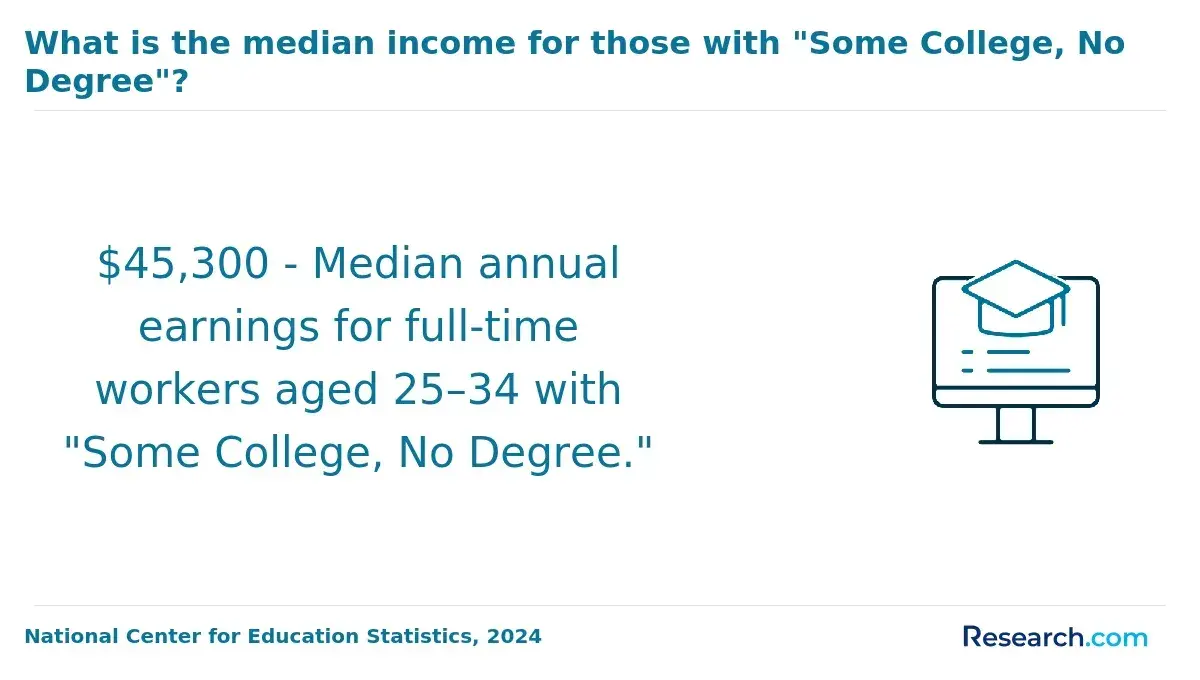
Salary progression in community health hinges heavily on advancing beyond entry-level duties, with clear financial incentives tied to acquiring relevant skills and leadership responsibilities. Entry-level community health workers typically earn between $35,000 and $45,000 annually.
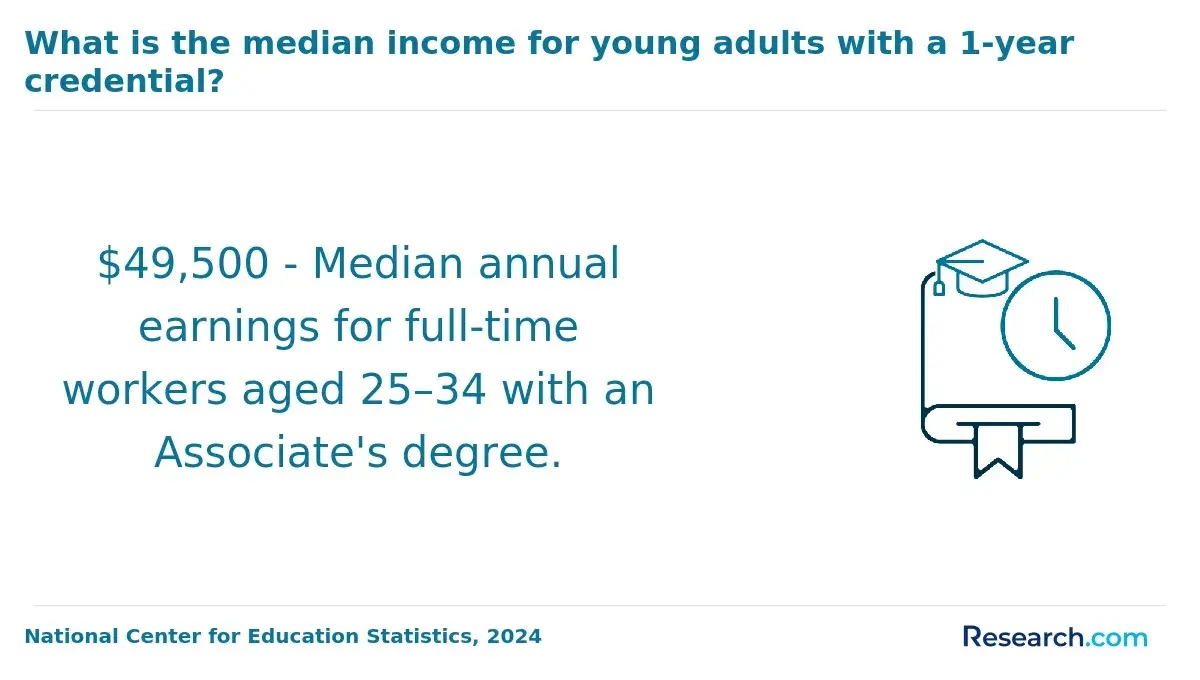
Moving into coordinator or case manager roles boosts salaries to the $50,000-$65,000 range, requiring demonstrated expertise in program management and patient navigation, often supported by certifications or associate degrees. These mid-tier positions embody the practical nexus between direct service and broader system coordination, where effective care navigation reflects the growing demand in the field.
Supervisory or program director roles command salaries from $70,000 up to over $90,000 annually. These advanced roles, often requiring a bachelor's or master's degree, involve strategic planning, team leadership, and securing funding in resource-tight environments.
For example, professionals with a healthcare administration degree stand out, especially in hospital systems or large nonprofits, where they nearly double entry-level incomes by influencing budgets and outcomes.
The forecasted 1.9 million annual U.S. healthcare job openings through 2034 amplify the demand for roles centered on care coordination and patient navigation. This dynamic shapes employer expectations, which increasingly prioritize analytical skills and leadership agility alongside formal education.
Consider a rural community health worker who attains a Certified Health Education Specialist credential plus a bachelor's degree: this pathway can increase earning potential by 40-50%. Without these advancements, professionals risk stagnating below median regional salaries despite steady demand, illustrating key tradeoffs in career development and earning potential in community health.
Which community health roles most often lead to supervisory and management positions?
Advancement to supervisory positions in community health demands a combination of direct service know-how and administrative expertise. Roles such as public health program coordinators, community health managers, and behavioral health supervisors frequently lead to management because they require overseeing teams and handling operational tasks like budgeting and regulatory compliance.
For instance, behavioral health case managers with strong scheduling and resource knowledge can advance to clinical supervisors managing multiple providers, while outreach specialists without these skills often face slower progression. This distinction reflects key factors in community health supervisor career paths.
Frontline roles, including community health workers, seldom move into leadership without pursuing further education or certifications, which address gaps in project management and team leadership. Candidates who invest in targeted skill development, such as health administration credentials, are more aligned with employer expectations and therefore expedite job advancement.
These competencies are particularly critical as behavioral health employment expands sharply-by 28.8% this decade-creating new demand for capable leadership within ambulatory care settings, illustrating community health manager job advancement opportunities driven by sector growth.
Pragmatic career planning must weigh the tradeoffs of additional education against experience requirements. Prospective professionals should consider accredited programs carefully; reviewing comparisons like the Chamberlain vs Capella RN to BSN program helps illuminate pathways that best fit their timeline and workforce objectives.
How do online community health programs compare with campus options for career advancement?
Online community health programs expedite credentialing and offer flexible pacing essential for professionals balancing work and study. However, they often rely on students to independently secure clinical placements, which can impede hands-on skill development and delay readiness for employer expectations.
Campus-based programs typically embed students within established clinical sites and maintain stronger local employer networks, facilitating smoother transitions into paid roles and often higher starting salaries.
For example, a community health worker training online may face barriers obtaining quality internships, impacting employer evaluations during hiring. Conversely, on-campus peers benefit from integrated practicums that enhance practical experience and professional connections.
This disparity reflects employer preferences for candidates who demonstrate applied competencies in community settings, especially in home health and personal care aide roles, where practical skills and verified clinical hours are critical.
These roles are expanding rapidly due to demographic shifts and care models focusing on aging in place. Candidates must weigh the tradeoffs between the convenience of online learning and the tangible advantages of embedded experiential learning.
Those pursuing remote education need to proactively supplement their training with local practice to remain competitive for supervisory or specialized positions within community health.
Key considerations include:
- Accelerated, asynchronous courses supporting quick workforce re-entry.
- Potential delays or obstacles in securing clinical placements without institutional support.
- Employer demand for hands-on skills and local experience in hiring decisions.
- The value of alumni networks and employer ties in campus programs.
Effective programs-online or campus-based-must align credential recognition, demonstrated competencies, and employer engagement to meet real-world workforce demands. Evaluating community health pathways on these criteria is critical for students targeting meaningful career pivots or advancement.
What certifications and licenses boost promotion potential in community health roles?
Certified Health Education Specialist (CHES) and Certified in Public Health (CPH) credentials significantly enhance promotion potential within community health roles, particularly in government, nonprofit, and healthcare settings. These certifications demonstrate specialized expertise in program planning and evidence-based health promotion, which employers prioritize over academic degrees alone.
For example, a public health professional transitioning from fieldwork to leadership in a state health department will find CHES certification often influences hiring decisions by substantiating competence in designing effective interventions.
Additional credentials like Registered Health Education Specialist (RHES) or certificates in epidemiology and health informatics further improve prospects where evaluation and data literacy are essential. In contrast, licenses such as Registered Nurse (RN) or Licensed Clinical Social Worker (LCSW) facilitate advancement in integrated care teams but usually restrict lateral moves to traditional health promotion roles.
Employment for health promotion officers is expected to grow robustly through 2028, driving demand for certified specialists equipped to address evolving public health challenges.
Obtaining CHES or CPH credentials in 6 to 12 months offers a pragmatic, cost-effective investment with clearer return on investment compared to lengthier clinical licenses that may limit promotion opportunities outside specialized care.
What does the typical career ladder look like from entry-level to director in community health?
Advancement in community health hinges heavily on combining field experience with formal credentials. Entry-level roles demand fundamental outreach and care coordination skills, typically requiring under a year of experience with salaries around $24,270 in states like Florida, per Comeet salary data. However, staying in these frontline roles without certifications results in limited career mobility and stagnant wages.
Progression to supervisory or coordinator positions usually necessitates 3-5 years of experience plus specialized certifications in public health or health education. This transition reflects a practical tradeoff: investing time and resources in credentialing significantly enhances salary potential and managerial responsibilities but delays immediate income gains.
For instance, a program coordinator managing grant reporting and community sites illustrates the need for balancing data proficiency and stakeholder communication-skills not often developed solely through on-the-job training.
At the senior level, directors typically hold 7-10 years of experience combined with degrees in public health or related fields. Salaries at this stage, especially in high-demand states, can reach upwards of $65,560. Without such credentials, professionals risk a salary plateau before reaching leadership, illustrating how employers weigh both experience and education.
Long-term earnings and strategic career pivots depend on early certification, which unlocks progression beyond frontline tasks toward policy and administration. Candidates must realistically assess job availability against the friction of credentialing to optimize their trajectory in the community health sector.
How do you choose an accredited community health program that supports advancement?
Selecting a community health program without direct alignment to ambulatory care's evolving role can limit advancement potential despite accreditation. Programs focused on care coordination, data management, and leadership skills better prepare candidates for supervisory roles that now dominate growth projections-about 1.2 million new ambulatory healthcare jobs over the decade per Altarum/U.S. BLS via Texas State University.
Accreditation by recognized agencies confirms baseline quality but does not guarantee employer-preferred competencies or promotion pathways.
Practical exposure through partnerships with community clinics or outpatient settings provides a distinct advantage. For example, graduates with clinical outreach experience in ambulatory environments outperform peers lacking real-world credentials when seeking mid-level leadership roles.
Certification pathways like Certified Community Health Worker or care coordinator credentials further enhance upward mobility, reflecting employer preferences.
Evaluating graduate placement rates within 1-3 years-especially into management positions-offers measurable insight into a program's network strength and real-world relevance. Programs linked to integrated healthcare systems often facilitate faster promotion via embedded relationships.
Flexible delivery models accommodating working students reduce time-to-completion risks but should be balanced against the depth and authenticity of training. Accreditation alone is insufficient; the strongest community health programs integrate skill specialization, experiential learning, and strategic employer connections tailored for ambulatory care's rapid expansion.
What admission requirements, program length, and costs should you expect for promotable roles?
Promotable roles in community health hinge on balancing credential level, time investment, and cost with immediate workforce demands. Entry positions typically require a high school diploma or GED, but postsecondary certificates or associate degrees considerably improve hiring prospects, especially for community health workers (CHWs) and health educators.
Employers prioritize relevant coursework in health concepts and communication alongside practical experience or certifications.
Program durations vary: certificate courses can take 3 to 6 months and cost between $1,000 and $5,000, facilitating quick transitions into supervisory tasks.
In contrast, associate degrees-often preferred for specialist roles like outreach coordinators-require roughly 2 years and cost $6,000 to $15,000 at public institutions, with private options exceeding $20,000. Bachelor's degrees deliver broader competencies but require 4 years, which may delay leadership eligibility.
For instance, a CHW in a rural clinic completing a 4-month, $2,000 certificate can move up to a care coordinator role faster than peers pursuing lengthier degrees. Urban agencies, however, often favor associate degree holders for management positions, reflecting differences in pay scales and job security tied to credential depth and program length.
How is employer demand and job outlook shaping promotion opportunities in community health?
Promotion opportunities in community health increasingly hinge on acquiring specialized skills that go beyond foundational competencies. Growth projections of 15.2% for healthcare support occupations through 2034 reflect not just expanding demand, but also an organizational shift toward multidimensional roles requiring clinical, administrative, and technological fluency.
For example, urban community health workers who develop expertise in data-driven education programs often progress to supervising outreach teams, while rural professionals benefit from cross-training in telehealth and grant writing to lead funding and program growth.
Advancement typically requires credentials in areas like chronic disease management or population health analytics. Without such targeted certifications, workers may find themselves limited to lateral moves rather than upward mobility.
Employers emphasize administrative coordination and regulatory knowledge as gatekeepers for managerial roles; lacking these can cause bottlenecks regardless of overall job growth.
Key workforce implications include:
- Increased internal mobility aligned with skills that directly support growing caseload complexity and interagency collaboration.
- The necessity for strategic credentialing to translate experience into leadership opportunities.
- Variability in promotion paths depending on workplace context, highlighting tradeoffs between specialization and generalist roles.
This landscape demands intentional educational investments focused on both practical skills and formal qualifications, as underscored by data from the U.S. Bureau of Labor Statistics summarized by Texas State University.
Other Things You Should Know About Community Health
Community health roles often require managing multiple projects, diverse populations, and shifting priorities that increase workload intensity. Advancement usually demands additional responsibilities, including grant writing, program evaluation, or staff supervision, which can significantly impact work-life balance. Candidates must evaluate the tradeoff between taking on new tasks for promotion and the risk of burnout, especially in under-resourced settings where support structures are limited.
Employers in community health prioritize practical experience that demonstrates program impact, leadership abilities, and community engagement over purely formal education credentials. Experience managing real-world projects or teams accelerates promotion potential by proving readiness for higher roles. Investing in hands-on, outcome-driven experience alongside coursework offers the most direct path to leadership, making it advisable to seek roles or internships that build measurable community outcomes early in one's career.
Large organizations generally provide more structured career ladders, formal mentorship, and a wider set of promotional opportunities but may involve slower advancement and more competition. Smaller community-based programs offer faster leadership access and broader role scope but often lack clear growth pathways and stable funding. For those seeking predictable career progression with defined roles, prioritizing larger organizations is recommended. However, professionals who value rapid skill development in diverse functions may opt for smaller programs despite less formal advancement support.
Continuing education significantly impacts career advancement in community health by enhancing skills and knowledge, making candidates more competitive for promotions. In 2027, employers value certifications and advanced degrees as they demonstrate commitment to professional growth and adaptability to evolving health challenges.
References
- Health and Human Services: Campus & Online Degrees and Careers https://www.publichealthonline.org/human-services/online-degree-programs/
- How many years of experience do I need to qualify for a job? https://help.usajobs.gov/faq/application/qualifications/experience
- Career Pathways in Health & Social Care | learndirect https://pathways.learndirect.com/faculties/health-social-care/career-pathways
- HSE Career Path: From Junior Advisor to HSE Director https://www.arinite.com/blog/hse-career-path-from-junior-advisor-to-hse-director
- Career Ladders for the Frontline Workforce https://kahunaworkforce.com/career-ladders-for-frontline-workforce/
- Client Challenge https://www.springermedizin.de/a-systematic-review-of-the-types-workload-and-supervision-mechan/26840490
- Career Ladder / Cross-Training - Community Health Workers Collaborative of South Dakota https://chwsd.org/career-ladder/
- Effective Leadership in Public Health: Essential Skills https://publichealth.tulane.edu/blog/leadership-in-public-health/