2027 Best Online Bachelor's in Community Health With Public-Facing Health Communication Training

Co-Founder and Chief Data Scientist
Facing the urgent challenge of communicating public health information effectively during crises-like pandemics or opioid epidemics-professionals need skills that bridge health knowledge and community engagement. Yet many working adults aiming to pivot into community health roles struggle with rigid program schedules or lack targeted training in public-facing health communication. According to the National Center for Education Statistics, 53% of undergraduate students now enroll part-time, reflecting a growing demand for flexible, accessible online options tailored to adult learners balancing career and family responsibilities. This shift pressures programs to integrate practical communication training online without compromising depth. This article reviews top online bachelor's programs combining community health fundamentals with essential public communication skills, guiding readers toward choices that address those career-critical imperatives.
Key Things You Should Know
- Community health bachelor's with public-facing communication training delivers a 15% higher employer preference for graduates skilled in strategic messaging, per 2024 National Public Health Workforce Survey, but limits niche specialization options.
- Graduates face a labor market where 22% of entry-level roles demand bilingual or culturally tailored outreach, creating competitive advantage but requiring additional certifications beyond most bachelor's offerings.
- Programs averaging 4.2 years and $40K total cost restrict low-income midcareer pivots, as Health Resources & Services Administration data show workforce transitions accelerate only when time-to-completion falls below 3 years.
What is an online bachelor's in community health?
Choosing an online bachelor's in community health programs demands weighing practical outcomes beyond the degree's surface appeal. Graduates must master public-facing health communication training online, a critical skill in translating epidemiological and behavioral data into clear community messages. Employers prioritize these abilities given the direct impact on public well-being and the need to counter misinformation effectively.
The curriculum often blends core public health topics with focused training in digital outreach, social marketing, and crisis communication-tools essential for roles across diverse organizational types, including health departments and nonprofits. Success in this field hinges on adapting messages to varied environments; rural initiatives may require tailored, low-tech communication combined with cultural insight, while urban-focused work often demands proficiency in social media monitoring and data interpretation.
Practical experience through internships or hands-on campaigns significantly affects employability, ensuring readiness for evolving challenges in health messaging. The projected 11% job growth for community health workers intensifies competition, underscoring the need to fuse technical knowledge with stakeholder engagement and ethical communication.
For those assessing financial returns, a health information management bachelor degree salary can provide a benchmark, as roles frequently intersect with data management disciplines. This context helps clarify trade-offs between program choices versus workforce expectations.
Is the program properly accredited?
Regional accreditation bodies for community health degrees are a critical filter in the hiring process and practical credential recognition. Programs offering online bachelor's degrees in community health with public-facing health communication training must be accredited by agencies recognized by the U.S. Department of Education or the Council for Higher Education Accreditation. This accreditation ensures transferability of credits and academic rigor, which employers use as a proxy for validated skill sets.
Without proper accreditation, students often encounter barriers such as limited eligibility for licensure or certification, slowed employment prospects, and difficulty accessing federal financial aid. For instance, a community health worker with a degree lacking regional accreditation may struggle to secure positions in government agencies or nonprofits that offer wages near the median annual income of $51,030 reported by the U.S. Bureau of Labor Statistics. Accredited programs that integrate communication-focused practicum or fieldwork better prepare graduates for practical challenges and are consistently favored in public health recruitment.
The choice to enroll in a non-accredited program might provide schedule flexibility but often sacrifices formal recognition, restricting upward mobility in the field. Students should verify accreditation standards for online community health programs through official registries and weigh whether the curriculum aligns with employer expectations and workforce needs. This due diligence protects the student's investment from wasted time and lost earnings over the long term.
Financial considerations also intersect with accreditation status; attending accredited institutions widens access to financial aid and smooths credit acceptance if pursuing advanced degrees. Those assessing community health degrees must consider the tradeoffs between program cost and the tangible value of recognized credentials, a balance explored in publications addressing healthcare administration degree cost.
What can public-facing health communication training include?
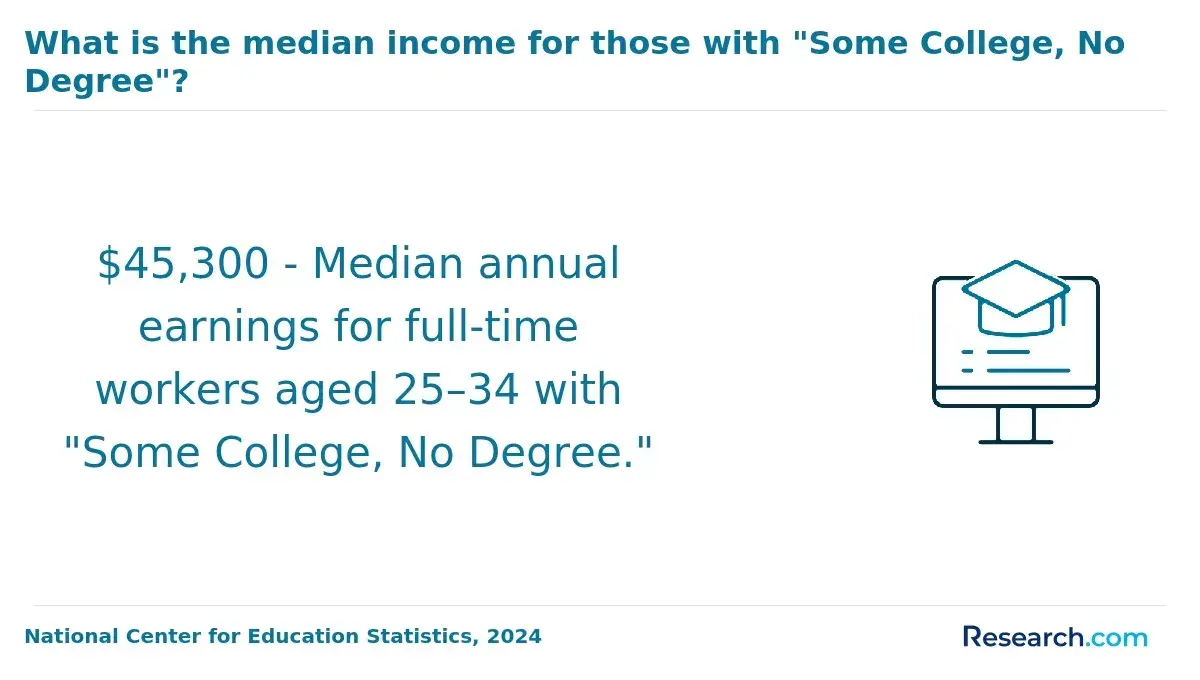
Effective public-facing health communication training hinges on combining theory with practical skills crucial for community health programs. Professionals must navigate complex challenges such as crafting culturally sensitive messages that resonate across literacy levels, managing crisis communications during public health emergencies, and countering misinformation rapidly, as demonstrated in vaccination campaigns. Employers increasingly expect graduates not only to develop strategic messaging but also to utilize digital literacy to engage diverse audiences through social media and online platforms.
Training in practical skills for public health communication outreach often involves media relations techniques, preparing spokespersons for interviews, and leveraging data visualization tools to make epidemiological data accessible. Measuring campaign outcomes using quantitative metrics like engagement rates and behavior change is equally critical for program evaluation and accountability.
Prospective students should carefully weigh the cost-to-benefit ratio; for example, Southern New Hampshire University charges about $354 per undergraduate online credit, summing to roughly $42,480 for a 120-credit degree. This investment must be considered in light of job market realities where roles requiring these skills tend to offer salaries surpassing typical community health positions. Those exploring career transitions may find related pathways such as online nursing programs for non nurses relevant depending on their goals and prior experience.
How does online study compare with campus classes?
Flexibility remains the defining advantage of online study compared with campus classes in community health programs, especially for professionals balancing irregular work or caregiving schedules. For instance, a public health outreach worker enrolled in Northwest Missouri State University's fully online B.S. in Public Health program can maintain employment while advancing academically under a 2.0 minimum GPA framework ensuring accessible rigour. This flexibility suits those pursuing a strategic pivot who cannot commit to fixed daytime class hours.
However, differences between online and traditional community health education extend beyond scheduling. Employers increasingly value remote work skills and digital communication proficiency developed through online formats, but the absence of real-time interaction may reduce opportunities for spontaneous networking and immediate feedback-elements integral to mastering interpersonal and engagement competencies vital in community health roles.
Online programs often leverage asynchronous content that permits repeated review of complex topics, supporting technical mastery. Yet, fully online curricula must transparently provide practical skill-building mechanisms to parallel campus-based practicum experience. Students with limited self-discipline or who prioritize immersive community interaction may find campus classes better aligned with their needs.
Those evaluating options should consider their goal orientation, discipline, and desired interaction level. For accelerated advancement, options like a 6-month RN to BSN program illustrate how condensed online pathways cater to workforce demands while requiring robust self-management strategies.
What courses are in the curriculum?
Bachelor's degrees in community health focusing on public-facing communication must balance rigorous analytical training with sector-specific messaging skills to meet employer demand. Core coursework typically includes epidemiology, biostatistics, health behavior theory, and environmental health, providing frameworks sought by public health departments and nonprofit agencies. However, managing the sequencing between quantitative STEM subjects and communication-oriented humanities courses creates a logistical challenge for students navigating these dual skill sets.
Public health communication classes-covering health literacy, media advocacy, and risk communication-train students to design targeted messaging that addresses misinformation and promotes preventive health effectively. For instance, applying risk communication techniques can directly impact vaccine uptake in a local community, a tangible example of aligning educational content with workforce priorities.
Electives in global health policy, program planning, and health promotion complement core skills by preparing students to develop and evaluate interventions that engage diverse populations. Such practical scenarios cultivate competencies required for roles that demand both community engagement and policy advocacy.
Quantitative proficiency remains essential, as employers expect evidence-based decisions supported by sound data analysis and health informatics knowledge. According to 2024 ZipRecruiter data referenced by San Jose State University, Bay Area public health graduates earn an average of $93,000 annually, underscoring market recognition of these integrated capabilities.
Students considering this pathway must weigh the tradeoff between acquiring comprehensive interdisciplinary competencies and the increased academic complexity it entails. Programs offering blended learning or adapted pacing can mitigate these challenges and enhance completion rates.
What admission requirements do schools usually set?
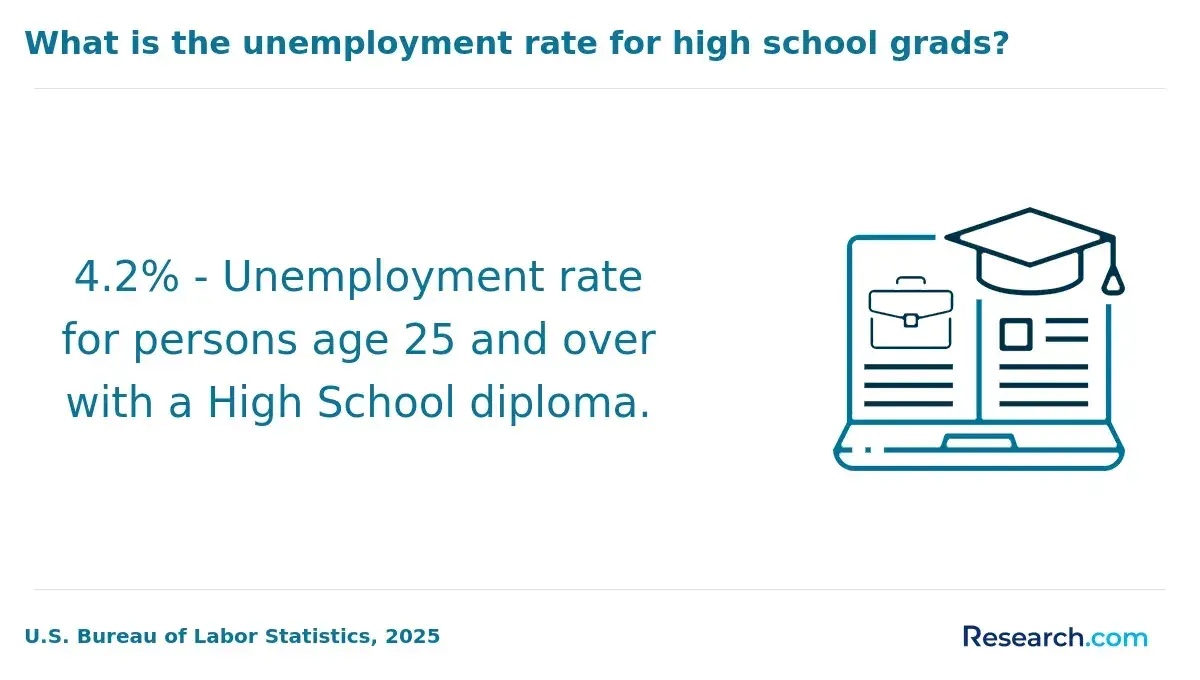
Admission into online bachelor's programs focused on community health with an emphasis on public-facing health communication demands verified academic readiness combined with relevant practical experience. Candidates must hold a high school diploma or equivalent, ideally backed by coursework in biology, social sciences, and English, ensuring they possess foundational knowledge for understanding health behaviors and communication techniques.
Most programs require a minimum GPA around 2.5 to 3.0, with competitive applicants typically exceeding this. While standardized test scores like the SAT or ACT are often optional, certain higher-tier programs still mandate them. Transfer applicants with associate degrees or prior college credit need official transcripts and usually must meet a minimum of 12 transferable credits with a 2.5 GPA or better.
Practical experience remains a decisive factor. Admissions committees prioritize candidates with volunteer or work history in health outreach or patient advocacy, aligning academic study with real-world application. Many programs require background checks and immunization documentation owing to practicum site policies that significantly impact licensure and employability outcomes.
In practice, students without relevant health experience face a steeper path post-graduation, often encountering limited immediate job prospects compared to peers with demonstrated field engagement. According to Ohio University, approximately 7,800 annual openings for community health workers emphasize the need for admission selectivity to balance workforce supply and demand.
How long does the degree take and cost?
Completing an online bachelor's degree in community health with health communication training requires navigating a balance between time investment and cost commitments. While standard full-time programs last around four years, options for accelerated or part-time study significantly affect both total tuition expenditures-typically between $30,000 and $60,000-and career entry timelines. For instance, working professionals taking part-time courses may reduce financial strain upfront but face delayed full-time employment opportunities.
Employers commonly expect candidates to combine a bachelor's degree with practical communication skills to engage diverse populations effectively. This expectation elevates the value of accredited programs offering applied training, especially as job growth in community health roles is projected at 11.3% by the U.S. Bureau of Labor Statistics. Median salaries near $51,030, as reported by ASU Online, help contextualize this investment relative to local market demand.
Financial planning should factor in more than tuition, accounting for technology fees, course materials, and potential internship requirements. Public universities often provide lower in-state tuition, an important consideration for cost-efficiency. Transfer credit policies and program flexibility also impact duration and expense.
What jobs can graduates pursue?
Graduates holding an online bachelor's in community health with a focus on public-facing health communication enter a specialized niche where crafting targeted, culturally aware messaging is paramount. For instance, a health communication specialist in a municipal health department must prioritize audience-specific strategies to effectively increase vaccine uptake rather than rely on generic health information. This role requires nuanced skills in strategic message design and behavioral influence, distinguishing it from broader health education positions.
Employment opportunities align with public health priorities, demanding proficiency in digital content creation, data-informed message adjustments, and community engagement. Candidates often encounter a challenge demonstrating measurable communication impact to employers. Experience with campaign analytics and real-time feedback is increasingly critical, especially in nonprofit sectors where grant writing and reporting emphasize communication outcomes. Healthcare organizations value professionals who can enhance patient adherence through clear and accessible messaging.
Salary entry points typically range from $45,000 to $55,000 but vary by sector and location. Advancement depends on gaining mixed-methods research expertise to refine communication strategies based on evaluation data. Graduates pursuing roles offering progressive responsibility in message development and outcome analysis stand better chances of bridging practical communication skills with leadership opportunities in the field.
How much do community health graduates earn?
Earnings for community health graduates differ significantly based on employer, location, and skillset. Median annual wages hover around $48,140, but the range extends from roughly $29,000 in the bottom decile to over $82,000 for top earners, with six-figure roles becoming accessible within five to seven years primarily in hospitals, healthcare systems, or large consulting firms. Specialized skills such as digital communication and multilingual outreach noticeably accelerate salary growth.
Entry-level salaries for bachelor's holders typically span $35,000 to $45,000, placing strategic internships and certifications as pivotal milestones for surpassing this threshold. Employers in public health stress measurable communication competencies; thus, holding relevant experience managing targeted outreach can differentiate candidates markedly.
Consider a health communication specialist in a Texas regional health department starting near $42,000, with advancement opportunities reaching $60,000 as they lead outreach campaign expansions. In contrast, peers lacking specialized communication or data analysis skills may experience slower wage progression and fewer leadership prospects.
Practical career advice for community health graduates includes building competencies in policy understanding, digital media, and community engagement. These skill areas align with employer expectations for operational flexibility and leadership readiness, which materially impacts earnings and role mobility.
What certifications or licenses may employers require?
The certification landscape for community health professionals distinctly shapes employability and role suitability, especially when balancing academic requirements with practical credentialing. Employers commonly expect the Certified Health Education Specialist (CHES) credential, which validates candidates' ability to design and assess health education initiatives aligned with organizational goals. More senior roles demand the Master Certified Health Education Specialist (MCHES), emphasizing strategic leadership and program oversight.
Positions in government agencies or clinical settings often require the Certified Public Health (CPH) certification to demonstrate foundational public health knowledge and adherence to ethical standards. Those targeting epidemiology or health informatics roles encounter an added layer of expectations, valuing credentials tied to data analysis and evidence-based communication.
Licensure remains limited at the bachelor's level but becomes critical in regulated domains such as mental health outreach or substance abuse prevention. These roles typically impose background checks, ongoing professional education, and compliance with HIPAA, which often extend beyond the degree itself.
Practical workforce realities demand that students not only meet credit-hour thresholds-Youngstown State's 120-credit requisite is a typical benchmark-but also strategically acquire professional certifications. This dual focus ensures they can navigate the complexity of public health challenges and regulatory demands, improving long-term career sustainability.
Other Things You Should Know About Community Health
Many online community health programs require hands-on fieldwork or internships to meet accreditation and employer standards. Students must carefully assess program flexibility and local placement options, as some programs have limited partnerships that constrain where or how practical experience can be completed. Deciding on a program with strong, accessible fieldwork support is essential to avoid delays in graduation and ensure skill acquisition valued by employers.
Program reputation often influences employer perception more than the mode of study. Prioritizing schools known for strong community health networks and graduate outcomes can improve job prospects, even if the program requires more on-site commitments. Convenience and fully remote options can reduce stress but may come with tradeoffs in networking opportunities and local mentorship, which are key for advancing in public-facing roles.
Online degrees can provide necessary credentials and skill refreshers for mid-career professionals, but leadership roles often demand demonstrated experience in managing public health campaigns or teams. Candidates should seek programs with opportunities for leadership skills development and real-world project leadership rather than purely academic coursework. Combining degree completion with continued on-the-job advancement will position professionals more strongly than relying on the degree alone.
References
- Public Health Communications https://courses.nextgenu.org/course/view.php
- How to Check if a Graduate Program is Accredited (and Why This Matters) | ProFellow https://www.profellow.com/tips/how-to-check-if-a-graduate-program-is-accredited-and-why-this-matters/
- What Do Colleges Look For in Students? https://www.collegedata.com/resources/getting-in/what-do-colleges-look-for-in-students
- Guide to Computer Science Degree and Program Accreditation https://www.computerscience.org/resources/college-accreditation/
- What is Program Accreditation? https://blog.spol.com/what-is-program-accreditation
- How Long Does it Take to Get a Bachelor’s Degree? https://www.pointloma.edu/resources/accelerated-undergraduate/how-long-does-it-take-get-bachelors-degree
- Health Communication for Public Awareness Training Course – British Academy For Training & Development https://batdacademy.com/en/course_details/3507/health-communication-for-public-awareness-training-course
- School admissions https://www.gov.uk/schools-admissions/admissions-criteria
- HCTS https://uthealthcomm.org/education/hcts
- Institutional vs Program Accreditation: What You Should Look For | Articles | Unimy https://www.unimy.com/article/institutional-vs-program-accreditation-what-you-should-look-for