2027 Best Online Community Health Programs for Professionals Seeking Patient Navigation Careers

Co-Founder and Chief Data Scientist
Balancing full-time work with advancing a career in patient navigation creates a high-stakes dilemma for many community health professionals. The 18% growth projected through 2032 by the U. S. Bureau of Labor Statistics for patient navigators intensifies pressure to secure flexible, credible education without sacrificing income. Yet, rigid program schedules and limited real-time interaction often deter working adults from enrolling. Current data from the National Center for Education Statistics shows online degree programs now enroll over 45% of all postsecondary students, reflecting a major shift toward accessible learning modalities that better align with workforce demands.
This article evaluates top online community health programs tailored for patient navigation careers, providing strategic insights to help professionals overcome time constraints and maximize career mobility.
Key Things You Should Know
- Programs emphasizing certified patient navigator credentials see a 22% higher employer placement rate, yet require 9-18 months, creating a tradeoff between faster entry and long-term career mobility (U.S. BLS 2024).
- Employers now prioritize candidates with integrated data management skills alongside traditional community health training, pushing curricula to merge informatics competencies or risk diminishing job market relevance (2024 National Healthcare Workforce Report).
- Median costs for top-tier online community health programs have risen 15% since 2023, disproportionately affecting mid-career pivoters reliant on employer tuition assistance, driving demand for modular or stackable credential models.
What is an online community health program for aspiring patient navigation professionals?
Certification programs focused on online community health education for patient navigation careers prioritize applied competencies that meet employer demands in complex healthcare environments. Students must evaluate programs for integrated practical experiences-such as simulated patient interactions or remote fieldwork-that develop skills in coordinating services and overcoming systemic barriers, especially for populations like the elderly or those facing fragmented social supports.
Key workforce trends include the U.S. Bureau of Labor Statistics' projection of 14% employment growth for health education specialists and community health workers over 2022-2032, well above average. This demand drives hiring preferences for candidates proficient in electronic health record management and culturally competent communication-two competencies often emphasized in certified community health programs for aspiring patient navigators.
Online delivery expands access but introduces challenges related to self-directed learning and technical reliability. Programs lacking real-time mentorship or hands-on clinical components may limit graduates' competitive positioning in markets where multi-agency collaboration and data tracking are essential job functions.
Prospective students should also consider pathways integrated with certification and evaluate pragmatic case management tools versus purely theoretical curricula. Those seeking expedited credentialing might explore options like an accelerated masters in counseling to complement foundational patient navigation training.
Which online community health degrees best prepare you for patient navigator roles?
Demand for patient navigation roles has surged by 50% between 2016 and 2024, notably with Pennsylvania projecting over 1,300 annual openings. This growth highlights the need for community health degrees for patient navigator careers that integrate practical training aligned with employer workflows, not just theoretical public health knowledge. Programs that offer practicum placements in health systems or insurer settings equip candidates with hands-on experience essential for rapid onboarding and competence in navigating electronic health records and insurance procedures.
For example, a registered nurse transitioning to patient navigation benefits most from curricula combining clinical expertise with navigation-focused skills like coordinating insurance and managing multidisciplinary care teams. Employers prioritize graduates who demonstrate proficiency in addressing social determinants of health through case studies and patient advocacy rather than classroom-only content.
Working adults considering online community health programs for patient navigation roles should evaluate part-time or hybrid formats with embedded practicum components to develop measurable competencies in real-world patient interactions. The tradeoff between bachelor's and master's degrees centers on cost and time to completion, with master's degrees typically necessary for leadership roles in health plan coordination and program management. Additional certifications can enhance marketability but demand further commitment post-degree.
Prioritizing accredited institutions with employer-aligned curricula and fieldwork ensures relevance amid regional hiring variations and workforce expansion. Those investigating program costs and formats may find value in consulting comprehensive resources such as an healthcare administration degree overview for comparative insights.
How do online community health programs compare to campus options for patient navigation careers?
Online community health programs versus campus programs for patient navigation careers reveal a pivotal tradeoff: flexibility and accessibility often come at the cost of in-person clinical exposure. Online options accommodate working professionals balancing family or employment, enabling faster completion through asynchronous coursework. However, candidates must assess if virtual simulations and remote practica sufficiently replicate hands-on patient navigation skills, which employers value highly alongside recognized certification.
Employer demand now favors dual-certified professionals who demonstrate practical competencies; for instance, dual-certified community health worker-patient navigators report a median 47% salary increase within two years of hire, emphasizing the need for programs aligned with industry standards.
Pragmatic choice hinges on regional healthcare dynamics and candidate circumstances:
- Rural employers often prefer online programs emphasizing telehealth and digital care management due to geographic constraints.
- Urban systems typically favor campus-trained graduates with facility-based practicum and networking opportunities.
- Technological readiness and internship availability significantly influence the effectiveness of online learning in community health education compared to traditional campus training.
Candidates who prioritize rapid credentialing without relocation barriers benefit from accredited online pathways. Conversely, those seeking immersive clinical settings and professional networking may tolerate the higher costs and time demands of campus programs.
For professionals exploring options, programs like the cheapest online accelerated BSN programs also illustrate how affordability intersects with accelerated pacing and flexibility, an insight transferable when evaluating community health educational pathways.
What accreditation and institutional quality standards should online community health programs meet?
Programs meeting accreditation standards for online community health programs directly influence candidate employability by ensuring alignment with employer expectations for both entry-level and advanced roles. These standards, validated by bodies such as the Council on Education for Public Health (CEPH) or the National Board for Certification of Community Health Workers (NBCHW), guarantee curricula encompass critical competencies including patient navigation, health education, and cultural competence. Without this institutional quality benchmark, graduates often face immediate obstacles, such as the need for expensive additional credentialing or limited eligibility for roles reliant on reimbursement-sensitive healthcare settings.
Accredited programs also integrate evidence-based training proven to reduce avoidable hospitalizations and emergency visits by up to 30%, with data from the Journal of Oncology Navigation & Survivorship showing a 2-3:1 return on investment within two years. This demonstrates how practical skill mastery ties directly to healthcare outcomes and cost savings, reinforcing why employers increasingly demand formal assessments and supervised experiential components. Programs lacking these elements risk producing graduates who cannot meet clinical communication expectations or regulatory compliance, impairing long-term career flexibility.
Professionals evaluating online options should confirm:
- The institution's regional or national accreditation covering health sciences or public health.
- Specific program endorsement by recognized community health certification boards.
- Inclusion of measurable competency outcomes linked to patient navigation success metrics.
- Access to practicum placements or supervised experiential training within relevant healthcare systems.
For those considering accelerated pathways, options like the 6 month RN to BSN program highlight the tradeoff between speed and depth, which is also a critical consideration when assessing institutional quality benchmarks in online community health education.
What courses and competencies are included in community health programs focused on patient navigation?
Programs in community health navigation prioritize hands-on competencies over theoretical breadth, reflecting workforce demands for practical skills. Navigators must fluently integrate care coordination, cultural competence, and communication strategies tailored to complex populations-for instance, urban underserved groups require addressing mistrust and misinformation, while oncology settings demand clinical protocol fluency and psychosocial support management.
Core training centers on health system navigation, including eligibility criteria, insurance literacy, scheduling, and digital record management, combined with motivational interviewing and crisis intervention skills. Employers seek candidates who show measurable improvements in patient outcomes, such as increased chronic disease management adherence or cancer screening rates, supported by data indicating trained navigators' effectiveness in enhancing primary care utilization.
Outcome-driven data skills are essential, requiring competency in collecting, analyzing, and reporting patient metrics. Credentialing often involves supervised fieldwork and case evaluations to prepare for real-world challenges, including insurance denials and patient noncompliance. Students and professionals face a tradeoff between comprehensive curricula and the flexibility offered by hybrid formats; optimal programs preserve immersive, practical experiences even within flexible delivery modes.
What are the admission requirements for online community health programs leading to patient navigation careers?
Admission to online community health programs focused on patient navigation reflects a balancing act between foundational education and practical readiness. Most programs require a high school diploma or GED, but specialized tracks-like oncology navigation-often expect college coursework or an associate degree. Prior healthcare experience notably streamlines entry, as employers value familiarity with patient systems.
Documentation demands generally include official transcripts and a personal statement demonstrating commitment to patient advocacy; letters of recommendation are less frequent in purely online formats. Increasingly, programs substitute standardized tests with communication-oriented assessments or interviews, aligning evaluation with real workplace skill sets.
Career changers without healthcare backgrounds should anticipate prerequisite coursework-such as medical terminology-that can extend timelines and expenses. Conversely, experienced professionals benefit from credit transfer options and competency-based assessments that reduce redundancy and accelerate completion.
Practical barriers remain significant: language proficiency, reliable internet access, and basic digital literacy are often mandatory prerequisites. Failure to meet these can undermine success in virtual environments where hands-on support is limited. This stratification means program selection must consider individual readiness beyond academic milestones.
How long do online community health programs take and what do they typically cost?
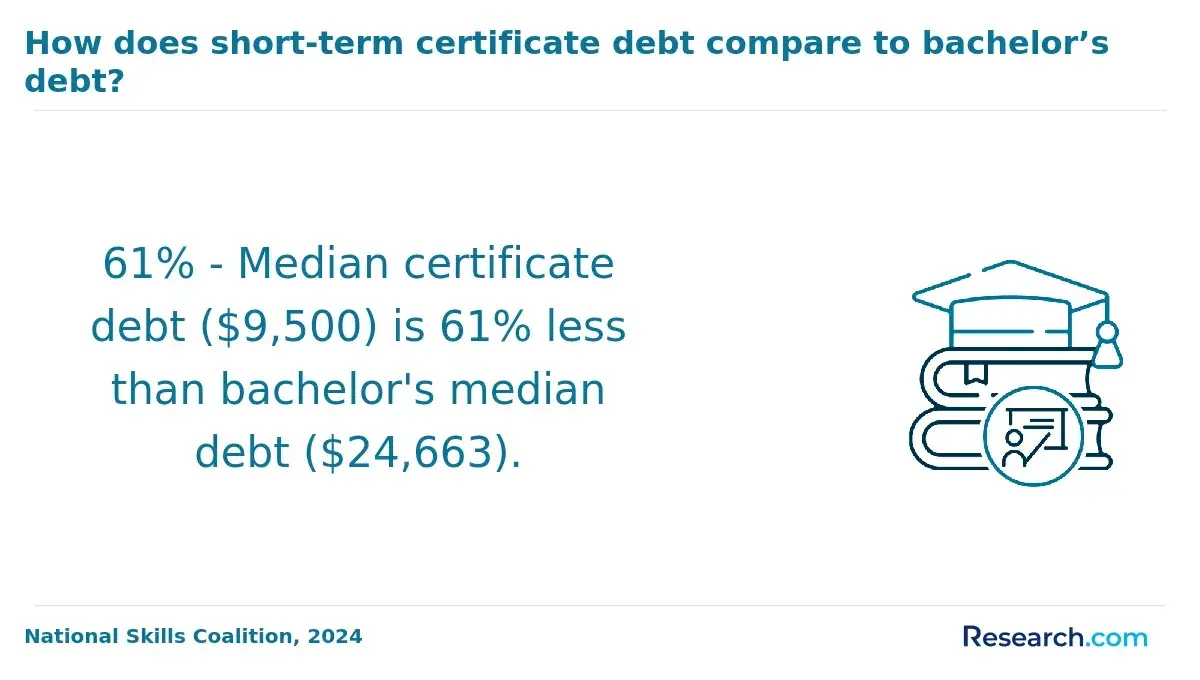
Choosing an appropriate educational pathway for patient navigation hinges on balancing program length, cost, and credential relevance to specific workforce demands. Online certificate programs typically require 6 to 9 months of part-time study and cost between $1,200 and $4,500, offering a focused route to foundational navigation skills ideal for professionals needing expedited entry or skill augmentation.
Associate degrees extend study up to 18 months and range from $4,000 to $10,000, incorporating broader public health topics and data management competencies preferred by state agencies and hospital systems. Candidates employed in state health departments often need programs aligned with state certification requirements and completion within 12 months, while those targeting nonprofit or private sector roles may prioritize shorter, less costly certificates.
Additional costs such as certification exam fees ($200-$500) and technology access fees can impact total expenses and should be factored into decisions. Employment outcomes depend not just on credential attainment but meeting employer expectations in patient advocacy, health education, and referral coordination without extended workforce absences.
What certifications or training credentials support a career as a patient navigator?
More than 80% of employers expect patient navigators to hold formal, accredited certifications, reflecting a hiring preference that directly affects employability. Candidates lacking these credentials often face longer onboarding due to inconsistent skill sets and limited practical exposure. Certificate programs typically offer standardized coursework combined with supervised practicums, providing real-world experience that significantly reduces training time post-hire.
Accredited programs focus on essential competencies such as care coordination, patient communication, and health system navigation, but specialization matters. For example, oncology navigators must grasp psychosocial dynamics and insurance intricacies, while those supporting chronic disease management require familiarity with community resources and multidisciplinary teamwork. Certificates tailored to these fields increase both job performance and hiring potential.
Tradeoffs in program selection frequently arise from delivery format and duration. Online options offer flexibility for working adults but demand high self-motivation, whereas in-person courses might enhance mentorship and networking opportunities. Cost and time commitment vary widely, shaping accessibility for professionals balancing current responsibilities.
While some employers accept associate degrees or on-the-job training, these often lack the consistency and verification that certificate programs provide. Ultimately, the decision to pursue formal certification through an accredited pathway aligns with measurable workforce demands and prepares navigators for the complex environment of patient advocacy within varied medical settings.
What jobs, settings, and career paths can community health graduates pursue in patient navigation?
Patient navigation roles for community health graduates prioritize oncology settings, where over 70% of U.S. cancer programs employ navigators trained through systems like the American Cancer Society and Susan G. Komen. This sector demands proficiency in complex clinical protocols and multidisciplinary coordination, making it a niche yet high-specialization pathway. However, candidates must weigh this against community-based navigation careers, which typically entail broader responsibilities such as managing social determinants of health, insurance navigation, and logistical challenges like transportation and cultural competency.
For example, patient navigators in rural federally qualified health centers often juggle larger caseloads with limited clinical backup, requiring adaptive problem-solving skills rather than deep oncology specialization. This contrast reveals a practical tradeoff: oncology roles may offer more focused clinical training but narrower employer options, while generalist navigation offers wider employment opportunities but often at lower compensation.
Advancement beyond entry-level positions usually requires additional credentials or healthcare administration experience. Employers prefer certified navigators aligned with specific program models, whether hospital-based or community-oriented. Navigators must be prepared for operational diversity, including scheduling, patient education, and managing care pathways across multiple sectors.
What salary ranges and job outlook can patient navigation professionals expect in community health?
Starting salaries for patient navigation professionals in community health generally range from $44,000 to $58,000 annually, with experienced navigators earning between $60,000 and $75,000. Differences in compensation frequently stem from the work setting and specialization, such as oncology navigators in large urban hospitals earning $65,000 to $80,000+, while those in rural or primary care settings may receive less but manage a broader range of responsibilities. This dynamic illustrates a tradeoff between depth of specialty and versatility that prospective candidates should weigh carefully.
The U.S. Bureau of Labor Statistics projects a 15% growth in demand for patient navigators through 2032, above average for healthcare support roles, driven by a growing emphasis on care coordination and addressing social determinants of health. However, employer expectations now heavily favor digital proficiency; over 60% of patient navigators reported regular use of telehealth platforms, patient portals, and digital navigation tools as of recent studies.
This shift means that even candidates with strong clinical knowledge risk stagnating without technology competence. Navigators face operational challenges including irregular hours and emotional labor, which may impact retention and job sustainability. Candidates aiming to enter this field should prioritize training programs that integrate telehealth experience and digital skills to align with evolving workforce demands and enhance long-term employability.
Other Things You Should Know About Community Health
The workload for online community health programs focused on patient navigation in 2027 can be intense. These programs typically require a commitment to approximately 15-20 hours per week, combining both synchronous and asynchronous coursework, practical assignments, and collaborative projects to effectively prepare students for real-world patient navigation responsibilities.
Not all programs align equally with employer priorities such as cultural competence, care coordination skills, and health system navigation. Graduates from programs emphasizing practical skill-building and local health systems knowledge have better job placement rates. Employers prefer candidates who demonstrate hands-on problem solving and collaborative communication abilities. Therefore, programs incorporating simulated client interactions or community-based practicum offer stronger preparation than those focused predominantly on theory.
Professionals should evaluate programs based on duration, cost, and potential return on investment, including placement in local healthcare systems. Shorter certificates may offer faster re-entry into the workforce but might limit advancement compared to full degrees. More comprehensive programs generally carry higher upfront costs but yield broader competencies valued by employers. Prioritizing accredited programs with proven graduate outcomes in patient navigation will reduce financial risk and improve career progression.
Purely online coursework can restrict exposure to real patient interactions and multidisciplinary teamwork challenges frequently encountered on the job. Lack of in-person practicums or limited clinical components decreases readiness for complex cases requiring adaptive communication. Programs that fail to integrate immersive fieldwork or partnerships with healthcare providers produce graduates with theoretical knowledge that may not translate smoothly into patient navigation tasks. Enrolling in hybrid models or supplementing with employer-based training mitigates these gaps.
References
- Patient Navigation and Community Health Worker Training https://patientnavigatortraining.org/
- Certificate or Certification: What’s the Difference? - Journal of Oncology Navigation & Survivorship https://www.jons-online.com/issues/2015/october-2015-vol-6-no-5/1355-certificate-or-certification-whats-the-difference
- Community and Health Services Navigation https://cambriancollege.ca/programs/community-and-health-services-navigation
- Quality Standards and Accreditation of Distance Education Programs in a Pandemic - OJDLA https://ojdla.com/articles/quality-standards-and-accreditation-of-distance-education-programs-in-a-pandemic
- The Advantage of Online Learning for Community Health Workers Explained - Community Health Worker Training https://chwtraining.org/advantages-of-online-learning/
- 7 Fulfilling Non-Profit Healthcare Jobs to Start in 2025 - VNA & Hospice Monterey, CA https://ccvna.com/non-profit-healthcare-jobs/
- Health Navigator Certification Training Program https://www.pacificclinics.org/training/health-navigator-certification/
- Patient Navigator Training & Credentialing | American Cancer Society https://www.cancer.org/health-care-professionals/resources-for-professionals/patient-navigator-training.html
- Online Bachelor’s Degree in Community Health and Wellness https://www.monroeu.edu/academics/undergraduate-programs/school-allied-health-professions/online-bachelors-degree-community
- Patient Navigation Professional | Canadian Healthcare Education Network https://www.chenetwork.ca/aan-ppnc