2027 Community Health Specializations That Best Match Public Health Support Careers

Co-Founder and Chief Data Scientist
Professionals seeking to pivot into public health support roles often face a tangle of program options with opaque outcomes, complicating timely workforce entry. Recent data from the National Center for Education Statistics shows a 32% rise since 2020 in enrollment among adult learners pursuing flexible online community health specializations, reflecting shifting demands for accessible, career-relevant credentials.
This trend reveals a widening gap between traditional degree formats and labor market readiness, especially as employers prioritize practical skills delivered through adaptable learning models. This article examines community health specializations that align closely with public health support careers, guiding candidates through choices that optimize employability and educational efficiency.
Key Things You Should Know
- Advanced epidemiology specializations show 22% higher long-term salary growth but require 18-24 months additional training, posing tradeoffs between immediate employment and longitudinal career earnings, per 2024 Bureau of Labor data.
- Employers increasingly prioritize candidates with integrated behavioral health credentials alongside community health expertise, reflecting a 35% rise in interdisciplinary role listings in federal health workforce surveys since 2023.
- Access barriers for underrepresented students remain acute in specialized community health fields due to the 40% average tuition increase in top programs from 2022 to 2025, limiting timely career pivots.
What are the main community health specializations that align with public health support careers?
Choosing specializations within community health aligned with public health support roles necessitates weighing employer expectations against practical deployment realities.
Health education and promotion specialists face the challenge of creating tailored interventions for diverse populations, often adjusting messaging for varying health literacy levels, as seen when working in federally qualified health centers. This specialization demands thorough understanding of behavior change theories and culturally competent communication.
Epidemiology support positions prioritize technical expertise with data collection and analysis to guide timely health interventions. Unlike broader health education roles, these positions require proficiency in data management tools and precise interpretation to detect and address outbreaks or disparities.
Health program coordination emphasizes organizational skills such as grant management, budgeting, and compliance monitoring-competencies often underrepresented in entry-level training but critical for impactful program execution.
Candidates contemplating these pathways must consider median wage data for community health workers, which is $51,030 annually as of May 2024, reflecting a balance between salary expectations and the demanding nature of these roles.
These distinctions illustrate the nuanced tradeoffs within key community health fields aligned with public health support roles, guiding candidate decisions toward suitable credentials and competencies.
For those exploring further credentialing options, particularly in health information management, prospective students might investigate online health information management programs CAHIIM accredited as a complement to community health specializations.
Which degrees in community health best prepare you for entry-level public health support roles?
Degrees specializing in maternal, child, and family health within community health programs offer distinct advantages for entry-level public health support roles. Candidates with these focused credentials typically meet employer expectations more precisely than generalist community health degrees for public health careers.
This specialization aligns skill development with practical needs such as health education, case management, and outreach tailored to vulnerable groups, including pregnant women and children.
Entry-level public health support community health programs that incorporate practicum experiences in clinical or community settings significantly enhance employability by providing hands-on competencies. Without such exposure, graduates risk being outcompeted due to a lack of real-world problem-solving skills that employers prioritize in care coordination and resource navigation.
Key workforce implications include addressing shortages in maternal and family health sectors where demand drives salaries ranging from $60,000 to $170,000. Students should consider how well a program balances theoretical knowledge of social determinants of health with applied fieldwork to maximize impact.
The tradeoff often emerges between broader community health tracks versus targeted pathways that streamline transition into roles like community health worker or public health assistant.
Students also benefit from evaluating options such as bachelors healthcare administration programs when seeking accelerated or complementary credentials to strengthen their public health career trajectory.
How do community health specializations differ in job duties, work settings, and populations served?
Choosing a specialization within community health specializations job duties and responsibilities carries significant implications for career trajectories, employer expectations, and workplace environments. Behavioral and mental health roles, for instance, demand proficiency in clinical assessment and counseling, often in unpredictable settings such as outpatient clinics or correctional facilities.
This contrasts with epidemiology or environmental health careers focusing on data analysis and policy development typically housed in government or research institutions.
Populations served by community health roles further differentiate these paths. Substance abuse counselors tend to work directly with adults or adolescents in recovery programs, necessitating crisis intervention skills and personalized communication strategies.
In contrast, public health educators engage broader audiences-schools and community organizations-prioritizing preventive health outreach rather than individual clinical interaction.
Worker demand and compensation align with these distinctions. Behavioral and mental health counselors report a median salary of $53,710 and an 18% projected job growth from 2023 to 2033, signaling strong labor market momentum driven by heightened mental health awareness.
Conversely, roles like community health workers in chronic disease prevention generally offer steadier schedules and focus on sustained lifestyle interventions, appealing to those seeking less emotionally taxing environments.
Vocational decisions require weighing factors such as tolerance for clinical exposure, population focus, and work environment stability, all shaping long-term employability and satisfaction. For those considering practical pathways into this field, exploring online accelerated nursing programs for non nurses may present efficient alternatives aligned with evolving workforce demands.
What education and training do you need to start a community health support career?
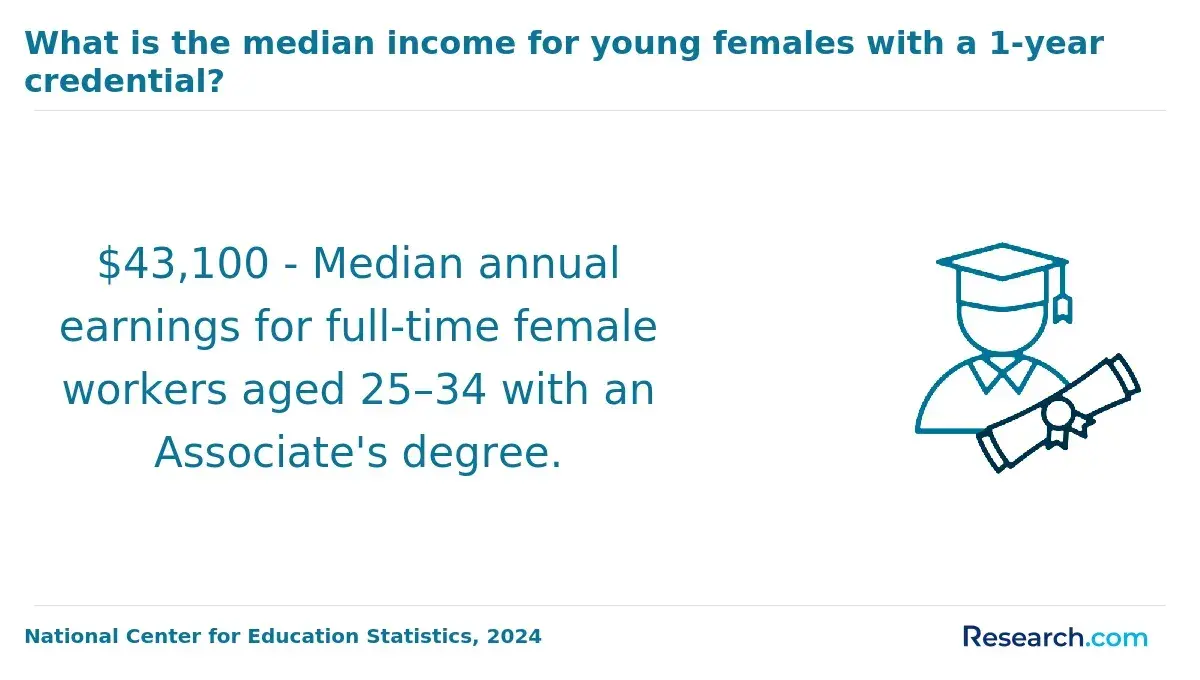
Starting a community health support career demands more than mere academic credentials; employer preference heavily favors candidates with practical experience and targeted certifications. While an associate or bachelor's degree in public health or closely related fields forms the foundational education, the trajectory and employability vary significantly between these levels.
Entry-level roles such as health coaches-key players in chronic disease prevention-require practical training in health behavior, epidemiology, and communication skills, often verified by internships or accredited certification programs focused on health promotion and lifestyle management.
Employers frequently require certification, which, although optional, enhances job prospects by demonstrating competencies like motivational interviewing and chronic disease risk reduction. Candidates without a four-year degree often encounter barriers beyond entry-level work, given that many grant-supported initiatives and employers prioritize bachelor's degree holders for advancement.
The standard progression includes:
- Completion of an associate degree in a relevant health field.
- Obtaining a certification as a health coach or community health worker.
- Accumulating supervised field experience or internships.
- Advancing to a bachelor's degree for leadership opportunities.
Integrating data collection and electronic health record system proficiency is increasingly common, reflecting the sector's reliance on technology for outreach and evaluation. This practical skillset must be weighed against education costs and timelines when evaluating training programs for community health support professionals.
For those considering further advancement, flexible pathways like an RN to BSN no prerequisites program may offer strategic options.
How do online community health programs compare with campus-based options for these specializations?
Choosing between online and campus-based community health programs hinges on practical skill acquisition versus flexible delivery. Campus-based options remain essential for mastering hands-on techniques in environmental and occupational health, as they provide direct access to laboratories, site visits, and supervised fieldwork aligned with employer expectations.
Graduates are often required to demonstrate proficiency with field instruments and compliance standards, making campus internships critical for readiness in roles with salaries ranging from $65,000 to $130,000, according to the University of Michigan's public health career data.
Online programs offer strong epidemiology and policy instruction but generally place the responsibility on students to secure local practicum settings, which can complicate and extend the timeline to completion. For example, a professional specializing in industrial hygiene may encounter delays in obtaining necessary field experience or equipment access through online study, impacting job placement speed.
Key considerations include:
- Campus programs facilitate employer-aligned internships and networking, accelerating employment prospects.
- Online study suits those balancing work commitments but risks gaps in experiential learning.
- The highest salary and specialized positions favor candidates with verified field training and direct mentorship.
Prospective students must critically weigh the tradeoff between convenience and the immersive, regulated training fundamental to advancing in community health careers.
What core courses and skills are taught in community health specializations tied to support roles?
Effective education in community health prioritizes integration of robust data skills with an understanding of social determinants impacting health equity. Core coursework typically centers on epidemiology, biostatistics, and health data analytics, equipping students to translate quantitative findings into actionable public health interventions.
For instance, a professional working on a local vaccination drive must not only analyze infection trends but also communicate insights to community stakeholders to improve outreach efficacy.
Beyond technical proficiency, programs emphasize ethical data management, cultural competence, and navigating resource constraints common in public health settings. Balancing analytical rigor with field-based experience-such as internships or applied projects-is essential to meet employer expectations for agility in diverse operational environments.
Workforce data from the University of Michigan School of Public Health Career Fields Overview reveals salaries in health data science and research roles ranging broadly from $60,000 to $170,000, underscoring demand for expertise in outbreak modeling, surveillance, and advanced computational tools.
These figures signal that advanced quantitative skills paired with practical implementation capabilities represent significant leverage in the labor market.
Students considering this pathway should weigh the tradeoff between technical training and the often overlooked need for program implementation experience and ethical communication. Forgoing applied experience can hinder effectiveness in public health agencies where data must directly inform programs serving diverse populations.
What are the typical admission requirements, program length, and costs for community health degrees?
Admission to community health degree programs typically requires a high school diploma for undergraduate entry or a relevant bachelor's degree for graduate-level study, with minimum GPAs around 2.5 to 3.0 and background coursework in biology, statistics, or social sciences. Working professionals aiming to pivot into public health support roles often face the challenge of balancing part-time or online study formats with demonstrating a foundational knowledge base and effective time management.
Program length affects both depth and career eligibility: bachelor's degrees usually span four years, while master's degrees require two years full-time. Accelerated certificates or shorter programs reduce time investment but can limit exposure to comprehensive competencies necessary for certifications like Certified Health Education Specialist (CHES), which many employers value.
Cost varies widely by institution type-public universities often charge between $7,000 and $15,000 annually for in-state students; private schools frequently range from $20,000 to $40,000. Online programs may present lower per-credit fees but require scrutiny of their market recognition.
Graduates targeting positions such as medical and health services managers should consider median salaries near $117,960, coupled with projected robust job growth, as a critical factor in return on educational investment.
Real-world experience through internships or practicum placements integrated with community organizations or health departments substantially enhances employment prospects. Students without prior applied experience must anticipate additional costs for textbooks, certification exams, and possibly unpaid fieldwork while evaluating total educational expenses.
What certifications or licenses are commonly required for community and public health support jobs?
Certification requirements in community and public health roles vary considerably depending on specialization and employer expectations, influencing employability and geographic flexibility. For example, frontline community health workers (CHWs) commonly must obtain the Certified Community Health Worker (CCHW) credential in states with formal programs; this certification validates skills in outreach and client connection but may restrict practice to those states.
Registered nurses transitioning into public health support often pursue Public Health Nursing (PHN) certification to meet licensure renewal mandates and demonstrate population health competencies.
Beyond basic credentials, employers typically expect certifications such as CPR and Basic Life Support (BLS). More advanced certifications like Certified Health Education Specialist (CHES) or Certified in Public Health (CPH) are advantageous for professionals involved in education or program coordination but require time and financial commitment with varying returns depending on career focus.
In roles tied to global health or international NGOs, language proficiency and cultural competency certifications supplement health credentials to improve effectiveness across diverse populations.
According to the Minnesota State Public Health Today career guide, global health professionals earn an average annual salary of $83,610, illustrating how targeted certifications can enhance earnings in specialized subfields.
Additional employer prerequisites often include background checks and vaccination records, emphasizing the importance of balancing certification investment against specific job criteria and mobility considerations. Candidates must weigh whether broader certifications like CPH justify costs relative to more localized licenses that may limit their career reach.
What salaries and advancement opportunities can you expect in community health support careers?
Entry-level roles in community health support often center on digital health navigation and patient advocacy, with median salaries near $37,000 according to University of San Diego data. Employers now expect candidates to blend interpersonal communication skills with technical proficiency across healthcare platforms, directly influencing promotion opportunities.
Advancement beyond frontline positions typically involves gaining certifications or specialized training in areas like health information management or chronic disease management.
Transitioning into roles such as care coordination, public health program administration, or data analysis brings salaries rising into the $50,000 to $65,000 range, based on Bureau of Labor Statistics projections for 2024-2026. These functions demand a more strategic skill set including policy interpretation, health education, and community outreach planning.
Practical growth paths vary by employer type: nonprofit and government sectors offer more defined but slower salary progression, whereas private healthcare systems prioritize adaptable, tech-savvy professionals capable of leading digital transformation efforts.
Professionals often encounter a tradeoff between maintaining frontline patient interaction and managing increased administrative responsibilities, requiring continuous skill upgrading. Aligning credentials with employer technology platforms and keeping pace with digital health trends are critical for accessing roles with higher compensation and influence, such as digital care coordinator or health program analyst.
How can you choose an accredited, reputable community health program that matches your career goals?
Choosing an accredited community health program requires assessing how well its curriculum aligns with specific career trajectories and regional labor needs. Accreditation is essential not just for employer recognition but also to secure certifications relevant for positions like research coordinators, who earn a median salary of $52,000 annually according to the University of San Diego.
Programs offering hands-on internships or field experiences in community-based research provide a tangible advantage, especially for roles managing clinical or public health studies.
Different job focuses demand distinct program strengths. For example, targeting evaluation and data management roles means prioritizing coursework in quantitative methods, biostatistics, and epidemiology. Those aiming for community outreach or education should seek programs emphasizing behavioral science and communication skills.
Employability metrics such as graduate job placement within 6 to 12 months are crucial. Institutions with partnerships in government health agencies or non-profits typically facilitate better access to real-world projects and job networks. Working professionals must also weigh program format-online or hybrid models with asynchronous study offer flexibility without extending time to degree completion.
Ultimately, selecting a program with practical training, relevant specialization, and clear graduate outcomes improves chances of meaningful employment and long-term career viability in community health.
Other Things You Should Know About Community Health
Employers consistently prioritize candidates with verifiable practical experience, such as community-based internships or volunteer work, over academic credentials alone. While degrees establish foundational knowledge, job readiness depends heavily on demonstrated applied skills and local engagement. Candidates should seek programs that integrate hands-on projects or partnerships with public health organizations to improve employability and meet employer expectations.
Specializing too early may limit flexibility if career goals shift, since narrow focuses often require additional education for transition to other roles. Conversely, a broader public health foundation offers adaptability and a wider job market but may reduce depth in technical skills valued by niche employers. Students should weigh their long-term career vision; those aiming at specific community health support roles should pursue targeted specializations, while others may benefit from broader public health curricula.
Certificates often provide quicker entry into support roles but lack the comprehensive training and recognition of degree programs, limiting advancement potential. Degree programs deliver more robust theoretical and applied learning, improving eligibility for supervisory positions and career growth. Students focused on immediate employment might start with certificates, but those seeking sustainable career advancement should prioritize accredited degree programs that offer experiential components.
References
- Types of Social Workers: Exploring the Many Fields in Which They Serve https://www.umassglobal.edu/blog-news/types-of-social-workers
- How to progress your career in Adult and Children's Social Care - Compass Associates https://compass-associates.com/insight/progressing-your-career-in-social-care/
- How to Progress in Your Health and Social Care Career? https://www.twclondon.org.uk/blogs/health-and-social-care-career-progression
- How to Become a Community Health Nurse https://www.allnursingschools.com/specialties/community-health-nurse/
- Explore Public Health Careers - Public Health https://www.publichealthonline.org/careers/
- Public Health Needs People With Diverse Skills and Backgrounds—Here Are 9 Careers to Consider https://careercenter.emmanuel.edu/blog/2025/10/23/public-health-needs-people-with-diverse-skills-and-backgrounds-here-are-9-careers-to-consider/
- How to Set and Achieve Career Goals in Health and Social Care | Royal Open College https://royalopencollege.org/blog/health-and-social-care/how-to-set-and-achieve-career-goals/
- What Skills Are Needed for Public Health Jobs? https://zabeelinstitute.ae/blog/skills-needed-for-public-health-jobs/
- Community Health Worker https://ace.edu/student-success/career-guides/community-health-worker/
- Is an MPH in Community Health Right for You? https://masterspublichealth.com/mph-in-community-health/