2027 Best Online Community Health Programs for Mission-Driven Professionals

Co-Founder and Chief Data Scientist
Facing mounting demands for flexible schedules and practical credentials, many professionals balancing work and family struggle to find online community health programs that align with their career goals without sacrificing quality or accreditation. The National Center for Education Statistics reports a 24% surge in adult enrollment in fully online health-related bachelor's and master's programs since 2022, signaling a shift toward programs that accommodate career mobility and evolving workforce needs.
Yet, not all offerings meet employer expectations or leverage the most efficient curricular designs. This article evaluates the best online programs, equipping readers to select pathways that optimize accessibility, employability, and real-world impact.
Key Things You Should Know
- Graduate employment rates for mission-driven community health roles peaked at 72% within 12 months post-completion in 2025, per National Center for Education Data, yet shorter programs risk skill gaps limiting advancement.
- Employers now prioritize community health certifications aligned with social determinants expertise-70% of nonprofit recruiters in 2024 require demonstrated policy impact experience, intensifying candidate differentiation.
- Median program costs surged 14% since 2023, tied to accreditation demands and tech integration, creating access barriers that slow career pivots for lower-income, mid-career professionals.
What is an online community health degree and who is it best suited for?
Professionals pursuing an online community health degree must weigh its operational flexibility against the need for practical experience, often through virtual internships or project-based assessments. This pathway suits working adults aiming to shift into health services management roles without leaving current employment, especially because employers value candidates who pair theoretical knowledge with hands-on skills. For instance, a registered nurse could leverage such a program to gain competencies in health promotion and resource coordination, aligning with hiring demand driven by approximately 23.2% job growth projections for medical and health services managers.
The best online community health programs for working adults emphasize curricula updated to include data analytics, health equity, and responses to present health challenges, ensuring graduates remain competitive. Graduates able to demonstrate relevant experience alongside their degree often find pathways into nonprofit leadership, government agencies, or healthcare institutions. The degree's design allows real-time application of concepts, creating immediate career impact and bridging gaps created by workforce expansion and evolving regulations.
Cost-effectiveness and remote accessibility distinguish online options from traditional degrees, but candidates should critically assess program quality, especially regarding experiential learning opportunities. Understanding these tradeoffs is essential for informed decision-making. Also, healthcare employers tend to prioritize candidates familiar with the health information management job description and salary expectations, a valuable insight for aligning career goals with market realities. For detailed data on these roles, consult the health information management job description and salary.
How do online community health programs compare to on-campus options for quality and flexibility?
Online community health programs offer flexibility without sacrificing core academic quality, but they demand heightened self-discipline and proactive engagement to match traditional campus experiences. Accredited online programs align curricula with on-campus standards, using virtual labs and interactive modules to build comparable skills. However, the depth of experiential learning often depends on students securing local clinical placements independently, a factor that can influence employability outcomes.
Employers increasingly favor candidates demonstrating measurable competencies and relevant certifications over the program delivery mode. For working professionals balancing career and family, the flexibility of online community health education compared to campus programs provides an essential pathway for continuous skill development without interrupting employment. This is particularly relevant as labor markets expand; for example, California expects a 13% growth in community health worker roles by 2035, with approximately 27,000 openings starting near $57,000 annually.
Prospective students should evaluate these dynamics closely when considering educational options. For more insight on selecting programs, consider resources such as the best schools for healthcare administration online.
Which accredited schools offer the best online community health programs in the United States?
Choosing from top accredited online community health degree programs in the US requires balancing cost, curriculum relevance, and practical accessibility. Institutions like the University of North Carolina at Chapel Hill, Johns Hopkins University, and the University of Florida offer programs calibrated to employer needs, emphasizing skills such as epidemiology, health policy analysis, and community-based interventions crucial for entry- to mid-level roles in public health, government, and non-profits. These programs often involve partnerships with local agencies, imposing geographic and scheduling obligations that must align with student circumstances.
Affordability is a decisive factor, with 2024 data indicating that average annual in-state tuition at leading online public health bachelor's programs ranges from $8,000 to $12,000-a notably narrower and lower band compared to the national average public four-year tuition range of $11,560 to $28,840. Mid-career professionals, such as a community organizer pivoting to public health administration, can leverage this financial advantage combined with relevant coursework to upskill efficiently without excessive debt.
Prospective students evaluating the best online community health schools in the United States must consider asynchronous delivery, practicum logistics, and residency rules affecting tuition. Employers increasingly favor graduates from accredited, evidence-based online programs that demonstrate hands-on preparedness. For those seeking broader credentials in related fields, exploring a healthcare administration masters may offer complementary pathways.
What types of community health degrees can you earn fully online?
Online bachelor's and master's community health degrees offer viable pathways to skill development and employment in public health and related sectors, but practical outcomes hinge on program specificity and market alignment. For instance, a working nurse in a rural area can pursue a Master of Public Health focused on community health entirely online, balancing job demands while gaining competencies in managing initiatives for underserved populations.
Fully online community health degree programs typically cover foundational topics such as epidemiology, health behavior, and program planning at the bachelor's level, with master's curricula advancing to data analysis, cultural competency, and community assessment. These curricular elements meet employer expectations for roles that require leadership, research, or policy work. Yet, prospective students must weigh the limited availability of onsite practicums, often necessary for accreditation, against program flexibility and asynchronous course delivery.
The U.S. Department of Health and Human Services highlights that community health workers trained in culturally and linguistically appropriate services are measurably more employable, especially in states anticipating double-digit growth in CHW roles through 2030. Candidates should verify if programs support local placements or virtual alternatives for practicum requirements, as this factor significantly impacts timely program completion and job readiness.
Considering RN to BSN no prerequisites options often complements this pathway, providing stepping stones into community health careers. Ultimately, graduates who earn accredited degrees integrating these key competencies report stronger career trajectories and improved salary prospects within healthcare systems and public health agencies nationwide.
What courses and specializations are typically included in an online community health curriculum?
Community health curricula align closely with workforce demands, but students must weigh program content and delivery modes to navigate real-world employment challenges. Emphasizing Health Policy and Management typically offers clearer paths to supervisory roles and higher wages-about a 23.2% job growth rate and $117,960 median salary-than focusing solely on clinical research tracks.
Core courses like Epidemiology and Biostatistics build analytical skills essential for interpreting health data and shaping prevention strategies, yet these foundational subjects alone rarely secure competitive positions without applied management expertise.
Specializations such as Global Health and Health Promotion target distinct sectors, including international agencies and community intervention design, but success depends on integrating practicum or capstone experiences that demonstrate practical leadership and program implementation skills employers prioritize. Employers increasingly expect candidates to bring both policy understanding and hands-on applied training, making credential choices a strategic tradeoff between foundational knowledge and market-ready management competencies.
What admission requirements do online community health programs usually have for adult learners?
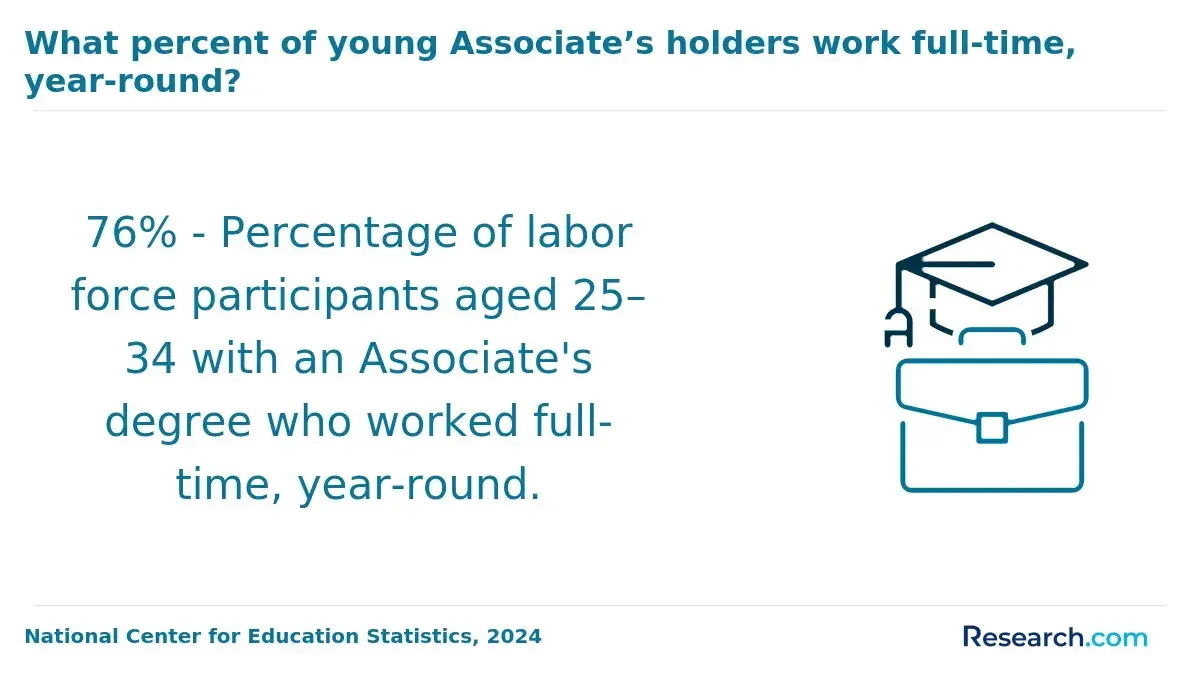
Admission to online community health programs for adult learners requires more than meeting baseline academic standards; practical experience and alignment with employer expectations often dictate success. A bachelor's degree in related fields-health sciences, nursing, social work, or public health-is a baseline, but applicants must demonstrate meaningful engagement through a personal statement and documented work or volunteer experience. These elements carry weight because community health employers prioritize candidates who integrate real-world understanding with graduate-level study.
Standardized tests like the GRE are increasingly optional, acknowledging professionals balancing employment, but competitive applications still benefit from strong scores and targeted letters of recommendation from supervisors or practitioners in relevant sectors. This provides actionable validation of a candidate's capacity to manage graduate coursework while demonstrating leadership potential.
Technical readiness is non-negotiable; reliable internet and hardware support synchronous learning and virtual simulations essential to these programs. Additionally, background checks and immunization records often affect admission timing due to practicum or fieldwork requirements, making upfront preparation a critical factor.
For example, a registered nurse seeking a community health coordinator role must substantiate clinical experience with community outreach expertise. Without this, candidates risk conditional acceptance or delays. The sector's growth, with job expansions between 4.6% and 11.3% and salaries topping $65,000 per Arizona State University projections, underscores that programs value applicants whose credentials directly address evolving care coordination and advocacy demands.
How long do online community health programs take and what do they cost?
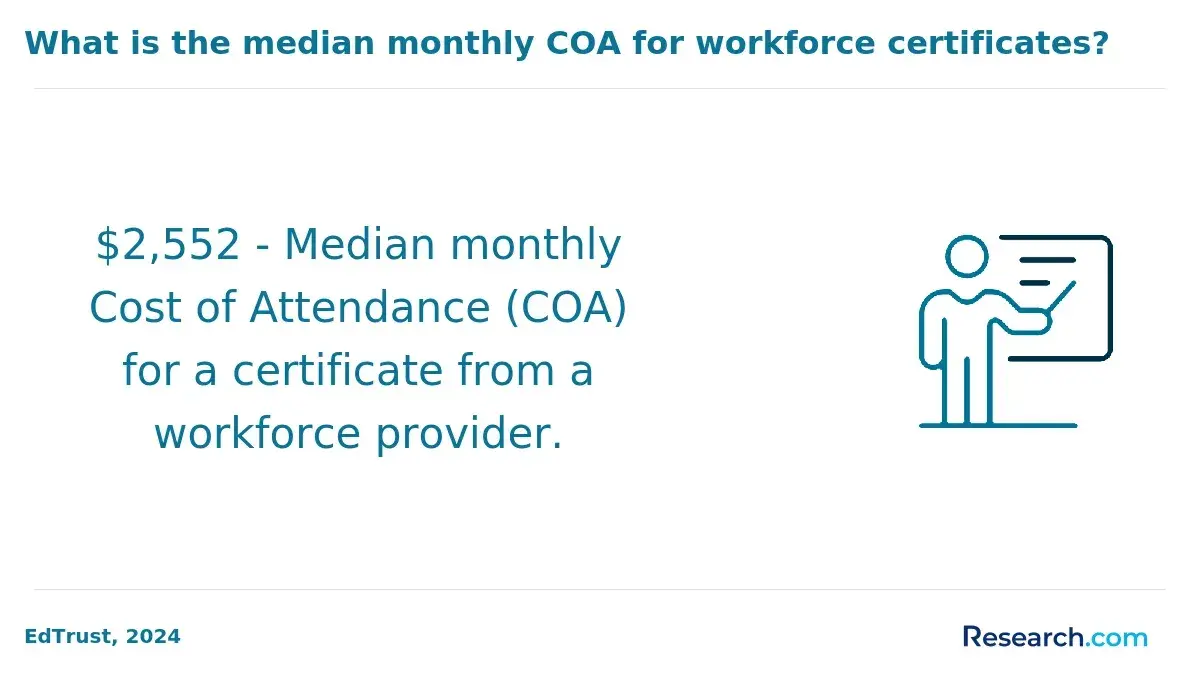
Choosing between shorter certificate programs and longer associate degrees in community health demands weighing immediate workforce entry against in-depth specialization. Programs lasting about six months often target individuals pivoting careers or entering the field, especially those balancing work commitments. For example, tuition-free online certificates aimed at community health workers can connect candidates to projected job openings of 27,000 in California by 2035, with starting salaries near $57,000. These options mitigate financial barriers and accelerate employment but may lack the depth some employers require.
Longer programs, closer to a year or more, typically carry tuition costs ranging from $3,000 to $10,000 and can offer advanced training in chronic disease management or readiness for licensure. The upfront investment and extended timeline should be considered alongside opportunity costs, especially for working adults who sacrifice income or time when enrolled.
For individuals needing rapid, cost-effective entry into community health roles, shorter, no-cost programs offer practical benefits with direct employment pathways. Conversely, professionals pursuing licensure or specialized fields may find longer, tuition-based programs more aligned with advanced career goals, despite greater financial and time commitments.
What careers can you pursue with an online community health degree?
Graduates with an online community health degree typically enter roles centered on population well-being and prevention, such as community health workers, health educators, and program coordinators. These positions are expected to grow faster than average through 2032, driven by demographic shifts and a shift toward community-based care models. Employers prioritize candidates with strong interpersonal skills and cultural competency to effectively navigate diverse populations.
Community health workers often operate as intermediaries connecting communities and health services within clinics, nonprofits, or public health departments. Health educators focus on designing and delivering education campaigns on disease prevention, nutrition, and wellness tailored to different audiences. More specialized roles include program evaluation specialists and health promotion coordinators who use data analytics to enhance the impact of public health initiatives.
Practical realities include balancing remote work possibilities with the frequent need for onsite interaction for outreach and trust-building. Candidates equipped with bilingual skills and experience working with underserved populations have a competitive advantage. However, compared to clinical healthcare paths, salaries may start lower, and schedules can be less predictable.
Prospective students must weigh the degree's utility in shaping public health infrastructure and policy versus clinical care professions that require licensure. Community health degrees lend themselves most directly to roles emphasizing systemic impact through education, advocacy, and program management rather than direct patient care.
What is the salary potential and job outlook for community health professionals?
The salary range for community health professionals typically spans from $40,000 to $65,000 annually, heavily influenced by experience, employer type, and geography. For example, urban public health departments leveraging federal equity funding may offer salaries near $60,000, while entry-level roles at smaller clinics tend to start between $40,000 and $45,000. Importantly, the 13% projected job growth from 2024 to 2034 reflects a shift toward valuing culturally and linguistically competent care, driven by Health and Human Services initiatives targeting health disparities.
Employers increasingly require more than basic health education proficiency. Language fluency and firsthand knowledge of underserved populations are becoming standard expectations, directly impacting employability and compensation. Candidates lacking these cultural competencies risk slower career progression despite strong regional demand.
Training programs must be evaluated on how well they integrate cultural and linguistic skill development, which are now critical hiring criteria. Practical job readiness also demands adaptability and interdisciplinary collaboration, as community health workers often navigate between patients, providers, and social services.
How can you evaluate accreditation, certification pathways, and program credibility in community health?
Employer recognition of accreditation and certification often determines workforce entry and progression in community health careers. Accreditation from established bodies such as the Council for Higher Education Accreditation (CHEA) or the U.S. Department of Education not only validates educational quality but also enables access to federal financial aid, affecting affordability and graduate competitiveness.
Certification credentials like Certified Health Education Specialist (CHES) or Certified in Public Health (CPH) have become essential benchmarks. Programs aligned with these credentials, including clear pathways to exam eligibility, provide graduates with recognized proof of competency valued by employers. For example, in Illinois-where health practitioner roles grow by 5.4% annually with approximately 170 new jobs each year-candidates with such certifications are more likely to secure roles and negotiate higher wages.
Choosing a program without these considerations risks limited on-the-job readiness and stunted career trajectories. Those balancing work with study should prioritize online accredited programs that demonstrably facilitate certification and connect graduates to employer networks. This approach aligns supply with labor market demand, maximizing long-term career impact in a field where credentials and practical experience govern advancement.
Other Things You Should Know About Community Health
For mission-driven professionals, top online community health programs in 2027 include Johns Hopkins University's MPH program, University of North Carolina's Gillings School, and George Washington University's MHA program. These programs offer flexibility, expert faculty, and comprehensive curricula tailored for current health challenges.
Employers value the skills and competencies demonstrated by graduates more than the delivery mode of the degree. However, programs with established partnerships or well-known regional recognition tend to facilitate smoother hiring outcomes. Candidates should focus on degrees offering applied learning, internships, and certifications aligned with employer demands, as these elements carry more weight than purely online status.
Online formats can limit hands-on community engagement and networking opportunities critical for real-world skill development. Students need to seek programs with robust practicum arrangements and local placement support to bridge this gap. Without active field experiences, graduates risk lacking essential interpersonal and organizational competencies necessary for effective community interventions.
Certification pathways in community health vary by state and employer, with some requiring in-person hours or specific supervised experience that online programs alone may not fulfill. Students should verify that the program's curriculum aligns directly with certification prerequisites, including fieldwork hours and exam preparation. Prioritize programs offering integrated certification support to reduce delays and extra costs after graduation.
References
- Online Bachelor of Health and Social Service Degrees | edX https://www.edx.org/bachelors/health-social-services
- Careers in Community Health - MPH Online https://www.mphonline.org/community-health-jobs/
- Community Health Education | Free Courses at NextGenU.org https://nextgenu.org/courses-community-health/
- Are Online Courses Better Than Community College? https://www.straighterline.com/blog/online-courses-better-than-community-colleges
- The future of master’s-level public health programs | EAB https://eab.com/resources/blog/adult-education-blog/the-future-of-masters-level-public-health-programs/
- What Can You Do With a Community Health Degree | CUNE https://www.cune.edu/news/what-can-you-do-with-community-health-degree
- Associate Degree - Community Health and Wellness - Online | Monroe University https://www.monroeu.edu/academics/undergraduate-programs/school-allied-health-professions/online-associate-degree-community
- Global Health Learning Center | Free Online Courses https://globalhealthlearning.org/
- Community Health Career - Public Health https://www.publichealthonline.org/community-health-career/
- Investing in Local Health: How Accreditation and Accountability Shape Stronger Communities - JPHMP Direct https://jphmpdirect.com/investing-in-local-health-how-accreditation-and-accountability-shape-stronger-communities/