2027 Online Community Health Degrees With Community Outreach Career Alignment

Co-Founder and Chief Data Scientist
Facing the challenge of balancing work, family, and advancing a career in community health often forces professionals to choose between full-time study and financial stability. The National Center for Education Statistics reports a 25% increase in adult enrollment in fully online programs since 2023, signaling growing demand for flexible pathways that accommodate life's demands without sacrificing career momentum.
However, navigating program quality, accreditation, and direct alignment with community outreach roles complicates this choice. This analysis evaluates current online community health degree options, focusing on how they respond to professional needs for practical training, scheduling flexibility, and direct career applicability in outreach settings.
Key Things You Should Know
- Online community health degrees average 20% lower tuition than on-campus options per the National Center for Education Statistics, but delayed practicum placements reduce timely credentialing by 3-6 months, affecting early-career entry.
- Employers prioritize candidates with integrated outreach experience; 72% of surveyed public health agencies in 2024 prefer graduates from programs embedding live community interventions, making purely theoretical curricula less competitive.
- Workforce projections from the Bureau of Labor Statistics indicate 15% job growth in community health roles by 2032, pressuring students to select programs with updated telehealth components to meet evolving employer demands and ensure long-term relevance.
What is an online community health degree and how does it support community outreach careers?
Demand for professionals with an online community health degree remains tied to workforce shifts requiring individuals who can design and manage public health outreach tailored to varied populations. Graduates often enter roles within public health departments, nonprofits, or healthcare providers where practical engagement and data analysis inform program success. For instance, managing a vaccination outreach program in urban settings demands coordination with vulnerable groups and continuous metric evaluation, whereas rural outreach requires overcoming geographic and infrastructural challenges.
Students choosing online community health degree programs should weigh the flexibility benefits against challenges such as securing remote practicum placements and balancing synchronous coursework with employment. Employers typically look for proven community engagement experience coupled with quantifiable outcomes, making internships or service projects integral components of employability. Additionally, accreditation status and support services for practicum coordination critically affect students' readiness to contribute effectively in outreach careers.
Addressing practical workforce needs, graduates must navigate regulatory frameworks and demonstrate cultural competence to succeed in community health degree careers in outreach. This practical orientation favors programs with real-time case studies and partnerships with local health agencies that enhance immediate applicability. Those also considering advanced pathways might explore the fastest Psych NP program for related mental health specialization, which can complement traditional outreach roles.
Which accredited online community health programs offer the strongest focus on community outreach?
Degree programs that integrate substantial, supervised community outreach provide the most tangible advantage for candidates targeting roles in community health. For instance, programs from established public universities requiring 300 to 500 hours of practicum prioritize fieldwork directly tied to employer expectations in nonprofit health education and government outreach. A focus on measurable community impact through service-learning ensures skills like stakeholder communication and culturally sensitive intervention, which outperform programs relying mainly on theoretical case studies.
Choosing between fully online convenience and securing meaningful field placements often involves geographic flexibility. Students aiming for positions in public health agencies or nonprofits must verify whether programs offer structured mentorship and partnerships with accredited agencies to support practicum requirements. Without these elements, graduates risk entering a competitive labor market lacking practical experience, as 313,700 annual openings from 2024 to 2034 increasingly reward demonstrated outreach impact.
To weigh real-world training benefits against logistical constraints, prospective students should examine alumni outcomes related to community health advancement. Accredited online community health degrees with community outreach focus align better with workforce needs when field experience is embedded rather than optional. Those considering education investments might also explore healthcare administration programs for relevant complementary pathways.
How do online community health degrees compare with campus-based programs for outreach training?
Campus-based community health programs consistently outperform online degrees in delivering outreach training due to their integration of hands-on, supervised fieldwork. Employers often prioritize candidates with direct outreach experience, especially for community-facing roles that demand immediate interaction skills and situational problem-solving. A student engaged in rural health outreach on a campus program typically gains valuable exposure to community dynamics through structured internships within local health departments or NGOs, while online community health degree outreach training benefits are limited by students' need to independently secure placements, which can restrict seamless skill application.
Online programs do provide flexibility for working professionals and cover foundational knowledge plus intervention strategies through digital simulations and virtual collaboration. However, the absence of embedded practicums can delay readiness for frontline outreach roles unless supplemented by external experience. Given health education specialists earned a median annual wage of $63,000 in May 2024, demonstrating applied outreach skills remains critical to stand out in a competitive job market.
Students weighing campus versus online community health programs for outreach must consider employer demand favoring proven community engagement capabilities. A hybrid approach, combining online theoretical training with guaranteed campus or local practicum components, optimizes real-world preparedness. Those considering further education might also explore master of healthcare administration programs to broaden strategic and operational competencies within health sectors.
What courses and skills are typically included in an online community health degree curriculum?
Effective online community health degree courses and skills training must balance theoretical knowledge with measurable field competencies to meet employer demands. Curricula grounded in public health, epidemiology, and program planning are essential but insufficient without applied outreach capabilities, such as designing interventions for varied populations-like urban chronic disease prevention or rural maternal health improvement.
Community health outreach training programs best prepare students through integrating quantitative methods, including biostatistics and needs assessments, with culturally competent communication and health promotion tactics. These include crafting multilingual materials and coordinating vaccination efforts in underserved neighborhoods. A critical workforce reality is that graduates must navigate digital health records and maintain collaborative ties with healthcare providers, social services, and policymakers.
Practical fieldwork-supervised internships or service-learning-is non-negotiable for developing adaptability in unpredictable resource-limited environments. Students should prioritize curricula demonstrating clear skill outcomes aligned with regional labor markets to enhance job placement and professional growth.
Community health workers command a median wage of $51,030, reflecting a pragmatic return on educational investment when course selections emphasize both analytical and applied skill sets. Those weighing educational choices may also consider comparative program evaluations, as seen in discussions about which school is better SNHU vs WGU, to understand differences in training focus and outcomes.
What admission requirements and prerequisites do online community health programs usually have?
Admission criteria for online community health programs often create practical hurdles that affect time to completion and total cost. Associate-level entry requires at least a high school diploma or GED, while bachelor's and graduate levels demand an accredited undergraduate degree, preferably in health sciences or a related discipline. Programs typically expect prerequisite coursework in biology, statistics, and psychology. Applicants without these foundational courses may need bridge classes, extending program length and tuition expense.
Standardized test requirements vary. Undergraduate programs frequently require SAT or ACT scores unless applicants bring relevant social service or health sector experience. Graduate programs commonly expect GRE scores, with some waivers offered for candidates possessing substantial professional backgrounds. Even when test scores are waived, prerequisite coursework remains a common obligation, not easily bypassed.
Full-time workers in social services pursuing online community health degrees face scheduling conflicts, especially when practicum components demand local clinical or outreach placements. Program agreements may aid in placement, but local organization availability and geographic factors critically influence feasibility. Employer scheduling flexibility is often a decisive factor for successful practicum completion and, ultimately, certification eligibility.
The median annual wage for community and social service occupations is $57,530, which shapes admission standards by privileging candidates poised to succeed in certification and reach mid-tier salaries. Admissions that emphasize relevant prerequisite knowledge and experience align more closely with positive workforce trajectories and employer expectations.
How long do online community health degrees take and what do they cost to complete?
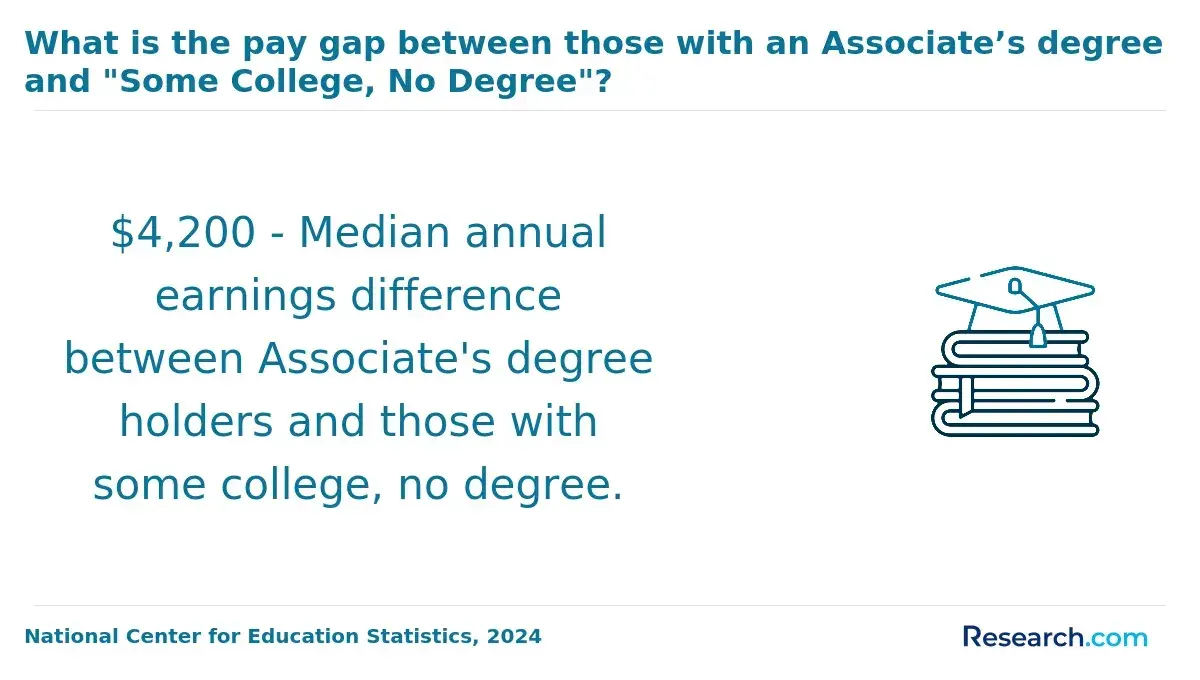
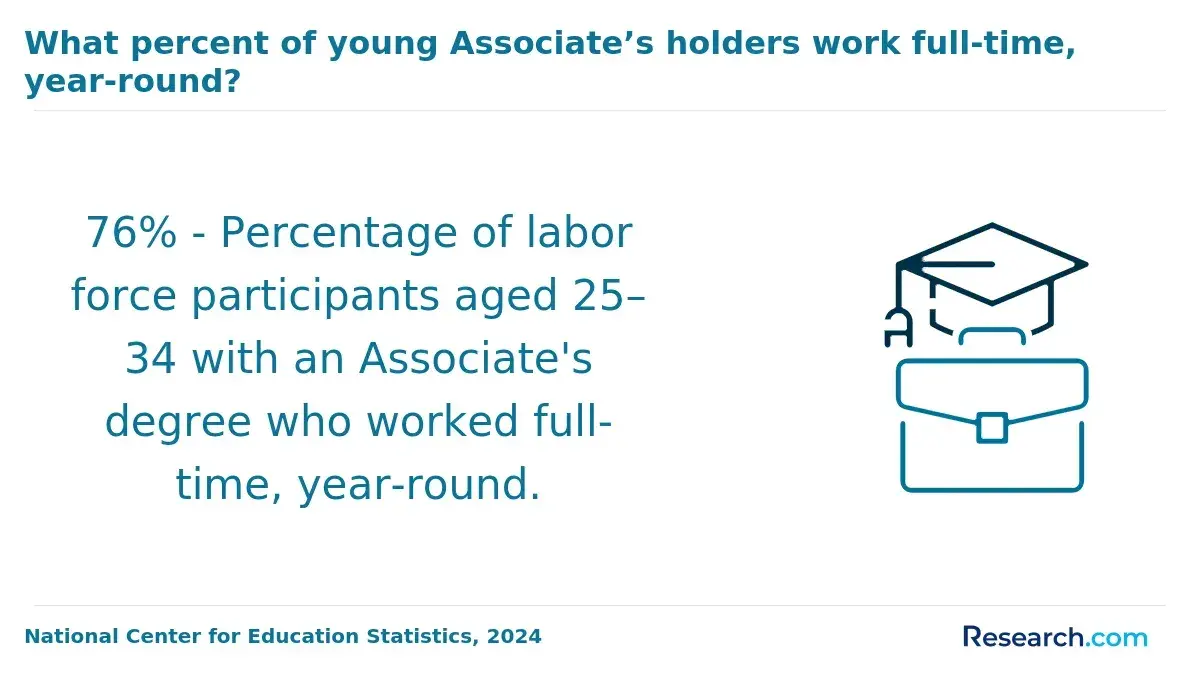
Choosing an online community health degree requires balancing time, cost, and career objectives with employer expectations and personal circumstances. Associate degrees typically take about two years and can qualify graduates for entry-level social service roles. Bachelor's degrees, lasting around four years, open access to managerial or specialist positions but come with significantly higher costs, often ranging from $25,000 to $60,000 depending on institution type and residency status.
Part-time or accelerated formats add complexity: while they offer flexibility for working students, extended timelines may increase overall expenses through opportunity costs and delayed workforce entry. Programs incorporating practicums or internships can strengthen job readiness but require additional time and coordination, especially challenging for distance learners.
Given projections from the U.S. Bureau of Labor Statistics that social and community service occupations will grow faster than average from 2024 to 2034, a strategic approach to these degrees can position graduates advantageously. However, affordability often trades off against program speed and flexibility, underscoring the need for disciplined evaluation rather than defaulting to the cheapest or fastest options.
What community outreach and public health careers can you pursue with this degree?
Graduates with online community health degrees face a labor market where practical experience is as critical as academic credentials. The typical entry point as a health education specialist requires a bachelor's degree, but employers strongly favor candidates with internship or practicum exposure because these roles demand applied skills beyond theory. For instance, urban public health outreach professionals must navigate cultural, socioeconomic, and language barriers while tailoring communication strategies-an expertise often sharpened through direct fieldwork.
Positions within rural health nonprofits contrast starkly, emphasizing resourcefulness and relationship-building in environments with scarce infrastructure. This illustrates how specialization shapes employability and day-to-day responsibilities. Employers value candidates who can perform needs assessments, coordinate resources, and measure program impact, skills that are not interchangeable across sectors.
Tradeoffs become apparent when choosing programs focused mainly on either policy or hands-on outreach. Public health and community health skill combinations offer broader access to clinical settings, whereas roles in advocacy or grant writing require distinct expertise and networking capabilities. Certification such as Certified Health Education Specialist (CHES) supports upward mobility but involves ongoing professional development, which some candidates may find burdensome.
What salaries and earning potential can community health and outreach professionals expect?
Median annual salaries for community health and outreach professionals vary considerably, typically ranging from $45,000 to $65,000, influenced by geography, employer type, and role specialization. Entry-level workers in government or nonprofit sectors often start around $40,000, while seasoned professionals in urban healthcare systems or managerial positions can exceed $70,000. This variation reflects employer preferences for additional credentials, practical experience, and familiarity with complex community environments.
Investing in education, such as programs like the Community Health Education BS at UNM Online with a per-credit cost of $435.96, necessitates careful consideration of return on investment, especially under loan-financed scenarios. Many community outreach roles weigh practical experience and certifications, such as CHES, equally or more than just degrees.
Career trajectories that incorporate advanced certifications or graduate education-public health or health administration master's degrees-tend to unlock incomes above $80,000. However, shifting into program management or policy analysis demands leadership skills and proven strategic communication, increasing both responsibility and compensation. Frequent reliance on grant funding for many roles introduces wage and job stability risks, underscoring the value of aiming for positions within stable government or large healthcare organizations.
Practical decisions should balance education costs, local labor market factors, certification pathways, and anticipated funding volatility to optimize both immediate earnings and sustainable growth within the community health workforce.
What certifications or licenses are relevant for community health and outreach roles?
Credentialing decisions in community health hinge on aligning certifications with specific job functions and employer expectations, a balance that affects employability and compensation trajectories. The Certified Community Health Worker (CCHW) credential remains foundational, often mandated by states or employers, confirming essential competencies in public health principles, communication, and resource navigation. Yet, for those transitioning toward clinical or behavioral health domains, pursuing certifications like Certified Health Education Specialist (CHES) or National Board Certified Health and Wellness Coach (NBC-HWC) can substantively widen professional scope.
Practical licensure, including CPR and HIPAA training, typically complements certification requirements, especially in settings handling vulnerable populations. For example, community health workers entering chronic disease management benefit markedly from health coaching and motivational interviewing credentials, augmenting their ability to drive patient outcomes within multidisciplinary teams.
Real-world data shows a roughly 10-15% salary increase within two years after securing recognized credentials, reflecting the market premium placed on verified expertise and additional training. However, this gain is not uniform and depends heavily on regional labor demands and the nature of the employer's programs. Strategic investment in certifications, anchored by CCHW and supplemented with targeted licenses and specialized credentials, creates a competitive advantage by reflecting both practical competencies and contextual workforce demands.
How can you evaluate and choose a reputable, accredited online community health program?
Accreditation status from recognized U.S. Department of Education or Council for Higher Education Accreditation bodies is the primary filter for evaluating online community health programs. Without this, curriculum rigor and employer recognition can be questionable, directly influencing employment opportunities. For instance, health education specialists earn around $63,000 annually, while community health workers average $51,030, according to the U.S. Bureau of Labor Statistics. Practical experience is often more valuable to employers than academic credentials alone, so verify that programs provide internships or community outreach components.
Completion and graduate employment rates reflect a program's ability to translate education into real job outcomes. Candidates targeting roles in regional health departments should look for partnerships with local agencies to ensure accessible practicum placements and immediate network integration.
Program delivery matters: asynchronous formats offer flexibility for working students but may lack the collaboration skills built through synchronous interaction, which are vital in public health teams. Also, technological support is non-negotiable to avoid setbacks.
Financial considerations should focus beyond tuition, stressing certification pathways aligned with employer and state licensing standards, significantly impacting hiring potential and wage brackets. Faculty experience, particularly recent field involvement or professional affiliations, ensures curricula remain relevant to evolving community health market demands.
Other Things You Should Know About Community Health
Many online community health programs require in-person practicum or fieldwork hours that cannot be completed remotely. This creates scheduling and location challenges, especially for working students or those in rural areas. Prioritize programs with flexible practicum arrangements or partnerships near your residence to avoid conflicts or unexpected travel costs that may disrupt your learning timeline.
Employers increasingly accept online community health degrees but often emphasize the reputation and accreditation of the program more than its delivery mode. Graduates from well-known, regionally accredited institutions with practical field experience tend to have stronger job prospects. Focus on programs that combine solid academics with verified experiential components to meet employer expectations.
Online degrees often focus heavily on theoretical knowledge and may provide limited direct interaction with diverse community groups compared to campus-based models. This can constrain development of interpersonal and cultural competency skills critical for outreach success. Choose programs offering robust, supervised onsite practicums or virtual simulations designed to replicate real-world community dynamics for effective skill-building.
References
- Faculty of Graduate and Postdoctoral Studies | University of Manitoba - Community Health Sciences (MPH) https://umanitoba.ca/graduate-studies/admissions/programs-of-study/community-health-sciences-mph
- Associate Degree - Community Health and Wellness - Online | Monroe University https://www.monroeu.edu/academics/undergraduate-programs/school-allied-health-professions/online-associate-degree-community
- Careers in Public Health: Opportunities to Enter, Advance In, and Navigate the Field | ProFellow https://www.profellow.com/fellowships/careers-in-public-health-opportunities-to-enter-advance-in-and-navigate-the-field/
- Public Health - INTERNATIONAL EUROPEAN UNIVERSITY, POLAND | EUROPE | STUDY IN POLAND | STUDY IN EUROPE | MBBS | GENERAL MEDICINE | BUSINESS | ENGINEERING | IT | EUROPE https://ieu.com.pl/european-medical-school-main/public-health/
- Community Health Worker https://explorehealthcareers.org/careers/allied-health-professions/community-health-worker/
- Community Health Worker https://ace.edu/student-success/career-guides/community-health-worker/
- Master of Public Health Program at the Medical College of Wisconsin https://www.mcw.edu/education/graduate-school/graduate-school-programs/public-health/mph-program
- Community Health Worker Certificate | Calbright College https://www.calbright.edu/programs/community-health-worker
- Community Health Career - Public Health https://www.publichealthonline.org/community-health-career/
- What do you learn in a bachelor's in public health? | edX https://www.edx.org/resources/what-do-you-learn-in-a-bachelors-in-public-health