2027 First Community Health Roles for Students Preparing for MPH or Healthcare Graduate School

Co-Founder and Chief Data Scientist
Facing the challenge of securing relevant roles that build competencies for an MPH or healthcare graduate program tests many aspiring professionals. Admissions data from the National Center for Education Statistics shows a 38% increase in part-time graduate enrollments since 2021, signifying broader demand for flexible entry points that balance ongoing work with academic preparation. This shift reflects a practical obstacle: finding first roles that genuinely develop skills aligned with graduate expectations, yet accommodate complex schedules and diverse backgrounds. Navigating available community health opportunities with an eye toward career mobility and realistic employer demands is critical.
This article examines viable first community health roles that address timing, skill acquisition, and strategic alignment with advanced healthcare studies.
Key Things You Should Know
- Entry-level roles yield 12% lower initial salaries than MPH graduate positions per 2024 Bureau of Labor Statistics, emphasizing a strategic tradeoff between immediate earnings and accelerated postgraduate advancement.
- Employers prioritize internships with measurable population health impact, with 68% of surveyed public health agencies in 2024 favoring candidates demonstrating project management in social determinants interventions.
- Delaying MPH enrollment to gain community health role experience extends time-to-degree by an average 1.5 years and increases cumulative cost by 22%, impacting financial aid and career trajectory decisions according to recent AACPHA data.
What are the best first community health roles for students planning an MPH or healthcare graduate degree?
Entry-level positions such as frontline community health worker (CHW), health education assistant, and outreach coordinator roles present the most strategic starting points for students targeting an MPH or healthcare graduate degree. These roles anchor early professional development in the realities of public health delivery, offering exposure to social determinants of health and firsthand interaction with underserved populations-experiences rarely replicated in academic settings. For example, a CHW working in a rural clinic confronts resource constraints and patient access challenges that shape intervention priorities differently than an urban health department, directly informing graduate research areas.
The U.S. Bureau of Labor Statistics projects a 13% employment growth rate for community health workers between 2022 and 2032, signaling sustained market demand and relative job security in these positions. Students pursuing the best entry-level community health roles for MPH students should consider the tradeoff between modest starting salaries and the strategic advantage of cultivating skills employers prioritize, such as program development, stakeholder engagement, and data collection.
Health education assistants enhance communication and preventive care program expertise, while outreach coordinators gain operational leadership experience managing partnerships and campaigns. Securing roles in public health departments or with diverse populations further aligns with social determinants of health frameworks emphasized in graduate programs. This practical immersion strengthens applications and career trajectories beyond theory alone.
For those evaluating flexible educational options congruent with this path, exploring affordable programs like an HIM degree online can complement work experience without disrupting employment momentum.
How do entry-level community health jobs help strengthen applications to MPH and other health graduate programs?
Entry-level community health positions for graduate school applications provide concrete, applied experience that directly addresses common admissions criteria for MPH and similar healthcare graduate programs. These roles offer measurable skills such as health education delivery, outreach coordination, and demographic data analysis-competencies valued by both educators and employers. Importantly, these positions expose candidates to operational realities like resource constraints and stakeholder management, which academic coursework alone cannot replicate.
For instance, a community health worker operating in rural areas gains firsthand insight into social determinants of health, an area heavily emphasized in graduate curricula. This real-world exposure enhances an applicant's ability to demonstrate adaptability and problem-solving under complex conditions, which admissions committees prioritize. The Bureau of Labor Statistics projects a 7% increase in job openings for health education specialists from 2022 to 2032, indicating stable labor demand and validating the relevance of such experience.
Prospective students should prioritize roles with quantifiable outcomes, such as health promotion metrics or community engagement data, over unpaid internships to better mirror employer expectations and manage financial feasibility. Those evaluating a healthcare administration bachelor's degree pathway should consider how entry-level community health roles complement and inform their graduate study plans, given the practical demands of healthcare graduate admissions.
The benefits of community health experience for MPH or healthcare graduate admissions extend beyond resume-building; they cultivate critical communication and organizational competencies that underpin leadership potential in health fields.
What education, skills, and experiences do you need to qualify for early community health positions?
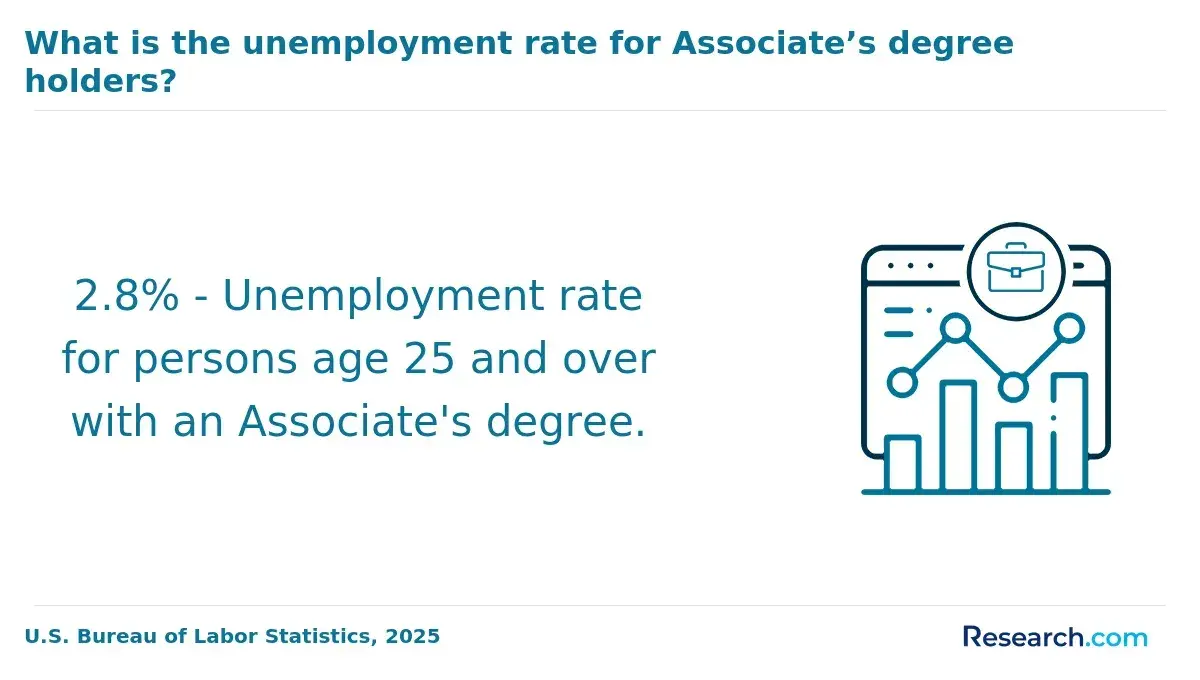
Early qualifications for community health roles demand a strategic blend of education and practical skills aligned with workforce realities. A bachelor's degree in public health, health sciences, or related fields remains foundational, especially those emphasizing health promotion, social determinants, and data literacy. Employers seek candidates proficient in data analysis tools, basic epidemiology, and cultural competency to meet the growing coordination demands in healthcare, where over 2 million jobs are expected to open annually through 2032.
Essential skills and experiences for community health positions include internship or volunteer work in clinical or public health environments. For example, bilingual candidates with hands-on exposure to underserved populations are frequently preferred for outreach roles. Practical experience in health education, program evaluation, or electronic health record management often aligns closely with job expectations. Behavioral health knowledge and patient advocacy skills also enhance employability in integrated care frameworks.
Employers prioritize adaptability to multidisciplinary teams and regulatory changes, valuing competencies like time management, report writing, and grant proposal familiarity. Candidates face tradeoffs between generalist versus specialized training; specialized certificates may increase entry chances but can constrain long-term flexibility. Part-time practica combined with paid work help manage skill development alongside financial needs. Considering options such as the cheapest online MBA healthcare programs can also support career pivots effectively, offering practical credentials without excessive cost or disruption.
Which specific community health roles are most common for undergraduates and recent graduates?
Entry-level community health jobs for recent graduates prioritize roles that integrate operational responsibility with analytical skills, rather than purely clerical tasks. Positions like community health worker, health program coordinator, or research assistant provide direct involvement in program coordination, health education, and data analysis-experience that aligns closely with graduate-level demands in MPH and healthcare graduate schools. Notably, community health roles for undergraduates in the United States often reflect divergent expectations based on geography, with rural settings leaning toward on-the-ground health education and urban environments emphasizing data-driven internships.
The rapid projected growth of medical and health services manager roles-anticipated at 28% through 2032-signals a need for early exposure to health management, quality improvement, and informatics. Practical internships that combine program oversight with stakeholder communication and funding report responsibilities thus better position students seeking administrative or policy pathways.
For example, urban health departments often require program coordinators to handle multiple concurrent tasks such as epidemiological data workflows and cultural competency, mirroring essential MPH coursework. While less transferable roles in data entry exist, students maximize long-term employability by pursuing positions offering measurable outcomes and opportunities to engage in grant writing, health behavior promotion, and evaluation metrics.
Those considering a strategic pivot might also explore options like a BSN to MSN program for advanced interdisciplinary practice integrating clinical and community health frameworks.
How do online, hybrid, and campus-based community health programs prepare students for these first roles?
Choosing between campus-based, hybrid, and fully online community health programs fundamentally shapes the skillset and employability of graduates within diverse workforce niches. Campus-based programs deliver direct client engagement opportunities and intensive fieldwork, essential for roles like community outreach coordinators that demand both practical skills and local partnership networks. This immersion supports a robust mastery of employer expectations, including real-time supervision and hands-on experience.
Hybrid models accommodate professionals balancing work with study by mixing virtual coursework with intermittent in-person sessions. This format is best suited for positions requiring autonomous judgment, such as data analysts or policy assistants, but carries the tradeoff of less consistent mentorship. Effective networking becomes a student-driven responsibility to bridge this gap.
Fully online programs appeal to students needing flexibility and often emphasize critical analysis through virtual simulations. Graduates typically succeed in health communication or program evaluation roles where physical presence is less vital but must compensate for reduced interpersonal interaction.
Employers in administrative tracks, especially medical and health services management, prioritize skills in fiscal oversight and regulatory compliance. These competencies tend to be better developed in campus environments through case-based learning and workshops.
- Consider campus-based formats for direct practice and embedded clinical access.
- Hybrid options offer a middle ground for working students requiring a balance of theory and applied learning.
- Online pathways demand high self-motivation and suit roles less reliant on face-to-face collaboration.
Students advancing toward policy or administration roles with median wages around $110,680 must weigh program mode against skill acquisition pathways and mentorship availability to optimize long-term employability.
What should students look for in accredited community health and public health programs in the U.S.?
Choosing a community health program requires evaluating accreditation, curriculum specificity, and direct employer connections rather than relying on broad reputation. Accreditation by the CEPH signals adherence to rigorous standards valued by sectors employing over 120,000 health education specialists and community health workers, including government agencies, outpatient care centers, and family services.
Curriculum focus varies considerably based on career targets. For example, a student aiming for a health department position should expect training in epidemiology and grant writing aligned with government funding streams. Conversely, those targeting outpatient care must prioritize patient education and chronic disease management. Competency in data analysis and culturally competent communication consistently ranks high across public health employers.
Practicum placements or internships in sectors with demonstrated workforce demand provide practical experience that substantially improves hiring prospects. Programs offering flexible modalities with faculty experienced in government or community organizations foster richer mentorship and networking, factors linked to 20-30% higher job placement within six months post-graduation. When assessing options, confirming active career support that connects graduates to local and regional employers is critical, particularly given stable employment trends in these fields.'
What do early-career community health workers, educators, and outreach coordinators typically earn, and how does pay grow with an MPH?
Early-career community health workers, educators, and outreach coordinators typically earn median annual salaries between $40,000 and $55,000, with pay varying significantly by location and employer type. Nonprofits and local health departments often offer wages near the lower range, whereas federal agencies or urban hospitals may pay closer to or above $55,000. These positions generally demand foundational skills without significant managerial responsibilities.
Obtaining an MPH can shift earning potential substantially, especially when targeting supervisory or specialized public health roles. MPH graduates often start between $65,000 and $85,000, marking a 40% to 60% increase over entry-level community health salaries. Fields like epidemiology and health policy particularly value the MPH credential, which often leads to leadership roles commanding six-figure salaries within five to seven years.
However, wage gains depend heavily on geographic and sector differences; rural or underfunded settings may see modest increases despite advanced degrees. Candidates should consider factors such as employer tuition assistance, hybrid program formats, and regional pay scales when evaluating the time and cost investments demanded by an MPH.
Key considerations for prospective students include:
- Assessing target sector funding and regional salary benchmarks
- Understanding employer expectations favoring experience combined with advanced credentials for management roles
- Balancing the opportunity cost of graduate study against potential income growth and job security
What is the job outlook for entry-level community health roles and how does it compare to other healthcare careers?
Entry-level roles in community health present a distinctive tradeoff: slower initial salary growth and limited rapid advancement compared to clinical healthcare paths like nursing, yet access to growing opportunities driven by public health's increasing complexity. Epidemiologists, health educators, and outreach coordinators benefit from a projected 27% job growth through 2032, reflecting expanded investment in population health research and disease surveillance post-pandemics.
This demand favors candidates with combined quantitative and communication skills, often requiring pragmatic field experience or certifications alongside academic credentials. An MPH graduate focusing on epidemiology, for example, will likely face a lengthier route to senior positions compared to nursing graduates but can access roles in government, nonprofits, and research sectors prioritizing data-driven public health intervention.
Prospective students should weigh these realities:
- Practical internships and public health department engagement significantly improve employability.
- Applied data analysis competencies underpin advancement, especially in epidemiology-centered roles.
- Balancing rigorous academics with real-world experience mitigates early-stage hiring bottlenecks common in expanded community health initiatives.
The strategic choice to enter community health demands understanding that initial positions may require patience and deliberate skill-building but lead to growing, specialized roles essential to population-level health outcomes.
Are certifications like Certified Health Education Specialist or community health worker credentials necessary for first community health jobs?
Certifications such as Certified Health Education Specialist (CHES) or community health worker credentials enhance employability selectively rather than universally in community health roles. Practical experience and relevant academic background often outweigh certifications in hiring decisions for outreach and support positions, especially outside specialized sectors. For instance, mental health and substance abuse counseling demand state licensing over generic certifications; lacking licensure restricts clinical practice even if one holds a community health worker credential.
The labor market reflects this divergence. With an 18% projected growth in counseling roles and approximately 42,000 openings annually, candidates without clinical licensure but with community health credentials may access educational or outreach jobs but encounter limits in clinical environments. Conversely, public health agency or NGO roles vary widely: federally funded programs might mandate certifications to satisfy grant requirements, while grassroots organizations may prioritize field experience without credentials.
Deciding to pursue certifications involves weighing immediate employment prospects, financial cost, and long-term career goals. For example, individuals aiming for advanced clinical degrees benefit from initial credentials for networking and practical skill-building but must recognize these do not substitute formal academic prerequisites or licensure. A strategic approach is to obtain roles aligned with career aims first and then acquire only the certifications critical to licensure boards or employer mandates in that niche.
How can students strategically choose internships, volunteering, and campus activities that lead directly to their first community health role?
Practical skill acquisition through targeted internships and volunteering heavily influences employability in entry-level community health roles, especially as digital health reshapes service delivery. For example, with telehealth use by U.S. physicians expanding rapidly-from 15% to 73% between 2019 and 2022 per the American Medical Association-candidates with hands-on exposure to virtual patient navigation or digital platforms outrank those with only traditional clinical experience. Prioritizing internships at organizations actively integrating telehealth over conventional clinics not only aligns with current workforce demands but also signals adaptability to evolving healthcare models.
Campus roles involving data analysis on health outcomes or coordinating remote health education cultivate administrative and communication skills transferable to remote community health work. Collaborations with public health departments or hospitals enhance the relevance of these experiences by situating learning within operational realities.
Decision-making must weigh mentorship availability and meaningful task complexity over mere location or presence. A remote internship with direct supervision and networking opportunities often exceeds the value of an on-site role lacking leadership interaction. Students should focus on roles minimizing unskilled work while maximizing exposure to health program design and evaluation, which accelerates professional readiness.
Documenting specific, measurable impacts-such as improved patient portal engagement or digital health workshop outcomes-strengthens both resumes and graduate applications. Articulating clear learning objectives linked to community health workforce competencies increases the strategic benefit of each opportunity, ensuring experience translates into tangible career leverage.
Other Things You Should Know About Community Health
Entry-level community health positions often involve more hands-on tasks such as direct outreach, data collection, and administrative support, which require strong organizational skills and adaptability but typically have more predictable workloads. Roles requiring an MPH tend to involve greater responsibility for program design, evaluation, and leadership, resulting in higher workload intensity and the need to manage multiple stakeholders. Students should prioritize gaining experience in fast-paced environments to prepare for the increased complexity and accountability that comes with an MPH-level role.
Nonprofit roles frequently offer more flexibility and direct community interaction but may have limited funding, affecting job security and resources. Government positions often provide better benefits, structured career paths, and clearer advancement opportunities, yet can involve more bureaucracy and slower decision-making. Prospective employees should assess whether they value organizational agility and mission-focus over stability and system-level influence when targeting first community health roles.
Experience in community health roles can be crucial for students applying to graduate programs without an advanced degree. It demonstrates hands-on skills, commitment, and the ability to work in real-world settings, making them attractive candidates by showing they possess practical knowledge that complements theoretical learning.
Certifications add measurable credentials valued by employers but often carry limited weight without accompanying job experience. Early-career students should focus on hands-on roles that develop communication, project coordination, and data skills. Certifications become more valuable when paired with a few years of relevant experience and can be pursued alongside employment rather than as a standalone credential.
References
- Online vs Hybrid vs Campus Learning in Healthcare: Which Is Right for You? https://www.edumed.org/articles/online-vs-hybrid-vs-campus/
- Schools of Public Health https://www.apha.org/professional-development/public-health-careermart/schools-of-public-health
- How to Use Volunteer Experience to Support Academic and Career Interests https://www.deltainstitute.co/blog-delta-institute/how-to-use-volunteer-experience-to-support-academic-and-career-interests
- Preparing for a Career with a Master of Public Health Degree https://www.mcw.edu/education/graduate-school/graduate-school-programs/public-health/mph-program/prospective-students/career-options-for-masters-of-public-health
- What does a nursing assistant do? https://apexlearning.org.uk/how-to-get-a-job-in-health-and-social-care-without-experience/
- Occupation Profile https://nccareers.org/occupation-profile/211094/1284
- Health Educator or Community Health Worker https://www.truity.com/career-profile/health-educator-or-community-health-worker
- The Major Distinctions Between Certified Health Education Specialists and Community Health Workers https://www.nchec.org/news/posts/ches-vs-community-health-workers
- Community Health Worker https://explorehealthcareers.org/careers/allied-health-professions/community-health-worker/
- Health Educators and Community Health Workers: Salary, career path, job outlook, education and more - RaiseMe https://www.raise.me/careers/community-and-social-service/health-educators/