2027 Best Online Community Health Programs for Advancement Without Leaving Work

Co-Founder and Chief Data Scientist
Balancing full-time work with advancing a career in community health often feels like an impossible puzzle, especially when traditional programs demand rigid schedules incompatible with professional obligations. As the National Center for Education Statistics reported in 2024, over 60% of postsecondary students are now enrolled part-time or in online formats, signaling a decisive shift toward flexible education driven by working adults. This transformation reflects an urgent need among community health professionals to access quality credentials without career interruptions or relocation. This article evaluates the best online community health programs designed for seamless integration into busy work lives, enabling strategic advancement without sacrificing employment continuity.
Key Things You Should Know
- Remote community health credential completion often extends timelines by 20% compared to hybrid models, increasing opportunity costs for full-time workers balancing job demands with program intensity, per 2024 National Center for Education Statistics.
- Employers prioritize candidates with interdisciplinary certifications; programs lacking integration with behavioral health, social services, and data literacy risk weaker job placement rates, confirmed by 2024 Bureau of Labor Statistics sector analyses.
- Upfront costs for accredited online programs average 15%-30% lower than in-person courses, yet hidden expenses like software licensing and practicum coordination inflate total investment, complicating budget planning for working adults, per 2023 Eduventures® cost surveys.
What is an online community health degree and how can it advance your public health career?
Professional advancement in public health increasingly demands specialized expertise that an online community health degree uniquely offers by combining applied skills in policy, program management, and data-driven interventions. Graduates gain competencies directly aligned with employer expectations for leadership roles in community health, such as social and community service managers or health program coordinators, where managing complex projects and budgets is routine.
Salary data reflect this specialization's market value: social and community service managers earned a median wage of $78,240 as of May 2024, significantly outpacing the $57,530 median for broader social service occupations. This wage differential emphasizes how an advanced credential coupled with practical experience enhances job prospects and income potential.
However, professionals considering an online community health degree benefits for career advancement must weigh realistic challenges like balancing study with employment and securing practicum placements. Programs that integrate virtual simulations or offer local placement mitigate these challenges while ensuring relevant skill acquisition. Incorporating current public health trends such as data analytics and health equity into curricula is essential for workforce readiness.
Those exploring an educational pivot in health fields might also examine alternatives like accelerated MSN psychiatric np programs to evaluate career alignment and time-to-completion tradeoffs.
How do online community health programs compare to campus-based options for working adults?
Online community health programs offer a level of flexibility essential for working adults balancing shift work, caregiving, or varied job demands. Unlike campus-based options, these programs allow asynchronous engagement-letting students manage coursework around professional and personal schedules and even accelerate pacing if feasible. Such flexible community health education for employed individuals can significantly reduce disruption to income and daily responsibilities.
Still, the tradeoffs are noteworthy. Campus-based programs tend to integrate hands-on clinical practice and peer networking directly into the curriculum, vital components for roles emphasizing interpersonal skills. Online programs often require supplementary local practicums or employer partnerships to fulfill field experience requirements. For example, a full-time hospital community liaison could use an online program to advance skills without unpaid leave by combining virtual simulations with nearby clinic hours, while mental health peer advocates may gain more from in-person immersion.
The U.S. Bureau of Labor Statistics projects approximately 313,700 annual openings in community and social service roles through 2034, sustaining demand for accessible education paths. Employers increasingly value accredited online credentials when these programs demonstrate competency assessments and employment outcomes.
Those evaluating an online health admin degree versus campus-based schooling should carefully assess accreditation, clinical practicum design, employer acceptance, and scheduling compatibility with their careers.
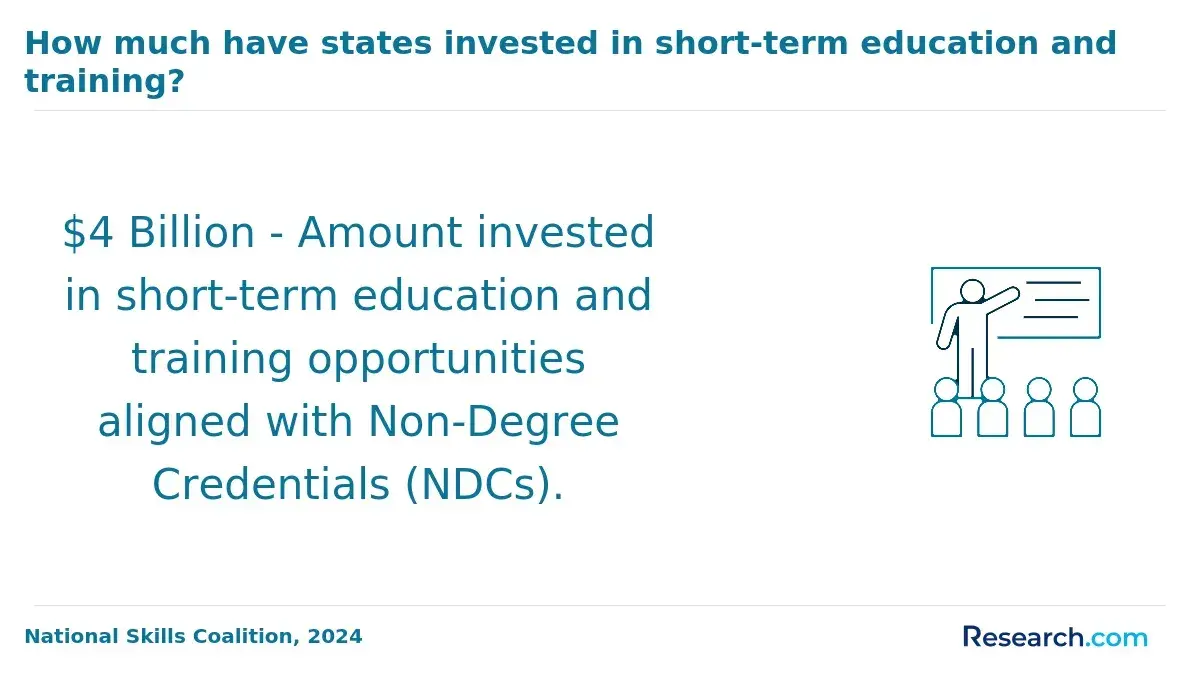
What accreditation and program quality standards should online community health degrees meet?
Accreditation standards for online community health programs directly shape graduate employability, as employers prioritize candidates with credentials from recognized bodies such as the Council on Education for Public Health (CEPH) or regional agencies like the Higher Learning Commission. This quality assurance reduces risks associated with wage stagnation and limited job prospects in a field where verified practical skills and adherence to public health competencies are essential. A working professional pivoting to policy advocacy, for instance, must confirm that their degree includes measurable skill development in grant writing or lobbying rather than just theoretical knowledge.
Quality assurance criteria in regional community health degrees emphasize a curriculum balanced with epidemiology, health behavior, data analysis, and policy, complemented by applied fieldwork or capstone projects. These elements differentiate programs that equip graduates for immediate impact in roles across public hospitals, nonprofits, or health departments. Beyond academics, prospective students should evaluate online program supports such as career counseling and practicum placement assistance, which influence how effectively part-time learners transition to targeted employment.
Labor market data shows community health workers have median annual wages around $51,030, while specialists earn about $54,940, reflecting the premium of specialized, accredited programs. Selecting an online community health degree without such rigorous criteria can jeopardize career outcomes. Working professionals can find guidance on viable options through resources like online RN programs for non nurses.
Which types of community health degrees are available online, from certificates to master's?
Choosing an online community health degree requires balancing timing, cost, and career goals, with each credential offering distinct returns in the workforce. Certificate programs, often completed in under a year, target specific skill gaps like program planning or epidemiology essentials. These are practical for professionals needing immediate competence without full degree enrollment. Associate degrees provide foundational knowledge but align with narrower entry-level roles in health education or outreach.
Bachelor's degrees typically span around 120 credits and serve as a baseline qualification for many specialist roles. Tuition varies widely-for example, some programs cost about $24,000 total, while others charge per credit hour, such as $384.60 leading to approximately $16,153 in-state. This variation significantly influences decisions for working adults. Bachelor's curricula integrate theory, research methods, and applied case studies to develop the analytic and intervention skills standard employers expect in community health roles.
Master's degrees, including MPH or MCH tracks, require 1.5 to 2 years full-time and focus on leadership, project management, and advanced epidemiology. These degrees position graduates for policymaking and multi-site program management but involve substantial time and financial investment. For example, a nonprofit project manager might use a certificate for fast upskilling, a bachelor's to move into coordinator roles, and a master's to supervise complex initiatives or influence policy.
Evaluating program costs, durations, and career fit early can prevent costly retraining or stalled career pivots. For those exploring online certificates and master's in community health or seeking affordable pathways, resources like cheapest direct entry MSN programs may offer additional context on cost-effective health-related degrees.
What courses and competencies do the best online community health programs typically include?
Programs in community health that rely heavily on theoretical coursework without integrating applied data analysis and outreach experience often leave graduates unprepared for today's job market. Employers seek candidates proficient not only in epidemiology and health promotion but also in real-world program design targeting vulnerable populations, such as elderly residents in urban settings with chronic conditions. These students must learn to translate demographic insights into tailored interventions.
Communication abilities for coordinating with healthcare providers and local agencies are essential, as is navigating ethics and health informatics standards to protect patient data. Practical experience through virtual internships or case studies significantly enhances readiness for roles in public or nonprofit organizations.
Critical workforce trends emphasize balancing foundational knowledge with skills like grant writing and resource management to secure funding and optimize delivery. Graduates with these competencies command a median wage of $57,530, about 28% above the U.S. workforce median, reflecting the tangible economic advantage reported by PublicHealthOnline.org.
Flexibility in scheduling and pathways to certification or licensure remains non-negotiable for online learners. Conversely, programs lacking measurable outcomes and employer-aligned training risk producing graduates ill-equipped for immediate impact in diverse community health environments.
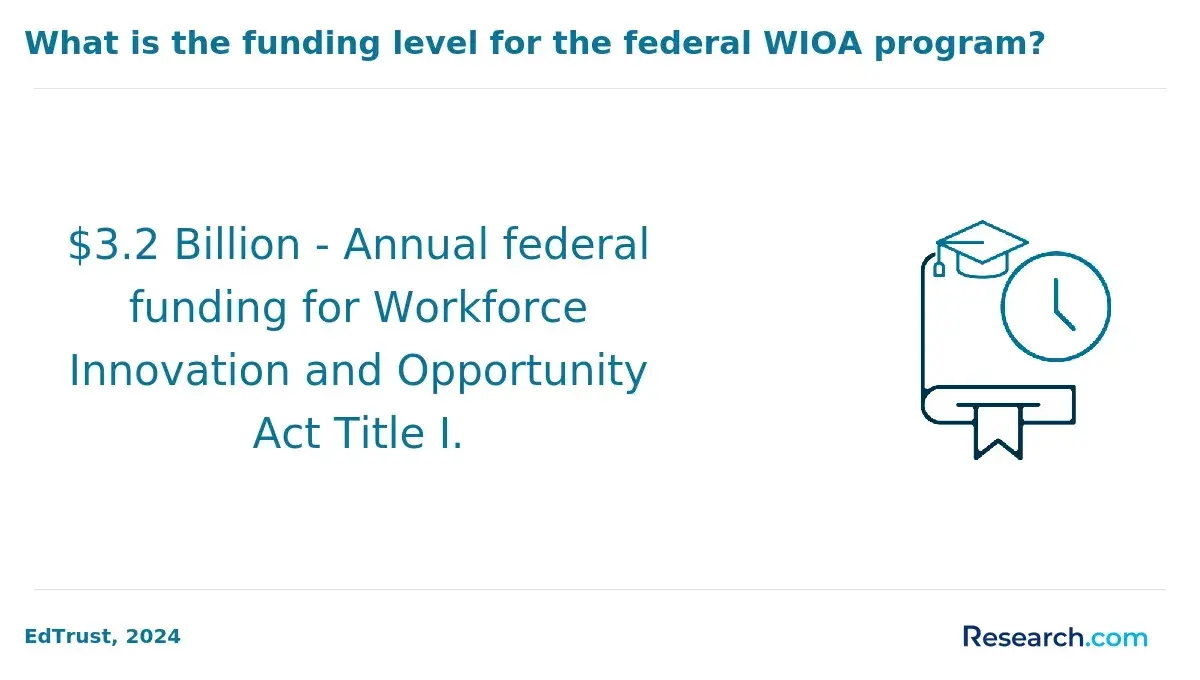
What are the typical admission requirements for online community health programs?
Online community health programs typically expect applicants to hold at least a high school diploma or GED, but many bachelor's or advanced degree paths demand prior college credits or an associate degree due to employer expectations for foundational knowledge. For working professionals, relevant health-related work experience can substitute formal education, especially within programs tailored for career pivots or gradual advancement.
Admissions processes almost always require official transcripts and a detailed application, often supplemented by a statement of purpose that clarifies career objectives in community health. Letters of recommendation from supervisors or professionals with direct insight into the applicant's practical skills are frequently requested, reflecting the field's emphasis on real-world competence over purely academic credentials.
English proficiency must be demonstrated through standardized testing or previous academic records to ensure readiness for fully online coursework. Some specialized programs require background checks and vaccination records, a critical consideration for students balancing jobs and field placements.
Financially, courses can be expensive; for example, an Australian online bachelor's program registers total costs near AUD $37,839. U.S. applicants should scrutinize regional accreditation and confirm the program's alignment with local licensure requirements, as varying curriculum content and fieldwork obligations directly influence employability and long-term career viability.
How long do online community health programs take and what do they cost?
Choosing an online community health program requires balancing completion time, credential depth, and realistic workload management-crucial factors for working professionals targeting roles like community and social service managers. Certificate programs offer the fastest path, typically finished within a year part-time, but they often lack the comprehensive training needed for leadership positions which typically require associate or bachelor's degrees.
Time commitments vary: associate degrees usually span two years, and bachelor's degrees up to four years, though some accelerated options exist. Many full-time workers opt for part-time study over 18 to 24 months to sustain job performance while progressing academically.
Employers weigh both verified academic credentials and practical experience for managerial roles. According to the U.S. Bureau of Labor Statistics reported by PublicHealthOnline.org, community and social service managers had a median salary of $78,240 as of May 2024, underscoring the financial incentive for more advanced qualifications.
Cost considerations are complex, with certificates ranging from $2,000 to $10,000, associate degrees $6,000 to $15,000, and bachelor's degrees from $15,000 to $40,000, excluding fees and materials. Prospective students must evaluate the tradeoff between immediate credentialing and potential long-term salary gains, factoring in employer tuition assistance and estimated ROI.
What community health careers can you pursue with an online degree while staying employed?
Pursuing an online degree in community health involves tradeoffs between maintaining employment and acquiring skills critical for evolving roles such as epidemiologist, health program coordinator, or public health analyst. For instance, a nurse working full-time can leverage an online Master of Public Health (MPH) to shift into epidemiology without sacrificing income, while a social worker might use asynchronous courses to deepen expertise in health education without leaving their job. Such approaches depend on balancing program rigor and quantitative demands against existing work commitments.
Employers increasingly expect practical experience alongside academic credentials. Online programs that integrate capstone projects or practicum opportunities aligned with local agencies or workplaces offer a vital edge, allowing students to demonstrate measurable community impact while studying.
The accessibility of no-cost or low-cost certificate options, like the Public Health Foundations Certificate available through the Public Health Training Center Online, enables professionals to add targeted competencies-such as health equity and economic analysis-without tuition barriers or disruptive scheduling. These credentials can augment resumes and complement degree pathways.
Key considerations for prospective students include:
- Program accreditation and the rigor of quantitative coursework, which may require extra study time outside work hours
- Choosing curricula that provide applied learning experiences tied to workforce needs
- Assessing how to balance asynchronous and synchronous components to sustain employment
Overall, success hinges on aligning educational choices with realistic time availability, employer expectations for verifiable skills, and the strategic use of credential layering to improve employability without career interruption.
What salary ranges and job outlook can community health graduates expect in the U.S.?
Salary prospects for graduates in community health vary significantly based on specialization, sector, and location, reflecting the practical tradeoffs in career planning. Entry-level salaries typically range from $45,000 to $60,000, but urban healthcare employers and public health departments often prioritize candidates with master's degrees and certifications, which can accelerate compensation growth.
Mid-career professionals focusing on program management or epidemiology usually earn between $80,000 and $100,000, while senior leadership roles overseeing policy or large-scale initiatives may surpass $110,000. Yet, remote or rural positions, despite lower starting pay near $40,000, can provide broader experience and unique access to federally funded programs.
- Focus areas like data analysis and health informatics are aligned with industry trends demanding evidence-based decision-making, often producing faster salary advancement.
- Sectors emphasizing direct community engagement, research, or administrative oversight require distinct skill sets and yield varying financial outcomes.
- Graduates entering competitive markets should strategically specialize and network to differentiate themselves amid expanding online MPH offerings.
Growth projections from the U.S. Bureau of Labor Statistics estimate a 7% increase in health educator and community health worker roles over the next decade, driven by public health initiatives. Early-career professionals benefit most by securing positions with clear impact metrics and skill development opportunities, which strongly influence long-term earnings trajectories.
How can you evaluate and choose a reputable online community health program for advancement?
Successful navigation of community health education demands prioritizing accreditation and curricular content that aligns with employer expectations, rather than relying solely on program reputation or affordability. Students specializing in areas such as chronic disease management must verify that training includes applied, practical modules addressing current public health challenges rather than purely theoretical lessons. This distinction directly influences employability and skill relevance.
Institutions affiliated with major universities or government health agencies frequently offer research-based curricula reflecting up-to-date workforce needs. For example, Harvard provides no-cost, short-term courses like "Strengthening Community Health Worker Programs" through edX, a valuable option for workers seeking evidence-based training without financial barriers.
Prospective learners should carefully assess tradeoffs between program length, flexibility, and credential validity against their personal schedules and career aims. Modular courses granting stackable certifications allow immediate workplace application and incremental resume building, especially for full-time employees balancing education and employment.
Beware programs promising rapid credentials without substantive or recognized certification, as these rarely improve job placement or wage growth. Ongoing technical support and peer engagement opportunities serve as indicators of sustained learning environments, which are essential in fields subject to evolving health policies and community standards.
Cross-checking program outcomes with labor market data, such as reports from the U.S. Bureau of Labor Statistics, can help verify alignment with actual hiring trends and long-term sector viability.
Other Things You Should Know About Community Health
Online community health programs designed for working professionals typically offer asynchronous coursework to accommodate varied schedules, but this flexibility often shifts the burden to self-discipline and time management. Program structures that front-load intensive assignments or have overlapping deadlines can create conflicts with full-time work demands, reducing the practical benefit of an online format. When choosing a program, prioritize those with clearly defined pacing guides and regular instructor support, as these factors mitigate burnout and improve completion rates for employed students.
Employers in community health recognize certifications as useful for demonstrating specialized skills but generally prioritize degree credentials for roles involving leadership, grant writing, or program design. Certifications can enhance a resume if aligned with current job functions but often lack the comprehensive training and networking benefits of associate or bachelor's degrees. For career advancement beyond entry-level positions, degrees retain higher employer preference; certifications are best viewed as supplemental rather than primary qualifications.
Despite existing experience, completing a practicum in an online community health program adds distinct value through structured skill application, supervised feedback, and exposure to diverse community settings. Employers often view practicum completion as evidence of up-to-date competencies and ability to translate theory into practice. Working students should factor in additional time commitments but prioritize programs with practicum requirements when transitioning to new roles or aiming to meet certification prerequisites.
References
- Health Outcomes Accreditation - NCQA https://www.ncqa.org/programs/accreditations-in-health-outcomes/
- Bachelor's degrees in public health | edX https://www.edx.org/bachelors/bachelors-in-public-health-online
- Careers https://www.publichealthdegrees.org/careers/
- What Can I Do With an Online Bachelor’s in Public Health? - MPH Online https://www.mphonline.org/jobs-online-bachelors-public-health/
- 15 Best Online Bachelor's in Public Health - Healthcare Administration Degree Programs https://www.healthcare-administration-degree.net/best/online-bachelors-in-public-health/
- Community Health Career - Public Health https://www.publichealthonline.org/community-health-career/
- What Can You Do With a Community Health Degree | CUNE https://www.cune.edu/news/what-can-you-do-with-community-health-degree
- Are Online Courses Better Than Community College? https://www.straighterline.com/blog/online-courses-better-than-community-colleges
- The Advantage of Online Learning for Community Health Workers Explained - Community Health Worker Training https://chwtraining.org/advantages-of-online-learning/
- Certification Program https://www.healthcareaccessnow.org/certification-and-education/certification-program/