2027 Best Online Bachelor's in Community Health for Outreach and Prevention Career Paths

Co-Founder and Chief Data Scientist
Public health outreach professionals often confront urgent demands to design effective prevention programs while navigating unpredictable funding cycles and fluctuating community needs. As the Bureau of Labor Statistics projects a 10% growth in health education specialist roles through the mid-2020s, timely access to flexible education becomes a critical factor for career advancement. This demand intensifies for working adults balancing employment and personal responsibilities, corroborated by the National Center for Education Statistics reporting a sustained 30% increase in online bachelor's enrollments since 2023.
Candidates must weigh program flexibility, practical training, and employer recognition to align education with evolving workforce expectations. This article evaluates top online bachelor's in community health programs tailored to outreach and prevention careers, clarifying criteria to optimize student outcomes and professional mobility.
Key Things You Should Know
- Employers favor candidates with practical outreach experience; data from the U.S. Bureau of Labor Statistics shows 15% faster job placement for graduates from programs emphasizing community health interventions, necessitating careful program selection.
- Programs with internship requirements increase time and costs by 20% on average, a critical tradeoff for working professionals balancing accelerated graduation timelines against workforce readiness demands.
- The 12% projected sector growth through 2031 intensifies competition, raising credential expectations toward dual certifications that online bachelor's programs must integrate to ensure employer alignment and career advancement.
What is an online bachelor's in community health and how does it prepare students for outreach and prevention careers?
Online bachelor's in community health outreach programs emphasize skills in data analysis, culturally sensitive intervention design, and health advocacy, aligning closely with employer expectations in public health agencies and nonprofits. Graduates are prepared to implement scalable prevention campaigns across diverse populations, a critical asset for operations targeting underserved or rural communities with limited in-person workforce availability.
For instance, professionals applying behavioral health theories and epidemiological methods remotely can effectively manage outreach efforts for urban youth without constant physical presence. Practical challenges include securing local internships to gain field experience and balancing asynchronous coursework alongside ongoing professional responsibilities.
Employers prioritize measurable impact on community health indicators and proficiency with digital communication tools, competencies built through case-based learning and virtual simulations. Projected 12% job growth for health education specialists and community health workers through 2031 reflects expanded preventive health funding sources, signaling demand for adaptable graduates.
This pathway specifically prepares students for bachelor's in community health prevention careers that require nuanced understanding of social determinants of health and evidence-based frameworks. However, navigating credentialing requirements and program quality is essential for converting education into employment outcomes.
Salary and career trajectory insight for related fields, such as health information management, are available and relevant; for detailed earnings data consult health information management jobs salary.
How do online and on-campus community health bachelor's programs compare for flexibility, support, and learning quality?
Choosing between online vs on-campus community health bachelor's program flexibility and support involves critical tradeoffs affecting career readiness in outreach roles. Online programs offer unmatched scheduling flexibility, a vital factor for working adults balancing multiple responsibilities. However, this convenience often comes at the cost of reduced real-time interaction with instructors and peers, demanding greater self-discipline and proactive use of digital communication. On-campus programs provide structured environments with immediate mentorship, peer collaboration, and in-person networking that foster applied skill acquisition essential to community health practice, but require fixed schedules and physical attendance.
Support mechanisms differ notably: on-campus students benefit from personalized advising and easier access to local internship placements, which are key to building practical experience valued by employers. Conversely, online learners must independently secure field experience, potentially slowing their transition into hands-on roles. The quality of learning in community health bachelor's degrees online and onsite thus hinges on how well each modality balances theoretical and applied components.
The University of Oklahoma projects an 11% growth in community health worker jobs through 2034, with approximately 7,800 annual openings-highlighting the strong demand for candidates coupling academic credentials with practical experience. For example, a student aiming for rural public health outreach may find on-campus access to local agencies advantageous, while a remote career-changer might opt for online study but must actively pursue local partnerships to gain necessary fieldwork.
Those considering this pathway also investigate related fields; for individuals seeking administrative roles, a healthcare administration degree offers a complementary option expanding workforce versatility.
What accreditation and institutional quality standards should an online community health bachelor's program meet?
Choosing an online bachelor's program in community health without regional accreditation carries tangible risks: employers and licensure boards often reject credentials from unaccredited institutions, limiting both employment and advancement. Regional accreditation ensures compliance with rigorous educational standards, a non-negotiable baseline for graduates aiming to meet real workforce demands. This regional quality benchmark for community health undergraduate degrees ties directly to observable outcomes such as transparent graduation rates and employment statistics.
Beyond regional accreditation, endorsement by specialized bodies like the Council on Education for Public Health (CEPH) aligns curricula with vital public health competencies, including epidemiology, program planning, and health communication. These core skills reduce onboarding costs for employers and prepare graduates for positions in outreach and prevention, where practical training and relevance are critical. In healthcare administration, for example, medical and health services managers-which many community health graduates pursue-experience job growth near 23%, with median salaries around $117,960, illustrating the impact of educational quality on career trajectory.
Prospective students must also consider how program transparency and accountability affect their long-term workforce integration. Programs lacking recognized accreditation or measurable outcomes may offer lower upfront costs but increase the probability of credential rejection or stalled advancement. For students balancing pace and affordability, exploring online accelerated nursing programs can provide a comparative lens on program rigor and career alignment.
What core courses and concentrations are typically included in an online community health bachelor's curriculum?
Programs centered on an online community health curriculum for outreach and prevention prioritize applied expertise over theoretical breadth. Core courses routinely cover epidemiology, biostatistics, health policy, environmental health, and research methods customized for community-based participatory frameworks. These foundational skills enable graduates to interpret data trends and design interventions directly addressing population health needs in practical settings such as local health departments or nonprofit organizations.
Specialized concentrations reflect workforce demands and local health priorities: chronic disease prevention, maternal and child health, substance abuse education, and global health. For instance, a focus on substance abuse equips students for roles in urban clinics, whereas maternal and child health prepares them for policy or early intervention programs serving vulnerable groups. These targeted tracks drive employability by aligning skill sets with employer expectations for data analysis, community engagement, and program planning.
From a cost perspective, public university online programs averaging $19,374 annually offer significant savings compared to private institutions at $45,920, without sacrificing core curriculum quality. Students evaluating programs should consider flexibility in fieldwork options, as hands-on experience markedly influences workforce readiness across rural and urban outreach settings.
Prospective learners should also weigh program outcomes alongside tuition differences, ensuring their chosen curriculum balances core competencies with concentrations that address pressing community health challenges. For detailed comparison on related nursing pathways, see Capella university vs WGU RN to BSN.
What are the typical admission requirements and application materials for online community health bachelor's programs?
Admission into online community health bachelor's programs typically hinges on a mix of academic benchmarks and demonstrable commitment to the field. Most require official high school transcripts or GEDs with GPA thresholds around 2.5 to 3.0, establishing a baseline for academic readiness. While some still ask for standardized test scores such as the SAT or ACT, an increasing number waive this to broaden access. Candidate evaluation often incorporates a personal statement that clarifies career intent, an important filter given the field's demand for focused motivation.
Letters of recommendation and resumes or activity lists serve as qualitative supplements, spotlighting leadership, volunteerism, or relevant work experience-factors that matter in outreach and prevention roles where practical engagement enhances employability. For working professionals pivoting into public health, some programs accept professional experience in lieu of academic credentials but typically insist on prerequisite coursework in biology or statistics to shore up foundational knowledge.
Financially, online programs like that of Eastern Oregon University offer a clear tradeoff: tuition at $329 per credit for a 180-credit bachelor's degree sums to about $59,220, which is considerably lower than many private, on-campus alternatives. Such cost differences are vital to weigh against expected salary trajectories in public health careers, especially in agency or non-profit settings where resources-and wages-may be limited.
How long does it take to complete an online bachelor's in community health and what does it cost?
Completing an online bachelor's in community health realistically requires four years of full-time study, though accelerated paths can shorten this to about three years. Part-time options commonly extend program length by two or more years, complicating scheduling for working professionals balancing practicums and employment. The degree's curriculum prioritizes core public health knowledge, prevention approaches, program design, and workforce-related field experience, which align closely with employer expectations for outreach and prevention roles.
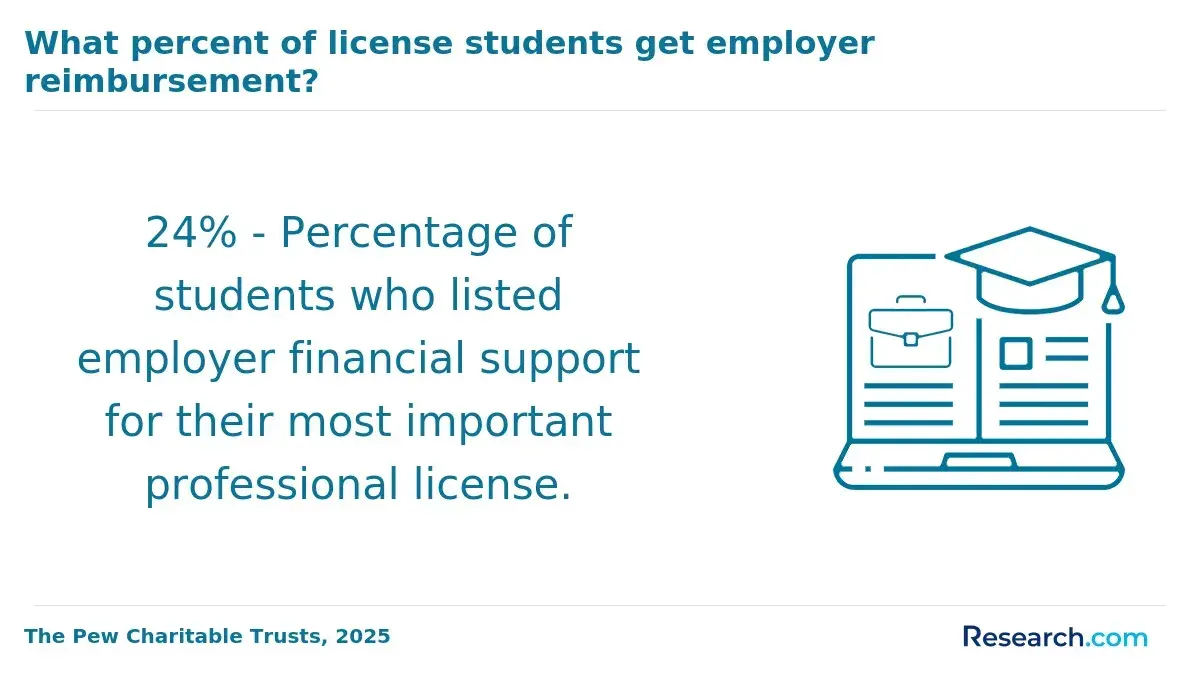
Financially, total costs at accredited institutions generally range between $40,000 and $90,000. Public universities often charge $300 to $500 per credit, providing a comparatively affordable route especially for employed students. In contrast, private and out-of-state tuition can significantly increase expenses. Many students leverage employer tuition assistance or federal aid, though these require foresight in application timing and sustained academic performance.
Projected growth of 7% through 2033 and over 4,000 new health educator positions-cited by Eastern Oregon University from BLS data-signal demand, but students must weigh the payoff against job market realities. Faster completion may offer quicker income but risk compromising program depth or necessary practicum hours. Key tradeoffs include balancing practicum timing with employment, maintaining financial support across multiple years, and ensuring chosen programs meet accreditation criteria critical for state certification eligibility and long-term career mobility.
Which jobs and outreach-focused roles can you pursue with an online bachelor's in community health?
Graduates holding an online bachelor's in community health typically enter roles such as health educators, outreach coordinators, prevention specialists, or program managers within public health agencies, nonprofits, and healthcare systems. Employers demand not only foundational knowledge but also demonstrated experience with data-driven program evaluation, cultural competency, and community engagement.
For instance, managing vaccination campaigns in rural public health settings requires skills in grant administration and nuanced communication tailored to diverse populations. In contrast, roles within educational institutions often involve balancing outreach efforts with adherence to policy and regulatory standards. Proficiency in health literacy communication and program evaluation software is increasingly essential across these positions.
The starting point for most graduates is entry-level health educator roles, with an average salary around $56,476 annually. This aligns competitively with other public health bachelor's degree paths but requires ongoing professional development in epidemiology and health policy to progress toward supervisory or specialized prevention positions within a typical five-year timeframe.
What salary ranges and advancement opportunities exist for community health outreach and prevention professionals?
Starting salaries for community health outreach and prevention roles with a bachelor's degree typically fall between $46,590 and $60,600. This range is most common for positions like health educator or community health worker, especially when candidates pass the Certified Health Education Specialist (CHES) exam. However, these entry-level wages often reflect budget limitations in public or nonprofit sectors rather than pure merit or performance.
Advancing beyond this range usually requires accruing specialized skills or certifications and gaining program management experience, which can push salaries above $70,000 within five to seven years. Yet, progression is uneven. Smaller nonprofits or rural organizations may offer fewer upward opportunities, meaning individuals might consider relocating or shifting toward healthcare consulting or corporate wellness to break through wage ceilings.
Employers now expect more than foundational knowledge: candidates with community-specific cultural competence, proficiency in health informatics, and program evaluation stand out. Moving into supervisory or policy roles usually demands graduate-level education or significant field experience.
Professionals eyeing meaningful salary growth and leadership influence should weigh the practical costs of additional education against potential geographic and sectoral shifts, since wage gains are not guaranteed solely by tenure or certifications in budget-restricted organizations.
Are there certifications or licenses that strengthen career prospects for community health outreach specialists?
Certifications and licenses directly impact employability and compensation trajectories for community health outreach specialists by signaling verified expertise and regulatory compliance. The Certified Health Education Specialist (CHES) credential, managed by the National Commission for Health Education Credentialing, requires a targeted bachelor's degree and a demanding exam, positioning holders above general health degree graduates when competing for roles in public and nonprofit organizations.
While not universally mandatory, the Certified in Public Health (CPH) credential often correlates with higher initial salaries and longer job retention, especially within government prevention programs. This highlights a strategic advantage for those seeking leadership tracks rather than entry-level positions.
Licensing demands vary significantly by state and function. For those engaged in clinical prevention or disease intervention, state licensure or registration may be essential, particularly in Medicaid-funded or state department programs, given employer liability concerns and reimbursement rules.
Working adults pursuing online bachelor's degrees face timing challenges: part-time students balancing jobs might extend certification timelines beyond the typical 3-4 years full-time duration outlined by Intelligent.com, which can delay entry into paying roles. Additionally, specialized certificates in cultural competence or substance abuse prevention refine skills crucial for rural or underserved area placements, often tied to grant funding and program requirements.
How can prospective students evaluate and choose the best online community health bachelor's program for their goals?
Choosing an online community health bachelor's program requires a rigorous focus on accreditation and curriculum that directly supports specific career outcomes. Not all programs prepare students equally for practical roles; prioritizing courses in outreach, epidemiology, health policy, and prevention better equips graduates for employment in public health agencies or nonprofits.
Faculty expertise and research or internship opportunities are particularly relevant for students aiming at health education or training positions. National labor data projects a 17.3% growth in healthcare professor roles, with median salaries exceeding $105,000, signaling increased need for educators adept at training emerging professionals.
Working adults must balance affordability with flexibility. Programs with asynchronous formats and minimal residency demand improve viability for employed students but verifying available advising and technical support is essential to prevent attrition.
Incorporating practicum placements in partnership with local health organizations significantly enhances readiness for community-facing roles or policy implementation. For example, a student transitioning from administrative health duties to outreach coordination should seek programs emphasizing behavioral health and data analytics to gain a competitive advantage.
Key considerations include:
- Accreditation status aligned with professional certification requirements
- Curriculum relevance to targeted job functions
- Availability of real-world experience through internships or practicums
- Faculty qualifications and research engagement
- Flexibility and student support tailored for working professionals
Other Things You Should Know About Community Health
In 2027, the top-rated online bachelor's programs in community health, such as those offered by Arizona State University, University of Florida, and Walden University, emphasize interdisciplinary coursework and practical training to prepare graduates for varied career paths in outreach and prevention.
A general community health bachelor's offers broad foundational knowledge suitable for various outreach and prevention roles but may put graduates at a disadvantage when competing for specialized jobs requiring expertise, such as maternal health or epidemiology. Specializations can enhance job prospects by aligning with employer needs, but they also narrow early career options. Applicants must weigh immediate employability benefits against long-term flexibility in community health sectors.
Employers expect community health graduates to be proficient in data management, digital communication tools, and health information systems due to the increasing reliance on technology in outreach programs. Online degrees tend to better prepare students in these areas compared to traditional programs, as remote learning integrates these skills daily. Prioritizing programs with robust training in health informatics and virtual community engagement improves employability in modern prevention roles.
Working professionals should assess their current workload and career goals before choosing part-time or accelerated formats. Part-time programs offer sustainable pacing, reducing burnout and allowing practical application between courses, which benefits retention and skill integration. Accelerated programs may deliver quicker entry or advancement but demand intensive time management and risk compromising depth of understanding in complex community health topics. Prioritize based on capacity to maintain quality learning without sacrificing job performance.
References
- How to choose a bachelor's in public health | edX https://www.edx.org/resources/how-to-choose-a-bachelors-in-public-health
- Top 10 Online Bachelor’s Degree Public Health Programs https://www.masterspublichealth.net/best/online-bachelors-public-health/
- Public Health Online | Online Public Health Degrees https://www.publichealthonline.org/
- Community Health Worker Job Guide | MSU Denver https://www.msudenver.edu/innovative-lifelong-learning/blog/community-health-worker-jobs/
- Bachelor of Science in Public Health Program Online - RGU SVG BSPH - Richmond Gabriel University https://richmondgu.org/bachelors-in-public-health-program/
- Community Outreach Specialist: Job, Salary & Requirements https://www.appliedbehavioranalysisedu.org/jobs-related-to-applied-behavior-analysis/what-is-a-community-outreach-specialist/
- Community College vs Online Degrees: A Comparison https://www.sophia.org/blog/higher-education/community-college-vs-online-degree/
- 15 Best Online Bachelor's in Public Health - Healthcare Administration Degree Programs https://www.healthcare-administration-degree.net/best/online-bachelors-in-public-health/
- How to Choose a Program https://www.publichealth.org/resources/choosing-a-program/
- Community health workers: Salary, career path, job outlook, education and more - RaiseMe https://www.raise.me/careers/community-and-social-service/health-educators/community-health-workers/