2027 Community Health Careers With the Best Long-Term Stability

Co-Founder and Chief Data Scientist
Balancing the need for advanced credentials with the unpredictability of funding and shifting employer demands poses a persistent challenge for community health professionals seeking long-term stability. Even as workforce projections from the Bureau of Labor Statistics predict above-average growth driven by aging populations and expanded preventive care, not all educational pathways align with practical constraints like work schedules or financial pressures.
For example, the rising 35% increase in online program enrollment among adult learners through 2024 signals a structural shift toward flexible learning but also demands scrutiny of program rigor and employer recognition. This article identifies community health careers offering the most durable prospects and analyzes pathways that effectively reconcile accessibility with market viability to guide your strategic educational and career decisions.
Key Things You Should Know
- Demand forecasts from the Bureau of Labor Statistics project 13% growth in community health roles through 2031, but entry-level certification paths often yield lower wages for five years, pressuring candidates weighing rapid employment versus salary trajectory.
- Employers increasingly prioritize candidates with bilingual and digital health literacy skills, evidenced by a 2024 Health Affairs report linking these competencies to 22% higher retention, pressuring training programs to integrate costly specialized modules.
- State-by-state licensure variability and workforce shortages disproportionately affect rural community health careers, increasing credentialing time by 30% on average per a National Governors Association study, which constrains timely labor market entry despite growing demand.
What are the most stable community health careers for long-term job security and growth?
Long-term job stability in community health professions hinges on roles that integrate technical competencies with effective public interaction, such as community health workers and health educators. For example, a community health worker in an urban clinic who masters chronic disease management can enhance employability, while rural workers must often cover broader responsibilities like emergency preparedness, impacting their required training.
Projected employment growth of 11% through 2034 and median pay of $51,030 for community health workers reflect a demand driven by the need to address cultural and socioeconomic barriers in diverse populations. However, funding sources critically affect job security: positions within federally funded or nonprofit programs tend to offer greater stability compared to grant-dependent organizations with less predictable resources.
Key factors influencing stable community health careers with job security and growth include employer expectations for cultural competency, bilingual skills, and flexibility in outreach strategies. Credentials such as formal certifications or associate degrees often enable better pay and advancement, especially when paired with data reporting or digital outreach abilities aligned to telehealth trends.
Aligning educational choices with evolving public health priorities requires practical assessment. Candidates should consider workforce demands and seek programs that build measurable community impact skills while evaluating how different employer infrastructures influence career durability. Prospective students may explore relevant pathways via online EHS degree programs as part of this strategic approach.
What education and training do you need to start a community health career?
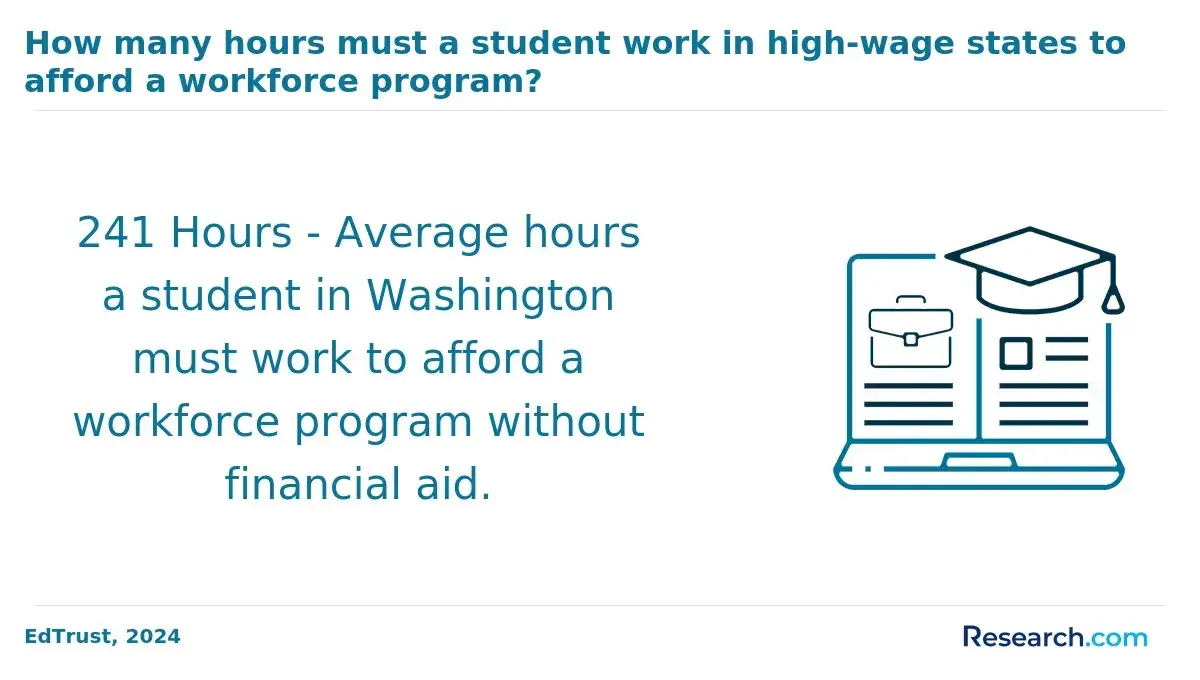
Securing a stable role in community health demands credentials that balance regulatory requirements with employer expectations. Entry-level openings typically require an associate degree or certifications such as Licensed Practical Nurse (LPN) or Certified Community Health Worker. However, given the projected 1.9 million annual healthcare job openings between 2024 and 2034, registered nurses with a Bachelor of Science in Nursing (BSN) increasingly represent the minimum threshold for broader responsibility and job security.
Including practical elements, many community health education and certification requirements mandate 500 to over 1,000 clinical hours to validate readiness in real-world environments, particularly in underserved areas.
Individuals shifting from unrelated careers face critical decisions about program duration, costs, and clinical exposure. Bridge programs and accelerated associates-to-BSN tracks compress timelines but often intensify workload and financial pressure. Candidates must also plan for continuing education to maintain licensure, a non-negotiable for sustained employability.
Employers favor applicants who demonstrate both solid foundational knowledge-courses like anatomy and pharmacology-and proven community engagement. Selecting training programs for community health professionals that incorporate practicum partnerships and job placement support can minimize employment gaps.
For those evaluating educational pathways, understanding these dynamics and tradeoffs is fundamental. Additional insight into accelerated healthcare administration degree options is available through healthcare administration degree resources, offering comparative data critical to strategic decision-making.
How strong is the job outlook for community health careers in the coming decade?
Job growth for community health careers in the United States is driven by an increasingly complex healthcare landscape, with nurse practitioners forecasted to expand by 45% between 2022 and 2032. This robust demand reflects shifting employer priorities toward professionals who can manage chronic diseases and navigate multidisciplinary care in outpatient and rural settings.
For those considering long-term employment stability for community health professionals, emphasis falls on roles that blend clinical expertise with cultural competence and technological fluency, particularly in electronic health records and population health analytics.
Entry into advanced practice roles such as nurse practitioners involves committing to a master's or doctoral degree and extensive clinical hours, challenges that must be weighed against the benefits of job security and upward mobility.
Alternatively, community health workers access the field sooner with certifications but encounter variable demand and lower remuneration. The strategic decision often hinges on balancing educational investment with realistic labor market outcomes.
Employers favor candidates adept at delivering cost-effective primary care and education tailored to diverse populations. Prospective students should also assess geographic demand variability and licensing complexities that can influence career trajectories.
For those seeking flexible pathways that integrate business and healthcare management, exploring the cheapest online MBA healthcare management programs might complement clinical training while expanding leadership prospects.
Which community health degrees and certificates best support long-term career stability?
Degrees focused on healthcare management within public health provide the strongest alignment with sustained job security in community health. Medical and Health Services Managers face a projected 29% employment growth between 2023 and 2033, reflecting demand for administrative roles in this sector.
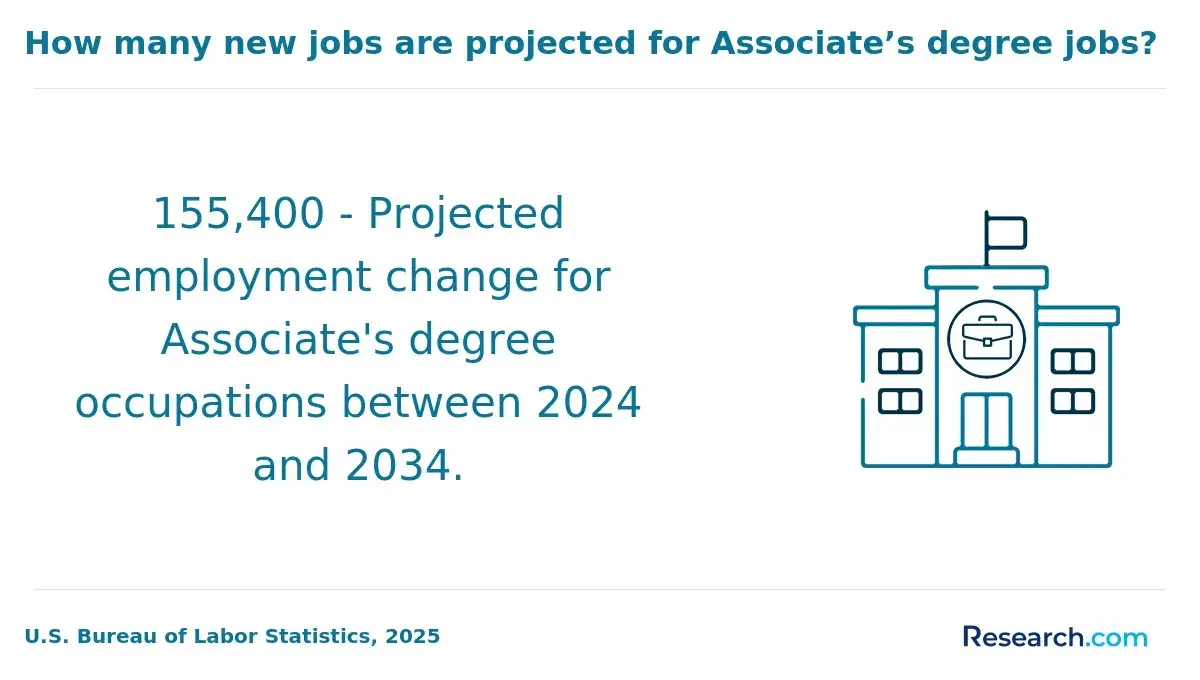
However, degree level directly impacts career trajectory: associate degrees typically lead to support positions with limited advancement, while bachelor's and master's degrees in public health or health services administration open pathways to leadership roles across hospitals, nonprofits, and government agencies.
For working professionals seeking the best certificates for long-term community health careers, credentials in healthcare quality improvement, epidemiology, or health informatics are particularly valuable. These certificates enhance practical skills necessary for data-driven decision-making and regulatory compliance, especially for those transitioning from clinical roles to management.
Employers prioritize candidates who supplement degrees with certifications in project management or community outreach to effectively navigate operational challenges alongside social determinants of health.
Regionally, workforce needs shape the value of credentials; areas with aging populations reward expertise in chronic disease management integrated into community health initiatives. Graduates should seek accredited programs emphasizing internships or practicum experiences to meet employer expectations. Balancing educational investment against practical role applicability remains critical for career durability.
Prospective students comparing options like WGU vs Chamberlain must consider how well programs prepare for real-world challenges in community health administration through actionable health policy and data analytics, which increasingly dictate long-term employability.
How do salaries compare across community health careers with strong long-term demand?
Salary outcomes in community health careers hinge on education level, certifications, and practical scope of work, with significant disparities in income reflecting workforce stratification. Physician assistants command median wages above $120,000 annually, paired with a projected job growth of 28% over a decade, driven by their ability to perform advanced clinical tasks with less educational investment than physicians.
In contrast, community health workers tend to earn between $40,000 and $50,000 despite requiring only a high school or associate degree, offering quicker access but limited pay.
Public health nurses represent a middle ground, earning approximately $75,000 to $90,000 depending on experience and employer demands, balancing clinical and community engagement skills alongside registered nurse licensure. Those holding a bachelor's degree in public health generally experience lower starting salaries than physician assistants but benefit from fewer entry barriers and less costly training.
Employers increasingly prioritize versatility-professionals skilled in both clinical care and social determinants of health gain an edge. Practical workforce realities mean candidates must weigh extended training and tuition costs for high-earning roles against earlier employment in less specialized positions. Employers value demonstrable clinical competency and hands-on experience alongside credentials, influencing salary offers across roles.
Prospective students and professionals contemplating a pivot must align their educational choices with personal resources and labor market demands, acknowledging that higher pay potential often demands longer preparation and upfront investment.
What accreditation and program quality standards matter for community health degrees?
Employers in public and private health sectors prioritize graduates from programs accredited by recognized bodies such as the Council on Education for Public Health (CEPH) or regionally recognized accreditors because these ensure students acquire core competencies like epidemiology, health policy, and program planning. Without this accreditation, curricula often lack standardization, leading to weaker job readiness.
For licensed practical nurses aiming for community health roles, enrollment in state-approved programs accredited by organizations like the National League for Nursing (NLN) or Accreditation Commission for Education in Nursing (ACEN) is essential for licensure eligibility and employment prospects. According to the Bureau of Labor Statistics, the median wage for licensed practical and vocational nurses stood at $59,730 in May 2024, pointing to stable but credential-sensitive demand.
Decision-makers evaluating programs should weigh measurable outcomes-graduation rates above 70%, board pass rates exceeding 85%, and established employer partnerships offering clinical placements or internships. Practical experience obtained through collaborations with local health departments often translates to greater community-specific employment opportunities compared to purely academic tracks.
Choosing programs lacking these endorsements risks delayed workforce entry, restricted job mobility, and additional certification requirements. Employers increasingly view accredited credentials coupled with real-world exposure as minimum standards for adaptability in shifting healthcare environments. Prospective students should also confirm if programs support continuing education credits or pathways to advanced certifications in community health administration or health promotion to maintain relevance and upward mobility.
How do online community health programs compare to campus options for career outcomes?
The choice between online and campus community health programs hinges on distinct tradeoffs affecting employment pathways and long-term career sustainability. Online programs enable accelerated entry into roles like home health aide, where median pay approaches $34,900 annually, offering flexibility essential for working adults.
However, such programs typically require students to independently secure supervised clinical experience, introducing potential delays and complexity in meeting licensure criteria.
Campus programs, by contrast, embed clinical internships and foster employer relationships that facilitate on-site training and mentorship-assets that often translate into higher hiring rates in institutional healthcare settings. These elements support careers demanding direct patient interaction and structured professional networking, but they involve longer completion times and higher costs.
Key operational factors to weigh include:
- Online study aligns with fast-growing at-home care jobs but depends on proactive student coordination for practicum hours.
- Campus programs advantage those targeting advanced or institutional roles reliant on tangible clinical exposure and formal network access.
- Employers increasingly value demonstrated competencies, which virtual simulations and remote practicums in online programs can deliver, but practical site experience remains a critical differentiator.
This comparative dynamic shapes career trajectories in the evolving healthcare labor market, where foundational knowledge parity coexists with divergent access to employer engagement and real-world skill application.
What core courses and skills prepare students for lasting community health careers?
Proficiency in applied skills like medical coding, patient privacy laws (e.g., HIPAA), and electronic health records software is central to longer-term employability in community health roles. For instance, accuracy in ICD-10 coding directly reduces billing errors and accelerates insurance claim processing, significantly impacting a healthcare organization's revenue cycle.
Employers prioritize candidates who can reliably manage sensitive health data, making these competencies a baseline expectation for medical records and health information technician positions.
Analyzing public health data and designing targeted interventions depend on solid training in biostatistics and health informatics. Effective community health professionals must also communicate clearly across diverse populations, tailoring outreach to cultural contexts to improve disease prevention outcomes.
These combined abilities translate into real work scenarios such as managing patient records in hospital systems or implementing health initiatives within government programs.
The median annual wage for medical records and health information technicians was $67,310 as reported by the U.S. Bureau of Labor Statistics in May 2024, reflecting relative wage stability tied to technical specialization.
However, students should weigh the value of clinical practica or internships that emphasize electronic health records and community health programming, as these experiences are crucial for quickly adapting to evolving healthcare technologies and meeting employer expectations for regulatory compliance and workforce readiness.
What licenses or certifications improve stability and advancement in community health roles?
Licenses like Registered Nurse (RN), Licensed Social Worker (LSW), Certified Health Education Specialist (CHES), and Certified Community Health Worker (CCHW) shape employment prospects by confirming verified competencies essential to long-term roles within public and nonprofit sectors. For instance, an RN license immediately qualifies candidates for stable government jobs with lower turnover and stronger benefits compared to uncertified entry-level roles.
The differential impact of graduate-level licensure is clear in specialized roles such as speech-language pathology, where median wages reach $95,410 annually, illustrating how regulatory expectations translate into more predictable career trajectories and job security. Such roles demand ongoing licensure renewal and continuing education, which are typically absent in less formalized community health positions, placing uncertified workers at a disadvantage.
Investing in licensure requires upfront financial and time commitments for accredited programs and exams but broadens eligibility across healthcare, education, and social services. Without these credentials, workers face limited job options, temporary contracts, and constrained salary growth.
Employers increasingly require license verification before promotions or salary discussions, making credential maintenance mandatory for career mobility. This creates a practical imperative for workers aiming toward management or specialized clinical roles to prioritize advanced, recognized certifications to meet employer standards and avoid employment gaps.
How should students choose a reputable community health program aligned with their goals?
Program accreditation and specialization alignment critically influence employability outcomes in community health. Accreditation from bodies recognized by the U.S. Department of Education or the Council on Education for Public Health validates curriculum rigor, but graduates from programs lacking specialty tracks risk limited access to roles requiring focused expertise, such as genetic counseling or public health policy.
For example, genetic counseling programs that match National Society of Genetic Counselors' standards prepare students for certification, enabling entry into positions with a median annual wage around $98,910 per BLS data from May 2024.
Employment rates and employer collaborations providing internships or direct job placements offer stronger indicators of program value than institutional prestige. Candidates targeting rural health must assess whether the curriculum integrates community-specific health challenges and outreach practices, as urban-centric programs may leave graduates ill-equipped for different demographic needs.
Logistical considerations significantly impact workforce reentry and skill acquisition. Accelerated or hybrid programs offer scheduling flexibility but may sacrifice hands-on training necessary for employer-desired competencies. Longer programs with clinical rotations enhance practical skills at the cost of delayed earnings. Transparent data on certification pass rates and employer feedback further clarify a program's capacity to meet workforce demands.
Other Things You Should Know About Community Health
Long-term stability in 2027 community health careers is influenced by factors such as job demand, evolving healthcare policies, availability of funding, and advancements in technology. Staying adaptable and continuously updating skills can also enhance job security and stability for community health professionals.
Employers expect entry-level community health workers to complete foundational certifications with a focus on practical skills, while advanced roles demand ongoing education, including specialized certifications or even graduate degrees. Candidates aiming for stability should plan for continuous professional development tied to their career stage. Those who do not engage in further training risk stagnation, as advanced positions regularly require demonstrable updates in knowledge due to evolving public health standards.
Gaining experience across diverse settings enhances adaptability and exposes workers to a range of health issues, which employers value for long-term stability. However, early specialization can lead to niche expertise that commands higher salaries but narrows job opportunities. For most pursuing stable careers, a broad base followed by targeted specialization offers the best balance between immediate employment and future advancement potential.
Programs with robust field placements provide direct employer exposure and hands-on experience, increasing employability upon graduation. Conversely, theory-focused programs build a foundation for research or policy careers but may limit immediate job prospects. Students prioritizing stable, community-based roles should favor programs that integrate substantial practicum hours with real-world supervision to meet employer preferences and reduce onboarding time.
References
- Community Health Career - Public Health https://www.publichealthonline.org/community-health-career/
- Public Health Career Salaries: What to Expect Across Roles https://www.scuhs.edu/bshs-article/public-health-career-salaries-what-to-expect-across-roles/
- How is the Job Outlook for the Public Health Field? - Healthcare Management Degree Guide https://www.healthcare-management-degree.net/faq/how-is-the-job-outlook-for-the-public-health-field/
- How to Choose a Program https://www.publichealth.org/resources/choosing-a-program/
- 11 Essential Skills for Health & Social Care Careers in London https://www.twclondon.org.uk/blogs/skills-for-health-and-social-care-career
- Is an MPH in Community Health Right for You? https://masterspublichealth.com/mph-in-community-health/
- Does Location Matter? The Benefits of Big City Public Health Education - MPH Online https://www.mphonline.org/importance-of-health-education/
- Essential Skills for Community Health Workers | Alison https://alison.com/course/essential-skills-for-community-health-workers
- Community Health and Public Health | University of Phoenix https://www.phoenix.edu/articles/healthcare/community-health-and-public-health-differences.html
- How To Become A Community Health Worker? A Guide for Beginners – ILCHWA https://ilchwa.org/become-a-community-health-worker/