2027 Best Online Bachelor's in Community Health for Behavioral Health Outreach Career Paths

Co-Founder and Chief Data Scientist
Behavioral health outreach professionals often confront a critical challenge: balancing rigorous academic requirements with demanding work schedules and personal commitments. Many face limited access to traditional bachelor's programs that lack flexible timing, which can delay career advancement or entry into this high-growth field. Recent data from the National Center for Education Statistics reveals a 28% increase in adult learners enrolling in accredited online health programs since 2022, reflecting a shift toward accessible, adaptable education models responsive to workforce needs. This article evaluates the best online bachelor's in community health tailored specifically for behavioral health outreach careers, focusing on program flexibility, career relevance, and practical outcomes to guide informed enrollment decisions.
Key Things You Should Know
- State licensure and certification requirements vary widely, with 22 states mandating specific behavioral health outreach credentials, creating tradeoffs between program accessibility and post-graduation employment scope according to the National Council for Mental Wellbeing's 2024 licensure review.
- Employers increasingly prioritize candidates with internships exceeding 300 hours in community health settings, per 2024 Bureau of Labor Statistics data, pressuring students to select programs with embedded practicum components to gain competitive advantages.
- Online bachelor's programs average $25,000-$40,000 total costs, often requiring 4+ years; students face timing and affordability challenges that impact workforce entry speed, highlighting a key access tradeoff in career pivot feasibility.
What is an online bachelor's in community health and how does it prepare you for behavioral health outreach careers?
An online bachelor's in community health programs for behavioral health outreach provide targeted skills essential for navigating complex social determinants and public health challenges relevant to behavioral interventions. These programs emphasize applied competencies such as designing and evaluating outreach strategies and collaborating with local agencies, which are critical for working directly with at-risk populations. A professional engaging with youth in urban environments, for example, must integrate program evaluation methods to refine outreach efficacy, a skill frequently developed through case-based remote learning.
Graduates from these pathways gain nuanced understanding of mental health disorders, substance abuse prevention, and crisis intervention tailored to diverse communities. Employment prospects in behavioral health outreach are favorable: the U.S. Bureau of Labor Statistics predicts an 11-12% growth for health education specialists and community healthworker roles by 2034, translating to roughly 7,800 new annual openings nationwide. Despite this growth, not all online degrees offer adequate practical experience-lack of practicum placements or state licensure alignment can diminish employability in clinical settings.
Bachelor's degree community health pathways to behavioral health careers should therefore be evaluated on their integration of applied learning and accreditation status. Those prioritizing immersion in fieldwork and state certification requirements position themselves better for immediate workforce entry. Prospective students might also consider online health information management degree programs CAHIIM accredited if seeking related administrative versatility within health services.
What behavioral health outreach jobs can you get with an online community health bachelor's degree?
Behavioral health outreach careers with an online community health degree demand nuanced skills beyond foundational knowledge. For example, case managers in public health agencies must dynamically balance client assessments and mental health referrals while managing limited resources. Graduates entering this field must also demonstrate cultural competency, precise data collection, and effective health communication, frequently within multidisciplinary teams.
Many job opportunities in behavioral health using an online community health bachelor's degree coincide with regulatory and certification requirements. Programs offering practicum or internship components better prepare students for state certifications and supervised experience, essential for securing positions across diverse settings from clinical to nonprofit organizations. This pathway's complexity varies by environment, reflecting differences in budgets, client demographics, and compliance demands.
The U.S. Bureau of Labor Statistics anticipates roughly 313,700 annual openings through 2034 in community and social service roles, a volume influenced by both workforce expansion and replacement. Candidates with bilingual abilities and geographic flexibility gain advantages in competitive urban markets. However, the need for continuous training beyond the bachelor's degree remains pronounced as employers raise standards.
Graduates should expect to juggle outreach duties alongside rigorous data reporting and funding compliance across multiple concurrent programs. Early strategic planning around internships aligned with behavioral health outreach increases employability. Those interested may compare pathways, including accelerated healthcare administration degree programs such as those listed by accelerated healthcare administration degree, for alternative or complementary routes within health services management.
How do you choose an accredited online community health program that employers will respect?
Employers prefer candidates from accredited online community health programs recognized by employers because these credentials signal verified competencies and reduce recruitment risk. Accreditation by bodies such as the Council on Education for Public Health ensures the curriculum aligns with employer standards. Candidates who gain practicum or internship placements with respected behavioral health organizations enter the workforce better prepared to handle real outreach challenges.
Programs focused on behavioral health outreach offer a practical advantage in a competitive labor market. Without targeted skills in mental health services or substance abuse counseling, graduates face limited roles compared to peers with specialized training. For working professionals, balancing schedule flexibility with rigorous coursework is critical to maintain resilience and prevent burnout during study.
Reviewing reported graduation and employment rates helps identify programs that deliver outcomes. Institutions with over 70% employment in social and community service roles demonstrate alignment with workforce needs. Social and community service managers earn a median wage of $78,240, significantly higher than the overall community and social service median, emphasizing the importance of qualifying for supervisory roles. Prospective students considering the most cost-effective options might explore an MHA degree, bearing in mind that advanced credentials contribute to long-term career growth.
How does an online community health bachelor's compare to a campus program for behavioral health careers?
Choosing between an online community health bachelor's vs campus program for behavioral health careers hinges on balancing flexibility against experiential depth. While online programs offer theoretical parity and scheduling adaptability ideal for working professionals, they commonly lack the structured, supervised fieldwork that campus programs embed through guaranteed practicum placements. This difference matters because employers increasingly prioritize hands-on competencies and client-facing experience in behavioral health outreach roles.
The advantages of earning a community health degree online for behavioral health outreach include access to broader electives and the ability to apply learning immediately in one's local context. However, securing meaningful field experiences requires proactive effort and can vary widely in quality-posing risks to career readiness. By contrast, campus students benefit from integrated team collaboration and consistent employer engagement through local agency partnerships, which can simplify entry into medical and health services management roles, a field growing by 23.2% per the Bureau of Labor Statistics through 2034.
For those pivoting into outreach roles while working, an online pathway's flexibility supports continuous employment but demands independent navigation of field placements to meet expectations for leadership and hands-on proficiency. For students seeking immersive clinical teamwork and employer-networked practicum, campus-based routes may offer clearer pipelines. In this context, some learners consult comprehensive resources on direct entry MSN programs to weigh advanced clinical education options alongside community health degrees.
What courses and specializations in community health best support behavioral and mental health outreach work?
The most effective community health programs for behavioral and mental health outreach prioritize courses in behavioral sciences, epidemiology, and mental health promotion. Core classes like abnormal psychology, substance abuse prevention, health communication, and social determinants of health are crucial for understanding and addressing behavioral risk factors across diverse populations. This academic foundation enables practitioners to develop targeted interventions that address mental health disparities specifically in underserved areas.
Specializing in areas such as mental health counseling, public health policy, or crisis intervention aligns education with the expectations of employers in clinical and community environments. For example, trauma-informed care training equips graduates to support survivors of abuse or disaster, meeting the demand for evidence-based, trauma-sensitive approaches in behavioral health outreach. According to PublicHealthOnline.org, the median annual wage for community and social service occupations is $57,530, approximately 28% higher than the national average, confirming strong labor market valuation of these skills.
Programs integrating applied internships or fieldwork are indispensable, as employers frequently require demonstrated real-world experience. Students should critically assess offerings for flexible, accredited practicums versus theoretical-only curricula. Proficiency in data analysis and health informatics further enhances ability to measure intervention effectiveness and adjust strategies dynamically, improving outcomes within behavioral health frameworks.
What are the typical admission requirements for online bachelor's in community health programs?
Admissions criteria for online bachelor's degrees in community health often impose practical barriers that affect candidate suitability and eventual career outcomes. Typical requirements include a high school diploma or equivalent, a minimum GPA around 2.5 to 3.0, and proof of completion of core academic courses in English, math, and science. Many programs waive standardized test scores but still expect a personal statement that demonstrates clear motivation for behavioral health outreach work.
Applicants with non-traditional backgrounds or transfer credits face additional scrutiny via letters of recommendation and transcript evaluations, which can extend admissions timelines and complicate enrollment. For instance, transfer students usually need 30 to 60 credits that fully align with program requirements to avoid extra coursework or lost time.
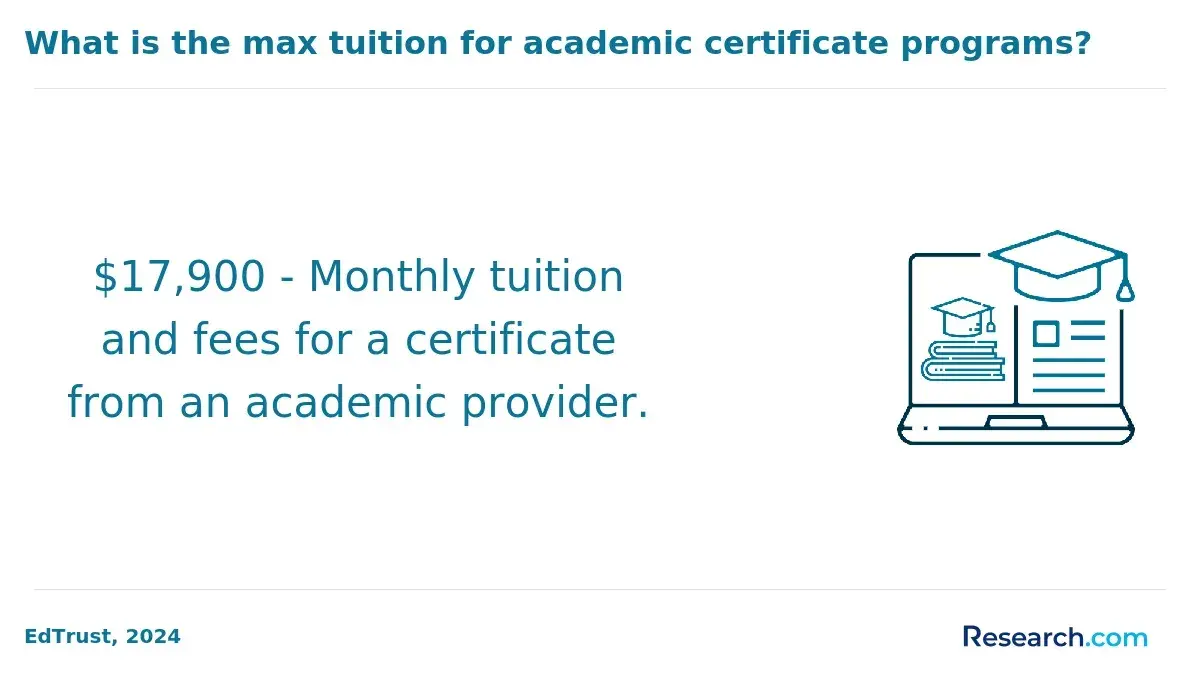
Beyond admissions, cost is a significant factor influencing the true value of this degree path. The University of Oklahoma Online charges $550 per credit hour, making the full 120-credit bachelor's approximately $66,000 pre-aid. Students pursuing community health careers must weigh this against often modest entry-level salaries, which may delay loan repayment and affect financial stability.
Online delivery adds another dimension: candidates must demonstrate reliable internet access and digital literacy to engage with course platforms effectively. Success in community health roles hinges not just on academic credentials but the ability to operate within tech-enabled environments and complete community engagement projects.
How long does an online community health bachelor's take and what does it usually cost?
The timeline for completing an online community health bachelor's degree directly impacts career trajectory and financial burden. Full-time enrollment typically requires 3 to 4 years, but accelerated tracks shortcut this to about 2 to 2.5 years, demanding continuous year-round study and strong time management. Part-time studies, common among working adults, extend completion to 5 or 6 years, delaying workforce entry and raising opportunity costs-particularly significant for those switching careers into behavioral health outreach roles.
Cost structures vary across institutions: public in-state tuition averages $7,000 to $15,000 annually, while private institutions range from $20,000 to $40,000 per year. Total expenses, including fees, materials, and online tech surcharges, often push degree costs to $30,000-$60,000. Prospective students must also budget for internships or practicum placements, which employers expect alongside degrees due to strong labor demand indicated by a 23% projected job growth through 2026, per Bureau of Labor Statistics data referenced by Seton Hill University.
Choosing between accelerated and traditional pacing involves evaluating immediate financial flexibility against time-to-employment goals. For example, a working adult prioritizing income stability might accept longer part-time studies, while recent high school graduates may opt for public programs to minimize debt and enter the workforce sooner. Online programs that embed practicum experiences reduce transition friction but can introduce scheduling and travel complexities. This balance of duration, cost, and practical experience is critical for aligning educational investment with realistic employer expectations and timely career entry in community health outreach.
What certifications or credentials can community health graduates earn to advance in behavioral health outreach?
Graduates holding a bachelor's in community health who aim for behavioral health outreach must weigh the immediate employability benefits of certifications against the longer-term investment of advanced licensure. Entry points such as Certified Community Health Worker (CCHW), Peer Support Specialist, or Crisis Intervention Training certifications offer practical outreach skills without requiring graduate degrees, facilitating faster workforce entry but often with salary ceilings. In contrast, Licensed Social Worker (LSW) or Licensed Professional Counselor (LPC) credentials unlock higher-paying roles managing complex cases but require graduate education and supervised clinical hours, limiting accessibility directly after a bachelor's.
For those targeting substance use disorder outreach, the Certified Alcohol and Drug Counselor (CADC) credential strategically bridges foundational community health knowledge with specialized case management, typically aligning with median salaries near $55,000. Complementary certifications like Certified Health Education Specialist (CHES) support roles emphasizing health education outreach, with typical earnings around $45,000, often enhancing a candidate's competitiveness when combined with others.
Employers, particularly in nonprofit and healthcare sectors, prioritize credentials that blend clinical competence and community engagement. Graduates without advanced licenses should consider credential stacking (e.g., CHES plus CADC) to broaden their job market options and income potential. This approach aligns with workforce data from the National Association of Social Workers and government reports showing that clinical certifications drive preference for managing behavioral health cases, while practical certifications can provide viable entry points with pathways for advancement.
What is the salary potential and job outlook for community and behavioral health outreach professionals?
Entry-level salaries for community and behavioral health outreach professionals generally range from $40,000 to $60,000, varying by employer type and location. Public health agencies, nonprofits, and healthcare systems typically offer compensation near the lower boundary, reflecting limited responsibilities and specialized skills.
Career progress in this field hinges on investment in additional credentials or graduate education, which often separates stagnating outreach workers from those moving into higher-paying positions. For instance, a behavioral health outreach worker in a metropolitan health department without graduate credentials may face a prolonged ceiling on earnings, whereas those completing a master's or doctoral degree can advance to roles like program director or postsecondary healthcare teacher, positions averaging median salaries above $100,000 with strong projected growth.
Employers increasingly expect advanced degrees, certifications, and proven leadership capabilities for elevated roles, making further education a practical necessity rather than optional. However, candidates must weigh these educational costs and time commitments against market variability caused by funding fluctuations and geographic differences. This context-oriented view clarifies why professionals aiming for substantive career advancement in community health should scrutinize the real-world tradeoffs between immediate earnings and long-term growth potential.
How can working adults succeed in an online community health degree while balancing jobs and family?
Balancing a community health degree with full-time work and family demands requires deliberate program selection coupled with adaptive time management. For example, an individual working 40 hours a week and caring for children must prioritize programs that offer asynchronous coursework and flexible deadlines to minimize scheduling conflicts and burnout. Rigid class times risk undermining both progress and well-being.
Building structured peer and instructor engagement channels is vital to counter the isolation often experienced in online learning. Cohort models or recurring virtual study sessions foster accountability and practical problem-solving aligned with workplace realities. Early utilization of employer tuition assistance and career services ensures coursework relevance to evolving health education specialist skill requirements.
The labor market projects a 12% growth rate for health education specialists and community health workers-over twice the average for all occupations-making applied skills in behavioral health outreach and population health analytics especially valuable. However, fully committing to a bachelor's degree should be weighed against faster credentialing options like certificate programs for quicker labor market entry.
Other Things You Should Know About Community Health
A broad community health degree offers versatility in career paths and foundational knowledge across multiple health areas, while a specialization in behavioral health provides targeted skills for specific outreach roles, potentially making graduates more marketable in behavioral health settings.
Choosing a degree with a specific behavioral health concentration generally enhances job readiness by providing tailored coursework and relevant practical skills. Broad community health degrees offer flexibility, but graduates may need additional certifications or training to meet employer expectations in behavioral health. If immediate employment in behavioral health outreach is the goal, prioritize programs that include focused curricula and applied behavioral health training.
Employers in government or nonprofit sectors typically value formal education combined with community service experience, often requiring demonstrated skills in cultural competence and data management. Clinical or healthcare settings may demand more specialized knowledge, higher credentialing, or experience with health information technologies. Applicants must tailor their education and practical training to the specific demands of their target employers within behavioral health outreach.
Accelerated programs offer faster completion but often increase weekly workload and limit flexibility, which can strain working adults balancing jobs and family responsibilities. Traditional paced programs provide more time to absorb complex material and apply learning in the workplace but may delay career advancement. Adults should weigh their current capacity for intensive study against the urgency of entering or advancing in behavioral health outreach when selecting a program pace.
References
- Community Health Worker Certificate - Northern Essex Community College https://necc.edu/academics/credit-programs/health/community-health-worker-certificate/
- Community Health Worker Institute https://www.tarrantcountytx.gov/en/public-health/public-health-administration/community-health-worker-institute.html
- Mental Health Outreach Worker Job Description, Qualifications and Salary | TrainSmart https://tsa.edu.au/careers/mental-health-outreach-worker-job-role/
- Community Health Career - Public Health https://www.publichealthonline.org/community-health-career/
- Community Health Worker Certification by Jurisdiction https://www.astho.org/topic/brief/community-health-worker-certification/
- Specializations https://www.publichealthdegrees.org/specializations/
- Online Bachelor's Degrees in Public Health: Find the Right School https://www.edumed.org/online-schools/public-health-degrees/
- The Major Distinctions Between Certified Health Education Specialists and Community Health Workers https://www.nchec.org/news/posts/ches-vs-community-health-workers
- Community Mental Health, BA Online https://www.nec.edu/programs/community-mental-health-b-a
- How to Choose an Accredited Online Degree Employers Will Respect - USA Online Degrees https://usaonlinedegrees.com/how-to-choose-accredited-online-degree/