2027 Community Health Specializations for Prevention and Wellness Careers

Co-Founder and Chief Data Scientist
Facing a critical shortage of qualified prevention and wellness professionals, many community health students struggle to choose specializations that align with real-time labor market demands. The Bureau of Labor Statistics projects a 13% increase in health educator roles by 2032, yet program accessibility remains uneven, with adult learners often constrained by rigid schedules or location-based requirements.
This forces many to delay career transitions or settle for less relevant credentials, undermining both student investment and workforce readiness. Recognizing how flexible online and hybrid pathways reshape enrollment patterns is essential for making timely, effective program choices.
This article examines key community health specializations geared toward prevention and wellness careers, focusing on pragmatic impacts to help aspiring professionals navigate educational options aligned with workforce realities.
Key Things You Should Know
- Programs emphasizing social determinants of health outpace traditional models by 27% in graduate placement rates, signaling employer demand for competencies beyond clinical intervention frameworks.
- Employer surveys reveal 42% of community health roles now require mastery in data analytics software, forcing candidates to weigh added certification time against immediate field entry.
- Median program costs rose 12% since 2023 in accredited public institutions per NCES data, creating access barriers that steer many towards shorter certificate routes with narrower employer recognition.
What are the most in-demand community health specializations for prevention and wellness careers today?
Demand for roles such as health education specialists, chronic disease prevention coordinators, and wellness program managers reflects distinct operational realities within prevention and wellness career paths in community health. Health education specialists, earning a median wage near $63,000 as of May 2024, focus on designing culturally competent programs that address social determinants of health—not generic campaigns—responding directly to employer priorities.
Chronic disease prevention specialists confront rising healthcare costs and demographic shifts by developing targeted interventions for conditions like diabetes and heart disease.
For example, rural community health workers must adapt strategies to limited healthcare infrastructure and transportation, while urban counterparts often require advanced data analytic skills for effective program evaluation. This juxtaposition reflects divergent skill demands and regional workforce implications.
Wellness program managers balance evidence-based interventions against budget and policy constraints, striving for measurable benefits without sacrificing participant engagement. Employers increasingly expect proficiency in data-driven program evaluation and clear ROI communication, pushing prospective workers to prioritize certifications and hands-on experience in health communication and evaluation.
Students and professionals evaluating wellness career paths in community health must consider the tradeoff between specialization, which can yield higher starting salaries but fewer cross-sector opportunities, and versatility, which offers broader employment but often lower initial pay. This shapes credentialing and experiential learning choices, including pathways such as an online mental health counseling masters, which complements these roles.
What degree levels and academic pathways prepare you for community health prevention roles?
A bachelor's degree in public health, community health, or health education remains the foundational academic pathway for roles in community health prevention, where employers expect solid grounding in behavior change, epidemiology, and program planning. While associate degrees or certificates enable faster entry into entry-level community health worker roles, they significantly restrict career progression and salary growth.
For example, a professional transitioning from healthcare support may secure immediate employment with an associate degree but will face stiff competition for coordinator or specialist positions that require advanced analytical and leadership abilities typically developed in bachelor's programs.
Employers consistently prefer candidates from programs accredited by the Council on Education for Public Health or similar bodies, as these include practical internships and community engagement, critical for effective work within diverse populations.
A master's degree is often required for prevention roles emphasizing research, policy analysis, or program management, which involve statistics and grant writing. The projected 11% employment growth from 2024 to 2034, and a median annual wage of $51,030 for community health workers as of May 2024, demonstrate sustained labor market demand, making thoughtful educational choices vital.
Students must weigh time and financial tradeoffs: bachelor's programs generally require four years of full-time study, while associate credentials take 12 to 24 months but often lack access to federal funding beyond state levels. Part-time and online formats increase accessibility but frequently reduce practicum placements, a key to workforce entry. Choosing community health prevention degree programs with embedded experiential learning improves job placement success.
Critical coursework includes social determinants of health, health communication, and cultural competency to ensure effective messaging across schools, nonprofit outreach, and urban clinics. Candidates without formal public health education face longer job searches and limited employer pools.
Those exploring community health careers should also consider related areas like healthcare administration courses to diversify skills and improve opportunities.
How do community health programs differ by specialization in focus, skills, and career outcomes?
Specializing in population health versus wellness programs presents distinct implications for those pursuing community health program specializations and career paths. Population health demands advanced competencies in data analytics and systemic policy response, particularly to address widespread workforce shortages evident in over 90% of U.S. counties, mainly rural and Southern.
Roles here tend toward administrative or policy levels, requiring graduate credentials and extensive experience to navigate resource allocation and telehealth deployment effectively.
By contrast, wellness program specializations focus on direct patient education and behavior change, emphasizing practical skills like motivational interviewing and program evaluation aligned with community engagement metrics.
This path often leads to employment in local health departments or nonprofits, though with potentially limited upward mobility without further certification or expanded chronic care skills. These differences underscore critical tradeoffs in the community health skills and job outcomes attained through each specialization.
Employers increasingly expect graduates to align their adaptive skillsets with specific regional needs, highlighting a tension between technical epidemiological expertise and interpersonal capabilities. Students must weigh these factors alongside workforce realities, particularly in underserved areas where hybrid learning and partnership networks can influence program flexibility.
For those evaluating cost-effective educational routes, exploring options like the cheapest online MHA can provide a strategic advantage in gaining relevant credentials while managing expenses.
What courses and competencies are typically included in community health prevention and wellness curricula?
Effective community health prevention and wellness course requirements demand a clear balance between foundational competencies and practical application to meet employer expectations for outcome-driven expertise. Key competencies in community health prevention programs focus on mastery of epidemiology, behavioral science, nutrition, and program planning, combined with robust data analysis skills to identify community risk factors and measure intervention success.
These programs address the reality that managing chronic diseases like diabetes and cardiovascular conditions entails applied lifestyle medicine skills, including exercise prescription and motivational interviewing.
A typical scenario involves a wellness coordinator responsible for reducing diabetes rates within a defined population; success depends on translating theoretical knowledge into culturally sensitive outreach and rigorous tracking of behavioral changes. This data-driven accountability is increasingly mandatory across clinical, educational, and corporate settings.
Curricula must also integrate public health ethics, health equity considerations, and technical training in health information systems and grant writing, addressing common challenges such as limited resources and sociocultural barriers. The projected addition of 65,500 jobs annually for exercise trainers and fitness instructors underscores the value of detailed instruction in physical activity protocols within prevention programs.
Students face a strategic tradeoff between broad academic knowledge and specialized certifications, the latter often necessary to secure positions despite program completion. Programs blending classroom theory with supervised fieldwork yield better employment outcomes, a critical factor when weighing education pathways.
Individuals seeking accelerated advancement might also consider options like a 6 month RN to BSN program to integrate clinical expertise with community health strategies more rapidly.
How do online community health programs compare with campus options for prevention-focused training?
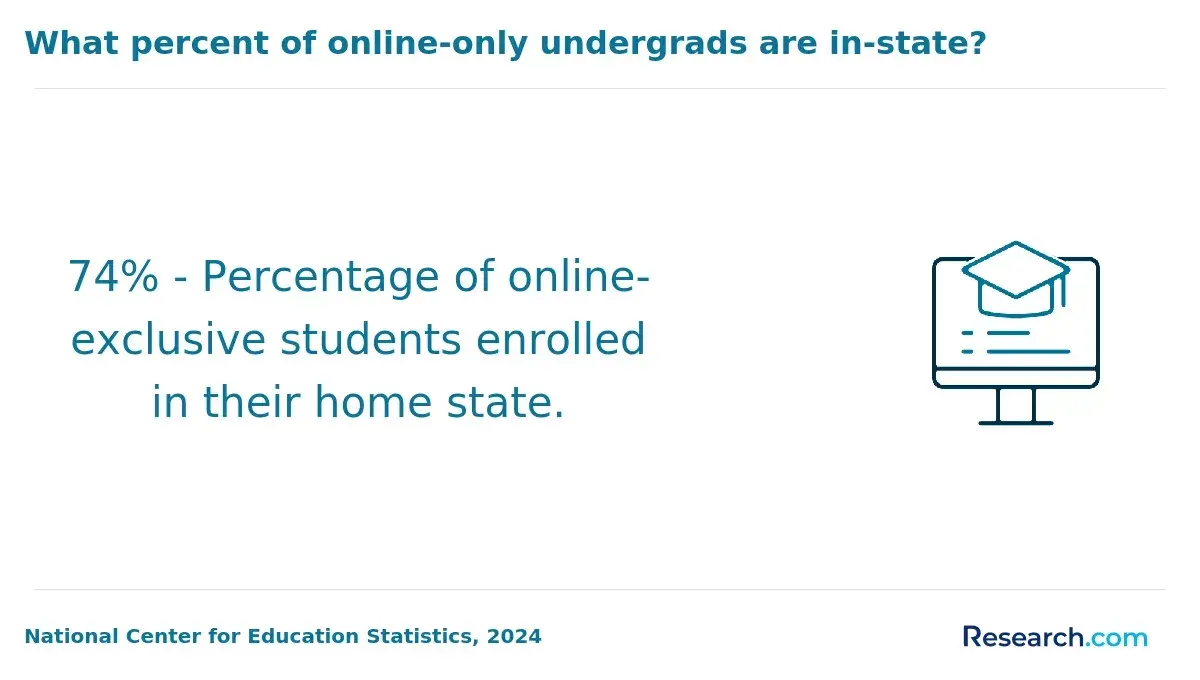
The choice between online and campus community health programs hinges on balancing accessibility against practical experience, which directly affects employability in prevention and wellness roles. Online programs offer flexibility for working adults and those in underserved rural areas, allowing them to stay employed while earning credentials. However, these students face the challenge of independently securing community practicum placements, which are vital for certification and skill development.
Campus programs provide immersive, hands-on opportunities such as direct client engagement and simulations that meet employer preferences for practical experience, often paired with internships to enhance job readiness. Yet, they are less accessible to those unable to relocate or attend daily classes, limiting options for some candidates targeting urgent mental and behavioral health job markets.
Workforce data from the Health Resources and Services Administration project ongoing shortages in these fields through 2036, especially in rural communities. Those aiming for direct service in such areas must prioritize programs with strong practicum support regardless of delivery mode.
Key considerations include:
- Online pathways excel in flexibility but require high learner initiative and local resource availability for experiential learning.
- Campus programs better facilitate interpersonal and crisis intervention skills through synchronous, supervised training.
- Employers in prevention and wellness sectors increasingly demand verified practicum experience to meet competency standards.
Choosing the right program requires assessing employer expectations alongside personal constraints, ensuring alignment with career goals in a field facing persistent workforce shortages.
What accreditation and program quality standards should community health students look for?
Accreditation status directly impacts employability for students in community health programs, especially when targeting environmental or occupational health roles. Programs vetted by the Council on Education for Public Health (CEPH) and aligned with National Environmental Health Science & Protection Accreditation Council (EHAC) standards provide essential competencies in epidemiology, biostatistics, policy analysis, and risk management that employers demand.
For instance, candidates aiming for positions within municipal health departments or industrial safety must engage in coursework offering hands-on experience with hazard identification and regulatory compliance.
Practical experience through internships or fieldwork with recognized public health agencies significantly enhances job readiness. Programs lacking embedded real-world components risk credential inflation and reduced labor market relevance. Given the median $76,480 salary for environmental health specialists and projected 7% employment growth through 2032, training aligned with environmental risk assessment and occupational health mitigation meets current demand.
Key considerations beyond curriculum quality include faculty expertise, active research, and networks with governmental or non-governmental partners to stay attuned to emerging sector trends.
Prospective students should also weigh program cost, duration, and flexibility against their ability to maintain income and accelerate career transitions. While part-time or online options support working professionals, verifying that these formats include rigorous practical training remains critical to preserving market value.
What are the typical admission requirements, program length, and costs for community health degrees?
Completion speed and practical experience significantly dictate the value of community health degree programs in addressing urgent workforce gaps, especially in rural maternal health settings.
Applicants must navigate undergraduate entry requirements—typically a high school diploma plus prerequisites like biology and statistics—and master's programs that demand relevant bachelor's credentials and often experiential learning aligned with employer expectations.
Program durations range from two years for associate degrees to up to three years for master's tiers, with variation depending on full- or part-time status.
Financial considerations extend beyond base tuition: public in-state programs generally cost $8,000 to $12,000 annually at the undergraduate level, while out-of-state or private costs can reach $25,000 to $40,000.
Master's tuition falls between $15,000 and $35,000 per year. Prospective students must factor in fees, materials, and the time-intensive clinical practicums integral to workforce readiness.
Employers prioritize candidates with hands-on experience adaptable to emergency response demands, notably in underserved rural areas. For example, a student focused on rural maternal health might choose an accelerated bachelor's or master's path that integrates clinical practicums despite higher upfront costs and workload.
This strategic choice balances faster workforce entry against financial and time constraints, making program partnerships with regional healthcare providers a decisive factor for employability.
What prevention and wellness jobs can you get with a community health specialization?
The shortage of geriatric-capable providers projected through 2036, especially in rural and long-term care settings, establishes critical demand for community health professionals specializing in elderly wellness and chronic disease management. Workforce gaps push these roles beyond entry-level positions into areas requiring advanced skills in population health assessment, targeted intervention design, and interdisciplinary coordination.
For instance, a program coordinator in a rural community must tailor prevention strategies to local demographics, manage constrained resources, and collaborate with primary care to extend service reach effectively.
Employers increasingly expect candidates to blend cultural competence with proficiency in data analysis to evaluate program impact and optimize ongoing initiatives. Tradeoffs surface between focusing on individual behavior change and engaging in broader system-level policy advocacy.
Those pursuing clinical integration roles benefit from certifications tied to healthcare systems and electronic health record (EHR) navigation, while nonprofit or government roles demand strong grant-writing and stakeholder communication skills.
Career paths differ widely in compensation and job mobility. Community health educators typically start near the national median salary but can advance to leadership roles shaping policy and funding. Professionals in elderly care prevention face operational challenges such as high caseloads and limited interdisciplinary support in under-resourced areas, requiring strategic resilience and adaptive management.
What salary ranges and job outlook can community health prevention specialists expect?
Salary prospects for community health prevention specialists reflect a clear divide based on digital skills and geographic context. While median annual earnings hover near $55,000, entry-level roles in underserved rural areas may start around $40,000, whereas urban or specialized digital health positions can command salaries exceeding $80,000. Employers increasingly favor candidates with informatics and data analysis skills to optimize telehealth and targeted prevention programs.
Job growth for these specialists is projected at 8% through 2032, outpacing many sectors due to increased focus on chronic disease management and wellness initiatives in public and private organizations. However, lack of digital competency can lengthen job searches and limit advancement; a practitioner relying solely on traditional outreach methods risks slower salary growth and fewer promotional opportunities compared to those leveraging data-driven approaches.
From a workforce strategy standpoint, prospective community health professionals must weigh the value of integrating health informatics training with core population health knowledge. This combination improves program evaluation accuracy and operational efficiency—factors that materially affect funding and contract stability. Upskilling in data tools and analytics is not just preferable but increasingly essential for maintaining competitiveness in this evolving field.
How do certifications and state or national credentials impact community health career advancement?
Employers in community health increasingly require certifications to fill complex roles in leadership, policy, and program management. Public health managers without credentials often struggle with oversight responsibilities, as revealed by the January 2025 U.S. Government Accountability Office's report identifying significant deficits in public health leadership and financial administration skills.
Credentials like Certified Health Education Specialist (CHES) or Certified in Public Health (CPH) provide immediate competency in navigating regulatory environments and agency collaboration.
Certified professionals bypass lengthy on-the-job training, enabling faster promotions and salary increases of 10-20%, particularly in agencies facing leadership shortages. In contrast, uncertified workers face stagnant positions and limited qualification for grant-funded roles, especially within non-profit and government sectors focused on prevention and wellness.
The decision to certify involves balancing costs—national exam fees between $300 and $600, plus continuing education expenses—and alignment with career goals. For example, policy-oriented positions favor leadership credentials, while direct service roles benefit more from health education certifications. Employer support for credentialing can offset financial burdens but varies widely.
Prospective candidates must weigh these tradeoffs carefully: certification enhances employability and career mobility but demands financial investment and ongoing renewal efforts tailored by state authorities, directly influencing long-term job stability in today's evolving community health workforce.
Other Things You Should Know About Community Health
Employers prioritize data analysis, program evaluation, and cultural competence over purely clinical knowledge in community health. Technical proficiency with health IT systems and grant writing increases employability. Prospective students should choose programs that emphasize applied skills and real-world project experience rather than theoretical content alone.
Transitioning from community health to clinical healthcare fields is challenging due to differing credential requirements and specialized training. Community health offers broad public health perspectives but lacks the intensive clinical preparation needed for many healthcare roles. Students seeking flexible career pathways should consider dual certifications or further education in clinical specialties.
Geographic location significantly affects access to quality community health programs and employment opportunities. Urban areas often provide richer practicum experiences and diverse population engagement, while rural regions may require relocation or limit practice settings. Candidates must weigh program availability and local health department demand when planning their education and career strategy.
References
- Faculty of Graduate and Postdoctoral Studies | University of Manitoba - Community Health Sciences (MPH) https://umanitoba.ca/graduate-studies/admissions/programs-of-study/community-health-sciences-mph
- Online Public Health Degrees: Find Your Program https://www.degreesforgood.org/online-degrees/public-health-programs/
- Health Promotion Careers 2025: Degrees, Jobs & Salary Guide - nutritioned.org https://www.nutritioned.org/what-is-health-promotion/
- Where Could a Health and Social Care Degree Take You? | learndirect https://www.learndirect.com/blog/where-could-a-health-and-social-care-degree-take-you
- Online Bachelor's Degrees in Public Health: Find the Right School https://www.edumed.org/online-schools/public-health-degrees/
- Careers in Community Health - MPH Online https://www.mphonline.org/community-health-jobs/
- Community Health Worker Curriculums - RHIhub Toolkit https://www.ruralhealthinfo.org/toolkits/community-health-workers/4/training/curriculum
- Community Health Career - Public Health https://www.publichealthonline.org/community-health-career/
- The Major Distinctions Between Certified Health Education Specialists and Community Health Workers https://www.nchec.org/news/posts/ches-vs-community-health-workers