2027 Best Online Community Health Programs for Professionals Seeking Health Education Careers

Co-Founder and Chief Data Scientist
Facing the reality of balancing a full-time job, familial duties, and the need for accredited credentials, many aspiring community health professionals confront an acute bottleneck: how to access flexible, reputable programs without sacrificing career momentum. With adult learners now constituting over 40% of all higher education enrollments according to the National Center for Education Statistics, the traditional, rigid campus model increasingly fails to meet the demands of working professionals. This shift signals a pressing necessity for accessible, online formats that align with complex schedules without diluting academic rigor or professional outcomes. This article evaluates the top online community health programs designed specifically to navigate these constraints, supporting strategic career advancement through informed educational choices.
Key Things You Should Know
- Recent Bureau of Labor Statistics data show a 13% projected growth in community health roles through 2032, but credential inflation pressures candidates to pursue costly certifications beyond entry-level training, delaying workforce entry.
- Employers increasingly prioritize hands-on experience with marginalized populations, per a 2024 survey by the National Association of Community Health Workers, making traditional online-only programs less competitive without fieldwork integration.
- Programs with accelerated pathways reduce tuition burden by an average of 20%, according to EDUCAUSE, but compressed schedules correlate with 15% higher dropout rates, forcing candidates to weigh short-term cost savings against completion risk.
What is an online community health degree and how does it prepare you for health education careers?
Employers demand community health professionals who combine data-driven decision-making with culturally sensitive outreach, a balance that online programs must explicitly address to remain relevant. An online community health degree benefits for health education careers is evident when programs integrate real-world assignments like community assessments or grant writing alongside flexible curricula, helping working adults manage immediate workforce challenges while learning. Graduates equipped with skills in epidemiology, behavioral sciences, and digital health tools are increasingly vital as the U.S. Bureau of Labor Statistics forecasts a 7% employment growth for health education specialists and community health workers through 2032, adding approximately 4,500 jobs.
This growth reflects shifting employer priorities towards candidates who document measurable outcomes and understand social determinants affecting populations. However, students should weigh the trade-offs of online formats, especially regarding building interpersonal networks, often less accessible than in on-campus settings, which can impact internship opportunities and job placement. Programs that offer practicums or internships elevate practical readiness by providing employer exposure crucial for career pivots or advancement.
When evaluating how an online community health program prepares professionals for health education roles, it is also important to consider program rigor and alignment with evolving practice standards. Candidates who proactively engage with virtual networking and vocational advising can offset isolation challenges typical to online learning environments.
For those exploring adjacent clinical pathways, it may be useful to compare these outcomes with options like the shortest online nurse practitioner program, which offers a contrasting but complementary scope of practice.
Which types of online community health programs are best for aspiring health educators and specialists?
Employers increasingly demand community health specialists who combine accredited curriculum with practical skill-building directly applicable to regional and sector-specific needs. Candidates lacking applied epidemiology, health promotion, or data-driven decision-making proficiencies frequently encounter barriers in competitive hiring, especially for roles involving chronic disease prevention or maternal-child health. The best accredited community health specialist courses integrate virtual practicums or local partnerships for hands-on experience, crucial since purely theoretical programs often disqualify applicants in nonprofit, government, and clinical sectors.
Distance learners face significant tradeoffs between program length and workforce disruption. Longer programs delay access to a labor pool projected to grow by nearly 1.9 million annual openings through 2033, according to the U.S. Bureau of Labor Statistics cited by the University of Oklahoma Online MPH in Community and Population Health. Accelerated formats can speed entry but may require prior relevant experience. Technological competence, including skills with public health databases and telehealth platforms, is a baseline expectation; graduates ignoring digital literacy risk underperformance in data-reliant or mobile outreach roles.
Programs aligned with recognized certifications improve employability and potential advancement into supervisory or grant-funded positions, making credentialing a practical investment. For professionals assessing pathways, weighing these factors against personal schedules is essential. Those exploring top online community health education programs should consider such operational realities over generic program features.
For additional options, review the fastest online master's in healthcare management, which highlights pathways that may complement community health expertise.
How do you choose an accredited online community health program you can trust?
Selecting online community health programs accredited by recognized national agencies is essential for ensuring the curriculum meets professional standards and qualifies graduates for certification exams such as the Certified Health Education Specialist (CHES). Accreditation from bodies like the Council on Education for Public Health (CEPH) or regional accreditors safeguards employer credibility, which directly affects employability and career progression.
The median wage disparities-$63,980 annually for general health education specialists versus $78,400 for hospital-based roles per the U.S. Bureau of Labor Statistics-reflect how program connections influence job placement in different sectors. For example, epidemiology and program planning are more valued in government public health positions, while communication skills are critical in nonprofit settings. Evaluating whether coursework aligns with these industry-specific functions informs realistic career outcomes.
Prospective students should weigh graduate employment rates alongside flexible scheduling and costs. Online platforms with interactive technology improve engagement and ease balancing work and study. Transparent policies on credit transfers and clinical hours also significantly impact completion timelines and overall expenses. Working professionals seeking a strategic pivot or advancement must analyze these factors pragmatically.
Those comparing options should also consider the cheapest online MBA healthcare programs as part of long-term planning when aiming for leadership roles that extend beyond foundational community health education.
What admission requirements and prior experience do online community health programs expect?
Admission requirements for online community health programs typically mandate a bachelor's degree from an accredited institution, often in health sciences or related fields, coupled with one to three years of relevant work experience. Prior experience needed for community health education careers frequently includes roles in public health, healthcare, nonprofit, or social services sectors, providing candidates with essential practical skills and foundational knowledge. Without this background, applicants often encounter challenges with advanced coursework and applied research demands.
Academic thresholds usually include a minimum undergraduate GPA around 3.0; however, some programs permit conditional admission below this. GRE scores are increasingly optional, especially when applicants present strong professional expertise or advanced certifications. Selection also relies heavily on letters of recommendation, personal statements, and resumes that showcase community-centered initiatives-key indicators of alignment with workforce needs.
Consider a clinical healthcare worker aiming to transition into community health education: the lack of prior credentials necessitates programs that balance foundational training with graduate-level courses to meet employer expectations in population health assessment and program design. Tuition costs influence decisions as well-for instance, the online Master of Public Health in Community and Population Health at the University of Oklahoma charges $575 per credit hour, totaling $24,150 for completion. This figure is representative of mid-range costs across accredited online MPH programs.
Those exploring educational pathways that integrate healthcare experience with community health competencies might also examine broader opportunities such as an RN BSN to enhance their qualifications.
How do online community health programs compare with campus-based options in flexibility and outcomes?
Online community health programs provide critical flexibility for working professionals balancing education with demanding schedules, unlike campus-based programs that follow rigid timetables. This flexibility supports learners managing career transitions or irregular work hours, often yielding higher completion rates among adult students, as reported by the National Center for Education Statistics. However, the tradeoff is in practical skill development: employer feedback from state health departments and nonprofits emphasizes the necessity of supervised fieldwork, which campus programs embed through internships and labs.
A professional shifting from administration to community health, for instance, can acquire theoretical foundations online with minimal income disruption but must independently secure local practicum hours to meet workforce readiness standards. This dynamic places additional responsibility on online learners to demonstrate self-motivation and resourcefulness.
Key factors that influence modality choice include:
- The need for flexible scheduling versus the availability of structured experiential learning
- Self-discipline and networking effort required to arrange practical experience outside online settings
- Program accreditation and its impact on employability in regulated health careers
Hiring trends suggest increasing employer preference for hybrid credentials combining remote theoretical proficiency with verifiable field experience, a nuanced balance highlighted in Bureau of Labor Statistics projections for community health educators. Decisions must weigh immediate employability demands against career trajectory, accounting for these practical constraints and opportunities.
What courses and competencies are typically included in an online community health curriculum?
Programs in community health often balance theoretical knowledge with applied skills, but the true differentiator is their alignment with employer expectations and certification standards. For example, students focusing on urban public health issues will encounter significantly more instruction on social determinants, while rural-oriented programs invest additional effort in telehealth and access barriers, reflecting real-world service environments.
Certification credentials backed by state standards tangibly improve earning potential; the Illinois Community Health Workers Association reports wage increases between 10-20% for certified versus uncertified workers. This correlation illustrates the economic impact of pursuing programs with clear, recognized certification pathways. However, students must weigh the availability of practicum placements or employer mentorships, as hands-on experience remains critical for developing intervention and engagement competencies.
Core competencies extend beyond health promotion and epidemiology to include policy advocacy, data collection, and community organizing-skills crucial to navigating complex health systems and influencing resource allocation. Prospective learners should confirm practical training opportunities embedded in curricula, given that insufficient supervised fieldwork can limit job readiness despite academic preparation.
How long do online community health programs take and what do they cost?
Program duration and credential level create pivotal trade-offs for professionals pursuing online community health education. Certificate programs, typically requiring 6 to 12 months, offer targeted skills such as cultural competency or health education methods. These shorter courses serve working professionals seeking rapid specialization but constrain the breadth of learning necessary for broader roles.
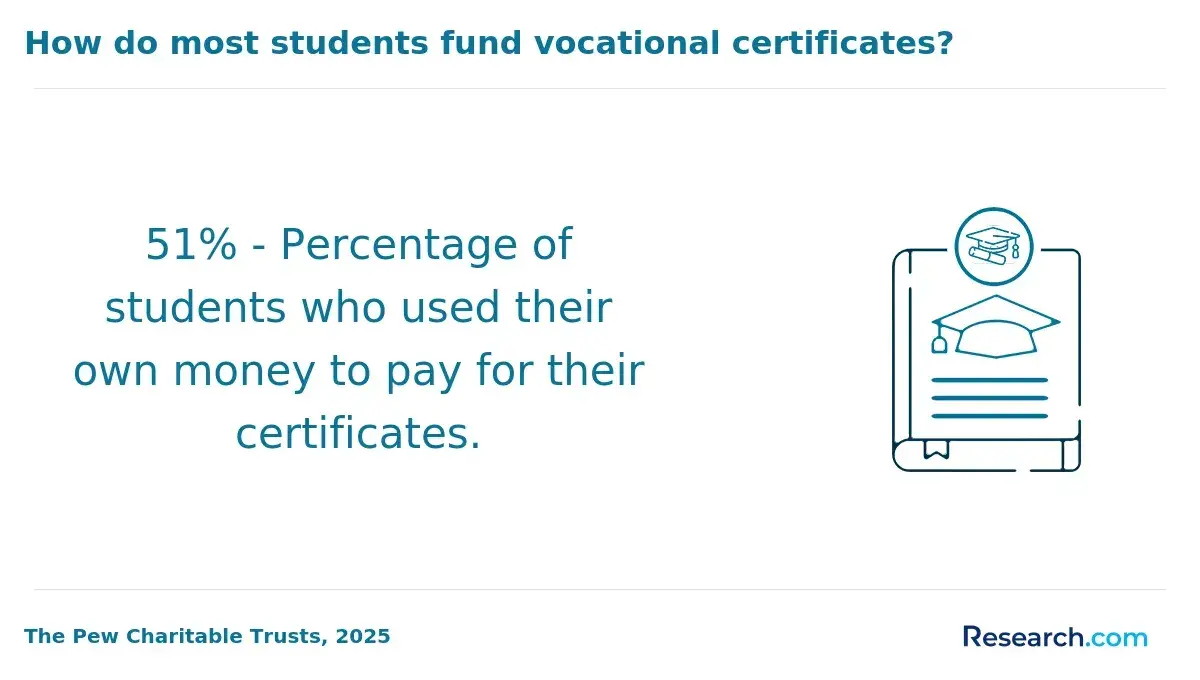
In contrast, associate degrees extend closer to two years and provide foundational training, though balancing course demands with employment can challenge students. Financial investment ranges significantly: certificates usually cost between $1,000 and $5,000, while associate and bachelor's degrees command $10,000 to $40,000 depending on institutional type and credential depth.
Employers increasingly emphasize evidence of equity-focused training. Programs integrating frameworks aligned with initiatives like HHS's Think Cultural Health-completed by over 200,000 practitioners-give candidates a competitive edge in diverse environments, especially in rural and underserved urban areas.
Decision-makers must weigh:
- Time versus scope: Certificates accelerate entry but limit upward mobility;
- Cost versus credential value: Degrees require higher investment but offer broader opportunities;
- Scheduling flexibility and employer recognition to ensure tangible career impact.
Strategically evaluating these factors against personal circumstances and labor market demands sharpens the pathway to roles that require nuanced community health expertise and practical cultural competence.
What community health and health education careers can you pursue after these programs?
Graduates of community health and health education programs face a practical decision: selecting roles that vary significantly in required skills and career stability. Positions such as health educator, outreach coordinator, or program manager demand tailored expertise aligned with target populations. For instance, specialists working with immigrant groups must develop culturally sensitive materials, while those in workplace wellness programs need familiarity with occupational health rules.
Many enter fields like epidemiology support or environmental health promotion, where technical proficiency must balance interpersonal community engagement. Advanced credentials often become necessary for positions with high analytical demands, which may delay initial job entry but expand long-term opportunities.
Employers favor candidates combining theoretical knowledge with hands-on experience, typically gained through internships or practicum placements. Project management skills and data tool fluency, such as GIS or health informatics software, increasingly differentiate applicants in competitive markets.
Programs associated with the Pan American Health Organization's Virtual Campus for Public Health illustrate the tension between accessibility and depth of training in digital education models, where the absence of direct field experience can impact graduate readiness.
Professional roles also include policy advocacy and grant writing, requiring versatile collaboration across sectors. Candidates should recognize how public health funding volatility influences job availability and career sustainability, which should factor into their strategic planning.
What salary ranges and job outlook can community health and health education professionals expect?
Salary ranges for roles in community health and health education broadly reflect distinct professional demands and geographic variation. Entry-level community health educators average about $48,140 annually, but more specialized jobs like care coordinators and health policy advocates typically range from $55,000 to $72,000. Advancement to management or specialized positions can raise compensation significantly above $80,000.
Projected employment growth for community and social service occupations at 11% through 2032 surpasses the national average, driven by factors such as healthcare reforms, aging populations, and increased prioritization of public health initiatives. Practical realities also include workforce flexibility trade-offs, where grant-funded or part-time roles may offer lower income stability compared to salaried positions.
For example, hospital-based care coordinators must demonstrate proficiency with electronic health records and cross-disciplinary teamwork, which directly impact both salary negotiations and job security. Health policy advocates require ongoing skill development in data analysis and legislative procedure, highlighting the need for continual learning beyond initial certification.
Evaluating program investments demands consideration of regional employer expectations and full compensation packages-base salary alone does not guarantee economic stability in this field. Georgia State University's online programs reflect career outcomes aligned with these BLS trends showing faster-than-average occupational growth.
Do community health education roles require certification, and how do you meet those standards?
Certification is often a threshold requirement for government and institutional community health educator roles, shaping who gets hired and at what salary. The Certified Health Education Specialist (CHES) credential from NCHEC functions as a practical benchmark for competencies in program planning and community interaction that employers rely on to assess readiness. For example, state public health departments may restrict certain educator positions to CHES-certified professionals, which creates a gatekeeping effect in public sector employment.
Outside government, certification remains a strategic asset that improves marketability and potential earnings, though it tends to be more flexible in private and nonprofit sectors. Students should weigh the additional effort of passing the CHES exam against the tangible benefit of gaining a credential well integrated into many accredited community health curricula.
Real-world preparation demands deliberate planning:
- Enroll in programs specifically aligned with NCHEC certification standards.
- Complete required internships or supervised fieldwork to fulfill experience prerequisites.
- Plan to take the CHES exam promptly after graduation to capitalize on freshly acquired knowledge.
Recent salary data, such as from Eastern Oregon University graduates averaging $63,000 annually, illustrates the financial returns linked to certified competency in this sector, based on 2024 U.S. Bureau of Labor Statistics data.
Other Things You Should Know About Community Health
Online community health programs often require a high degree of self-discipline and time management, as they lack the structured, in-person accountability of campus programs. While flexibility is an advantage, students must navigate asynchronous coursework alongside professional or personal commitments, which can increase stress levels. Programs emphasizing practical fieldwork or community engagement may require additional time for local coordination, offsetting some convenience.
Yes. Employers in community health value hands-on experience tied to real community settings, making internships or practicums critical for employability. Programs without these components may leave graduates underprepared for on-the-ground challenges and reduce networking opportunities. Prioritize programs that integrate supervised internships with measurable outcomes to enhance both skills and job market readiness.
In 2027, working professionals pursuing online community health education may face challenges like balancing work commitments with study schedules, adapting to digital learning platforms, and maintaining motivation without face-to-face interactions. Effective time management and self-discipline are key to overcoming these hurdles.
Program reputation significantly impacts access to leadership positions, particularly in competitive markets. Employers often favor graduates from well-known programs with established community partnerships and alumni networks. When leadership is the goal, invest in programs with proven outcomes in credentialing and career advancement rather than those solely marketed on convenience or low cost.
References
- What Can You Do With a Community Health Degree | CUNE https://www.cune.edu/news/what-can-you-do-with-community-health-degree
- Top 25 Online MPH Community Health Degree Programs - MPH Online https://www.mphonline.org/best-online-mph-community-health/
- Global curriculum guide for community health workers https://publichealthupdate.com/global-curriculum-guide-for-community-health-workers/
- Pre-Professional Health Experience Guide | PublicHealthOnline.org https://www.publichealthonline.org/pre-professional-experience/
- Complementary roles and training of health education specialists & community health workers - Society for Public Health Education - SOPHE https://www.sophe.org/resources/complementary-roles-training-health-education-specialists-community-health-workers/
- What does a nursing assistant do? https://apexlearning.org.uk/online-health-and-social-care-courses-are-they-recognised-by-employers/
- Online vs. On-Campus: Which Mode of Learning Is Best for You? https://www.onlinemastersdegrees.org/student-resources/which-mode-of-learning-is-best/
- Online vs Hybrid vs Campus Learning in Healthcare: Which Is Right for You? https://www.edumed.org/articles/online-vs-hybrid-vs-campus/
- The Advantage of Online Learning for Community Health Workers Explained - Community Health Worker Training https://chwtraining.org/advantages-of-online-learning/
- Faculty of Graduate and Postdoctoral Studies | University of Manitoba - Community Health Sciences (MPH) https://umanitoba.ca/graduate-studies/admissions/programs-of-study/community-health-sciences-mph