2027 Online Community Health Degrees With Strong Employer-Relevant Community Health Skills

Co-Founder and Chief Data Scientist
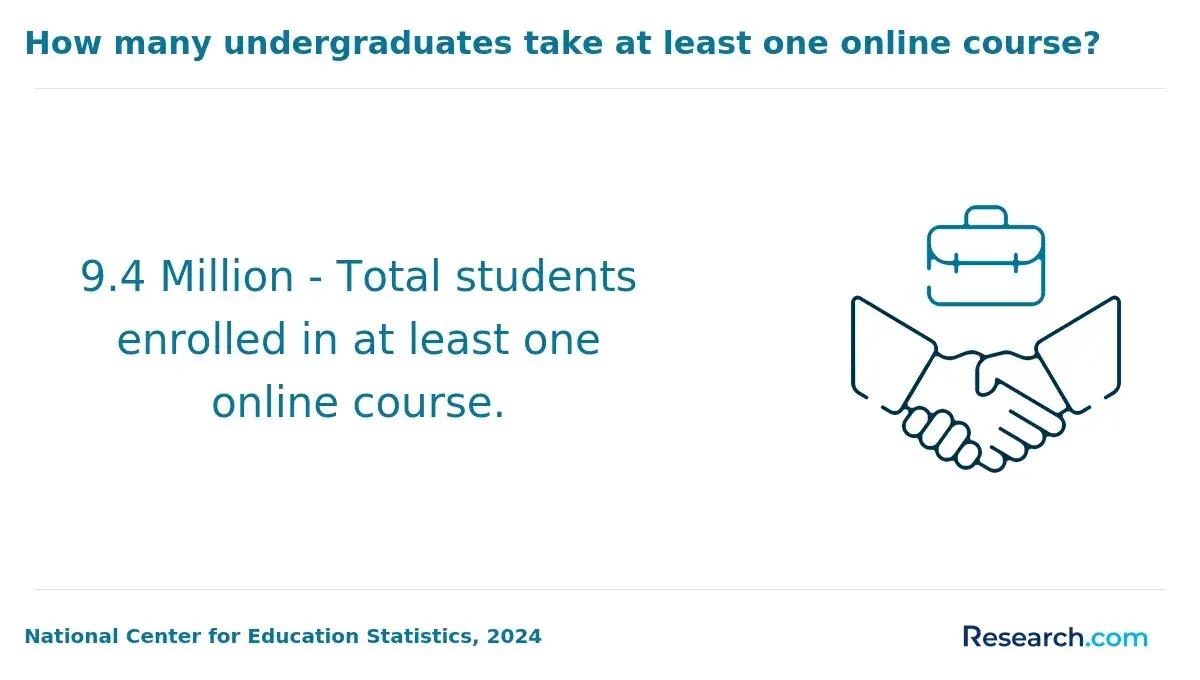
Working professionals aiming to upskill in community health face a complex dilemma: how to gain employer-valued skills without sacrificing current job responsibilities or personal obligations. Traditional campus programs often lack the flexibility needed for adult learners balancing irregular schedules, a barrier underscored by a National Center for Education Statistics report that found over 40% of online postsecondary enrollees in 2024 were returning students seeking career mobility.
This shift reveals growing demand for adaptable, rigorous online degrees that deliver both practical expertise and timely completion. This article evaluates online community health degree options emphasizing real-world skill acquisition, helping prospective students select pathways aligned with current workforce expectations and life constraints.
Key Things You Should Know
- Employers prioritize candidates with verified practical skills in data-driven community health interventions; 68% of job postings in 2024 (National Labor Statistics) require applied analytics experience, limiting graduates from theory-heavy programs.
- The median time to complete online community health degrees varies from 18 to 36 months, directly impacting opportunity costs and wage growth, with federal education data showing a 25% dropout surge when programs exceed 30 months.
- Workforce analyses indicate accelerated online degrees produce 15% lower early-career employment rates versus traditional degrees, reflecting persistent employer skepticism about remote competency validation methods.
What is an online community health degree and who is it best suited for?
Online community health degree programs with employer-relevant skills offer practical value primarily for professionals balancing current roles with skill expansion, rather than newcomers seeking clinical practice. The projected 11% growth for community health workers reflects steady demand, but this momentum largely favors candidates who demonstrate competencies in data use, electronic health records, and culturally competent outreach. Programs that emphasize applied abilities, including social determinants of health and health communication, align with these employer priorities.
However, the best online community health degrees for career advancement require students to actively pursue internships or field experiences independently, as many online formats provide limited hands-on training. This can pose a significant barrier for students without established local networks or self-motivation to translate theory into workplace impact. For example, a full-time urban clinic case manager may enhance community assessment skills online without disrupting work, yet a workforce newcomer might initially be confined to peripheral roles like outreach rather than direct interventions.
Students should carefully weigh the tradeoffs between flexible, remote learning and the challenge of gaining experiential credibility employers expect. Practical readiness also entails selecting programs that integrate technical proficiencies valued in healthcare settings. For a focused exploration of accredited options, consider the accredited online health information management degree CAHIIM to complement community health credentials.
How do online community health degrees compare to on-campus programs for quality and outcomes?
Online community health degrees now match the quality and outcomes of community health degree programs delivered on-campus, provided students choose accredited, competency-based curricula aligned with employer needs. For instance, a working adult in rural public health can complete a fully online degree while volunteering locally to gain employer-valued experience-an option that many full-time campus students constrained by geography cannot access.
Employers emphasize applied skills and verified community engagement over program delivery mode. However, online students face unique challenges securing in-person practicums or internships crucial for certification and licensure, responsibilities often embedded in on-campus programs. Without proactive effort to arrange these experiences, online learners risk weaker hiring prospects.
Data from the U.S. Bureau of Labor Statistics shows a median annual wage of $51,030 for community health workers, confirming a baseline return on investment. Graduates from accredited online degrees with substantial experiential components achieve comparable job placement and salary outcomes to on-campus peers. Conversely, programs lacking rigorous employer input or authentic community involvement produce less competitive candidates.
Key tradeoffs include greater scheduling flexibility and wider geographic access for online learners versus potentially stronger mentorship and networking available at physical campuses. Decision-makers should scrutinize online options for structured support in hands-on skill-building and realistic practice in diverse communities to effectively equalize outcomes.
For individuals evaluating pathways, exploring healthcare administration programs can offer insights into program designs emphasizing practical relevance alongside academic rigor.
What accreditation should online community health programs have to be recognized by employers?
Employers in health sectors increasingly rely on accreditation standards for online community health degrees to verify a candidate's readiness for practical roles. Regional accreditation recognized by the U.S. Department of Education is a baseline, but specialized credentials, such as Council on Education for Public Health (CEPH) accreditation, distinctly influence hiring decisions by validating mastery of evidence-based public health techniques and community engagement skills.
For instance, healthcare nonprofits focused on outreach in high-risk populations demand employees trained in rigorous, data-driven interventions that CEPH-accredited programs prioritize. Similarly, local government health departments prefer candidates whose education emphasizes population health assessment and program evaluation-competencies less assured without recognized employer certifications for online community health programs. Graduates from unaccredited programs often incur extra costs and delays to gain supplemental certifications or on-the-job training, reducing competitiveness for the roughly 7,800 annual community health worker openings projected through 2033.
Prospective students should critically assess accreditation status alongside curriculum alignment with nationally established competencies and practical fieldwork opportunities. These markers differentiate programs with tangible market value from those whose credentials may carry limited employer recognition. Exploring options for educational pathways is key, including available alternatives such as online ADN programs for non nurses, which can complement or enhance community health qualifications.
What types of community health degrees can you earn online and which level do you need?
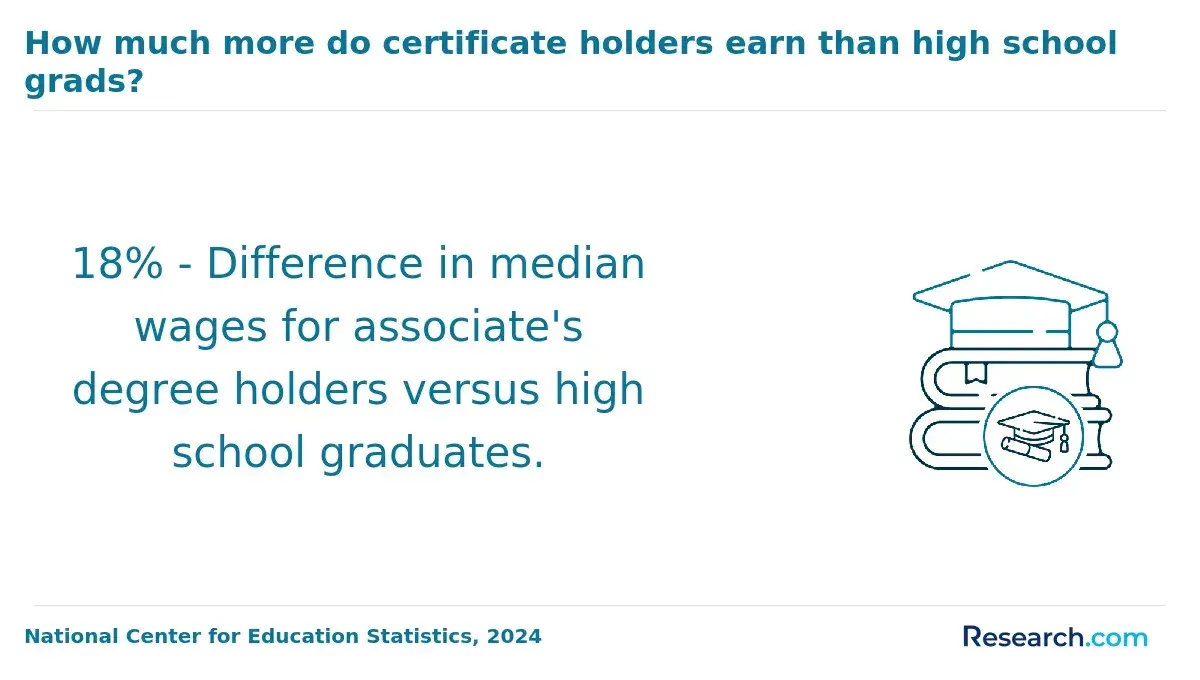
Choosing an online community health degree level directly shapes your job prospects and career ceiling. Entry-level roles like health education specialist assistants often require only an associate degree or certificate focusing on foundational public health skills. However, these credentials typically restrict advancement, especially within government agencies or hospital systems that prioritize at least a bachelor's degree. Employers hiring the most health education specialists-primarily government, hospitals, and family services-favor candidates holding a bachelor's as the minimum qualification.
An online bachelor's degree in community health offers training in epidemiology, health policy, and community assessment, aligning with employer expectations for a broader scope of responsibilities. For professionals targeting leadership or specialist roles, a master's degree, such as a Master of Public Health, becomes essential, emphasizing research, program evaluation, and management competencies. Doctoral degrees are generally reserved for academic or high-level policy positions rather than direct service roles.
Today's working students often choose online formats for flexibility but must ensure program accreditation and practical experience components, like internships, which government and hospital employers value highly. Understanding these factors within online community health degree programs online helps align educational investment with realistic job market demands. For those comparing costs and programs, exploring resources on the cheapest RN to BSN online texas can also reveal broader affordability trends within health education pathways.
What courses and practical experiences are typically included in an online community health curriculum?
Practical competency rather than theoretical coursework shapes employability in online community health programs by 2026. Graduates lacking substantive field experience risk falling behind in a job market that demands real-world application of skills alongside analysis.
Employers prioritize candidates who complete 300-500 hours of internships or fieldwork in diverse settings such as government agencies, non-profits, and healthcare providers. These hands-on exposures enhance skills in outreach, health education, and intervention evaluation, which purely administrative programs often neglect. For instance, interpreting live epidemiological data during an outbreak is a skill valued in public health departments but rarely mastered through classroom learning alone.
Essential coursework extends beyond epidemiology and biostatistics to include environmental health, behavioral science, health policy, and cultural competence. This multidisciplinary approach aligns with projected healthcare workforce growth and addresses the nuanced needs of diverse populations-especially critical in rural versus urban health contexts.
Tradeoffs arise when programs emphasize administration without community immersion or ignore technical proficiencies like surveillance software use and grant writing. These technical and experiential elements directly impact career mobility and adaptability in complex public health environments.
What are the usual admission requirements and application materials for online community health programs?
Admission to online community health programs often hinges on evidence of both academic preparation and relevant practical experience, reflecting the field's demand for job-ready professionals. While graduate entry requires a bachelor's degree from an accredited institution, some bachelor's programs allow applicants with only a high school diploma plus demonstrated community health work history. This distinction matters: candidates lacking applied experience face tougher admissions and reduced employability since employers prioritize demonstrated skills over theoretical knowledge.
Typical application components include official transcripts highlighting foundational coursework in biology, sociology, psychology, or public health; personal statements focused on concrete career goals; and professional or academic recommendations that attest to communication skills and reliability. Many programs still ask for GRE scores, but this requirement is increasingly fading as admissions emphasize documented community health involvement and practical impact.
Applicants aiming for specialized roles-such as chronic disease management or health promotion in underserved communities-should expect to submit additional materials like certifications or volunteer records. These supplementary documents help admission committees evaluate an applicant's real-world readiness in a labor market where employment for health education specialists and community health workers is projected to grow by 12% (U.S. Bureau of Labor Statistics, per Monroe University).
To minimize application delays and align with employer expectations, prospective students must secure transcripts early, identify recommenders familiar with their community health contributions, and submit focused essays emphasizing applied skills. This operational focus steers candidates toward immediate workforce applicability across nonprofit, government, and other public health sectors.
How long do online community health degrees take and what do they typically cost?
Accelerated and traditional online community health degrees present distinct tradeoffs between time investment and practical outcomes. While associate programs generally require about two years, bachelor's degrees take four, though accelerated paths can compress this to three years or less-often demanding rigorous self-discipline and a heavy workload. For professionals pivoting quickly, this condensed timeline can enable faster entry into the workforce, but may limit opportunities for part-time employment or family balance during study.
Financially, the cost disparity between public and private institutions is significant. Public in-state options typically range from $9,000 to $15,000 per year, whereas private programs may charge $20,000 to $40,000 annually. Total expenses for a bachelor's degree, including fees and materials, often surpass $30,000 to $60,000. Employer tuition assistance and federal aid can reduce immediate costs, but require strategic planning and upfront qualification.
Employers increasingly prioritize community health graduates' applied skills over credential prestige, especially in concentrated labor markets like New York City. Regional demands emphasize familiarity with urban health policy, population engagement, and multilingual communication. Programs integrating internships or applied projects aligned with local needs tend to enhance employability and practical readiness.
Prospective students should weigh program duration and cost alongside personal circumstances and targeted employer expectations:
- Short-term certificates support rapid skill acquisition but may limit upward mobility.
- Comprehensive degrees require greater commitment but often yield broader career opportunities.
- Compatibility with work-life balance and financial constraints is crucial for sustainable progress.
What community health careers can you pursue with an online degree and what do they pay?
Choosing an online degree in community health requires balancing wage potential against specific credential demands and job market nuances. For instance, community health educators earn a median annual wage of $48,140 but often must navigate employer preferences for Certified Health Education Specialist (CHES) credentials, which entail additional certification beyond the degree. Similarly, community health workers with a $44,800 median pay serve as essential intermediaries in non-profits and government roles, where practical experience frequently weighs more heavily than academic qualifications.
The field's growth is shaped by aging populations and policy frameworks like Australia's NDIS, which mirrors trends in U.S. demand for chronic disease management and disability support program management. Health program coordinators, typically found in government agencies or large NGOs, earn between $55,000 and $70,000 depending on geographic and program scope variations.
Advancement often hinges on specialization; careers in epidemiology or health policy analysis start near $60,000 but can surpass $90,000 with experience and graduate education. Emerging employer priorities include strong data literacy, grant writing, and cultural communication skills, which are integral to competitive online community health programs embedding substantial fieldwork and applied coursework.
Prospective students should weigh the patchwork of state certification rules against the soft skills employers prioritize. In community program management, for example, internships and hands-on roles can provide leverage comparable to formal credentials.
What certifications or licenses might community health graduates need in different states?
Certification and licensure for community health graduates vary widely by state and role, creating significant friction in employment and geographic mobility. For frontline community health workers (CHWs), states such as Texas and California impose stringent certification requirements. Texas mandates passing a state exam following approved training, while California relies on county health department-issued certificates aligned with local curricula. Conversely, many states allow employer-based training without state-level credentials, resulting in inconsistent standards across the job market.
Specialized roles beyond CHWs, like health educators or epidemiologists, often face non-mandatory but employer-preferred certifications such as the Certified Health Education Specialist (CHES). Nurses and social workers in community health must maintain their respective licenses, each governed by continuing education and state-specific renewal rules, compounding complexity for workforce entrants.
Job seekers targeting public agencies like the CDC may encounter additional prerequisites, including background checks and infection control certifications. Online students must critically assess if their program's certification prep meets their home state's demands to avoid credentialing gaps that delay employment.
Cost and timeline considerations impact the trajectory of community health careers. For instance, the University of South Australia's 34,660 AUD annual tuition benchmark contrasts with the U.S.'s fragmented certification landscape, where licensing processes can extend entry by 6 to 12 months, according to the National Board of Public Health Examiners.
How can you evaluate and choose a reputable online community health program for your goals?
Selecting an effective online community health program demands scrutiny beyond accreditation alone-though recognition by U.S. Department of Education-approved bodies like CEPH is foundational, ensuring adherence to rigorous standards tied to employer recognition. Equally vital is the program's curricular relevance to specific workforce needs, such as expertise in epidemiology, health policy analysis, grant writing, and program evaluation-skills frequently prioritized by public health agencies.
Outcomes data provide tangible evidence of a program's market fit; for instance, programs reporting employment rates exceeding 70% within six months in community health roles demonstrate credible employer networks and curriculum alignment with labor demands. Boston University's Online Master of Public Health exemplifies such alignment, supported by workforce studies tracking sustained demand.
Working professionals must weigh delivery format and instructional design carefully. Asynchronous courses with predictable scheduling cater to those balancing existing healthcare or nonprofit obligations. Faculty with practitioner experience add real-time insights into evolving policy and employer expectations, an edge often missing in purely academic programs.
Cost considerations should be grounded in prospective salary increments. For example, a program costing $30,000-$45,000 should correlate with at least a 15% wage increase post-completion to justify debt and time investment. Without this, the risk of stagnant returns increases, especially in competitive community health sectors.
Other Things You Should Know About Community Health
Choosing between a public health and a community health degree depends on your career focus. Community health degrees offer targeted skills in intervention, outreach, and local program management, which align more directly with roles requiring close community engagement. A broader public health program may provide more flexibility but can dilute employer relevance if your goal is direct community-based work. Prioritize specialized community health programs if immediate practical skills and employer recognition in community settings matter most for your career path.
Programs with substantial practicum or field experience components produce graduates better prepared for employer demands, especially for hands-on community assessment and program implementation. Online degrees that underemphasize real-world practicums risk leaving students with theoretical knowledge but limited applied skills. Prioritize schools that integrate supervised, local practicums or virtual simulations, as these experiences significantly improve job performance and networking opportunities with community employers.
Online community health degrees require sustained time for coursework, project work, and field placements, often challenging full-time employees. Balancing asynchronous learning with scheduled practicum hours demands proactive planning and employer support if applicable. Deadlines in community project deliverables can be rigid, limiting flexibility. Choosing programs with flexible practicum arrangements or part-time formats can reduce burnout and support better learning outcomes.
References
- Online Public Health Degrees: Find Your Program https://www.degreesforgood.org/online-degrees/public-health-programs/
- Occupation Profile https://nccareers.org/occupation-profile/211094/1284
- Is Online Health and Social Care Education Recognised by Employers? https://uk.hfonline.org/is-online-health-and-social-care-education-recognised-by-employers/
- Today’s Guide to Public Health Certifications https://www.publichealthdegrees.org/resources/public-health-certifications/
- Navigating Your Future in Public Health: The Value of Accreditation https://masterspublichealth.com/accredited-school-of-public-health/
- Online Degree vs. Traditional: Choosing the Right Path https://beal.edu/online-degree-vs-traditional/
- What does a nursing assistant do? https://apexlearning.org.uk/online-health-and-social-care-courses-are-they-recognised-by-employers/
- Community College vs Online Degrees: A Comparison https://www.sophia.org/blog/higher-education/community-college-vs-online-degree/
- Training for Health Care Jobs in California: Opportunities for Workers without a Four-Year Degree - Public Policy Institute of California https://www.ppic.org/publication/training-for-health-care-jobs-in-california-opportunities-for-workers-without-a-four-year-degree/