2027 Online Community Health Degrees With Practice-Ready Community Health Curricula

Co-Founder and Chief Data Scientist
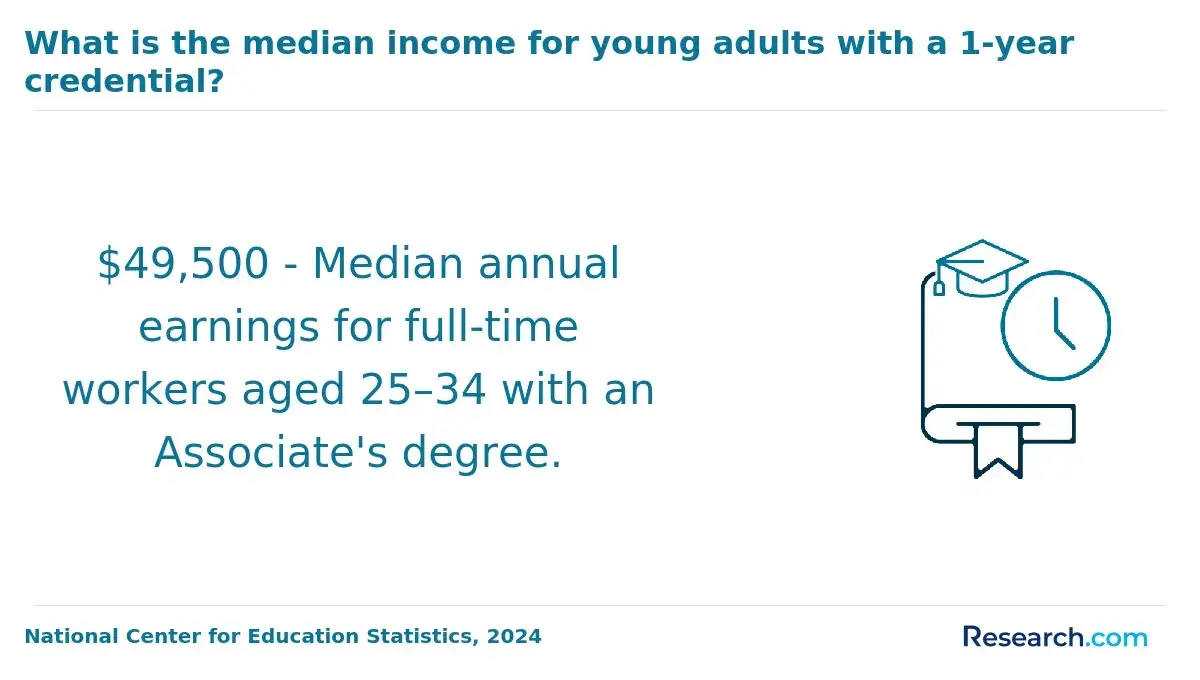
Health professionals often face the challenge of balancing continued education with demanding schedules while also needing practical experience that meets employer expectations. Nearly 45% of adult learners prioritize flexible, fully online programs that integrate hands-on skills, a trend identified by the National Center for Education Statistics in 2024.
This shift reflects broader workforce demands for practice-ready graduates who can contribute immediately to community-based initiatives. Many traditional degree paths still fall short in delivering this blend of accessibility and applied learning, complicating upskilling or career transitions for working adults. This article evaluates online community health degrees designed to overcome these barriers by combining flexibility with real-world practice requirements.
Key Things You Should Know
- Recent workforce data from the U.S. Bureau of Labor Statistics indicates a 13% growth in community health roles through 2032, but employers prioritize candidates with hands-on practicum experience over purely theoretical online degrees, pressuring students to seek hybrid curricula.
- Cost analysis reveals that fully online community health degrees average 25% lower expenses but extend time-to-completion by 15%, creating a tradeoff between short-term affordability and quicker labor market entry as reported by the National Center for Education Statistics.
- Surveys by Public Health Foundation show 62% of employers value ability to navigate social determinants using applied skills, sharpening tension between credential acquisition and demonstrated community engagement impact within online program structures.
What is an online community health degree and how does it prepare practice-ready graduates?
Online community health degree programs with practice-ready training in the United States bridge theoretical knowledge and applied skills to meet employer expectations for immediate workplace impact. These programs emphasize hands-on components such as fieldwork simulations and virtual collaborations that prepare students for complex challenges like facilitating vaccination campaigns requiring both logistical coordination and trust cultivation.
Graduates gain critical competencies in culturally competent communication, policy analysis, and health informatics tools, enabling efficient program evaluation and compliance reporting.
Given workforce demands, practical training differentiates candidates within a labor market projecting an 11% growth rate for community health workers through 2034, with median earnings near $51,030 annually and approximately 7,800 openings per year.
Yet, navigating independent learning and securing suitable local practicum sites can constrain accessibility and may require robust institutional support. This real-world focus aligns with employer preferences for graduates demonstrating verified field experience and adaptability to evolving public health priorities.
Students evaluating options should also consider programs offering supervised practicum placements and ensuring technical assistance. Such steps help mitigate common barriers in remote education, fostering problem-solving and community health intervention skills.
For further program comparisons, check out our list of accredited online environmental health and safety programs.
How do online community health programs compare with on-campus options for quality and outcomes?
Online community health degree quality comparison reveals a fundamental tradeoff: the level of institutional support in securing practicum placements. On-campus programs typically provide seamless access to local internship networks and employer connections, a tangible advantage for recent graduates seeking structured pathways into roles like social service management or community health education.
In contrast, many online programs require students to independently arrange these placements, demanding greater initiative but offering necessary schedule flexibility for working professionals.
Employers in the community health sector increasingly emphasize practical competencies-such as outreach, data management, and program design-that accredited online degrees often address via virtual simulations and supervised projects.
However, direct, local field experience remains a critical differentiator influencing hiring outcomes. For example, a working adult pursuing an online community health degree might leverage flexible coursework but must proactively secure internships to build competitive skills. Meanwhile, on-campus students benefit from face-to-face mentorship and peer networks that can accelerate professional readiness.
Projected workforce demand-with roughly 313,700 openings annually in community and social service roles-means that measurable, verifiable applied experience weighs heavily in employer evaluations. Prospective students should evaluate programs on how effectively they document hands-on practicum components and graduate employment metrics rather than relying solely on mode of delivery.
Those assessing pathways should consider options such as a healthcare administration degree for related fields with explicit outcome data and flexibility aligned with their career goals.
What accreditation should online community health degrees have to be recognized by employers?
Employers in healthcare systems and public agencies prioritize graduates from online community health degrees that hold robust accreditation, notably from bodies like the Council on Education for Public Health (CEPH).
This employer-recognized online community health program accreditation signals that the curriculum meets stringent standards tied to essential workforce competencies, particularly those involving leadership and data-informed decision-making.
Graduates lacking CEPH or equivalent specialized accreditation frequently confront hiring doubts, restricted promotion opportunities, or the necessity of expensive additional credentials.
For instance, individuals pursuing roles such as medical and health services manager-a position forecasted to grow 28.4% with a median salary of $104,830 by the Bureau of Labor Statistics-must present accredited credentials to remain competitive. Accreditation also influences eligibility for federal financial aid and licensure, vital factors for working professionals managing education costs while advancing careers.
Choosing programs without proper accreditation risks long-term employability setbacks, especially in public health agencies where promotion decisions reflect alignment with evidence-based practice and community-focused interventions. Working professionals deciding among options should verify both an institution's regional accreditation and specialized recognition to ensure their education translates into recognized qualifications.
For those vetting paths toward health administration roles, exploring masters in hospital administration programs with confirmed accreditation can provide a strategic complement, broadening practical advancement routes.
What practice-focused courses and community health curricula do online programs typically include?
Employers in public and nonprofit sectors expect graduates of online community health programs to demonstrate concrete skills that align with workplace demands. Curricula driven by practice-focused community health degree courses emphasize epidemiology, health behavior theory, program planning, and health communication-each aimed at developing competencies directly applicable to disease prevention and health promotion roles.
Field experience integrated into many online community health curricula with experiential learning allows students to translate classroom concepts into practical settings. These practicum components, often structured virtually or through local partnerships, are indispensable for roles needing both community engagement and policymaking insight, such as public health educators or outreach coordinators.
Cost remains a key factor for professionals balancing work and study. Southern New Hampshire University's benchmark of $354 per credit, totaling roughly $42,480 for 120 credits, highlights the value proposition against pricier, campus-centered programs. This affordability, coupled with flexible scheduling, accommodates working individuals who require ongoing skill validation from employers.
Prospective students should weigh the tradeoffs between online program cost-effectiveness and the depth of hands-on experience offered. For accelerated pathways, examining options like the RN to BSN in 6 months may further inform decisions about pacing, credentialing, and workforce integration.
What admission requirements do online community health degree programs usually expect from applicants?
A critical barrier in applying to online community health degree programs is demonstrating a blend of academic preparedness and relevant field experience, which directly affects employability upon graduation.
Programs demand a completed high school diploma or GED for undergraduate entry, while graduate admission typically requires a related bachelor's degree with a GPA near 2.5 to 3.0. Official transcripts focus on verifying foundational coursework-often biology or social sciences-to ensure candidates are capable of handling specialized subjects.
Practical experience, such as work in public health agencies or nonprofit organizations, frequently serves as a decisive filter for admissions, reflecting employer preferences for candidates able to translate theory to community impact. Some programs still use standardized tests like the SAT or GRE but increasingly waive them to accommodate working professionals balancing career and study.
Admissions review personal statements and recommendation letters to evaluate analytical capacity, adaptability, and alignment of career intent with sector needs. This stage also allows programs to assess applicant readiness for applied skills emphasizing data analysis, health communication, and program design-areas employers identify as gaps in many candidates.
Given the sector's 7% projected growth and the emergence of 4,000+ new health educator roles by 2033, candidates must weigh program prerequisites against their own experience to optimize workforce entry. Selecting programs with flexible admission criteria can reduce barriers for those pivoting from adjacent fields while maintaining rigor tied to job market outcomes.
How long do online community health degrees take and what do they typically cost?
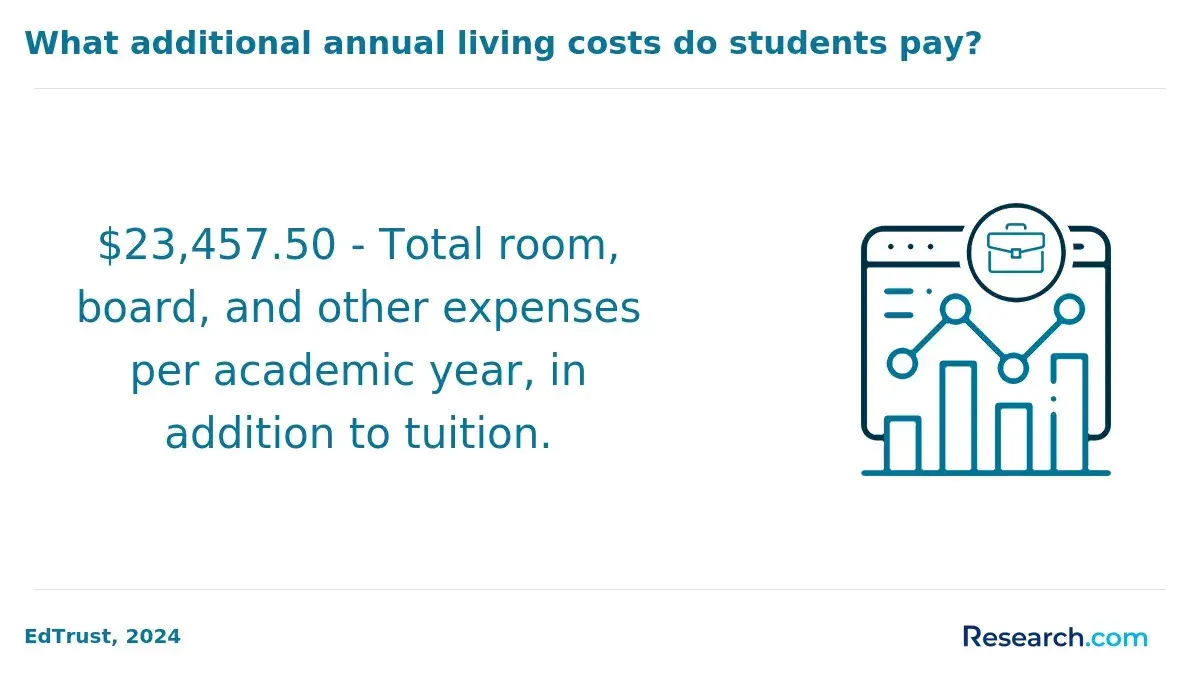
Choosing an online community health degree demands careful consideration of program duration, cost, and applied skill development, especially statistical competency valued by employers. Programs vary from two-year associate degrees to bachelor's programs typically spanning three to four years, with possible acceleration through transfer credits. Master's degrees usually require 18 to 24 months full-time, but part-time paths extend overall timelines and expenses.
Cost differentials are significant: in-state public tuition averages $8,000 to $15,000 annually, whereas private or out-of-state online options often cost $20,000 to $35,000 per year. Beyond tuition, fees, course materials, and software-especially for biostatistics and epidemiology coursework-add to total investment.
Working professionals balancing employment often face longer completion times and higher cumulative costs, a tradeoff that demands scrutiny of credit transfer policies and per-credit fees. Accelerated programs might expedite entry but risk omitting deep analytical training essential for roles requiring interpretation of population health data.
Employer screening increasingly prioritizes graduates' ability to analyze statistical outcomes, a skill indispensable in government, non-profits, and healthcare sectors where data drives resource allocation and intervention design. Skipping comprehensive biostatistics risks limiting employment prospects and effectiveness in these data-centric roles.
What careers can you pursue with an online community health degree and what do they involve?
Success in community health roles hinges on applied skills and field experience rather than theoretical knowledge alone. Positions such as health educator, program coordinator, public health analyst, and outreach specialist demand practical competencies in assessment, planning, and evaluation within real-world settings.
For instance, a health educator in a rural clinic directly applies community needs assessments in program designs, whereas urban program coordinators face more complex organizational dynamics and diverse populations, underscoring the need for adaptable, situational expertise.
Programs like Monroe University's, which mandate 60 credits inclusive of major-specific courses and rigorous fieldwork, align with employer expectations prioritizing hands-on training. This focus on supervised practicums equips graduates for smoother transitions into the workforce, addressing common challenges such as extended onboarding periods faced by candidates lacking relevant experience.
Key practical considerations for prospective students include:
- Verifying the integration of structured, supervised field experiences that develop applied problem-solving and data collection skills.
- Understanding state certification requirements that mandate documented practicum hours for many community health roles.
- Recognizing how absence of field experience limits access to higher-demand positions like epidemiology assistants or health policy advisors.
In sum, selecting a community health degree requires evaluating programs based on real-world preparation and responsiveness to workforce needs rather than solely on academic content.
What salary ranges and earning potential can graduates with community health degrees expect?
Salary outcomes for graduates with community health degrees show wide variation driven by location, employer type, and credentials. Median pay for health education specialists stood near $62,860 as of May 2023, yet urban hospital systems and federal agencies frequently exceed this range, offering $70,000 to $80,000. In contrast, smaller or rural employers often start new hires closer to $50,000, reflecting funding constraints and local market capacity.
This differential underlines a key workforce reality: advancing in community health often requires balancing compensation with job stability, as many roles depend on grants or short-term projects.
Those who augment their degrees with specialized skills-such as data analytics, program evaluation, or policy advocacy-are better positioned to secure higher salaries and more sustainable employment.
Professionals entering from related fields face tradeoffs between immediate work entry and investing in additional credentials. Programs integrating practicum experiences tend to correlate with stronger starting salaries since employers value practical expertise over theoretical knowledge alone. Geographic mobility and continuous skill updating are influential factors affecting long-term earnings and career trajectory.
Are there certifications or licenses related to community health that graduates should consider?
Employers in public health and nonprofit sectors often require candidates to hold professional certifications such as Certified Health Education Specialist (CHES) or Master Certified Health Education Specialist (MCHES) to validate expertise and ensure readiness for roles involving health promotion and program design.
A community health graduate without these credentials may face limited job prospects, especially in competitive metropolitan markets or federal grant-funded positions.
Key considerations include:
- State licensing requirements vary widely, particularly for specialized areas like community health nursing or social work, where additional licensure is mandatory.
- Certifications like Certified Public Health (CPH) signal specialized knowledge critical for epidemiology and health policy roles beyond the generalist degree.
- The financial burden of certification-exam fees and preparatory materials-can reach $300-$600, but these investments typically lead to higher salary potential and better job placement.
For example, students attending online programs such as those at Eastern Oregon University pay around $59,220 total tuition for a bachelor's in community health, demonstrating how regional public options can be cost-competitive compared to private campuses while still targeting high-demand skills.
Graduates should strategize continuing education alongside full-time employment to maintain certifications and pursue internships or practicum experiences since employers highly value combining credentials with relevant fieldwork.
How can prospective students evaluate and choose a reputable online community health program?
Selecting an online community health program hinges on verifying accreditation and curriculum relevance to actual job requirements. Accreditation from recognized bodies guarantees adherence to academic and professional benchmarks critical for employability and certification.
Evaluating course content for hands-on competencies like epidemiology, health policy, and program evaluation ensures graduates possess skills employers prioritize.
Flexibility and practicum logistics often determine whether working professionals can realistically complete a program without interrupting income or relocating. Programs offering asynchronous coursework alongside local practicum options provide practical advantages, especially for those balancing jobs and family obligations.
Candidates aiming for senior roles must assess if curricula include advanced management and data analysis to support long-term career growth beyond entry-level work.
Employment projections from O*NET reveal healthcare professors-a potential pathway for experienced community health graduates-will grow by 19.1% with a median salary around $100,300. Choosing programs that prepare students for teaching or research pathways broadens career options beyond field-based roles.
Meanwhile, time-to-completion and cost vary greatly in return on investment depending on one's background and objective, particularly for mid-career individuals seeking rapid upskilling.
Prospective students should investigate program outcomes through job placement rates, licensure success, and alumni engagement while verifying faculty credentials and their industry involvement. Such data better reflects a program's effectiveness in responding to evolving public health challenges and employer expectations.
Other Things You Should Know About Community Health
Programs emphasizing applied skills, such as data analysis, program evaluation, and health communication, better prepare graduates for practical roles that employers prioritize. Curricula heavily weighted toward theory or public health policy without corresponding practice components can limit immediate job readiness. Prospective students should prioritize programs with updated practice-based coursework and integrated field experiences to align with employer expectations for community health roles.
Specializations such as epidemiology, maternal health, or health education can offer a competitive edge but may also narrow job opportunities geographically and sector-wise. Generalist degrees provide broader flexibility but might require additional certification for niche roles. Students aiming for clear career advancement should select a specialization only if it matches specific local job market demands or employer needs in their target region.
Not all employers equally value online degrees; those with demonstrated accreditation and strong field practicums gain wider acceptance. Employers in certain sectors-like government or large healthcare systems-may scrutinize program reputation and graduate outcomes more closely. Applicants should verify program affiliations with recognized accrediting bodies and look for alumni employment reports to ensure their degree aligns with employer validation standards.
References
- Is an MPH in Community Health Right for You? https://masterspublichealth.com/mph-in-community-health/
- What Can I Do With an Online Bachelor’s in Public Health? - MPH Online https://www.mphonline.org/jobs-online-bachelors-public-health/
- Online Healthcare Degree-Accredited Programs https://nursinglicensemap.com/resources/healthcare-degree-programs/
- Today’s Guide to Public Health Certifications https://www.publichealthdegrees.org/resources/public-health-certifications/
- Master of Public Health Online https://www.unthealth.edu/tcom/public-health/master-of-public-health-online.html
- Why trust GlobalHealth Education? https://globalhealtheducation.com/au/resources/online-vs-on-campus-courses
- Graduate Application Guide https://www.publichealth.org/resources/grad-school-application/
- Faculty of Graduate and Postdoctoral Studies | University of Manitoba - Community Health Sciences (MPH) https://umanitoba.ca/graduate-studies/admissions/programs-of-study/community-health-sciences-mph
- What does a nursing assistant do? https://apexlearning.org.uk/online-health-and-social-care-courses-are-they-recognised-by-employers/
- What Is a Community Health Degree? https://www.nec.edu/news/what-is-a-community-health-degree