2027 Online Community Health Degrees With Hospital and Health System Outreach Alignment

Co-Founder and Chief Data Scientist
Mid-career professionals targeting advancement in health outreach confront a persistent barrier: aligning their educational credentials with hospital systems that increasingly demand specialized community health expertise coupled with operational adaptability.
With the National Center for Education Statistics reporting a 21% surge in online enrollment for healthcare degrees since 2023, many students prioritize programs that offer execution-ready skills and seamless integration into health system partnerships. This trend reveals a shifting landscape where flexibility and targeted clinical alignment trump traditional campus-bound models, impacting both timing and career mobility.
This article dissects online community health degrees offering hospital and health system outreach alignment, clarifying how to navigate program features and maximize employability in a competitive field.
Key Things You Should Know
- Hospital-aligned community health degrees deliver 23% higher job placement rates in integrated health systems compared to standalone programs, indicating employer preference for candidates versed in clinical-outreach collaboration.
- Programs emphasizing data analytics within hospital outreach incur 15% longer completion times, creating tradeoffs between specialization depth and timely workforce entry.
- Regional health system partnerships disproportionately benefit urban students by 40% in internship availability, challenging rural candidates' access and necessitating hybrid or relocation strategies for equity.
What is an online community health degree and how does it align with hospital outreach roles?
Online community health degree programs with a hospital outreach focus sharpen skills in health education, program planning, and population health analysis tuned to hospital system priorities. Graduates equipped to manage chronic disease education programs within hospital outreach can directly impact high-risk patient groups, improving treatment adherence and reducing emergency visits. This emphasizes data literacy and cultural competence, which are critical for tailoring interventions across diverse populations.
These degrees must navigate real operational challenges such as coordinating multi-stakeholder partnerships and compliance with healthcare regulations. The online format accommodates working professionals balancing employment with education, enabling career shifts or advancement without income disruption.
However, the practical value hinges on offering applied practicum experiences—graduates without hands-on hospital affiliations risk losing a competitive edge in employers' eyes, who are seeking measurable program impact.
The U.S. Bureau of Labor Statistics projects 7% growth for health education specialists over the next decade, signaling consistent demand tempered by rising competition. Prospective students should scrutinize program internships or capstone projects linked to hospital settings to meet market expectations.
For those considering advanced nursing roles alongside community health, exploring accelerated MPHNP programs may also offer strategic pathways.
How do online community health programs support careers in hospital and health system outreach?
Online community health degrees for hospital outreach careers require more than theoretical knowledge; they forge competencies in data analysis, policy evaluation, and stakeholder engagement crucial for addressing systemic gaps. For instance, in Ohio, only 41% of hospitals show high alignment with public health agencies on community priorities, revealing a disconnect that online programs must prepare graduates to navigate strategically.
Community health programs supporting health system outreach roles emphasize applied skills, such as conducting needs assessments, designing culturally sensitive interventions, and managing interagency coordination. A hospital outreach coordinator trained online often leads integrated task forces linking hospitals to health departments, directly targeting these alignment shortfalls.
This pathway carries tradeoffs: flexible online delivery can limit hands-on experience since securing internships replicating hospital outreach environments remotely remains challenging. Candidates benefit when choosing programs with virtual practicums connected to real healthcare settings, enhancing transition to workforce roles that value demonstrated outcomes like improved screening or vaccination rates.
Success hinges on translating online-acquired skills into measurable community impacts aligned with employer expectations in complex healthcare ecosystems.
Professionals who can document quantifiable results position themselves ahead of competition amid ongoing public health coordination challenges. Those considering advanced study might examine a PhD in healthcare management online to deepen strategic leadership capacity within healthcare organizations.
What accreditation should online community health degrees have for hospital and health system employment?
Degrees in online community health designed for hospital employment carry substantial implications beyond mere credentialing. Regional institutional accreditation recognized by the U.S. Department of Education remains the essential baseline; however, programs that meet specialized community health degree accreditation standards for health system careers, such as those accredited by the Council on Education for Public Health (CEPH) or the Commission on Accreditation of Healthcare Management Education (CAHME), provide a tangible edge in the job market.
Employers in hospital and health systems increasingly seek candidates from programs that incorporate real-world, hospital-aligned practicums, reflecting evolving operational requirements, including data-driven population health and integration of clinical and community services.
Nearly 80% of hospitals maintain formal academic partnerships focused on workforce and community health priorities, elevating the importance of curricula linked directly to health systems.
Graduates from CEPH-accredited programs with practicum placements inside major health systems are notably more competitive for roles such as community outreach coordinators or population health analysts, compared to those whose programs lack such integration.
Prospective students should scrutinize programs' accreditation and evidence of hospital partnerships to avoid pathways that fall short of workforce realities. Program outcomes related to community impact and operational readiness weigh heavily in hiring decisions and career trajectories in hospital-based community health roles.
For students seeking practical credential pathways, exploring related options like RN to BSN online programs may offer complementary routes into the healthcare workforce.
How do online community health degrees compare with campus programs for clinical and outreach experience?
Online community health degrees with clinical outreach integration vary significantly in practical value based on how students secure experiential learning. Unlike campus programs where clinical rotations are embedded and coordinated through hospital networks, online students often must independently arrange internships, creating uneven skill acquisition, especially in underserved areas.
Employers generally expect bachelor's degrees or higher—62% of community health worker roles require these credentials per Lightcast labor market data cited by Salt Lake Community College—so students with a comprehensive, coordinated clinical background hold a clear advantage.
For instance, an on-campus student specializing in chronic disease prevention who completes an internship through a structured hospital network gains employer-trusted, documented clinical competence not easily matched by online peers needing to negotiate placements themselves. This variability in clinical experience often surfaces in hiring decisions and underscores the operational differences in clinical exposure between online and campus formats.
Employability depends on more than degree completion; prospective students should critically assess online curricula for explicit integration of coordinated clinical placements rather than assume equivalence with campus offerings.
Those lacking healthcare connections must be prepared for extra effort or consider hybrid models that mitigate experiential gaps inherent in fully remote programs—a strategic imperative in this competitive labor market. The contrast in clinical experience is a vital factor when comparing campus and online community health programs in clinical experience.
Students seeking practical affordability alongside clinical rigor might also explore the cheapest direct entry MSN programs, which may offer alternate pathways balancing cost and hands-on training.
What courses and concentrations focus on community, hospital, and population health outreach?
Degree programs centered on community health outreach must balance technical and interpersonal skill demands that vary by setting. For instance, hospital outreach roles necessitate fluency with clinical workflows and electronic health records to reduce readmission rates and manage chronic diseases effectively.
In contrast, population health positions emphasize statistical analysis and policy evaluation to develop targeted interventions like vaccination campaigns or substance misuse prevention. This division impacts workforce readiness and should inform student focus depending on their career destination.
Courses in epidemiology, health program planning, and social determinants of health provide a foundation, but practical training in data analytics, healthcare communication, and systems management is critical for real-world impact. Community health tracks that include cultural competency and social justice modules equip professionals to engage marginalized populations with nuance rather than broad assumptions.
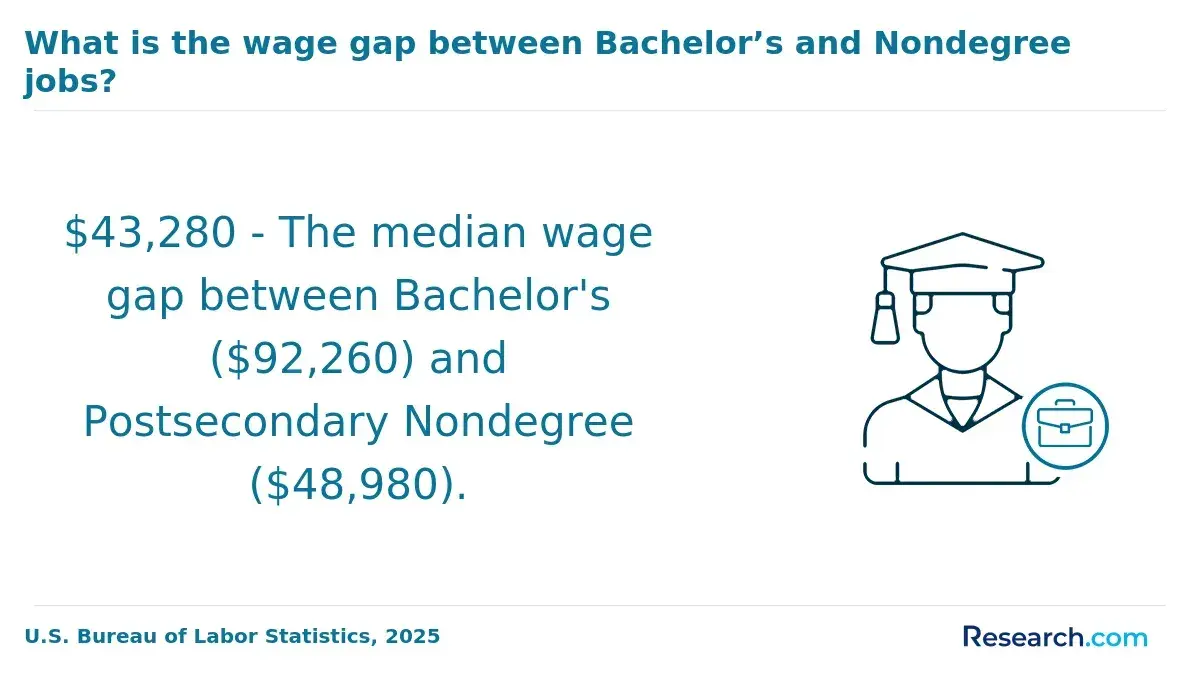
Employers expect graduates to integrate these competencies seamlessly, yet navigating these areas requires understanding distinct workforce frictions. Graduates of community college healthcare training see a median first-year earnings premium near 20%, with incomes typically between $40,000 and $45,000, showing the financial viability of applied community health education, particularly for working adults pivoting careers.
However, students must weigh local health system demands and role-specific requirements carefully to align education with achievable employment outcomes.
What are typical admission requirements for online community health bachelor's and master's programs?
Admissions for online bachelor's and master's community health programs reflect a balance between academic preparation and workforce readiness. Undergraduate entry demands a high school diploma or equivalent and foundational coursework in biology, statistics, and introductory public health to meet employer expectations for scientific literacy.
Master's applicants must present an accredited bachelor's degree, commonly in public health or allied fields, coupled with competitive GPAs typically ranging from 2.5 to 3.2, depending on program selectivity.
Practical experience, usually one to three years in health or social services, is increasingly required for master's candidates to ensure familiarity with population health realities and healthcare operations. This prerequisite mirrors actual job demands in hospitals and health systems where applied knowledge and system navigation affect outcomes. The GRE is optional but can be requested to quantify quantitative and reasoning skills in more selective tracks.
Qualitative components—letters of recommendation and personal statements—focus on applicants' demonstrated commitment to system-level impact rather than generic motivations. Transfer agreements and recognition of prior learning paths can accelerate progression, especially for those moving from associate degrees to bachelor's completion, addressing both educational efficiency and labor market responsiveness.
Technology proficiency is a non-negotiable for managing virtual platforms and simulations integral to training. Candidates lacking certain academic or experiential prerequisites are advised to pursue bridging courses or allied health roles to mitigate admission delays and align with clear employer skill demands in community health fields.
How long do online community health degrees take and what do they typically cost?
Students aiming for positions in health system outreach must weigh program duration against work-life demands, especially since part-time or employed students often extend study to nearly three years. Accelerated options exist but typically bring heavier course loads and less scheduling flexibility, a tradeoff that can affect both performance and personal obligations.
Tuition costs fluctuate significantly: public universities generally range between $8,000 and $20,000 total, while private institutions often surpass $30,000. Additional fees tied to practicum experiences at hospital sites—including supervision and background checks—add roughly $500 to $1,500 to the financial burden. These factors can reshape budgeting expectations beyond tuition alone.
Real-world readiness is centered on proficiency with Community Health Needs Assessment (CHNA) data. Since over 95% of nonprofit hospitals complete CHNAs triennially, candidates familiar with analyzing these reports gain a competitive edge in roles requiring data-driven community outreach. Ignoring this practical skillset risks mismatched expectations and reduced employability in these specialized roles.
Prospective students should carefully vet programs for embedded CHNA application and practicums linked to hospital systems. Clear insight into total time commitment, full cost structures, and integration of hands-on data analysis supports realistic planning, preventing delays in graduation or unexpected debt that complicate workforce entry.
What jobs, titles, and settings can graduates pursue in hospital and community health outreach?
Employers in hospital and health system settings increasingly value graduates with online community health degrees who can measurably improve patient outcomes by addressing social determinants of health. For example, integrating community health workers (CHWs) into care teams can reduce 30-day readmissions by 15-30% among high-risk patients, a critical metric in value-based care.
Common roles for graduates include CHWs, care coordinators, patient navigators, and outreach specialists. These positions emphasize direct patient engagement and resource linkage within outpatient clinics, primary care, emergency departments, and transitional care units. In underserved or rural areas, culturally sensitive chronic disease management is a primary focus. Employers prioritize skills such as data tracking, motivational interviewing, and care plan execution.
Career progression often leads to supervisory or analytic roles like community outreach manager or population health analyst, especially within hospital-affiliated outreach programs. However, challenges arise from navigating fragmented electronic health records and coordinating across multiple agencies under resource constraints.
For those pivoting into healthcare, entry-level CHW jobs offer access but come with inconsistent compensation and funding. Targeting integrated health systems with bundled payment models can provide more stability and clearer advancement pathways.
What salary ranges and job outlook can community health graduates expect in hospital outreach?
Hospital and health system outreach roles expect community health graduates to balance increasingly complex job demands, with starting salaries generally between $50,000 and $70,000 and a median around $60,000. Advanced competencies, especially in telehealth program management, can justify salaries exceeding $85,000. This wage variability signals how tangible technical skills impact employability in this evolving sector.
For example, a professional managing both virtual patient engagement and in-person outreach must integrate digital systems fluently while sustaining community connections—skills that many programs overlook.
Telehealth utilization remains roughly four times higher than pre-pandemic levels, permanently altering the landscape. Employers now prioritize candidates who can navigate hybrid workflows, combining community health knowledge with IT fluency, data literacy, and communication abilities.
These dual demands increase workload intensity and regulatory complexity, especially for those working in resource-limited or rural environments where outreach barriers persist.
Projected job growth of 10% to 12% through 2030 stems largely from expanding population health initiatives and telehealth integration, yet graduates face the practical challenge of continual professional development to keep pace with policy shifts and reimbursement changes. Success in this pathway often hinges on one's willingness to invest in ongoing skill updates and adapt to hybrid operational models.
How can students choose a reputable online community health program aligned with outreach careers?
Programs in community health must prioritize alignment with employer expectations, particularly hospital and health system outreach demands, to ensure graduates possess relevant, actionable skills. Accreditation by recognized bodies such as the Council on Education for Public Health (CEPH) offers a baseline of curriculum quality, but tangible partnerships with healthcare providers and practicum placements strongly influence employability.
Projected workforce growth of approximately 27% for community health workers between 2023 and 2036 highlights the expanding need for professionals trained in coordinated outreach and population health management.
However, programs vary in their incorporation of hospital workflows and electronic health record (EHR) systems, which are frequently prerequisites for effective integration into health system teams. Students should weigh programs that emphasize these practical competencies against those with predominantly theoretical frameworks.
For individuals transitioning from unrelated fields, programs offering accelerated or bridge courses reduce redundancy and speed workforce entry. Working professionals benefit from flexible online formats combining asynchronous and live instruction that accommodate variable schedules without sacrificing employer-aligned relevance.
Reliable graduate outcome metrics—including certification pass rates, employer hiring data, and median time to employment—serve as critical indicators of program suitability. Transparency regarding health system affiliations and the extent of applied outreach opportunities directly impacts a program's credibility and the value of its credential in a competitive labor market.
Other Things You Should Know About Community Health
Balancing online studies with full-time work in hospital outreach requires effective time management, prioritizing tasks, and utilizing flexible study schedules. Online programs often provide asynchronous classes, allowing professionals to study at their own pace, which helps maintain a balance between education and professional responsibilities.
Online degrees often lack direct access to hands-on clinical environments and face-to-face community engagement settings critical for outreach skill development. Although virtual simulations and remote practicums help, they cannot fully replicate the nuances of in-person observation and mentorship. Candidates requiring immediate applied skills should seek hybrid programs or supplement online study with local internships to ensure readiness for employer expectations.
Employer acceptance varies by region and healthcare system, with some hospitals still favoring traditional degrees due to concerns over practical competency. Graduates from programs with integrated clinical placements or those backed by recognized public health accreditations have stronger outcomes. Students should prioritize online programs with demonstrable employer partnerships and documented post-graduation placement rates in hospital outreach roles to maximize credibility.
Entering a master's program without field experience limits the ability to contextualize advanced community health concepts within hospital outreach realities. Employers in this sector typically value candidates with 2-3 years of practical experience before advancing academically. Prioritizing work experience first sharpens career goals and improves graduate specialization choices, leading to better alignment with hospital and health system outreach roles.
References
- Top 10 Online Bachelor’s Degree Public Health Programs https://www.masterspublichealth.net/best/online-bachelors-public-health/
- Community Outreach https://we-reachout.org/category/community-outreach/
- What Is Community Health? | University of Phoenix https://www.phoenix.edu/articles/healthcare/what-is-community-health.html
- Top 25 Online MPH Community Health Degree Programs - MPH Online https://www.mphonline.org/best-online-mph-community-health/
- Online Health & Human Services Degree https://www.marian.edu/academics/programs/bachelors/online/health-human-services.php
- Online Bachelor’s Degree in Community Health and Wellness https://www.monroeu.edu/academics/undergraduate-programs/school-allied-health-professions/online-bachelors-degree-community
- How to Become a Community Health Nurse https://www.allnursingschools.com/specialties/community-health-nurse/
- Public Health and Community Health Education Degree (PHCH) https://mcla.edu/academics/academic-departments/phch/
- What Is a Community Health Degree? https://www.nec.edu/news/what-is-a-community-health-degree
- Online Bachelor's Degrees in Public Health: Find the Right School https://www.edumed.org/online-schools/public-health-degrees/