2027 Best Online Community Health Programs for Students Seeking Stable Prevention Careers

Co-Founder and Chief Data Scientist
Working professionals aiming to shift into stable prevention careers within community health often encounter inflexible program schedules and limited access to accredited online options, creating barriers that cause costly delays or force career stagnation. The National Center for Education Statistics reported a 15% increase in adult enrollment in fully online health-related programs since 2023, signaling growing demand but also intensified competition for quality, affordable programs with genuinely flexible delivery.
This acceleration in online options challenges students to discern which offerings balance credibility, practical training, and employer expectations without trapping them in ineffective credential loops. This article identifies top online community health programs that offer relevant curricula, adaptable pacing, and proven career outcomes to support carefully timed and strategic career transitions into prevention-focused roles.
Key Things You Should Know
- Employment data from the U.S. Bureau of Labor Statistics shows a projected 11% growth in community health roles by 2032, pressuring students to prioritize programs aligned with prevention-specialized certifications to maximize job placement.
- Employers increasingly demand dual competencies in data analytics and cultural competence, forcing candidates to weigh narrower program specialization against broader skill sets to meet evolving public health workforce needs.
- Cost analyses reveal that accelerated certificate programs reduce training duration by 40% but limit access to federal financial aid, influencing timing and affordability decisions crucial for mid-career professionals pivoting into community health.
What is an online community health degree and how does it prepare students for prevention careers?
Online community health degree benefits for prevention careers rest on practical skill acquisition tailored to diverse employment settings, from schools to local agencies. These programs prioritize epidemiology, health promotion, and behavioral science delivered via flexible digital platforms that allow students to balance work or family duties. For example, a graduate employed by a public school district might design targeted anti-obesity initiatives using demographic health data, while an occupational health professional applies similar expertise to reduce workplace injuries through risk assessments and training.
Employment for health education specialists and community health workers is projected to grow 12% from 2024 to 2034, more than twice the average for all jobs, driven by expanding prevention and health promotion investments. However, online community health programs prepare students for stable prevention jobs only if they actively seek internships or practicums to offset limited field exposure. Graduates often require certifications like the Certified Health Education Specialist (CHES), necessitating focused exam preparation beyond the degree.
Evaluating programs demands attention to accreditation, alignment with professional competencies, faculty credentials, and student support. Candidates benefit most from programs facilitating connections with local health organizations, which improves readiness for employer expectations around cultural competency and interdisciplinary collaboration. Additionally, understanding workforce implications such as the health information management salary spectrum contextualizes career decisions within prevention-focused community health pathways.
Which accredited schools offer the best online community health programs in the United States?
Deciding on an online community health program requires more than accreditation; it demands alignment with local workforce realities and employer needs. Leading US accredited online community health programs typically feature CEPH accreditation or regional recognition, but the practical value emerges from integrated field practicums and partnerships with health departments. A mid-career professional transitioning into prevention-focused roles benefits greatly from programs emphasizing applied skills in epidemiology, health communication, and resource coordination, often including capstones tied to local agencies. These elements enhance realistic employability versus non-CEPH alternatives, where graduates face longer job searches and limited role advancement.
The U.S. Bureau of Labor Statistics projects nearly 2 million openings in healthcare and public health by 2033, yet the quality of a program's network and career services directly impacts placement outcomes. Evaluating top accredited online community health programs in the US means scrutinizing credit requirements, practicum support, and alignment with targeted employers-whether state agencies or nonprofits. Graduates aiming for nonprofit leadership roles should seek curricula including grant writing and program management components.
Students should consider programs that balance flexibility with rigorous experiential learning. For those exploring efficient career pivot options, the fastest online master's in healthcare management may provide a comparative pathway depending on career objectives.
How do online community health programs compare to on-campus options for quality and outcomes?
Online community health programs can match the outcomes of on-campus education when programs maintain rigorous accreditation and embed fieldwork components equivalent to traditional routes. Employers weigh demonstrated competencies, relevant internships, and applied skills higher than program delivery mode, emphasizing curriculum relevance and experiential training.
For example, a part-time community health worker employed in rural public health can maintain full-time employment while pursuing credentials online, a flexibility rarely offered by on-campus programs. However, online students need structured field placements similar to those required on-campus to meet employer expectations and ensure practical readiness in community health roles.
Graduates aiming for roles such as medical and health services managers can anticipate strong employment prospects, with a median annual salary of $117,960 and projected job growth of 23.2%, based on data from the U.S. Bureau of Labor Statistics cited by Arizona State University Online. This reflects sustained demand for well-prepared professionals regardless of whether they complete their community health education online or on-campus.
Prospective students evaluating master of healthcare administration pathways should weigh these trade-offs carefully to align their educational choices with workforce realities.
What types of community health degrees and certificates are available fully online?
Fully online community health degrees and certificates target working professionals by balancing flexible scheduling with workforce demands. Among these, the online Bachelor of Science (BS) in community health or public health offers foundational expertise, while online MPH programs specialize in population health, epidemiology, and policy analysis, reflecting competencies sought by employers. Programs must also address practical skill sets like data-driven interventions and culturally competent communication-core areas that affect employability and job readiness.
The tradeoffs in these pathways become evident when considering roles that require hands-on experience. For instance, epidemiology positions often mandate on-site practicums or lab work, which many online programs struggle to fully replicate. Consequently, prospective students should assess whether programs incorporate field experience partnerships to meet these requirements.
Certificate options provide accelerated routes for skill stacking relevant to roles such as health educators or community outreach coordinators, making them practical for immediate workforce insertion without full degree investment. However, proficiency in quantitative data tools and policy interpretation remains critical across all credential types, influencing access to roles within government, nonprofits, and healthcare employers.
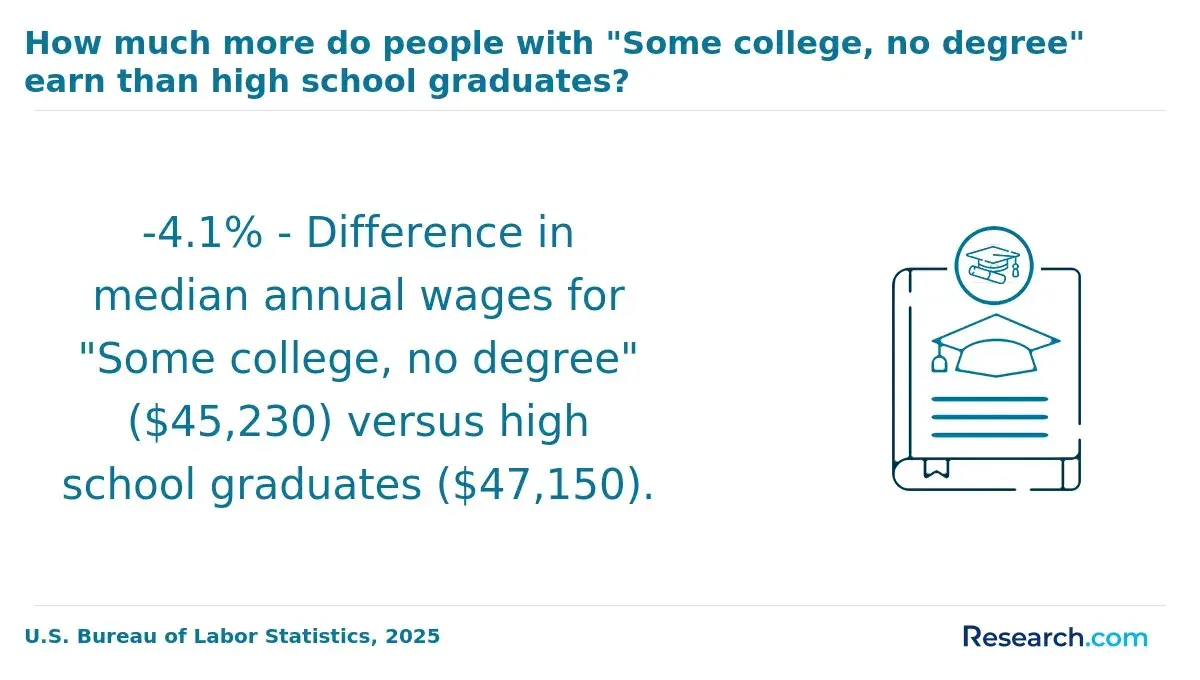
A practical lens also highlights value considerations; for example, an online MPH at the University of Oklahoma carries a tuition of $24,150, which compares favorably to a median public health annual wage of $83,090. For those comparing pathways and costs, resources like WGU vs Chamberlain offer insight into program decision factors. Community health degrees available fully online and fully online certificates in community health prevention serve distinct purposes but share the need to align credentials with realistic workforce demands.
What accreditation should online community health programs have to support licensure and employment?
Accreditation from agencies recognized by the U.S. Department of Education or the Council for Higher Education Accreditation is essential for online community health programs to ensure graduates are eligible for licensure and employment. Regional accreditation combined with programmatic accreditation in public health or health education is often required for Certified Health Education Specialist (CHES) eligibility, which many states mandate. Without this, graduates risk limited job prospects and may face additional certification hurdles that delay hiring and reduce starting salaries.
Employers and licensure boards typically demand proof of program completion linked to accredited curricula focusing on competency-based training, epidemiology, and behavioral health. For instance, hospitals prefer community health workers trained under programs meeting these standards. Graduates from nonaccredited programs might encounter longer routes to certification and compromised workforce readiness.
The median wage for health education specialists and community health workers was $51,030 in 2024, reflecting how accreditation aligns education with practical workforce requirements and federal public health priorities.
What courses and competencies are typically included in an online community health curriculum?
The core value of online community health curricula lies in balancing analytical rigor with practical application, reflecting workforce demands in public health sectors. Competencies in epidemiology, biostatistics, and program planning equip students to address persistent health disparities, especially within underserved populations. For instance, professionals skilled in biostatistics often lead evaluations of interventions targeting chronic disease inequities.
Beyond theory, grant writing, community assessments, and risk communication are essential skills that directly influence a graduate's ability to secure funding and coordinate with diverse stakeholders. Differentiating between policy advocacy and program implementation becomes a critical on-the-job negotiation in local government health roles, where evidence must align with political realities. Programs integrating practicum projects enhance problem-solving skills transferable to healthcare systems or global health NGOs.
One practical challenge remains the lag between academic content and rapidly evolving public health crises, which demands adaptive capabilities in crisis management and health informatics. Career changers should prioritize training in digital health technologies and data privacy, areas increasingly emphasized by employers post-2024. According to data cited by the University of Oklahoma, employment growth in healthcare-related public health roles will outpace average labor markets through 2033, reinforcing the need for relevant, up-to-date expertise.
What are the typical admission requirements and application materials for online community health programs?
Admission requirements for online community health programs often present practical barriers that affect applicant success and timing. While a high school diploma or equivalent is standard, programs demanding a GPA minimum around 2.5 to 3.0 and official transcripts introduce administrative hurdles that working adults may struggle to clear promptly. The inclusion of personal essays and letters of recommendation, especially those that must attest to specific academic or professional proficiency, adds complexity beyond simple documentation.
Applicants targeting community health worker roles-projected to grow 11.3% with a median salary near $51,030 as reported by Arizona State University Online's use of BLS data-benefit from verified volunteer or employment experience to offset academic criteria. For positions focused on health promotion and support, growing at 3.5-6.4%, application materials should highlight competencies like cultural competency, communication, and data collection, reflecting employer priorities for practical, measurable skills.
Real-world challenges include aligning prerequisite coursework with work schedules, securing substantive recommendation letters, and sometimes facing standardized testing requirements. These can delay enrollment and subsequent workforce entry. Choosing programs with clear, detailed checklists and accessible admissions advisors can mitigate delays, providing a smoother path into prevention-focused sectors that are expanding yet demand specialized preparation.
How long do online community health programs take to complete, and what do they cost?
Choosing between short-term certifications and longer programs in community health involves balancing immediate workforce entry with future advancement potential. Short-term programs, generally lasting 3 to 6 months, equip students with foundational skills enabling quick employment as community health workers or health education specialists-roles projected to grow by 12% from 2024 to 2034 according to U.S. Bureau of Labor Statistics data cited by Monroe College.
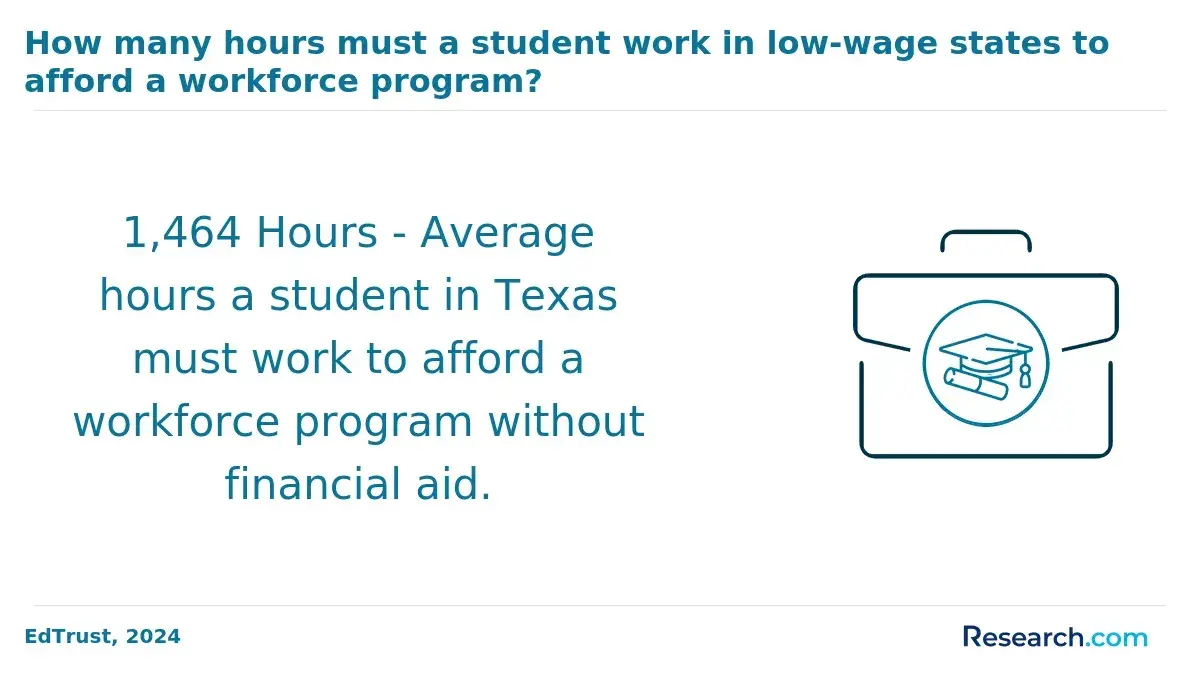
These accelerated options typically cost $1,000 to $5,000 and suit individuals prioritizing rapid entry over extensive training. However, they may limit eligibility for supervisory or specialized prevention roles that often require deeper knowledge gained through associate degrees or more comprehensive certificates spanning 12 to 24 months and costing $5,000 to $20,000.
Professionals juggling employment and study demands must weigh the higher weekly workload of accelerated online formats against more flexible pacing in longer programs. Importantly, employers in public health and nonprofit sectors emphasize verifiable credentials and practical experience; hence, program rigor and relevance often outweigh cost or duration.
What community health jobs, salaries, and advancement opportunities can graduates expect?
Entry-level roles in community health typically start between $40,000 and $55,000 annually, with median wages near $48,000, based on U.S. Bureau of Labor Statistics data. Early positions-often as outreach coordinators or community health workers-require strong cultural competency and communication skills, especially when engaging diverse populations. Advancement often hinges on mastering program evaluation, data collection, and grant writing, skills that open pathways to supervisory or specialist roles with salaries rising to $70,000-$85,000 within five to seven years.
The decision to pursue certifications or accredited training can significantly impact access to health education or case management positions that offer higher pay but may demand additional time and financial investment. Geography and sector-government, nonprofit, or private-also strongly influence salary, with urban centers generally offering more funding and opportunities compared to rural areas.
Employers now prioritize multidisciplinary expertise, bilingual abilities, and data fluency to address social determinants of health effectively. While initial pay may be modest, the expanding job market, supported by federal programs like HHS's Think Cultural Health, reflects sustained demand surpassing 60,000 workers nationwide. Graduates must balance the reality of entry-level compensation against these broader labor market trends and continuous learning requirements to strategically navigate sustainable career growth and evolving community health demands.
Are there certifications or state requirements for community health and prevention professionals?
Certification in community health often separates candidates in a labor market where many entry-level roles do not formally require credentials but highly value them. Credentials such as the Certified Health Education Specialist (CHES) or Certified in Public Health (CPH) substantiate skills crucial for program planning, education, and prevention efforts. These certifications can directly impact hiring decisions and salary negotiations, especially within public or nonprofit organizations reliant on grant funding tied to documented competencies.
State licensure, by contrast, applies primarily to specialized behavioral health roles like Licensed Clinical Social Worker (LCSW) or Licensed Professional Counselor (LPC), not general community health workers. This distinction affects career pathways and the credentialing investments candidates must assess before entry.
Workforce projections underscore robust demand, with U.S. Bureau of Labor Statistics data indicating "much faster than average" employment growth through 2033 and about 1.9 million annual openings related to community health degrees. This growth sustains roles where certification mandates can govern eligibility, as seen in chronic disease prevention programs requiring CHES certification within two years of hire. Failure to comply can result in job insecurity or halted career advancement.
Conversely, some local health departments prioritize formal education combined with experience over specific certifications, though advanced credentials strengthen bargaining power. Prospective professionals must balance upfront certification costs and preparation time against long-term job stability and sector-specific demands.
Other Things You Should Know About Community Health
In 2027, online community health programs often offer flexible scheduling and digital simulations to balance academic workload with practical experience. Institutions may partner with local health organizations for in-person practicums to ensure students gain necessary hands-on skills while managing online coursework effectively.
Employers in community health prioritize candidates with applied skills in data analysis, program evaluation, and cultural competency more than general theoretical knowledge. Degree programs that allow customization through electives in epidemiology, health communication, or policy yield stronger job market fit. Choosing programs with clear alignment to employer-demanded skills improves initial hire prospects and career mobility. Candidates should seek programs with transparent employer advisory boards or graduate outcome data to confirm relevance.
For students with prior health degrees, community health programs provide targeted prevention strategies and community-level intervention skills not typically emphasized elsewhere. However, program overlap may mean some coursework feels redundant, extending time and expense without proportional career gain. Those aiming for prevention leadership roles benefit most by selecting advanced certificates or master's programs explicitly designed for cross-disciplinary professionals. Otherwise, focused certifications may offer better return on investment.
Hands-on experience in online community health degrees varies widely; some programs incorporate live simulations or virtual labs, but most depend heavily on independent field placements. This variability affects skill acquisition and confidence in real-world settings. Students should verify the nature and scope of experiential learning, prioritizing programs that combine flexible online coursework with structured, supervised fieldwork. The absence of rigorous practicums can hamper readiness for employer expectations on day one.
References
- Community Health and Wellness Proficiency Certificate https://www.ccp.edu/college-catalog/degree-programs/proficiency-certificate/community-health-and-wellness-proficiency
- Health and Human Services: Campus & Online Degrees and Careers https://www.publichealthonline.org/human-services/online-degree-programs/
- Community Health Worker Curriculums - RHIhub Toolkit https://www.ruralhealthinfo.org/toolkits/community-health-workers/4/training/curriculum
- How to Choose a Program https://www.publichealth.org/resources/choosing-a-program/
- The Top 26 Free Online Public Health Courses - MPH Online https://www.mphonline.org/free-online-public-health-courses/
- Online Public Health Degrees: Find Your Program https://www.degreesforgood.org/online-degrees/public-health-programs/
- Community Health Worker Core Competency Training https://healtheducenter.org/index.php/component/eventbooking/community-health-worker-core-competency-training
- Faculty of Graduate and Postdoctoral Studies | University of Manitoba - Community Health Sciences (MPH) https://umanitoba.ca/graduate-studies/admissions/programs-of-study/community-health-sciences-mph
- Public Health - SUM Admission https://admission.sum.edu.pl/public-health/
- Continuing Education and Professional Development in Public Health https://www.publichealthdegrees.org/resources/continuing-education-and-professional-development/