2027 Online Community Health Degrees With Strong Patient Navigation Training

Co-Founder and Chief Data Scientist
Community health professionals confronting rising patient caseloads often struggle to efficiently guide clients through complex healthcare systems, a challenge intensified by workforce shortages and evolving Medicaid policies.
The Bureau of Labor Statistics forecasts a 13% growth for health educators and community health workers through 2032, signaling growing demand but also competition for qualified candidates with navigation expertise. Meanwhile, nearly 45% of community health students pursue online programs to balance work and study, indicating a decisive shift toward flexible, accessible education.
This article assesses online community health degrees emphasizing patient navigation training and offers insights to help prospective students select programs that align with career timing, employability, and practical skill development.
Key Things You Should Know
- Online community health degrees with a patient navigation focus face a credential tradeoff: fewer clinical hours reduce qualifications for federal certification, limiting employment in high-demand hospital-based roles per 2024 NCHEC analysis.
- Employers prioritize candidates with embedded health informatics training alongside patient navigation, as 72% of surveyed community health managers in 2024 report data-driven case management as critical for frontline effectiveness.
- Programs averaging under $12,000 total cost enable mid-career pivots within 18 months, matching workforce upskilling timelines but often excluding advanced elective access, restricting specialization breadth according to 2024 IPEDS financial data.
What is an online community health degree with a focus on patient navigation training?
Online community health degree programs with a patient navigation focus directly address the persistent delays and systemic barriers patients face, especially those with complex diagnoses such as cancer. These programs blend public health fundamentals with targeted training in care coordination, advocacy, and patient education, aligning graduate capabilities with employer demands for reducing treatment initiation times.
For instance, cancer patient navigation efforts have yielded measurable reductions—averaging 34.5 fewer days to diagnosis and treatment start—demonstrating a tangible workforce impact.
Expect curricula that combine asynchronous online learning on healthcare systems, cultural competency, data management, and case management with required clinical practicums tied to hospitals or community organizations. These hands-on experiences expose students to real-world patient navigation challenges, a necessary tradeoff given the hybrid nature of many programs.
Key practical considerations include balancing on-site practicum requirements against online coursework flexibility and gaining proficiency with electronic health records (EHR) and telehealth platforms, essential tools in contemporary care coordination.
Employability focuses heavily on demonstrating improvements in care navigation effectiveness—such as reduced patient wait times and improved satisfaction—making competency-based assessments and employer partnerships critical program features for those seeking a career pivot.
The distinct emphasis on patient navigation training in online community health studies makes these degrees valuable for candidates aiming to meet real-world care integration demands and access equity challenges.
For professionals comparing educational options in related fields, programs like mental health counseling online masters offer alternative pathways with different clinical foci and career applications.
How do online community health degrees prepare students specifically for patient navigator roles?
Online community health degree patient navigator training equips students with targeted skills critical for managing complex care coordination and advocacy in diverse systems. Employers expect graduates who can immediately reduce hospital readmissions by balancing interpersonal communication with systemic knowledge.
For instance, a patient navigator in oncology clinics often mediates timely information flow between physicians and patients while addressing social determinants such as transportation and financial aid.
These programs emphasize practical application, integrating case studies and virtual practicums that simulate real challenges—like guiding underserved urban populations with chronic disease or overcoming rural healthcare access barriers.
Proficiency in electronic health records (EHR) navigation is standard, reflecting everyday multidisciplinary coordination demands. Legal and ethical training ensures graduates uphold HIPAA compliance and patient rights during sensitive community engagements.
However, students face a significant tradeoff: online formats typically require independent securing of local internships, which can restrict hands-on experience and impact employability in competitive environments. Choosing programs with established clinical partnerships or placement assistance may offset this hurdle.
For those considering a strategic shift into this field, exploring a health care administration degree can complement patient navigation skills developed in community health programs, broadening operational and leadership potential.
What types of online community health degrees are available for aspiring patient navigators?
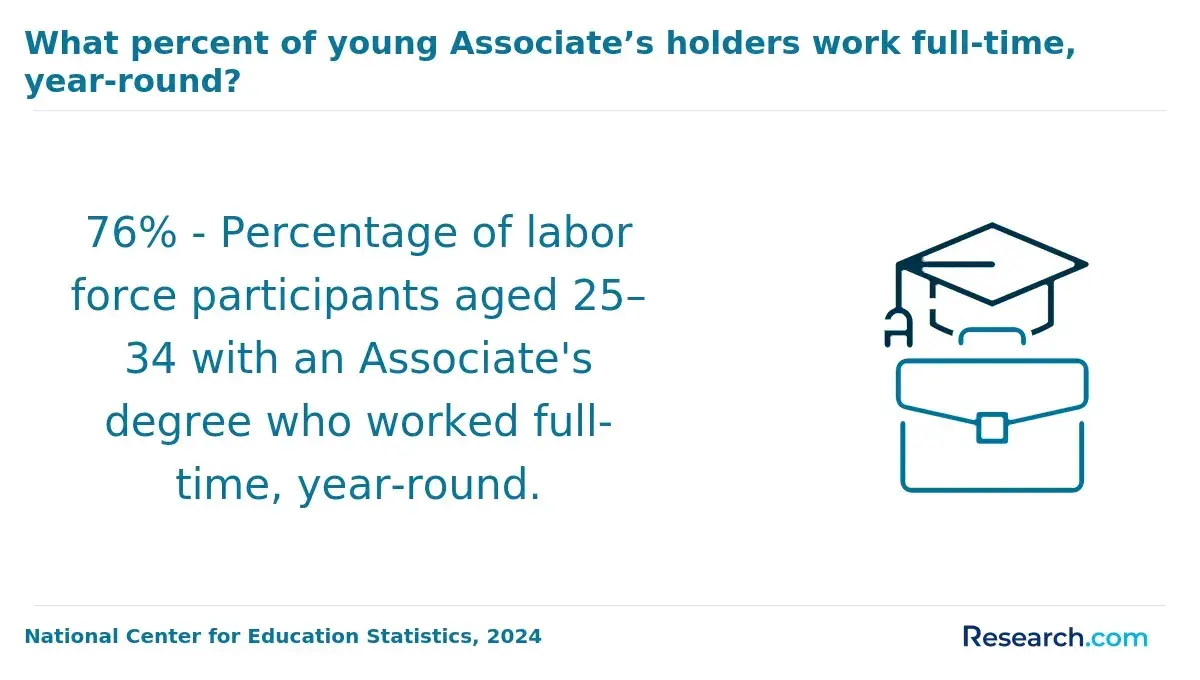
Prospective patient navigators seeking functional competence face distinct tradeoffs among associate, bachelor's, and certificate online community health degree programs with patient navigation training. Associate degrees anchor foundational public health and navigation basics, aiming at entry-level clinic and health department roles.
In contrast, bachelor's programs cover broader topics-health policy, education, data management-better positioning graduates for leadership and care coordination across hospitals and nonprofits, albeit with longer study and higher expense. Certificates serve as accelerated options for professionals targeting specific navigation skills without the time investment of a full degree.
Employer demand stresses competencies in care coordination, cultural sensitivity, and electronic health record proficiency. Programs embedding experiential components such as virtual simulations or practicum enhance work readiness.
For example, CDC-evaluated online courses report 96% learner satisfaction for relevance and skill-building, indicating practical effectiveness. Nevertheless, clinical placement support varies widely—a key factor when eligibility for licensure or preferred employer experience is involved.
Students must weigh accreditation, faculty expertise in patient navigation, and integration of contemporary healthcare regulations. A patient navigator specializing in cancer care systems requires deeper knowledge of insurance navigation and advocacy compared to those focusing on chronic disease management, influencing curricular relevance.
For those evaluating cost versus advancement potential, resources like masters in healthcare management suggest routes beyond community health degrees. Ultimately, selecting from the best community health degrees for patient navigators hinges on aligning program delivery, length, and content with concrete workforce demands and individual career goals.
How does an online community health program compare with campus-based options for patient navigation training?
Workforce demands and logistical realities shape the choice between campus-based and online training in community health patient navigation. While campus-based programs emphasize direct, supervised clinical interactions essential for navigating complex healthcare systems, they often require proximity to clinical sites that can constrain some learners.
In contrast, online community health patient navigation training effectiveness depends heavily on curriculum rigor and the learner's ability to secure local practicum placements. When well-designed, online programs can deliver competency gains comparable to traditional formats by using virtual simulations and diverse case scenarios reflecting urban and rural healthcare environments.
The practical value of online versus campus-based options varies by professional context:
- Professionals benefit from online options' flexibility and growing employer recognition of competency-based credentials over time-in-seat.
- Self-motivated learners who can independently arrange fieldwork may find virtual programs adequately prepare them for certification and workforce integration.
- Those requiring direct supervision and immediate peer networking might lean toward in-person training for more controlled clinical exposure.
Employers prioritize validated competencies delivered by evidence-based curricula regardless of delivery mode but remain cautious about experiential gaps. Prospective students should weigh access to clinical sites, individual learning preferences, and geographic limitations when assessing community health patient navigation programs.
For those exploring accelerated healthcare pathways, direct entry MSN programs for non nursing majors offer a strategic pivot that complements broader workforce needs in healthcare navigation. Navigating these options involves balancing program design, career objectives, and labor market realities to optimize both skill acquisition and employability outcomes.
What courses and skills are typically included in a patient navigation-focused community health curriculum?
Employers in the community health sector prioritize candidates with practical skills that directly impact patient engagement and care coordination rather than purely theoretical knowledge. Training focused on navigating complex healthcare delivery systems equips students to handle institutional barriers in diverse settings, including oncology and mental health clinics.
Such education also involves cultural competence and health literacy, which are vital for adapting communication to varied populations and improving patient adherence.
The operational abilities acquired—such as case management, insurance navigation, and referral coordination—address common challenges in resource-limited systems by proactively reducing care gaps. Competency in data collection, outcome tracking, and electronic health records aligns graduates with current employer demands to document program effectiveness and meet reporting standards.
Behavioral health fundamentals and motivational interviewing techniques prepare navigators to assist patients facing psychological hurdles, especially when managing chronic diseases or social determinants of health. Coursework in legal and ethical standards ensures professionals can protect patient confidentiality and institutional liability.
A key workforce consideration is the integration of practicum experiences, which bridge academic learning with real-world application. This experience supports employers' expectations that navigators deliver measurable improvements, reflected in a 25% increase in diagnostic resolution documented by major research entities.
For professionals weighing this pathway, understanding these operational realities and employer preferences is essential when assessing the return on educational investment.
What accreditation and program quality indicators should I look for in online community health degrees?
Accreditation status from agencies recognized by the U.S. Department of Education, particularly the Council on Education for Public Health (CEPH) or the Commission on Accreditation of Healthcare Management Education (CAHME), directly impacts employer trust and graduate employability in online community health degree programs. Employers increasingly scrutinize programs without such accreditation, especially for navigation roles demanding verified competencies.
Effective community health navigation training that aligns with documented workforce improvements matters. Research shows 78% of recent studies link community health worker navigator programs to better care coordination and access, implying that programs lacking practical navigation components may leave graduates ill-equipped for complex care environments.
Fieldwork opportunities coordinated with recognized public health entities are integral for hands-on learning, exposing students to diverse populations—from rural clinics to urban health departments—and building adaptable skills essential for employer preferences.
Graduate placement data in roles like care coordination or patient advocacy provide concrete insight into program relevance. Programs with low alumni success or employer engagement suggest a disconnect between curriculum and actual job demands.
Finally, faculty expertise tied to active community health navigation projects or policy involvement enhances curriculum depth. Programs staffed primarily by generalists without practitioner experience risk producing graduates lacking the nuanced skills needed for today's navigation workforce.
What are the typical admission requirements and application materials for these online programs?
Admission criteria for online community health degrees with patient navigation training often create upfront barriers that impact candidate selectivity and workforce readiness. Programs generally require an accredited bachelor's degree with transcripts confirming a GPA between 2.5 and 3.0, reflecting the clinical and analytical rigor expected.
Applicants typically must submit a statement of purpose that clarifies experience or interest in patient navigation, emphasizing skills like cultural competency and health communication.
Because patient navigation curricula remain inconsistently defined—only 13 of 29 studies on this training specify program content—applicants encounter variability in what programs expect. This inconsistency forces prospective students to seek detailed curricular information to ensure alignment with employers' practical demands.
Common admission materials include professional recommendations, ideally from clinical supervisors, which validate candidates' interpersonal and practical skills essential for navigation roles. While standardized tests such as the GRE are less frequently required, selective programs with research components may still insist on them.
Applicants with healthcare work or volunteer experience position themselves more favorably for programs that prioritize applied skills. Additionally, online study often involves telehealth simulations and platform proficiency assessments, necessitating digital literacy uncommon in traditional community health studies. Lack of preparation here can hinder success and employment outcomes.
How long do online community health degrees take, and what do they cost?
Completion times for online community health degrees with patient navigation specialization vary notably by credential. Associate degrees generally require two years, while bachelor's programs average four years, though accelerated options may cut this to three.
Master's credentials range from 18 to 24 months with full-time enrollment. These durations account for both academic coursework and essential practicum placements that simulate real-world scenarios, a requirement employers actively verify when assessing applicants' readiness.
Cost considerations typically range widely: associate and bachelor's programs fall between $15,000 and $40,000 in tuition, whereas master's level tuition can reach $50,000. Ancillary costs for practicum fees, technology, and study materials add $1,000 to $3,000 yearly. Public institutions may offer more affordable tuition for in-state students but often limit eligibility, whereas private schools maintain uniform rates regardless of residency.
For working professionals, part-time enrollment extends program length and total cost but allows continued employment. Balancing time, expense, and employer reimbursement opportunities is critical when selecting a program.
Prospective students should emphasize programs with integrated practicum experiences, as mastery of patient navigation skills combined with a valid degree significantly impacts employability in the current healthcare workforce environment.
What careers, job settings, and advancement paths are available with patient navigation training?
Effective patient navigation training demands proficiency beyond clinical knowledge, emphasizing the ability to manage complex healthcare coordination and social determinants that affect patient outcomes. Employers in hospitals, cancer centers, and nonprofit settings prioritize candidates skilled in navigating electronic health records and insurance authorizations, which remain significant barriers within care pathways.
Advancement opportunities in this field often depend on geographic and institutional factors. For instance, a patient navigator in a metropolitan hospital who masters cultural competency and resource coordination may lead multidisciplinary teams, influencing care delivery on a systemic level.
In contrast, those working in rural or underserved contexts typically focus on adapting telehealth navigation models to mitigate access issues stemming from distance and resource scarcity.
The skill set required combines technical command with robust communication and problem-solving abilities. Navigators frequently face challenges such as scheduling complex appointments or securing financial assistance independently, which demands proactive, adaptable strategies.
This pathway suits professionals prepared to navigate demanding operational environments and shifting healthcare policies while addressing social, cultural, and logistical barriers in patient care.
What are the salary ranges and job outlook for community health workers and patient navigators?
Community health worker salaries typically reflect employer type and geographic factors, often ranging from about $40,000 annually in entry-level nonprofit or public health roles to over $60,000 in hospital or specialized clinical settings. This spread indicates a tradeoff between accessibility and earning potential, where stronger credentials—such as certifications, bilingual skills, or advanced degrees focused on patient navigation or care coordination—drive higher wages and better job stability.
Employment prospects for roles in this field are favorable, with a projected growth rate of 12% from 2022 to 2032, outpacing many other occupations. This growth is fueled by healthcare initiatives aimed at expanding access and reducing readmissions, which places a premium on effective patient guidance.
However, candidates must be prepared for varied employer requirements, balancing initial job flexibility against competition for higher-paying positions demanding rigorous training or academic credentials.
For example, community health graduates working in rural public health programs often encounter limited advancement without complementary skills such as data analysis or grant writing. Conversely, urban hospital systems usually offer more structured career pathways contingent on specialized certifications.
Such nuances underscore the importance of aligning educational investments with specific employer expectations and regional workforce dynamics for sustained salary growth and career development.
Other Things You Should Know About Community Health
Not all online community health programs deliver equal hands-on experience, which employers prioritize for patient navigation roles. Candidates should evaluate programs for integrated practicums or simulations that replicate real-world settings. Programs lacking robust experiential components may limit employment opportunities or require additional on-the-job training, delaying career progress.
Employers often value specialized credentials but typically expect foundational community health knowledge as well. For students with general community health degrees, adding a targeted patient navigation certificate enhances job readiness and narrows skill gaps. For those still choosing a degree, prioritizing integrated training within a community health program streamlines education and reduces cumulative time and cost.
Yes. Bachelor's degrees open wider advancement opportunities and higher pay scales, especially in management or program coordination roles. Associate's degrees qualify graduates for entry-level patient navigation but often require subsequent education for career growth. Prospective students should consider long-term goals and employer preferences in their region-not just immediate credential attainment.
References
- Patient Navigation - Walla Walla Community College https://www.wwcc.edu/programs/patient-navigation-certificate/
- Health Navigator AS https://www.hcfl.edu/academics/subjects/health-and-medical/health-navigator
- Online Bachelor’s Degree in Community Health and Wellness https://www.monroeu.edu/academics/undergraduate-programs/school-allied-health-professions/online-bachelors-degree-community
- Elevating Patient Navigation Training: A Comprehensive Resource for Professional Development - Journal of Oncology Navigation & Survivorship https://www.jons-online.com/issues/2024/september-2024-vol-15-no-9/5124:elevating-patient-navigation-training
- Program: Health Science BS, (Patient Navigation Specialization) - Misericordia University https://catalog.misericordia.edu/preview_program.php
- Admission Requirements | Undergraduate Admissions + Programs https://www.ualberta.ca/en/admissions/how-to-apply/admission-requirements/index.html
- Quality Indicators for Online Doctoral Programs - HECSE https://hecse.net/quality-indicators-for-online-doctoral-programs/
- Top 25 Online MPH Community Health Degree Programs - MPH Online https://www.mphonline.org/best-online-mph-community-health/
- Patient Navigation Professional | Canadian Healthcare Education Network https://www.chenetwork.ca/aan-ppnc
- Connecting to Care: Cultural Navigator Training - Cross Cultural Health Care Program https://xculture.org/cultural-navigator-training/