2027 Community Health Specializations for Population Health Careers

Co-Founder and Chief Data Scientist
Facing an urgent shortage of professionals skilled in addressing complex social determinants of health, many aspiring community health practitioners confront a daunting choice: which specialization offers genuine career resilience amid shifting public health priorities? The U. S. Bureau of Labor Statistics projects a 12% growth in roles related to population health management by 2032, driven partly by aging populations and expanding care models. Simultaneously, over 60% of adult learners now prefer flexible or online formats, reshaping access more than traditional on-campus programs can. Navigating these competing demands requires nuanced understanding of how specific specializations align with current workforce needs and educational accessibility.
This article examines leading community health specializations, focusing on pathways that balance in-demand skills with realistic modalities, empowering informed decisions for career advancement or transition.
Key Things You Should Know
- Specializing in data analytics within community health increases employability by 27% according to the U.S. Bureau of Labor Statistics but demands advanced quantitative skills that prolong degree completion by an average of 6 months.
- Employers prioritize candidates with lived experience in underserved populations, shifting hiring away from generic public health degrees as reported by the National Association of Community Health Workers, creating tension between academic credentials and field expertise.
- Certification costs for specialized community health roles frequently exceed $2,000 annually, disproportionately impacting candidates from lower socioeconomic backgrounds and influencing workforce diversity and retention rates per recent Health Affairs studies.
What are community health specializations for population health careers?
Specializing in community health career specializations for population health roles demands alignment with both the distinct population served and local labor market realities. Roles within this sector vary significantly in credential requirements and skill emphasis, making targeted expertise areas like epidemiology, health education, policy analysis, and program coordination especially valuable. For instance, a population health analyst in a municipal health department might analyze housing instability and food insecurity data to tailor interventions, while a health educator focuses on adolescent nutrition and mental wellness in schools.
The population health workforce community health specialization options increasingly prioritize demonstrated community engagement, data literacy, and cross-sector collaboration rather than generalized public health knowledge. Practical experience through internships and community projects is critical, as these translate directly into improved employability. Given the expected 11% employment growth through 2034 and a median wage of $51,030 for community health workers, many newcomers enter through frontline service and outreach roles, which often serve as stepping stones to leadership.
A key tradeoff lies in selecting specializations grounded in real-world application; without this, skills risk misalignment with employer needs. Essential competencies include addressing health inequities, leveraging real-time data for program adjustments, and navigating complex health systems. These are the capabilities employers seek for advancement within population health frameworks.
Prospective students should also consider program credibility, including accreditation areas, with attention to specialized options such as online health information management degree programs CAHIIM accredited, which supplement community health expertise with critical data management skills relevant across settings.
Which degrees qualify for community health jobs?
Entry into community health jobs typically hinges on holding a bachelor's degree in public health, health education, community health, or health promotion, which meets most employer expectations for health educators and community health workers. Candidates with such degrees and specialized coursework in program planning, epidemiology, and health communication hold a significant advantage, especially when paired with internships in nonprofit organizations or government agencies. These practical experiences sharpen understanding of local health dynamics, unlike purely academic credentials.
While associate degrees or certifications may open doors to some entry-level roles, they tend to constrain career growth and salary prospects. For more advanced responsibilities-such as data analysis, policy development, or leadership in diverse urban or rural environments-a master's in public health (MPH) or related fields is increasingly necessary due to the complexity of social determinants involved.
Employment projections for health educators and community health workers show a robust growth rate of 17% from 2022 to 2032, making the competition more intense for candidates with the most relevant educational preparation. Students pursuing community health degree programs for population health careers should carefully assess how well a program's curriculum aligns with targeted employer needs, such as maternal-child health or chronic disease prevention.
Certification requirements vary by state, highlighting the need to balance degree investment with local labor market realities and avoid becoming overqualified for available positions. For those considering pivoting careers, exploring options like a health administration degree online can add valuable managerial competencies complementary to community health roles.
Choosing from the best accredited degrees for community health jobs requires weighing program affordability, field-specific training, and real-world applicability rather than relying on generic reputation or convenience.
Are online community health programs accredited?
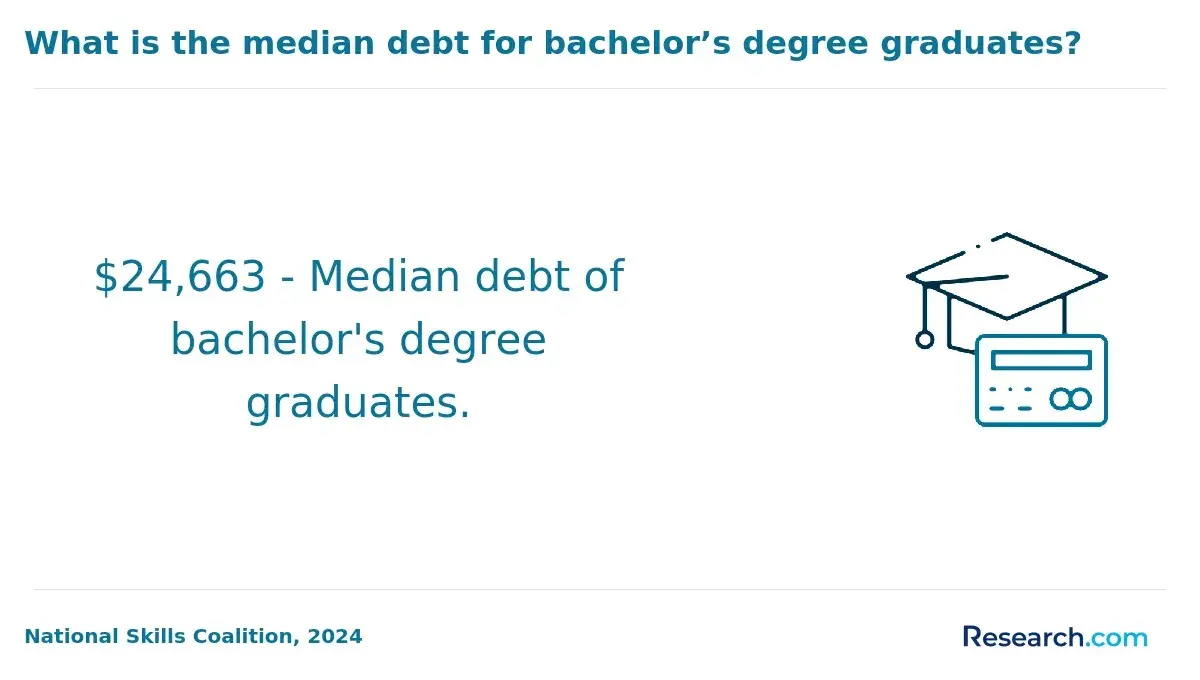
Employers in public health, particularly those hiring epidemiologists, consistently require degrees from programs with recognized accreditation. Accreditation by bodies acknowledged by the U.S. Department of Education or the Council on Education for Public Health (CEPH) validates curriculum quality and faculty expertise, ensuring graduates meet rigorous professional standards. Without such credentialing, candidates may encounter barriers in obtaining state licensure or federal employment, significantly limiting career opportunities in community health sectors.
Accredited community health degrees in the United States carry practical implications beyond initial credentialing. For instance, median wages for epidemiologists vary substantially with setting, from $83,980 generally to $130,390 in scientific research roles, emphasizing how program credentials can correlate with access to higher-paying positions. Working professionals seeking to pivot into these careers should weigh how program requirements such as synchronous classes or mandatory practicums may affect their schedules versus the employability risks tied to unaccredited programs.
Decision-making should incorporate verification of accreditation status through official databases to prevent time and financial losses on non-transferable credits. Additionally, candidates may explore complementary pathways such as the easiest RN to BSN online programs as alternative entry points with established online course structures.
Ultimately, online community health program accreditation influences not only immediate employment eligibility but also long-term professional mobility within federal health agencies and hospital systems where strict credential recognition is standard. Selecting accredited programs aligned with occupational demands directly affects practical outcomes for career advancement in this field.
What courses are in a community health curriculum?
A focused community health degree program in the United States demands integration of quantitative analysis, policy interpretation, and behavioral science with explicit ties to employer requirements. Core courses for community health specialization emphasize biostatistics, epidemiology, environmental health, health policy and management, and social and behavioral sciences, each aligning competencies with the realities of public health roles in government agencies, healthcare providers, and nonprofits.
Biostatistics stands out for its direct link to workforce demand: proficiency in data analytics is essential, given that biostatisticians earn a median salary near $109,000 annually, illustrating the premium on skills that translate data into disease surveillance and program outcomes. Epidemiology and environmental health add operational depth by teaching outbreak control and hazard mitigation applicable to localized community scenarios. Meanwhile, health policy and management prepare students for navigating funding constraints and legal frameworks, a common challenge in public health administration.
Social and behavioral sciences address health disparities and culturally tailored interventions, a crucial component for effective community engagement. Electives like global health or informatics deepen practical relevance and can reduce adaptation time to evolving public health technologies. Tradeoffs include balancing breadth with specialization; students must weigh generalist knowledge against workforce expectations to minimize onboarding friction.
Working professionals considering this pathway should also explore related interdisciplinary options such as BSN to MSN online programs if clinical data integration becomes a career priority.
What admission requirements do community health programs have?
Admission to community health programs requires more than baseline academic credentials; it demands alignment with workforce readiness that varies by credential level. Bachelor's programs typically expect a high school diploma and a GPA between 2.5 and 3.0, emphasizing foundational science courses such as biology, chemistry, and statistics-subjects proven to support success in environmental or public health roles. Although some schools still ask for standardized test scores, many have eased this since 2024, shifting the focus toward practical preparedness rather than exam performance.
Graduate-level applicants must hold a bachelor's degree, often in public health or a related discipline, with a minimum 3.0 GPA. Experience matters significantly-those pivoting into environmental or occupational health sectors, where median salaries were $76,480 and $79,620 respectively in 2026, are expected to demonstrate relevant work or internship history. This experience addresses fieldwork demands and supports mastery of applied coursework. Admission often entails submitting recommendations to validate teamwork and communication abilities crucial to multidisciplinary environments.
Technical requirements like proficiency in statistical software or health informatics increasingly determine eligibility. Applicants lacking these must plan for additional 6-12 month preparatory courses or bridge programs, extending time and cost but improving employability in growing specialties such as environmental health. Certifications like CPR or OSHA are common prerequisites or early curriculum components, underscoring an operational skillset essential for job readiness.
How long do community health degree programs take?
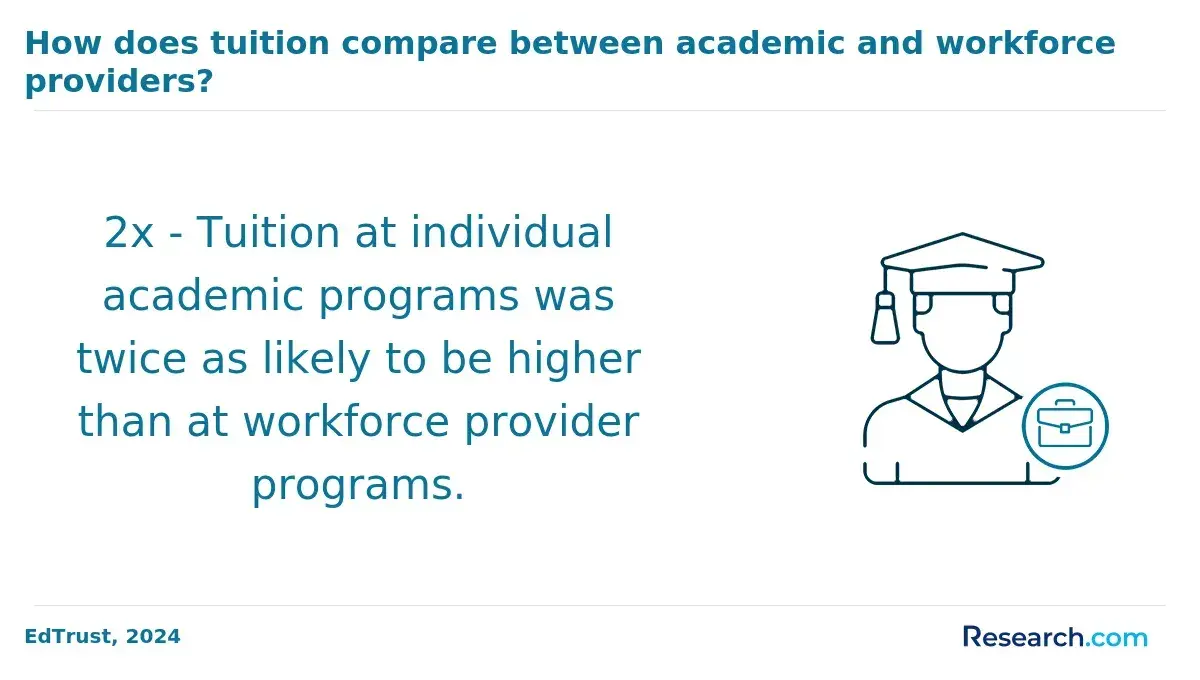
Completing a community health degree requires balancing time investment with career goals and employer expectations. Entry-level roles like outreach coordinators often accept associate degrees completed in about 2 years of full-time study. However, advancing into mid-level positions-such as program coordinators or analysts-typically demands a bachelor's degree, which takes roughly 4 years. Employers in hospital outreach or government policy increasingly prefer candidates with at least this level of education.
For senior roles or specialization, master's degrees add 1.5 to 3 years beyond the bachelor's, often requiring substantial field experience of 3 to 5 years. These advanced credentials correlate strongly with higher pay; for example, global program managers working internationally average $142,866 annually, with top experts nearing $144,000 per Salary.com. Yet, pursuing graduate degrees extends timelines and may limit work opportunities, especially when accelerated BS/MS programs require intensive study.
Decisions about program structure-such as part-time, online, or hybrid formats-introduce tradeoffs between flexibility and prolonged completion times. Students must also prioritize curriculum rigor, accreditation, and practical experience components like internships or practicums, all of which critically impact employability more than length of study alone.
How do online and campus community health programs differ?
Choosing between online and campus community health programs hinges on a critical tradeoff: flexibility versus embedded experiential learning. Employers in healthcare, facing roughly 1.9 million annual openings through 2034 according to the U.S. Bureau of Labor Statistics, overwhelmingly favor graduates with demonstrable hands-on experience-typically more accessible in campus programs offering clinical rotations and localized internships. For example, students targeting local health agencies benefit from campus-embedded partnerships that accelerate job placement through structured mentorships and real-world exposure.
Online programs excel in flexibility, accommodating working professionals and those outside major urban centers. Yet, they often rely on the student's initiative to independently secure practical experience, which can delay skill acquisition and network development-critical for roles demanding managerial acumen or grant-funded project leadership. Programs blending virtual synchronous learning with regional internships partially address this but require complex coordination and strong student commitment.
Peer collaboration and professional networking opportunities inherently differ. Campus settings provide immediate access to peers and faculty, enhancing social capital crucial in community health sectors. By contrast, online learners may face employer skepticism over limited clinical involvement, a factor that can impact competitive hiring for policy or clinical roles.
Ultimately, the decision depends on career goals, current employment commitments, preferred work location, and the willingness to proactively pursue applied learning. Weigh the operational realities and employer expectations carefully to align educational choices with targeted workforce outcomes.
Which careers use a community health specialization?
Specializing in community health often positions professionals within leadership roles that require navigating complex healthcare environments while addressing population-specific challenges. For instance, medical and health services managers frequently balance regulatory compliance with targeted program implementation in hospitals or nonprofits, supported by skills in data analysis and stakeholder coordination. Their median salary of $110,680 as of May 2023 underscores the economic viability of such expertise in health administration.
Other roles like public health educators must adapt messaging to diverse cultural contexts, collaborating with schools and workplaces to reduce health disparities. Epidemiologists apply statistical rigor to monitor health trends and craft prevention strategies, demanding both data proficiency and fieldwork experience.
Community outreach coordinators serve as logistical facilitators, connecting underserved groups with healthcare resources while building trust within local networks. Health policy analysts utilize community health data to influence funding and regulatory decisions, requiring an understanding of policy impact on real-world health outcomes.
These career paths share common employer expectations: interdisciplinary teamwork, continuous professional development, and the ability to translate community health principles into measurable results. Graduates should weigh practical tradeoffs such as the need for advanced skills in biostatistics or program evaluation against the opportunities for sustainable impact within diverse organizational settings.
What salaries do community health graduates earn?
Graduates with community health degrees frequently command salaries well above the general workforce median, driven largely by growing employer demand for expertise in population health and healthcare technology. The median annual wage for healthcare practitioners and technical occupations, which includes roles such as health informatics specialists and telehealth coordinators, was $83,090 as of May 2024, compared to the overall U.S. median wage of $49,500. This gap reflects a concrete premium tied to specialized skills rather than general credentials.
Compensation varies considerably by specialization and employer type. For instance, telehealth positions in urban areas often pay more due to substantial investments in remote care infrastructure, while roles in rural public health agencies might start near the lower quartile of the pay scale because of limited budgets, despite similar responsibilities.
Community health graduates focusing on health informatics typically find stronger earnings potential within integrated delivery networks and private insurers, who prioritize cost-saving technologies and data-driven approaches. However, entering the highest salary brackets usually requires additional certifications, experience in data analysis or project management, or clinical knowledge beyond a community health degree alone.
Practical decision-making involves weighing stable yet modest pay from local public health jobs against more competitive, higher-pay roles demanding credential depth and geographic mobility. Students should realistically assess these tradeoffs when considering pathways to maximize earnings and career sustainability.
Which certifications help community health professionals advance?
Certifications in community health demand careful alignment with specific career goals, as each credential offers different value depending on targeted roles and employer priorities. The Certified Health Education Specialist (CHES) credential remains vital for positions emphasizing health promotion and education, verifying expertise frequently required by public and nonprofit organizations. By contrast, the Certified Public Health (CPH) credential suits professionals gravitating toward data-centric roles; its broad validation of public health competencies enhances prospects for analytic jobs that inform intervention strategies across clinical and community settings.
More specialized certifications like Registered Health Data Analyst (RHDA) or epidemiology credentials integrate advanced data management skills that government agencies and health departments prioritize when funding evidence-driven programming. For example, a community health specialist moving into a state public health analyst role can expect tangible wage increases, with average U.S. salaries near $76,514 annually and typical ranges between $64,195 and $90,003, as reported by Salary.com for 2025.
However, certifications that focus on informatics or project management (e.g., PMP) require considerable practical experience and investment before translating into higher compensation. Candidates must weigh renewal mandates and preparatory expenses against the time horizon for economic returns, avoiding excessive credential accumulation without clear career progression.
Other Things You Should Know About Community Health
Specialization greatly impacts job prospects and career growth, especially in competitive markets. Students should prioritize areas aligning with local employer demand and funding priorities, such as epidemiology or maternal health, to increase employability. Without strategic specialization, graduates risk limited job options or slower advancement, so it is advisable to research regional workforce trends before committing to a focus.
Recognition varies significantly based on program reputation, state licensing, and employer familiarity with the institution. Graduates from nationally known programs have wider mobility, but those from lesser-known schools may face restrictions or delayed hiring in some regions. Candidates should evaluate whether their program's network and state approvals align with their intended work location to avoid unexpected credentialing barriers.
Accelerated programs reduce time to degree but intensify workload, often limiting opportunities for applied experience critical to employer readiness. Traditional longer programs generally provide more comprehensive practicum hours and networking, which improve job placement and on-the-job competence. Prioritizing program quality and practical exposure over speed typically results in stronger career outcomes, especially for those new to the field.
References
- Top Skills and Certifications Needed to Land High-Impact Healthcare Roles | GHR Healthcare https://www.ghrhealthcare.com/blog/certifications-high-impact-healthcare-roles
- DIPLOMA IN COMMUNITY HEALTH AND DEVELOPMENT - Kenya Institute of Social Work and Community Development https://www.kiswcd.co.ke/courses/community-health-and-nutrition/diploma-in-community-health-and-development/
- Advance Care Planning (ACP) Certificate Program – Compassion & Choices https://compassionandchoices.org/advance-care-planning-acp-certificate-program/
- List of Accredited Schools and Programs - Council on Education for Public Health https://ceph.org/about/org-info/who-we-accredit/accredited/
- Online vs Hybrid vs Campus Learning in Healthcare: Which Is Right for You? https://www.edumed.org/articles/online-vs-hybrid-vs-campus/
- Careers https://www.publichealthdegrees.org/careers/
- Community Health https://www.chstjahun.edu.ng/index.php/blog/community-health
- Is an MPH in Community Health Right for You? https://masterspublichealth.com/mph-in-community-health/
- Community Health Worker Curriculums - RHIhub Toolkit https://www.ruralhealthinfo.org/toolkits/community-health-workers/4/training/curriculum
- Faculty of Graduate and Postdoctoral Studies | University of Manitoba - Community Health Sciences (MPH) https://umanitoba.ca/graduate-studies/admissions/programs-of-study/community-health-sciences-mph