2027 Online Community Health Degrees With Long-Term Career Stability in Outreach Work

Co-Founder and Chief Data Scientist
Mid-career professionals aiming to transition into outreach roles face a stark challenge: balancing rigorous academic requirements with unpredictable work schedules and family obligations. This tension often stalls timely admission or completion, despite a 35% rise in online community health degree enrollments reported by the National Center for Education Statistics in 2024, reflecting growing demand for flexible learning options.
Such growth exposes a critical gap-many programs still lack articulation pathways or practical fieldwork integration essential for sustained employability. This article examines online community health degrees offering long-term career stability in outreach, focusing on program structures that optimize accessibility, direct workforce alignment, and strategic career outcomes.
Key Things You Should Know
- New labor data from the U.S. Bureau of Labor Statistics shows a 12% projected employment growth for community health workers through 2032, but most entry roles demand certifications over degrees, creating credentialing tradeoffs.
- Employers increasingly value bilingual proficiency and data literacy alongside degrees, emphasizing targeted skills in outreach programs which shifts hiring away from purely academic credentials, impacting strategic candidate positioning.
- Public university online community health degrees average $8,000 annually, but lengthy program timelines and prerequisite requirements delay workforce entry by 18 months on average, imposing opportunity costs amid urgent staffing needs.
What is an online community health degree and how does it prepare you for outreach work?
Online community health degree benefits for outreach careers center on practical adaptability and targeted skills development critical for remote public health work. Graduates apply training in social determinants of health and tailored intervention design to real scenarios, such as launching vaccination awareness campaigns in immigrant neighborhoods or managing chronic disease prevention in rural areas. Program curricula emphasize data collection, cross-cultural communication, and technology-driven strategies to prepare students for these challenges.
An online community health program prepares for outreach work by integrating practicum opportunities or collaborations with agencies to address distance learning's lack of hands-on exposure. Employers prioritize candidates with both theoretical knowledge and demonstrated competencies in needs assessment and behavioral change techniques. The ability to operate digitally via telehealth platforms and coordinate resources remotely is increasingly essential in evolving healthcare environments.
Employment of community health workers is projected to grow by 11% through 2034 with thousands of annual openings, making specialized online training a viable route for career pivots or advancement. However, prospective students should weigh the tradeoff between remote flexibility and the necessity of real-world experience, often gained through external placements. Those seeking expanded healthcare roles may also explore connected fields: for instance, online Psych NP programs offer complementary skillsets for advancing in mental health outreach and coordination.
How do online community health programs compare with campus-based options for flexibility and quality?
Choosing between online community health programs and campus-based degrees involves evaluating significant tradeoffs in flexibility and experiential rigor. Online pathways offer asynchronous engagement critical for professionals balancing work and family demands, aligning well with the growing employment landscape in healthcare that anticipates about 1.8 million annual job openings from 2022 to 2032. This online community health programs flexibility comparison reveals a crucial benefit: maintaining income while studying. Still, the variation in quality is substantial, as programs without strong clinical partnerships often fall short in preparing students for practical outreach roles.
In contrast, campus programs provide immediate access to live labs, faculty mentorship, and peer networks essential for mastering interpersonal and community engagement skills. For example, a student targeting rural outreach roles might gain more from local practicum placements embedded in campus curricula. Meanwhile, a career switcher may adopt a hospital administration course online to sustain employment during credential acquisition.
Assessment of quality differences between online and campus community health degrees should prioritize employer-recognized accreditation, verified practicum opportunities, and curriculum alignment with public health competencies. Prospective students must carefully scrutinize whether programs integrate real-world, community-based hands-on learning to maintain competitiveness in expanding job markets. This careful analysis supports strategic decision-making for those navigating practical constraints alongside employer expectations.
More information can be found at hospital administration course online.
What types of community health degrees support long-term career stability in outreach roles?
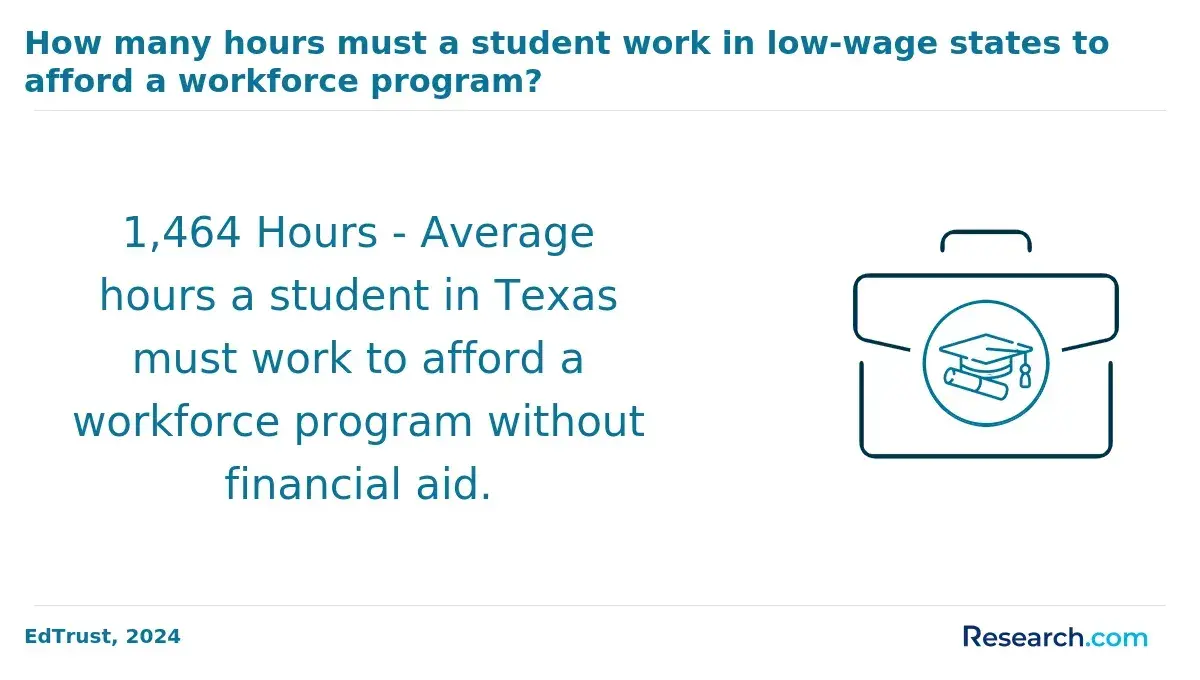
Degrees below the bachelor's level in community health can provide quick entry to outreach positions, especially within non-profits or local government health programs. However, community health degree programs for outreach career stability almost always require a bachelor's degree or higher to access supervisory roles, federal employment, or structured advancement tracks. Employers frequently prefer candidates with four-year credentials to ensure competency in both foundational knowledge and program management skills.
Online community health education for long-term outreach jobs should prioritize curricula that balance theory with hands-on practicum components, as degrees lacking applied experience often restrict access to enduring positions. Specializations like epidemiology, health promotion, or behavioral health certifications bolster the core degree but rarely substitute for a full undergraduate education in securing mid- to upper-level roles. For example, community health workers in rural areas who complement a bachelor's with substance abuse counseling certification align with employer demands for dual qualifications, improving job security and wage potential.
The median wage for community health workers was $51,030 in May 2024, reflecting a market that rewards applied skills such as data collection, community engagement, and program evaluation, beyond mere credential attainment. Prospective students considering advanced leadership or policy roles often explore a master's in public health or community health administration; those seeking affordable graduate-level options may consult resources on the cheapest online MBA healthcare programs to weigh cost against career outcomes.
What admission requirements, prerequisites, and application materials do online community health programs expect?
Admission criteria for online community health programs commonly require a bachelor's degree from an accredited institution, focusing on relevant fields like health sciences or sociology. Programs typically mandate prior coursework in statistics, biology, and introductory public health; lacking these often delays matriculation with required bridge courses. Application requirements for community health degree programs include official transcripts, two to three letters of recommendation from academic or professional supervisors, and a personal statement aligned with community health outreach objectives.
Applicants targeting Master of Public Health (MPH) tracks frequently must submit GRE scores unless substantial work experience in health or social services justifies a waiver. Career changers with verified experience in community settings such as health education or nonprofit outreach can offset limited academic prerequisites but must provide thorough documentation. This tradeoff is significant given workforce data showing MPH graduates earn roughly 50-75% more than those with only undergraduate degrees - for example, an average $44,512 for bachelor's holders versus $120,688 for MPH holders, highlighting the economic implications beneath admission rigor.
Additional expectations include proof of technological proficiency for online platforms and possible interviews to assess remote learning readiness. International or non-native English speakers must provide TOEFL or IELTS scores to confirm communication competence essential for outreach roles. Working adults in asynchronous or part-time formats face strict deadlines for prerequisites and applications, with failure risking deferrals or extended coursework that impact career momentum and income.
For prospective students weighing educational pathways with quick credentialing, options like the shortest RN to BSN program illustrate how program length and format influence enrollment decisions and workforce reentry timelines.
How can you verify accreditation and program quality for online community health degrees?
Choosing an online community health degree without confirming recognized accreditation risks investing in credentials lacking employer value or sector relevance. Regional accreditation remains the primary benchmark for academic legitimacy and credential portability, while specialized accreditation from the Council on Education for Public Health (CEPH) indicates curriculum rigor aligned with public health workforce needs.
Hiring managers and workforce analysts increasingly prioritize graduates from programs demonstrating measurable outcomes such as graduation rates and job placement within community health sectors experiencing significant growth-projected by the U.S. Bureau of Labor Statistics to generate roughly 1.8 million annual openings through 2032. Programs incorporating practicum or blended formats cultivate practical skills essential for outreach roles, particularly as remote and hybrid community health positions expand.
Consider the tradeoff between programs offering strong support infrastructure-transparent faculty credentials, robust online technology, and accessible student services-and those lacking these elements, which can create obstacles balancing coursework with professional or personal commitments. For example, a professional transitioning into outreach work without hands-on experience may encounter faster career progression within programs that integrate applied learning components.
Ultimately, prioritizing accredited programs with demonstrable employment outcomes reduces the risk that time and expense yield limited career advancement. This due diligence is vital to secure credentials recognized across healthcare, nonprofit, and government agencies increasingly offering remote and hybrid positions critical to community health delivery.
What core courses, concentrations, and practical experiences are included in community health curricula?
Degrees in community health hinge on a curriculum that balances foundational public health knowledge with applied skills. Core subjects like epidemiology, biostatistics, health behavior, and policy are supplemented by concentrations-such as environmental health and global health-that tailor graduates' capabilities to specific outreach roles. Structured internships or fieldwork are not optional add-ons but essential, providing hands-on experience in program planning, community engagement, and needs assessment-skills critical when adapting interventions for culturally diverse or resource-limited populations.
The distinction between entry-level community health workers and public health administrators is significant, particularly in earning potential and responsibility. While community health workers have a median salary around $51,030, managers in related fields can expect approximately $117,960 annually. Programs lacking management coursework and advanced certification opportunities risk confining graduates to lower-tier roles with limited mobility.
Prospective students should prioritize programs with:
- Robust and reputable field placements offering meaningful exposure to varied community settings
- Concentrations that align with pressing regional health concerns
- Access to mentorship and career services that bridge academic learning with employer expectations
Failing to integrate these components may hinder long-term career development, especially when competing in markets requiring leadership alongside frontline expertise.
How long do online community health degrees take, and what tuition, fees, and financial aid should you expect?
Choosing an online community health degree demands balancing time commitment against career impact. Bachelor's programs typically take 18 to 24 months with transferred credits, but accelerated options, while faster, impose heavy course loads that may overwhelm professionals managing outreach duties. Master's degrees usually span 1.5 to 2 years depending on enrollment status, with some specialized tracks like biostatistics or public health administration incurring higher costs due to lab or software fees.
Tuition varies widely: public institutions generally charge $15,000 to $35,000 annually for in-state bachelor's students, whereas private or out-of-state options can exceed $45,000 per year. Master's programs cost between $20,000 and $50,000 total. Additional fees-technology, registration, materials-range from $500 to $1,200 per semester and must be factored in alongside tuition and potential lost wages.
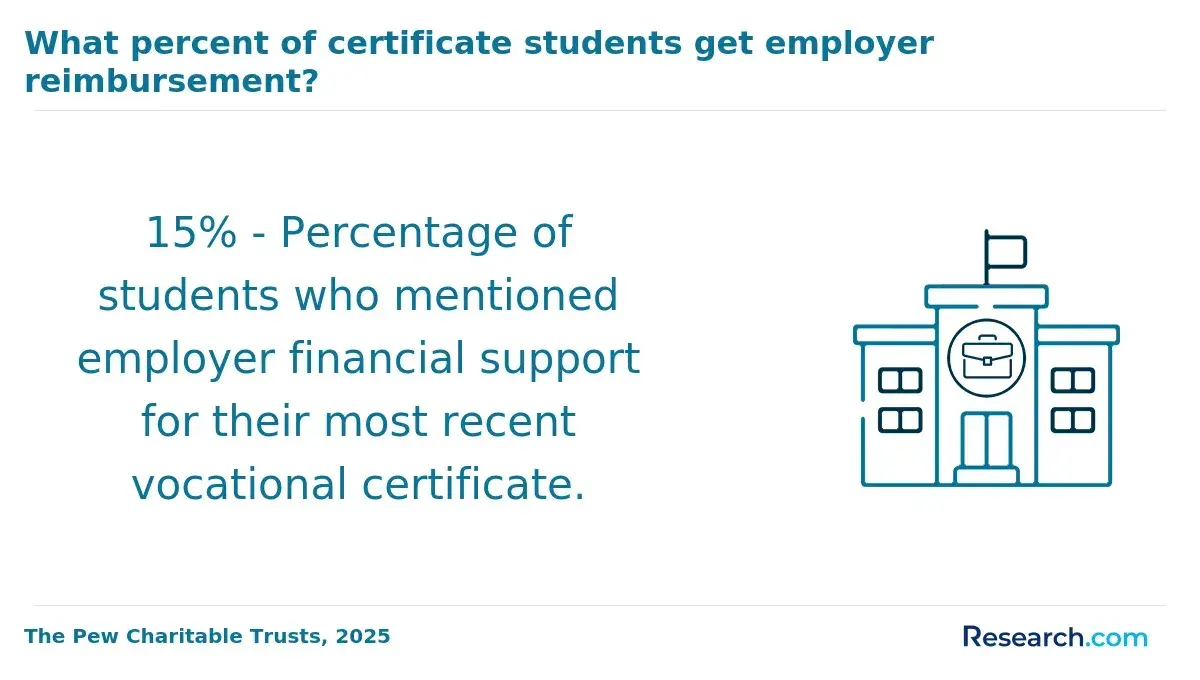
Financial aid often includes federal Pell Grants for undergraduates, Stafford and Direct Unsubsidized Loans, and employer tuition reimbursement, though the latter usually requires service commitments in health outreach or administration roles. Given labor market projections-30% growth for biostatisticians and 28% for public health administrators-students must weigh upfront expenses against long-term employment outcomes and median salaries.
For those balancing work with study, programs offering flexible pacing help mitigate income disruption. Early-career professionals prioritizing leadership roles might justify higher tuition for accelerated completion and stronger placement networks. Comparisons should extend beyond sticker price to encompass program duration, financial aid packages, and the realistic burden of debt versus earning potential in community health fields.
What outreach-focused careers can you pursue with a community health degree, and where do graduates work?
Graduates with a community health degree typically enter outreach-driven roles requiring a blend of communication, data analysis, and stakeholder coordination skills. For example, a public health program manager might develop vaccination initiatives targeting underserved urban populations, while a patient advocate in a hospital setting navigates complex care pathways for vulnerable groups. Such roles demand adaptability to diverse populations and employer priorities, especially across governmental, nonprofit, healthcare, and private sectors.
Employment settings vary: federal and state agencies emphasize policy and epidemiology outreach, nonprofits focus on grassroots prevention campaigns, healthcare systems seek to lower readmission through patient education, and private consultancies analyze community health program efficacy. These differences influence salary expectations and job stability-federal roles often offer steadier benefits but typically lower pay than private or nonprofit counterparts.
The median annual salary for community and population health professionals stands at about $76,200, but candidates must weigh geographic and sector disparities alongside credentialing requirements. Targeted internships and industry networking prove essential for bridging academic preparation with employer demands. Familiarity with funding cycles and grant management increasingly shapes long-term job viability, especially under constrained budgets.
What are typical salaries and job outlook for community health outreach and education professionals?
Salary ranges for community health outreach and education professionals indicate a baseline that is competitive within health-related fields but also highlight clear earning limits without further credentialing or specialization. Median wages fall between $48,000 and $62,000 annually, which is under the broader healthcare median of about $60,000 but well above the general occupational median of $50,000. This reflects an entry point that is reasonable but not highly lucrative without progression.
Experience and location substantially influence compensation-urban areas and regions prioritizing public health funding provide higher pay but come with intensified job competition. Early-stage roles in nonprofits, local health departments, or hospital outreach typically offer $40,000 to $50,000, which can constrain finances for those without supplemental credentials.
Growth projections of roughly 12% for community health workers and health educators exceed the average for all jobs, driven by expanded public health initiatives and demographic shifts demanding preventive outreach. However, salary increases are often linked to acquiring advanced qualifications such as dual credentials or master's programs, or moving into program management and grant writing roles that command salaries over $65,000 annually.
Professionals must navigate tradeoffs between commitment to direct community engagement and financial ceilings in some sectors. Employers prioritize demonstrable outreach outcomes and cultural competence, which critically affect early-career negotiations and sustained funding availability.
Which certifications, licenses, or professional credentials strengthen a community health outreach career?
Employers prioritize Certified Health Education Specialist (CHES) and Certified in Public Health (CPH) credentials for roles focused on health education program management and direct outreach to vulnerable populations. These certifications validate proficiency in designing evidence-based interventions and conducting community assessments, which are often prerequisites for leadership and reimbursement eligibility in federally funded initiatives.
Licensure as a Licensed Community Health Worker (LCHW) significantly bolsters employability in states that regulate the profession by confirming compliance with legal, ethical, and client confidentiality standards. This credential is particularly important in settings such as Medicaid programs or public clinics where accountability metrics and program integrity are enforced rigorously.
Specialized certifications like Tobacco Treatment Specialist and Certified Diabetes Educator add value by deepening expertise in niche intervention areas. However, they require prior certification and supervised practice, extending the timeline for full credential acquisition.
Professionals must weigh the benefits of layered credentialing against the time and financial costs, often considering phased acquisition aligned with employer tuition assistance or role demands. For example, outreach workers in full-time positions may incrementally pursue certifications, while career changers aiming for leadership roles should prioritize foundational credentials like CHES or CPH early on.
Other Things You Should Know About Community Health
Many programs do not require prior work experience, but having it significantly improves comprehension of outreach challenges and employer readiness. Candidates with relevant experience place course concepts in real contexts, resulting in stronger job placement outcomes. If your goal is immediate career advancement, prioritize programs that integrate practical internships or fieldwork that build on your existing experience. Conversely, if you lack background, seek programs with foundational support to avoid being overwhelmed by advanced content.
Employers in community health outreach tend to focus on demonstrated skills and practical impact rather than the mode of education alone. However, programs that include live interaction, team projects, or clinical experiences create better-prepared graduates than those relying solely on asynchronous lectures. When choosing an online program, prioritize those with applied components and networking opportunities, as these align more closely with employer expectations for collaboration and adaptability.
Online community health degrees prepare students for long-term stability in outreach work by offering flexible learning environments that cover vital topics like public health policy, program planning, and community engagement. The programs blend theoretical knowledge with practical skills, equipping graduates with the expertise needed to adapt and thrive in evolving outreach roles.
Certificate programs offer quicker entry into the workforce but provide limited upward mobility and are often insufficient for supervisory roles. Full degrees, especially bachelor's or master's, align with long-term career stability by broadening skill sets and improving eligibility for leadership positions. Career changers aiming for sustainable advancement should prioritize degree programs with strong practicum components over certificates, despite the longer time and financial investment required.
References
- Associate Degree - Community Health and Wellness - Online | Monroe University https://www.monroeu.edu/academics/undergraduate-programs/school-allied-health-professions/online-associate-degree-community
- Admissions Requirements https://www.downstate.edu/education-training/school-of-public-health/programs/master-of-public-health/admissions.html
- Health Care Accreditation, HEDIS® Measures & Quality Improvement - NCQA https://www.ncqa.org/
- How to Become a Community Health Worker in 3 Steps https://www.edumed.org/how-to-become/community-health-worker/
- Worried About Career Options? Here’s What You Can Do with a Health & Social Care Degree https://olceurope.com/blog/worried-about-career-options-here-s-what-you-can-do-with-a-health-social-care-degree
- Community Outreach https://we-reachout.org/category/community-outreach/
- Community Outreach Specialist: Job, Salary & Requirements https://www.appliedbehavioranalysisedu.org/jobs-related-to-applied-behavior-analysis/what-is-a-community-outreach-specialist/
- Health and Human Services: Campus & Online Degrees and Careers https://www.publichealthonline.org/human-services/online-degree-programs/
- Master of Public Health Program at the Medical College of Wisconsin https://www.mcw.edu/education/graduate-school/graduate-school-programs/public-health/mph-program