2027 Community Health Specializations That Best Match Graduate Health Pathways

Co-Founder and Chief Data Scientist
Faced with the challenge of selecting a specialization that aligns with both evolving workforce demands and personal circumstances, many prospective students encounter significant barriers. The U. S. Department of Education reports a 23% rise in adult enrollment in online graduate programs since 2023, signaling a shift toward flexible learning environments to accommodate working professionals. This shift reflects broader access issues and the need for adaptable academic pathways that do not compromise career momentum.
Accurately navigating specialization choices amid these dynamics impacts employability and long-term advancement more than ever. This article evaluates community health specializations tailored to diverse graduate pathways, helping candidates match educational options with their strategic career objectives.
Key Things You Should Know
- Graduates with specialization in epidemiology report 18% higher median early-career earnings but face 1.5x longer job placement times compared to health education, signaling tradeoffs between income and employment speed, per NIH 2024 workforce data.
- Employers prioritize candidates with integrated behavioral health and social determinants of health expertise, as 72% of U.S. community clinics emphasize holistic skills in 2024 HR surveys, shaping credential demand sharply.
- Programs requiring dual certification increase average completion costs by 40%, limiting access for part-time students; this delays workforce entry by nearly 9 months, according to recent NCES postsecondary financial reports.
What are the main community health specializations and how do they align with graduate health degrees?
Choosing graduate health degrees matched to community health fields necessitates evaluating employer requirements beyond degree titles. For example, an MPH with an epidemiology focus specifically equips graduates to meet public health agencies' needs for data analysis and disease prevention, a practical advantage over more generalist programs. Community health specializations aligned with graduate health programs include epidemiology, health education, environmental health, behavioral health, and policy management, each demanding a nuanced blend of scientific expertise and applied skills.
Health education roles emphasize culturally competent program planning and communication particularly vital in underserved areas where trust-building affects intervention success. Environmental health specialists often require multidisciplinary training that spans toxicology and regulatory policy, underscoring why advanced degrees offering such coursework gain employer preference. The median salary for community health workers was $51,030 in May 2024, with upward wage mobility increasingly dependent on specialized skills like grant writing, data software proficiency, and program evaluation, which are often underrepresented in broad degree tracks.
Prospective students must balance the tradeoff between generalist credentials offering wider entry versus specialized credentials that better align with niche demands such as health informatics or chronic disease prevention coordination. Practical experiences including hands-on projects and partnerships tied to health equity frameworks further reinforce a graduate's market relevance. Those exploring this field may also consider the best online environmental health and safety degree programs to sharpen cross-disciplinary expertise directly valued by employers.
Which community health specialization is best if I plan to pursue public health or epidemiology?
The most practical community health specialization for public health careers targeting epidemiology is health education, as it combines program planning with behavioral science and data interpretation. Health education specialists translate quantitative epidemiological data into actionable community health strategies, a critical task in government agencies and nonprofits. For instance, a health education specialist might design a vaccination campaign by analyzing incidence rates and demographic trends, directly impacting public health outcomes.
Employers prioritize candidates who can bridge statistical analysis with clear communication, reflecting real-world job demands in health departments and healthcare institutions. Workforce data indicate health education specialists earn a median annual salary of $63,000, affirming its market relevance. Despite this, professionals aiming for advanced epidemiology roles often face a tradeoff: health education lacks the depth in biostatistics or infectious disease modeling required for research-intensive positions, limiting opportunities without additional technical coursework.
Those considering this path should seek programs offering hands-on epidemiology projects and connections with local health organizations to build practical skills. Certifications like Certified Health Education Specialist (CHES) also enhance job prospects in specialized roles. Prospective students evaluating the best community health pathways for epidemiology should weigh the balance between foundational training and advanced quantitative demands, especially when considering options for a strategic pivot or long-term growth. For broader context on related fields, exploring a healthcare administration degree online can complement public health expertise with organizational leadership skills.
How do community health specializations support pathways into clinical graduate programs like nursing or medicine?
Specializations in community health provide targeted competencies that improve candidacy for clinical graduate pathways by integrating epidemiology, health education, and population health management with clinical priorities. These skills align with employer demands for preventive care expertise and health systems acumen, critical for nursing and medicine careers adapting to evolving healthcare models. For instance, students versed in outbreak investigation and biostatistics can reduce onboarding time when transitioning into infection control roles during clinical rotations.
The impact of community health training on nursing and medicine careers extends beyond technical proficiency. Fieldwork with underserved populations enhances cultural competence and patient-centered care, addressing admission committee priorities in medicine and nursing programs focused on social determinants of health. However, students must supplement community health curricula with prerequisites like anatomy, physiology, and pharmacology to avoid delaying clinical program entry or weakening essential foundational knowledge.
Applicants who grasp healthcare policy and prevention strategies bring valuable systemic insights to clinical settings, improving employability through cross-disciplinary collaboration. Community health specializations act less as direct entry points and more as strategic supplementations that require deliberate academic and clinical bridging. Prospective students should also evaluate financial investment carefully; for related advanced degrees, options like masters in hospital administration may provide cost-effective alternatives while expanding career flexibility.
What types of degrees and certificates are available in community health, from undergraduate to graduate?
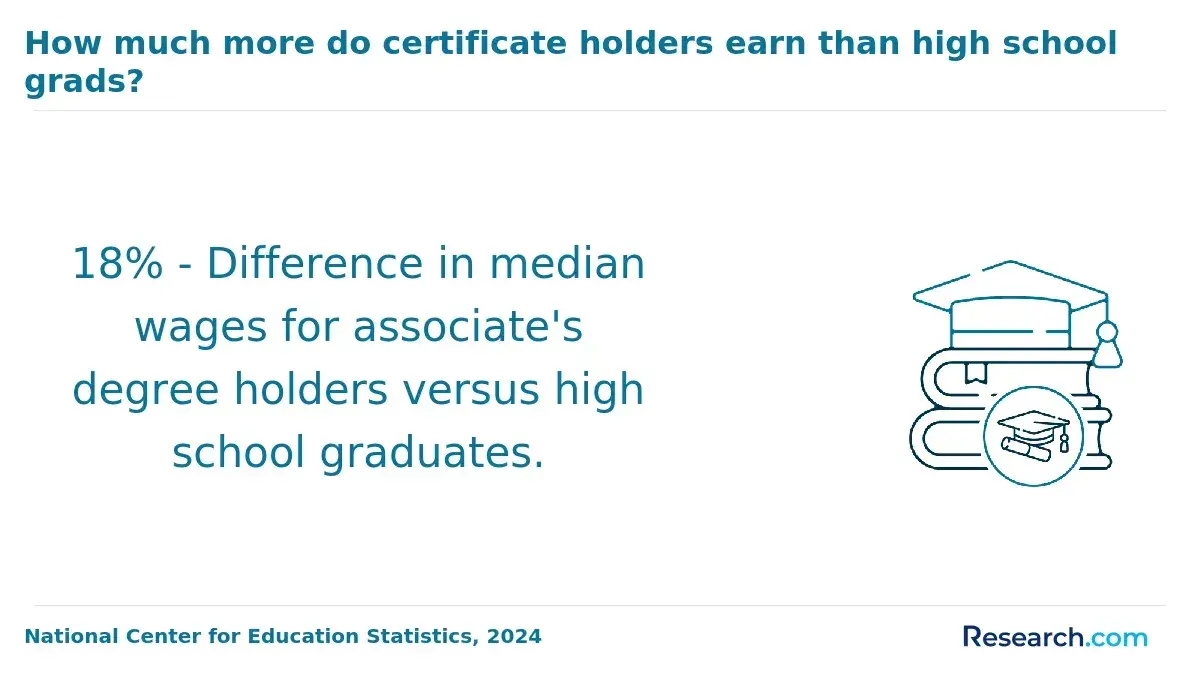
Community health degree programs offered across associate to doctoral levels reflect sharply distinct career tradeoffs, especially when balancing credential depth against time and labor market returns. Undergraduates typically engage Bachelor of Science tracks in community health, public health, or health education that emphasize foundational skills in population assessment, applied research, and program implementation. For those needing skill-specific advancement without extended commitment, graduate or professional certificates-targeting epidemiology, health promotion, or health informatics-offer focused curriculum often available online, appealing to working professionals.
Graduate community health certificates and master's degrees such as the MPH prepare learners for managerial and policy-driven roles that demand proficiency in epidemiological analysis and system navigation. These pathways align with roles commanding median salaries near $117,960 and 23% projected job growth, per labor statistics and Tseng College data. Yet, aspiring managers must weigh the necessity of practicum experiences embedded in MPH programs versus shorter certificates that might not satisfy employer expectations for leadership readiness.
Doctoral-level community health programs, including DrPH or PhD options, cater to candidates targeting research leadership or academic careers but require significant time investment and carry tradeoffs in immediate workforce entry. Practitioners prioritizing operational roles should consider combined bachelor's plus certificates emphasizing data analytics or health communication as pragmatic alternatives.
Evaluating these pathways involves appreciating real-world constraints and market signals. For example, those shifting from nursing to health administration might explore streamlined options like RN to BSN programs for foundational clinical advancement before specializing.
How do online community health programs compare with campus-based programs for specialization choices and quality?
Choosing between online and campus-based community health programs hinges on specific career priorities and practical tradeoffs. Online programs excel in offering specialized quantitative coursework, such as biostatistics and health informatics, by drawing on faculty expertise across locations-a critical advantage for roles demanding strong analytical skills. For example, professionals pivoting into biostatistics can apply advanced analytics tools from online formats without geographic constraints, aligning with an 8% growth projection in math-related health occupations through 2034.
However, campus-based programs generally provide denser hands-on experience and smoother access to internships through institutional networks, vital for community health roles requiring fieldwork or clinical placements. Graduates aiming for practice-intensive jobs benefit from the immersive environments that foster direct interaction with faculty and peers.
Employers prioritize demonstrated competencies over program modality, so all students must proactively build practical experience, whether through internships or certifications. Online learners often need to invest more effort in securing quality practicum sites independently. In contrast, campus-based students may encounter less logistical friction securing experiential learning opportunities.
What courses and skills are emphasized in different community health specializations?
Specializing within community health shapes career trajectories by aligning skill sets with distinct sector demands, but choosing a track requires balancing market needs against practical skill acquisition. Epidemiology-focused pathways prioritize quantitative methods like biostatistics and disease surveillance, preparing graduates for roles in outbreak response and laboratory research-a necessity for government and NGO positions where data interpretation drives intervention effectiveness.
Behavioral and social sciences tracks emphasize qualitative abilities such as culturally competent program planning and stakeholder engagement, critical for working with diverse urban populations or nonprofits addressing health disparities. These roles demand proficiency beyond academic knowledge, requiring on-the-ground trust-building and adaptable communication strategies.
Health policy and management routes develop expertise in health economics, regulatory frameworks, and leadership-skills essential for negotiating complex healthcare systems and resource allocation in administrative or policymaking capacities. Practical management experience is decisive in roles focused on operational efficiency and compliance in hospitals or government agencies.
Core competencies spanning these specializations include data literacy, interdisciplinary collaboration, and adherence to ethical standards. The approximately 94% employment rate within six months of graduation at Tufts School of Medicine illustrates the premium employers place on applied skills coupled with real-world readiness. Candidates should weigh studies that integrate rigorous analytics with experiential learning to bridge theoretical knowledge and immediate workplace impact.
What admission requirements and prerequisites do community health programs typically have for specialized tracks?
Programs with specialized tracks in community health demand targeted admission criteria that significantly shape career trajectories. Candidates must hold a bachelor's degree in relevant fields-health sciences, biology, or social sciences-with a GPA often set at 3.0 or higher. Foundational coursework such as epidemiology, biostatistics, and health policy is commonly required upfront to ensure readiness for analytically intensive roles.
Relevant work experience-typically one to three years in public health, healthcare, or social services-is a critical differentiator, particularly for competitive specializations like global health or health education. For instance, applicants focusing on environmental health need demonstrable skills in environmental sciences and data-driven risk assessment to meet real-world employer standards for technical competence.
While GRE scores are less universally mandated, they remain a factor in programs with a strong emphasis on quantitative aptitude. Letters of recommendation and a focused statement of purpose are essential to validate professional aptitude and alignment with the program's goals.
The correlation between rigorous admission prerequisites and employment outcomes is tangible. Graduates from programs such as Columbia Mailman MPH report median salaries exceeding $90,000, reflecting enhanced job market positioning. Prospective students should strategically accumulate both prerequisite knowledge and meaningful professional experience to navigate the varied demands across community health specializations.
How much do community health programs cost, and what financial aid is available by specialization?
Costs for community health programs vary substantially by specialization and credential level, generally falling between $12,000 and $45,000. Advanced public health leadership tracks at accredited universities tend to top $35,000 due to in-depth coursework and practicum demands, while foundational credentials like certified nurse assistant or health educator programs typically average around $15,000. Employers in decentralized health agencies and nonprofits value financial aid options tied to sector-specific certifications, making programs with targeted grants or scholarships more strategic investments.
Federal and state aid primarily support broad community health training through Pell Grants and workforce development funds, but narrowly focused fields such as epidemiology or health informatics often require supplementing with merit-based scholarships. Employer tuition assistance can cover as much as 80% of costs for roles in applied community health management or policy, especially in public health agencies, though coverage varies by organization size and sector.
For example, a professional entering community health education with a $20,000 program may recoup up to 70% of expenses through combined federal aid, employer reimbursement, and foundation scholarships when targeting local public health jobs. In contrast, specialized epidemiology or biostatistics degrees over $30,000 typically lack extensive aid and involve more personal financial risk, which may be justified by salary increases around 15% as reported by recent market data. University of Hawai'i's career data shows healthcare workers earn approximately 10% more than the national average, reinforcing the advantage of programs aligned with local employer partnerships that maximize financial aid and labor market returns.
What community health careers, salaries, and job outlooks are linked to specific specializations?
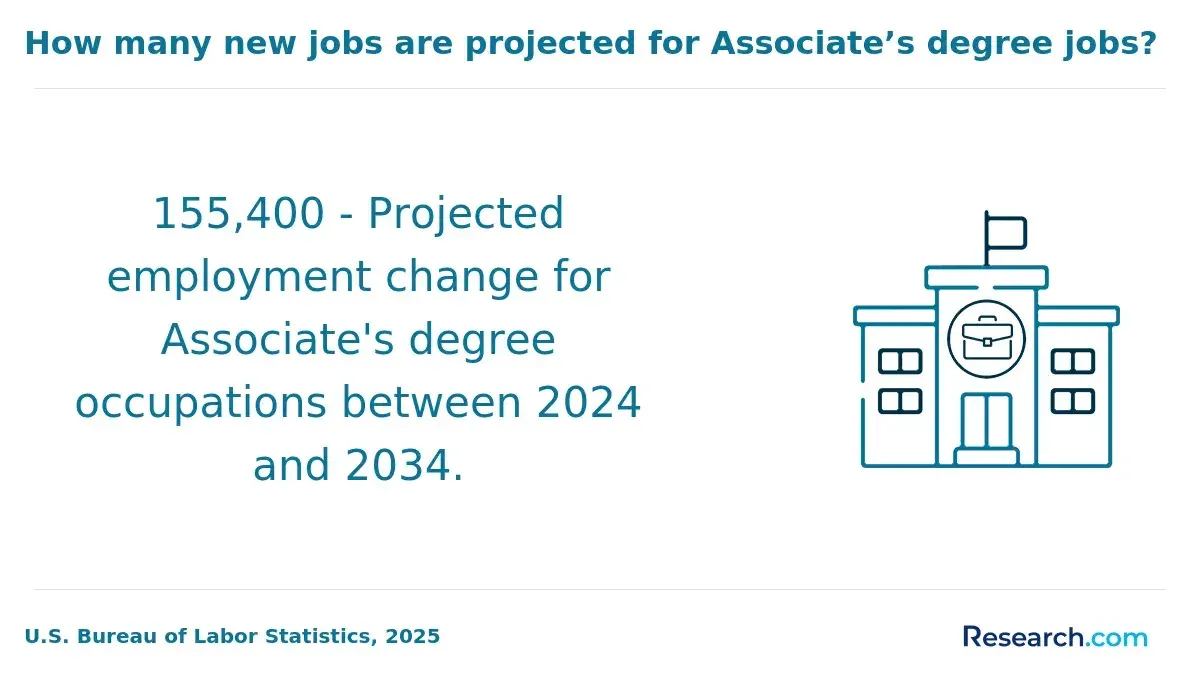
Choosing a graduate specialization in community health significantly shapes salary expectations and employment trajectories, with important tradeoffs in skill demands and job stability. For instance, medical and health services managers-often tied to health administration or policy tracks-earn median salaries exceeding $101,000 and face a robust 23% employment increase from 2024 to 2034, driven by hospital and outpatient care expansion. Such roles require leadership and operational expertise but may involve competitive entry and demanding schedules.
In contrast, epidemiology or biostatistics paths offer median salaries between $70,000 and $90,000 with moderate growth of 5-8%, mostly within public health agencies and research institutions. These positions typically require advanced quantitative skills and extended education, which can delay workforce entry but provide stable public-sector opportunities.
Those specializing in nutrition and health education usually develop broader community engagement roles, earning around $50,000 with steady 11% job growth, benefiting from diverse employers such as schools and nonprofits. Environmental health careers combine fieldwork with regulatory knowledge, offering median pay near $75,000 and 8% growth-critical for sectors addressing pollution and workplace safety.
Effective career decisions weigh immediate salary goals against long-term stability and influence. Certification, like Certified Health Education Specialist (CHES), often differentiates candidates, while programs that integrate internships enhance readiness for employer expectations focused on technical skill and leadership.
How do accreditation, certification, and licensing affect community health specialization and graduate study options?
Accreditation and licensing directly determine which community health programs translate into tangible employability and certification eligibility. Graduating from a Council on Education for Public Health (CEPH)-accredited MPH program, for instance, is often mandatory for sitting certification exams like the Certified in Public Health (CPH), widely required by public and private sector employers. Overlooking the alignment between accreditation and targeted credentials risks significant setbacks, including prolonged job searches and lower starting salaries.
Licensing adds another layer of complexity: state-specific requirements and role-dependent mandates mean that aspiring behavioral health specialists or epidemiologists must plan for additional exams or supervised practice beyond graduation. Without these credentials, legal practice and competitive job placement become unlikely. Thus, program selection is not solely about academic content but about meeting licensure paths integral to workforce entry.
Economic considerations intersect with these credentialing imperatives. Programs like the University of Saskatchewan's MPH at $5,436 CAD per academic year offer affordable alternatives for U.S. professionals weighing cost against credible accreditation to ensure licensure readiness and certification eligibility. Prospective students must assess factors like fieldwork requirements, duration, and exam timing, as these influence how quickly they can enter the workforce.
A practical approach involves mapping certification, licensure, and academic benchmarks early to avoid redundant coursework or missed eligibility windows. For example, professionals targeting epidemiology positions within state health departments should verify both academic accreditation and licensure prerequisites upfront to streamline their pathway to employment.
Other Things You Should Know About Community Health
Community health specializations often demand extensive fieldwork or internships alongside academic coursework. This dual requirement can extend program duration and increase stress, especially for working students. Prioritize programs that offer integrated practicum components with flexible scheduling to manage workload effectively without delaying graduation.
Employers focus on specializations that demonstrate relevant, hands-on experience in community engagement and data-driven interventions. Those with skills in program planning and evaluation are in higher demand. Candidates should emphasize practical competencies over theoretical knowledge to improve employability.
Health Informatics is anticipated to provide abundant opportunities beyond traditional roles in 2027, leveraging technology and data for healthcare innovations. This field intersects with IT and business, making it versatile for various industries seeking to improve health outcomes through data analytics.
Choosing depends on career goals. Research-intensive specializations suit those aiming for academic or governmental roles but require ongoing publication and grant-writing efforts. Leadership-focused tracks enhance advancement in nonprofit and program management but may limit paths involving scientific investigation. Graduates benefit from aligning specialization choice with sector growth trends and personal strengths.
References
- Public Health Degrees https://www.publichealth.org/public-health-degrees/
- Online Bachelor’s Degree in Community Health and Wellness https://www.monroeu.edu/academics/undergraduate-programs/school-allied-health-professions/online-bachelors-degree-community
- Is an MPH in Community Health Right for You? https://masterspublichealth.com/mph-in-community-health/
- Online Bachelor of Science in Public Health | WCU https://westcoastuniversity.edu/online-programs/bachelor-science-public-health
- Careers in Community Health - MPH Online https://www.mphonline.org/community-health-jobs/
- Top Most Affordable Online Bachelor's in Public Health Programs 2021 https://www.healthcare-administration-degree.net/best/most-affordable-online-bachelors-in-public-health-programs/
- Career Pathway After Clinical Medicine | Career in Medicine https://icmhs.co.ke/blog/career-pathway-after-clinical-medicine
- Today’s Guide to Public Health Certifications https://www.publichealthdegrees.org/resources/public-health-certifications/
- 11 Types of Healthcare Careers - Education & Requirements https://nursinglicensemap.com/resources/healthcare-careers/
- Top 5 Skills Every Community Health Worker Should Have https://www.nihaz.edu.ng/blog/top-5-skills-every-community-health-worker-should-have