2027 Community Health Roles Growing Fastest in Population Health and Outreach

Co-Founder and Chief Data Scientist
Struggling to keep pace with rapidly evolving population health needs, many aspiring community health workers face a critical bottleneck: finding flexible educational programs that allow immediate workforce entry while accommodating career advancement goals. Recent labor market data from the U. S. Bureau of Labor Statistics projects a 16% increase in community health-related roles over the next decade, emphasizing rising demand but also sharper competition. Simultaneously, a 2024 National Student Clearinghouse report reveals 40% of adult learners prioritize online and part-time enrollment options to balance family and work obligations. This shift profoundly influences how candidates should select programs to avoid delayed certification or limited mobility.
This article examines which community health roles are expanding fastest within population health and outreach sectors and evaluates education pathways aligned with workforce realities to optimize timely, strategic career development.
Key Things You Should Know
- Federal labor data shows community health roles growing over 15% by 2030, yet advanced certifications increase wage premiums by up to 20%, creating tradeoffs between quick entry and long-term earnings potential.
- Employers report in 2024 surveys a critical shortage of community health workers with bilingual skills and data literacy, forcing new hires into rigorous cross-training that delays frontline impact.
- Public funding shifts toward Medicaid-aligned outreach programs raised credentialing costs 12% since 2022, disproportionately affecting candidates balancing upskilling investments against wages under $40K annually.
What are the fastest-growing community health roles?
The projected 11% growth in community health outreach worker jobs growth through 2034 signals a workforce pivot demanding nuanced skills beyond traditional credentials. These roles, exceeding average occupational expansions, require professionals adept in varied environments-from urban minority health education managing chronic diseases to rural coordination of telehealth and transportation solutions.
The fastest-growing community health positions in population health increasingly emphasize data literacy and behavioral health awareness, especially in emerging roles like patient navigators who assist complex chronic disease management and outreach coordinators involved in targeted public health initiatives. This diversification raises important considerations for educational pathways, where tradeoffs between certification programs and associate degrees influence eligibility for reimbursement models tied to documented community engagement.
Flexibility in scheduling and resilience are operational realities for these roles, reflecting the unpredictable nature of community needs. Advancement hinges on acquiring interdisciplinary expertise in health informatics and policy advocacy, aligning worker capabilities with employer demands for scalable, evidence-based interventions that sustain funding.
Prospective students and professionals should also weigh program affordability and flexibility in selecting educational routes. For those exploring options, a health information management online degree can offer relevant skills with practical applicability in health data systems, enhancing employability in this evolving labor segment.
What does a community health professional do?
Community health outreach worker duties demand navigating complex social determinants that impede access to healthcare, such as transportation challenges, insurance gaps, and cultural barriers. A typical day often involves personalized coordination, like enrolling a diabetic patient in a clinic, coaching on medication adherence, and scheduling follow-ups to reduce costly hospital visits. This multi-layered role requires fluency in communication, cultural competency, and data management to handle intricate caseloads effectively.
Population health community health specialist responsibilities shift according to setting but consistently center on preventive care and tailored education. Urban professionals might focus on alleviating emergency room congestion by linking frequent ER users to primary care, whereas rural roles emphasize overcoming transportation barriers and facilitating telehealth to sustain patient engagement.
An analysis in the Journal of Public Health Management and Practice reports a median return of $2.28 for every dollar invested in community health interventions, illustrating the sector's cost-effectiveness. This metric pressures employers to seek workers skilled in thorough documentation and outcome tracking to align with reimbursement models.
Individuals aiming for this career should weigh a demanding workflow that balances direct client engagement with substantial administrative tasks, sometimes under irregular hours aligned with community needs. Educational pathways that integrate fieldwork with training in health systems navigation, motivational interviewing, and data management offer practical preparation. For professionals considering a degree in healthcare management, understanding local health policies and sustainable funding models is essential for scalable impact and advancement.
What degree is needed for community health careers?
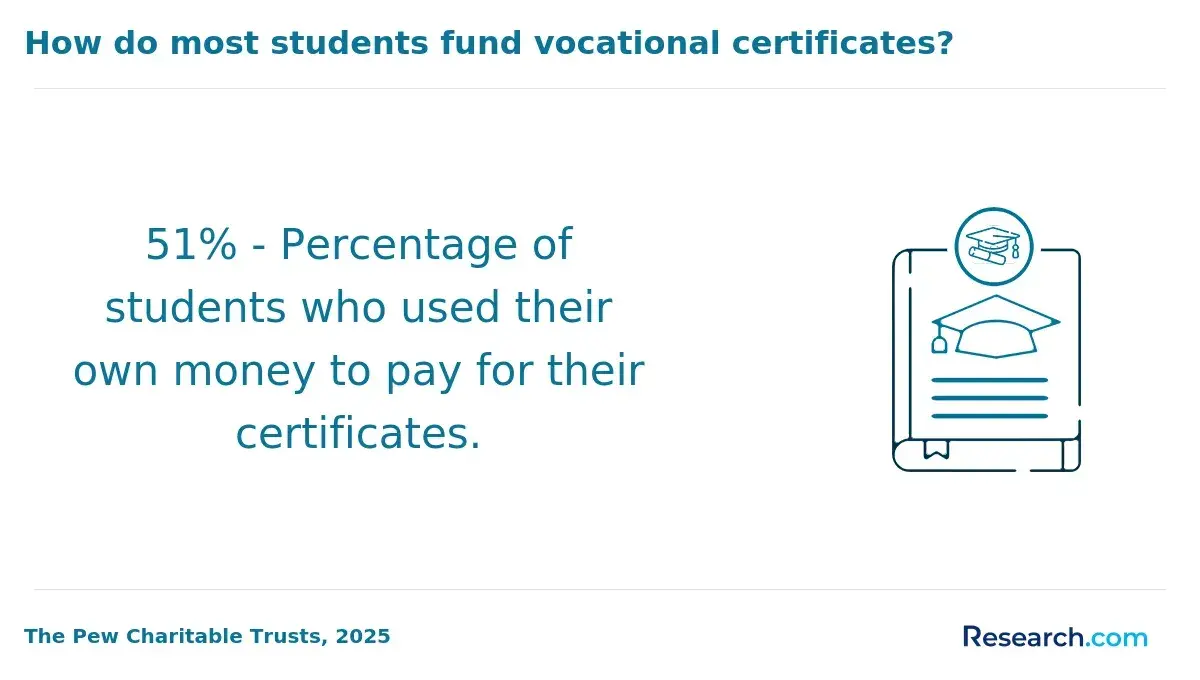
Employers increasingly favor candidates with a bachelor's degree over just certificates or high school diplomas for community health roles, especially when program management or data analysis are involved. This trend directly impacts those targeting supervisory or policy-influencing positions where competencies in grant writing, epidemiology, and health systems navigation are critical. Entry-level jobs in underserved urban centers might accept focused certification programs lasting 6 to 12 months, which prioritize culturally relevant outreach and communication techniques. However, such credentials rarely cover electronic health records management or case reporting software, skills often required for upward mobility.
Community health degree requirements in the United States reflect this divide: an associate degree can open specialized pathways like chronic disease management, but a bachelor's degree remains the baseline for leadership roles within government agencies and large organizations. This reality creates a practical dilemma for workers balancing rapid entry against long-term prospects.
The median wage rose to $51,030 in May 2024, illustrating demand for more qualified personnel. For those considering further education, pursuing a masters in healthcare management can be a strategic next step to break through managerial ceilings.
Best degrees for community health outreach careers combine relevant academic preparation with real-world skill development, reflecting workforce expectations that prioritize data fluency and programmatic oversight.
Are online community health programs accredited and respected?
Community health program accreditation standards have a direct impact on graduate employability, especially as Medicaid expands reimbursement to certified community health workers (CHWs). By 2024, 29 state Medicaid programs had formal reimbursement mechanisms recognizing CHWs, nearly double from 2019, increasing demand for accredited credentials. Employers prioritize nationally recognized certifications from entities like the National Board for Certified Community Health Workers, making program alignment with these standards critical for candidates seeking funded roles.
Online community health education varies widely in reputation, depending largely on accreditation status. Programs without recognized accreditation often limit graduates to positions outside Medicaid-reimbursed roles or agencies that do not require formal credentialing verification. In contrast, completing a regionally accredited online program that qualifies for National Board certification can substantially widen employment opportunities across multiple states.
Prospective students should evaluate programs based on practical factors such as accreditation compliance, program length, and costs to ensure their investment leads to verifiable competencies and eligibility for desired positions. Employers also expect background checks and experience validation beyond mere certification.
For those balancing affordability and career outcomes, exploring the cheapest online RN to BSN programs may offer complementary pathways that enhance qualifications in community health.
What courses are in a community health degree?
Community health degree programs deliver essential competencies, but their true value lies in applied skills that align with evolving workforce demands. Between 2016 and 2023, the U.S. expanded care coordination roles by 40%, adding over 60,000 positions, reflecting employer preference for candidates proficient in case management, interdisciplinary communication, and practical problem-solving.
Core courses cover epidemiology, health promotion, and health policy, but integration of data analysis and health informatics is indispensable for managing patient outcomes and electronic health records. For example, a care coordinator in a hospital setting relies heavily on informatics knowledge to synchronize treatment plans with complex institutional protocols.
Programs emphasizing theoretical knowledge without field experience risk leaving graduates underprepared. Internships or practicum components are critical because employers value candidates who can navigate diverse health systems in real-world conditions. Additional skills in grant writing and resource management enhance graduates' ability to secure funding and sustain community initiatives.
The curriculum's scope often includes social determinants of health, cultural competency, mental health awareness, and healthcare ethics, preparing students for diverse populations and complex systems. Practical care coordination capabilities coupled with foundational public health knowledge better position graduates for the expanding sector overseen by the Health Resources and Services Administration.
What are admission requirements for community health programs?
Admission to community health programs in 2026 demands more than basic academic credentials; practical experience and demonstrated interpersonal skills weigh heavily in selection. Programs offering associate degrees typically require foundational coursework in biology or psychology, while bachelor's tracks add expectations like standardized testing, recommendations, and documented volunteer or work experience in health-focused settings.
Beyond paper qualifications, admissions now assess problem-solving ability and emotional resilience given the challenging environments graduates will face. For instance, candidates without prior engagement in underserved urban communities must overcome steep learning curves, making documented community involvement a key differentiator. Background checks are routinely mandated to ensure suitability for sensitive patient roles, especially in certification-focused tracks.
Real-world readiness is scrutinized through mandatory fieldwork or internships, essential not only for graduation but also for employability. Graduates trained in diabetes management interventions have contributed to a measurable 0.57 percentage-point reduction in HbA1c and a 23% decline in hospitalizations, according to Preventing Chronic Disease, CDC, 2024, illustrating the tangible impact of well-rounded preparation.
Applicants should critically examine program support for workplace placement and navigation of complex health and social systems, as workforce demand increasingly favors graduates adept at practical execution in community health environments.
How long does a community health degree take?
Completing a community health degree is a strategic decision shaped by the significant variance in program length and workforce expectations. Associate degrees, typically finished in about two years, prepare candidates for entry-level roles such as peer outreach but generally limit access to leadership positions. In contrast, bachelor's degrees require around four years and provide comprehensive training in health promotion and behavioral health, aligning better with employer demands for integrated population health expertise.
Employers increasingly prefer candidates with practical experience and certifications alongside formal education. This often necessitates internships or supervised fieldwork, which can extend the timeline beyond the classroom. Specialized areas-like mental health outreach or chronic disease management-may require additional certification or licensure, further increasing preparation time.
Working professionals face tradeoffs when considering accelerated or part-time associate programs spanning 18 to 24 months: these options allow faster entry but may restrict long-term upward mobility. Meanwhile, bachelor's degrees open doors to roles in behavioral health organizations, which have boosted hiring of community health workers and peer outreach specialists to 55% of cases, up 72% relative to several years ago, according to the National Behavioral Health Workforce Study 2024.
- Associate programs-faster but often limited to support roles
- Bachelor's degrees-longer, broader training, enhanced job prospects
- Internships and certifications-critical for real employability
- Specializations-add time but increase sector relevance
Choosing the right path requires balancing immediate employment needs against long-term career goals, considering how program length and content impact opportunities within community health and behavioral services.
How much do community health jobs pay?
Community health roles increasingly reward adaptability to digital engagement, with 74% of U.S. community health centers using telehealth or phone outreach by 2024. This shift creates a wage premium for workers with reliable internet access and digital communication skills, often critical in virtual environments. Entry-level salaries range roughly from $35,000 to $45,000 annually, based on $17 to $22 per hour rates, but experience and specialized certification can push earnings to $60,000 or higher.
Pay differs notably by sector and location. Urban hospital systems typically offer higher wages but demand navigation of complex healthcare infrastructures. Conversely, nonprofit and rural settings offer lower pay but broader field experience and community interaction opportunities. Candidates holding associate degrees plus targeted certifications command better starting salaries than those with only high school credentials, reflecting employer focus on formalized training. Bilingualism also adds measurable value where diverse populations require effective outreach.
Strategic workforce planning must weigh real-world tradeoffs between education investments and employability barriers. Telehealth-focused roles require strong digital literacy and consistent home internet, potentially excluding candidates without these resources. For students evaluating educational pathways, it's crucial to prioritize programs that integrate certification and digital competencies aligned with evolving employer expectations in community health.
What is the job outlook for community health workers?
Growth in community health worker (CHW) roles hinges on measurable impact and versatile skill sets demanded by employers in both Medicaid-managed care and public health settings. A 2024 evaluation covering five states found that structured CHW outreach decreased unmet social needs-housing, food, transportation-by 35% within six months for Medicaid enrollees. This result incentivizes programs that blend interpersonal abilities with data literacy, reflecting employer preference for candidates who handle complex, real-time care coordination rather than only basic outreach.
Training programs emphasizing social services navigation, health coaching, and technology use significantly improve employability compared to those focusing on outreach fundamentals alone. Challenges arise for candidates lacking foundational certifications or urban health experience, especially as public funding cycles and value-based care priorities dictate caseload variability and shifting job demands.
For instance, CHWs serving elderly populations managing chronic conditions require sustained engagement and Medicare/Medicaid knowledge, while those in maternal-child health must rapidly mobilize resources during episodic crises involving housing or nutrition. Practical preparedness involves reconciling these divergent responsibilities.
The evolving employer landscape demands credentials reflecting both specialized competencies and adaptability to policy-driven priorities, shaping worker readiness for roles marked by outcome accountability and dynamic social health challenges.
How do you choose a reputable community health program?
Programs with structured advancement pathways reduce turnover, halving it from an average 21% in unstructured settings to 11%, improving retention and job stability for graduates. This difference is critical since community health roles often suffer from high attrition without clear career progression. For prospective students, examining partnerships is essential; programs integrated with healthcare systems or public health departments often provide internships, mentorships, and better employment pipelines compared to those confined to classroom instruction.
Accreditation aligned with national competencies and ongoing skills assessments indicates a program's commitment to workforce readiness, preventing graduates from needing expensive continuing education soon after completion. Programs that merely cover introductory content risk leaving learners underprepared for employer expectations and competitive job markets.
Logistics such as flexible scheduling and access to support services like career counseling are key to reducing dropout risks, especially for those balancing employment during study. Without these supports, students face compounded challenges in securing sustainable roles post-graduation.
When prioritizing programs, consider these dimensions:
- Turnover rates linked to structured advancement ladders
- Quality and nature of employer partnerships providing practical exposure
- Certification and ongoing skill validation reflecting evolving workforce demands
- Program flexibility accommodating working students
The operational realities around community health education require more than surface-level credentials; graduates must navigate complex workforce dynamics where stability and skill relevancy directly impact long-term employment outcomes.
Other Things You Should Know About Community Health
In 2027, roles such as Community Health Workers, Public Health Educators, and Outreach Coordinators are experiencing rapid growth. These positions are vital as they directly engage with communities to improve health outcomes and facilitate access to healthcare resources, driven by increased emphasis on preventive care and health equity.
Workload varies widely, from field-based outreach requiring travel and variable hours to office-centered program management with more predictable schedules. High-paced environments with direct client interaction demand strong resilience and time management due to fluctuating daily tasks. Employers often expect community health workers to balance administrative duties with fieldwork, so candidates should consider personal capacity for multitasking and stress when selecting roles.
Programs emphasizing hands-on internships and community partnerships produce graduates better prepared to meet real-world employer demands. Purely theoretical curricula tend to underprepare students for the adaptability required in outreach roles. Prospective students should prioritize programs integrating applied learning components, as these yield higher employment rates and smoother transitions into complex field settings.
State licensure provides a broad legal foundation and wider job market access, which benefits career flexibility across regions. However, some employers value customized, in-house training tailored to their programs more than state credentials. When possible, prioritize obtaining licensure first for baseline qualification, then seek employer-specific training to maximize immediate job performance and on-the-ground effectiveness.
References
- What Is a Community Health Worker? https://www.webmd.com/a-to-z-guides/what-is-community-health-worker
- What Do Community Health Workers Do? https://www.cedars-sinai.org/newsroom/beyond-hospital-walls-cedars-sinais-community-health-workers/
- Online Bachelor’s Degree in Community Health and Wellness https://www.monroeu.edu/academics/undergraduate-programs/school-allied-health-professions/online-bachelors-degree-community
- Community Health Workers https://www.apha.org/apha-communities/member-sections/community-health-workers
- What Is a Community Health Degree? https://www.nec.edu/news/what-is-a-community-health-degree
- Community Health Worker https://explorehealthcareers.org/careers/allied-health-professions/community-health-worker/
- Community Outreach https://we-reachout.org/category/community-outreach/
- How to Become a Community Health Nurse https://www.allnursingschools.com/specialties/community-health-nurse/
- Free Public Health Certification Courses Online | NextGenU.org https://nextgenu.org/courses-public-health/
- CHW Career Paths: Good Skills, Roles, and Growth Opportunities - Community Health Worker Training https://chwtraining.org/chw-career-paths/