2027 Best Online Community Health Degrees for Behavioral Health Outreach Careers

Co-Founder and Chief Data Scientist
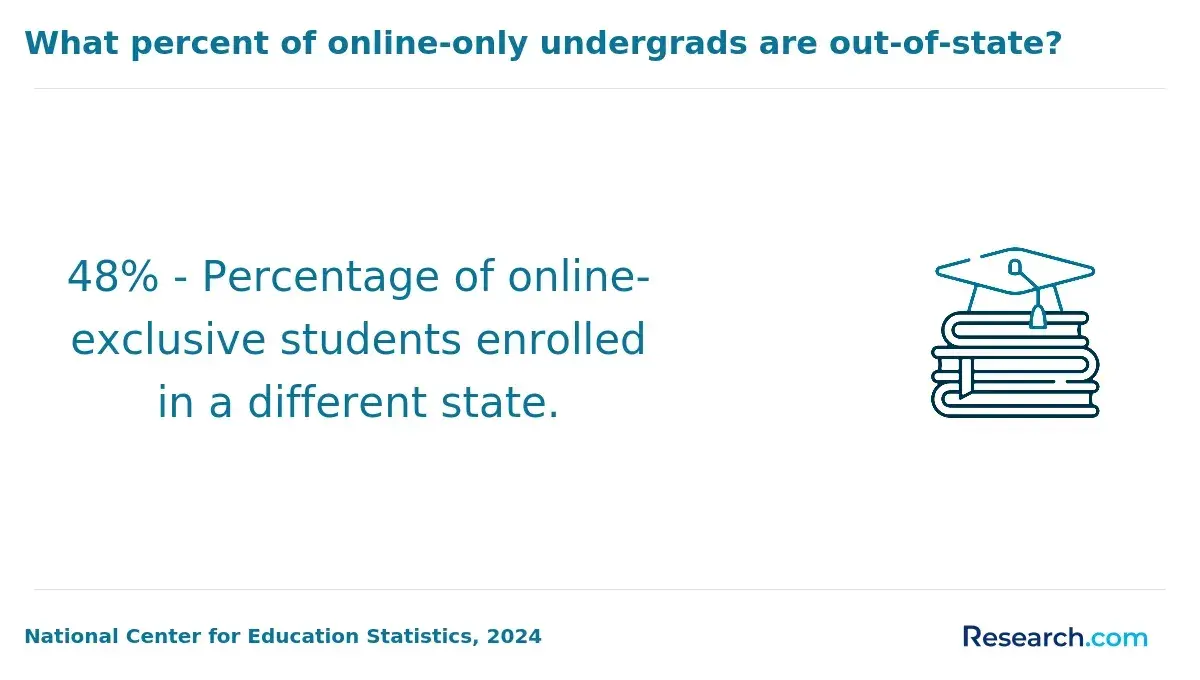
Professionals attempting to transition into behavioral health outreach face the urgent challenge of balancing ongoing work with advanced training demands. The Bureau of Labor Statistics projects a 16% growth in community and social service roles over the next decade, amplifying workforce pressure to onboard qualified candidates swiftly. Yet, traditional classroom schedules and rigid admission cycles frequently bottleneck access for adults seeking timely career pivots. A National Center for Education Statistics report reveals that over 40% of undergraduate community health students now prefer online formats for flexibility, signaling a shift in accessibility that directly affects enrollment strategies and career timing.
This article evaluates the best online community health degrees tailored for behavioral health outreach careers, focusing on program accessibility, practical skill relevance, and workforce alignment to guide informed educational investments amidst evolving professional demands.
Key Things You Should Know
- Programs emphasizing behavioral health outreach face a credentialing depth tradeoff: shorter certificates reduce time-to-employment but limit eligibility for federally funded roles requiring master's degrees, per 2024 SAMHSA workforce data.
- Employers prioritize candidates with integrated practical internship hours; 68% of surveyed U.S. public health agencies in 2024 report hesitancy hiring graduates lacking applied behavioral intervention experience.
- Rising tuition inflation, averaging 5.3% yearly since 2022 in public online health programs, risks pricing out lower-income students despite urgent regional demand growth documented by the Bureau of Labor Statistics.
What is an online community health degree and how does it prepare you for behavioral health outreach careers?
Behavioral health outreach professionals require specialized skills that an online community health degree distinctly cultivates by focusing on population-specific interventions and preventive care, rather than generic health education. Graduates develop competencies in epidemiology, culturally competent communication, data analysis, and policy advocacy, preparing them to navigate complex social determinants of health within nonprofit and public health sectors.
For example, a graduate may coordinate substance abuse prevention programs in rural areas lacking mental health infrastructure, leveraging telehealth and resource networks. Such real-world scenarios highlight the program's emphasis on practical outreach skills aligned with workforce demands, as the Bureau of Labor Statistics expects over 313,000 openings in community and social service roles by 2034.
Tradeoffs include the need for strong self-discipline in an online format and potential limitations on in-person networking, which can affect access to field placements crucial for employment outcomes. Selecting programs with robust community partnerships mitigates these risks by providing structured practicum experiences and better workforce integration.
Those evaluating online community health degree benefits for behavioral health outreach must consider how program rigor and experiential components impact their ability to meet employer expectations for managing outreach projects and interpreting health data to tailor interventions.
Students also benefit from exploring related pathways such as health information management programs online, which offer complementary skills in data and systems management integral to behavioral health outreach.
Which types of community health degrees best support behavioral and mental health outreach roles?
Degrees emphasizing behavioral and mental health outreach must align with employer priorities and field realities to ensure effective career positioning. Public health programs with behavioral health concentrations excel at preparing graduates to design and assess population-level initiatives, a skill set valued primarily in government and nonprofit arenas. In contrast, community health degrees that incorporate mental health curricula better fit practitioners engaged directly in outreach or case management, especially in culturally diverse or resource-limited settings such as mobile clinics or school-based programs.
Social work degrees focused on behavioral health bring clinical and counseling competencies essential for licensed roles addressing individual client crises and coordinating multifaceted healthcare services. This differentiation often corresponds to wage disparities: social and community service managers earning a median of $78,240 annually, substantially above the median across all related occupations, underscore the premium placed on comprehensive behavioral health administration skills. Degrees lacking specialized behavioral health content risk constraining access to these higher-paying management positions.
Choosing among these pathways requires considering practical workforce outcomes and your intended role. For example, if direct community engagement with a cultural competency focus is your goal, community health programs are preferable. Those seeking administrative or policy-oriented roles might prioritize public health behavioral concentrations. Licensed clinical roles typically necessitate social work credentials.
For prospective students exploring the best community health programs supporting mental health outreach careers, comparing curricula and outcome-based evidence is vital. In addition, exploratory options like a healthcare administration bachelor's degree online can provide a valuable alternative for those targeting managerial positions within behavioral health outreach.
How do online community health programs compare with on-campus options for behavioral health training?
Online community health degree programs for behavioral health outreach provide similar theoretical foundations as on-campus programs but differ sharply in hands-on experiential learning and immediate employer connections. Digital formats efficiently update curriculum on behavioral health theories and public health strategies, yet students must often independently secure local internships or practicum sites. This requirement can delay direct skill application compared to on-campus programs that integrate clinical rotations and supervisor-guided fieldwork.
Employers prioritize practical experience alongside academic credentials. On-campus training offers embedded clinical and team-based experiences that facilitate direct mentorship critical in behavioral health settings. In contrast, online learners bear the logistical burden of arranging these elements themselves, which disproportionately impacts career switchers balancing employment or family demands-groups for whom the flexible structure of online study is essential but must be balanced with self-discipline.
Salary data from May 2024 indicate community and social service roles have a median wage of $57,530, while social and community service managers with advanced applied training earn a median of $78,240, emphasizing the financial advantage of programs that include robust practicum components. Students must evaluate whether online options sufficiently support practicum quality and networking needed to thrive in leadership positions.
Deciding between on-campus and online behavioral health training options depends on:
- Ability to independently secure field placements and supervision.
- Need for real-time interaction with peers and faculty to build professional networks.
- Work/life balance priorities favoring asynchronous learning against immersive experiences facilitating faster workforce entry.
Those considering a strategic career pivot or advancement may also explore options for a healthcare MBA to complement their community health expertise.
What accreditation and program quality standards should online community health degrees meet?
Choosing an online community health degree without regional accreditation recognized by the U.S. Department of Education or the Council for Higher Education Accreditation (CHEA) creates tangible risks for behavioral health outreach careers. Employers and licensure boards rely heavily on this baseline to assess program quality, financial stability, and student support. Programs that meet the accreditation standards for online community health degrees in behavioral health outreach-including specialized approvals like those from the Council on Education for Public Health (CEPH)-better prepare graduates for workforce demands involving cultural competence and evidence-based practice.
Graduates from unaccredited or non-CEPH-approved programs often encounter limited employability, delayed certification, and gaps in skills such as community engagement and behavioral health communication. For instance, such a graduate might face lower starting salaries and increased on-the-job training because they lack exposure to applied practicum experiences valued by employers. In contrast, accredited programs integrating fieldwork with community partners align outcomes with healthcare funding priorities and demonstrate higher licensure exam pass rates.
Prospective students evaluating online community health degree program quality criteria for behavioral health careers should seek transparent data on program outcomes and employer feedback mechanisms. This due diligence addresses the growing 23% job growth projection in behavioral health occupations through 2026 and ensures readiness to function effectively in diverse community contexts. For comparative analysis of relevant programs, see which school is better SNHU vs WGU.
What courses and specializations are common in online community health programs focused on behavioral health outreach?
Behavioral health outreach roles increasingly demand professionals who combine foundational public health knowledge with applied skills in data analytics and culturally responsive interventions. Core topics include epidemiology, health policy analysis, and behavioral sciences, with emphasis on social determinants and substance abuse prevention tailored to mental health contexts. Specializations often cover crisis intervention, culturally competent communication, and rigorous program evaluation methods, directly addressing employer priorities for measurable impact across diverse populations.
Program requirements typically integrate applied practicum experiences in partnership with local agencies, reflecting a workforce expectation that candidates bring hands-on expertise bridging clinical and community settings. For instance, a public health agency hiring a behavioral outreach coordinator prioritizes proficiency in biostatistics and health informatics to assess program efficacy, a skill developed through structured coursework.
Budget considerations also significantly influence program choice. Southeastern Oklahoma State University offers a notably affordable online M.S. in Community Health at $14,025 for 33 credits, illustrating how lower tuition can reduce student debt and improve return on investment-particularly important in public roles where salaries often moderate.
Advanced electives like grant writing and program management equip graduates to navigate the funding constraints common in behavioral health, where approximately 60% of programs depend on external grants. These competencies are critical for sustaining outreach initiatives amid competitive fiscal environments.
What are the typical admission requirements and prerequisites for online community health degrees?
Admission requirements for online community health degrees impose practical considerations that affect workforce readiness. Most bachelor's programs require a high school diploma or GED with a GPA minimum between 2.5 and 3.0, plus foundational courses like English composition and biology for those without prior college experience. Master's level programs expect a relevant bachelor's degree-often in health sciences or psychology-with higher GPA thresholds (3.0-3.5) and additional application documents such as recommendations, statements of purpose, and proof of relevant experience, reflecting employer expectations for candidate maturity, especially in behavioral health outreach roles.
Prerequisites often include coursework in statistics and human development, emphasizing analytical skills and client understanding essential in this field. Immunization and background checks tied to fieldwork can complicate fully remote enrollment, pushing students to weigh accessibility versus program requirements.
Consider a mid-career social services worker pivoting to community health without a health science background: they may face extended study periods to complete foundational science credits before advancing, illustrating the tension between accelerating entry and ensuring adequate preparation.
These realities highlight the importance of evaluating program demands alongside personal and professional constraints in career planning.
How long do online community health programs take, and what do they cost?
Choosing an online bachelor's degree in community health requires weighing time commitment against financial and career impacts. Programs generally span three to six years, with part-time options extending duration to accommodate working students. Accelerated tracks may shorten completion but increase per-credit costs and demand significant time each term.
Tuition varies considerably, typically around $8,000 annually for public in-state schools and exceeding $30,000 at private institutions, excluding additional fees that can add 10-20% more to expenses. This cost variability factors heavily into decisions for those balancing education with income.
Employers in behavioral health outreach prioritize candidates who hold degrees encompassing advocacy, case management, and health education support-outcomes common to bachelor's-level programs emphasized by PublicHealthOnline.
Consider a social service employee upgrading credentials: choosing a six-year part-time program helps maintain steady income but delays workforce advancement. Conversely, a recent graduate aiming to enter the field rapidly might prefer an accelerated program with clinical practicum to develop practical skills quickly.
Key decision points include:
- Tradeoffs between program length and total cost.
- Impact of enrollment intensity on federal financial aid eligibility.
- Alignment of program outcomes with employer expectations for behavioral health outreach roles.
Balancing these factors is essential for prospective students seeking strategic entry or progression in community health fields, ensuring readiness that aligns with workforce demands and financial realities.
Which behavioral health outreach careers can you pursue with an online community health degree?
Online community health degrees often serve as a gateway to behavioral health outreach roles that demand targeted skills beyond academic knowledge. Positions such as mental health case manager or behavioral health outreach coordinator require direct client interactions, program coordination, and outcome evaluation skills that must be demonstrated through practicum experience embedded in the curriculum. For example, mental health case managers connect individuals with clinical and social services, relying on assessment and advocacy abilities, while outreach coordinators lead localized prevention initiatives targeting high-risk populations.
These roles are frequently found in public health departments or nonprofit settings where multidisciplinary teamwork is standard, making degrees with interprofessional training more valuable in practice. Candidates without hands-on training may encounter barriers when applying, as employers prioritize applied experience and measurable community impact.
Financially, pursuing an online community health degree can be more economical than on-campus pathways, especially considering out-of-state tuition disparities. Online programs that offer in-state tuition rates or reduced per-credit costs improve access for distant learners, though verifying scholarship and federal aid eligibility is advisable given typical salary limitations in behavioral health fields.
Licensure is another practical consideration: substance use disorder counselors, for instance, often require state certifications separate from degree completion. Aligning program curricula with specific local credentialing rules is critical for minimizing post-graduate hurdles and ensuring workforce entry aligns with regulatory expectations.
What salary ranges and job outlook can community health and behavioral outreach professionals expect?
Salary progression in community health and behavioral outreach directly correlates with educational attainment and employer expectations, affecting entry points and leadership opportunities. Entry-level roles for those with associate degrees often start near $35,000 annually, reflecting limited responsibilities and wage growth potential without further education or certifications. Frontline workers without a bachelor's degree frequently earn close to minimum thresholds for social service roles, while supervisors and program directors-typically requiring master's or doctoral credentials-command salaries upward of $90,000.
For example, a community health worker at a rural nonprofit might begin between $34,000 and $40,000, with advancement tied closely to education and geographical factors. In urban systems or government agencies, professionals holding graduate degrees can expect salaries reaching $70,000 to $100,000, justified by expanded responsibilities and program management roles.
Prospective students must evaluate the tradeoffs of pursuing advanced degrees versus entering the workforce sooner. Master's qualifications often unlock managerial positions with significant pay increases but require time and financial investment. Those opting for associate degrees may access immediate employment, with incremental raises linked to experience and continuing education, though overall upward mobility may be slower.
Data sourced from the U.S. Bureau of Labor Statistics and analyzed on PublicHealthOnline provides practical insight into these employment trends and educational impacts.
How can you choose the best online community health program for your behavioral health career goals?
Selecting an online community health program demands careful evaluation of outcomes that extend beyond price and reputation. Programs with strong practical training in telehealth and culturally informed care better position graduates for outreach roles in underserved rural areas, aligning directly with employer demand. Those prioritizing accredited curricula with experienced faculty and supervised practicum training typically yield higher licensure exam pass rates and faster workforce entry, which offsets initial tuition costs.
Tradeoffs arise when programs charge less but lack hands-on clinical exposure-resulting in delayed employability or limited career mobility. Flexibility in scheduling remains important but should not compromise rigorous fieldwork components essential to meet state licensure requirements and ensure readiness for diverse behavioral health roles.
Decisions should incorporate state workforce analyses illustrating an estimated 15% job growth in behavioral health outreach through 2030, signaling intensifying competition for candidates with demonstrable field experience and relevant certifications. Evaluating electives aligned with substance abuse or mental health counseling domains enhances alignment with evolving employer expectations.
Cost considerations must be balanced with real outcomes-lower tuition alone should not outweigh long-term employment prospects or practical skill acquisition essential to advancing in this competitive labor market.
Other Things You Should Know About Community Health
Balancing a full-time job with an online community health degree requires disciplined time management, as programs often demand consistent weekly engagement with readings, discussions, and assignments. Practical components like internships or fieldwork may have set schedules, limiting flexibility. Students should assess if their current work allows for evening or weekend study hours and if their employer supports potential time off for hands-on experiences.
Employers in behavioral health outreach tend to prioritize candidates who graduate from programs with recognized accreditations and practical training components over those with purely academic credentials. Selecting a program with strong ties to local health organizations or community agencies improves internship opportunities and job placement. Graduates should prioritize degrees that include real-world field experiences and avoid programs lacking such connections, as this directly impacts employability.
An online community health degree in 2027 prepares you for behavioral health outreach by equipping you with essential skills like health communication, program planning, and policy advocacy. The curriculum is designed to address current public health challenges, ensuring that graduates can effectively support community wellness and mental health initiatives.
Certificates provide quicker, targeted training and are suitable for professionals seeking skill upgrades or role changes without a full degree commitment. However, they often lack the breadth and depth of knowledge employers expect from degree holders and may limit advancement opportunities. For a lasting career in behavioral health outreach, prioritizing a full degree offers broader credentials and enhances qualification for supervisory or leadership roles.
References
- What Can I Do With an Online Bachelor’s in Public Health? - MPH Online https://www.mphonline.org/jobs-online-bachelors-public-health/
- Behavioral Health Academy | Community Health Network https://www.ecommunity.com/careers/behavioral-health/behavioral-health-academy
- Community Outreach Specialist: Job, Salary & Requirements https://www.appliedbehavioranalysisedu.org/jobs-related-to-applied-behavior-analysis/what-is-a-community-outreach-specialist/
- Online vs Hybrid vs Campus Learning in Healthcare: Which Is Right for You? https://www.edumed.org/articles/online-vs-hybrid-vs-campus/
- Public Health Career Salaries: What to Expect Across Roles https://www.scuhs.edu/bshs-article/public-health-career-salaries-what-to-expect-across-roles/
- Building a Future in Mental, Behavioral & Cognitive Healthcare https://www.lihealthcollab.org/healthy-resources/mental-health-career-guide
- Behavioral Health Career Descriptions | SAMHSA https://www.samhsa.gov/about/careers/behavioral-health-workforce/careers-by-state/descriptions
- Master of Public Health Online https://www.unthealth.edu/tcom/public-health/master-of-public-health-online.html
- Networks and Training Programs - NACHW - National Association of Community Health Workers https://nachw.org/generalresources/networks-and-training-programs/
- Community Health Career - Public Health https://www.publichealthonline.org/community-health-career/