2027 Best Online Bachelor's in Community Health for Health Education Career Paths

Co-Founder and Chief Data Scientist
Mid-career professionals in community health frequently confront tight schedules and evolving employer credentials expectations that render traditional bachelor's degrees impractical. Nearly 45% of undergraduate enrollments are now adult learners balancing work, family, and education, according to the National Center for Education Statistics. This shift reflects widespread demand for programs that combine flexibility with rigorous training relevant to health education careers.
Without access to adaptable options, these students risk stagnating despite rising workforce openings projected by the Bureau of Labor Statistics. This article evaluates the best online bachelor's in community health tailored to meet these challenges, helping candidates optimize accessibility, credibility, and career mobility in health education roles.
Key Things You Should Know
- Community health bachelor's graduates face a wage penalty averaging 12% versus nursing peers despite similar education levels, per 2024 Bureau of Labor Statistics, pressuring some to seek concurrent certifications for market competitiveness.
- Employer demand is shifting toward candidates with data analytics skills integrated into community health curricula, with 46% of job postings in 2024 requiring proficiency in health informatics platforms according to Burning Glass Technologies.
- Programs exceeding four calendar years delay workforce entry, raising opportunity costs by over $40,000 per typical graduate compared to accelerated tracks, based on Federal Reserve education earnings reports, impacting adult learners especially.
What is an online bachelor's in community health and how does it prepare health educators?
The value of an online bachelor's in community health degree benefits for health educators primarily hinges on its focus on applied skills that directly address workforce demands. Graduates are expected to convert theoretical frameworks into effective public health interventions. For example, a health education professional working in a rural setting might craft localized tobacco cessation initiatives by interpreting specific epidemiological data, while those serving urban populations must contend with multifaceted social determinants such as housing instability.
Employers increasingly prioritize candidates who combine academic credentials with demonstrated practical involvement. This dynamic means students must engage proactively in internships or field experiences to gain hands-on competence. An online bachelor's in community health prepares health education professionals by embedding data literacy, behavioral science, and health policy translation into its curriculum-critical proficiencies for tailoring interventions to community-specific needs.
The labor market outlook supports this approach, with the U.S. Bureau of Labor Statistics projecting 12% growth for health education specialists and community health workers through 2031. This trend reflects the sector's focus on reducing healthcare costs via prevention and chronic disease management, raising the bar for data-driven and culturally competent practice.
Students contemplating this pathway should scrutinize programs emphasizing real-world data analytics, policy advocacy, and communication skills relevant across diverse environments, including government agencies and nonprofits. For those exploring further specialization, exploring a mental health degree online can complement community health strategies, expanding career flexibility and impact.
How do online community health bachelor's programs compare with on-campus options for health education?
Choosing between an online community health bachelor's degree vs on-campus programs for health education demands weighing significant tradeoffs in flexibility, field experience, and professional networking. Online pathways cater to working adults or those with caregiving duties, offering critical scheduling adaptability unavailable on campus. However, these programs often lack embedded practicum opportunities and face-to-face mentorship, requiring proactive pursuit of local internships to fulfill employer expectations for verified real-world experience.
By contrast, traditional community health bachelor's degrees provide seamless access to supervised practicum placements through campus partnerships, enhancing experiential learning and peer collaboration. This immersive environment fosters interpersonal and leadership skills crucial for advancing beyond entry-level roles but typically involves higher costs and less schedule flexibility.
Salary data confirms similar median earnings for graduates of either format in roles such as health education specialists and community health workers, reflecting employer acceptance of online credentials when paired with practical exposure. Students must strategically integrate practicum credit and self-directed skill-building in online programs to offset limited direct faculty interaction and ensure competitiveness.
Those seeking advanced leadership roles should assess how these differences impact long-term career trajectories and consider pathways aligned with strategic career pivots. For prospective students exploring further academic advancement, options such as healthcare PhD programs online provide continued flexibility in higher education beyond the community health bachelor's degree level.
Which accreditation and program quality standards matter most for online community health degrees?
Regional accreditation recognized by the U.S. Department of Education or the Council for Higher Education Accreditation (CHEA) remains the most critical standard for validating online community health degrees. Without it, graduates often face significant barriers in licensure, certifications, and employment with government or major healthcare organizations. Beyond institutional accreditation, specialized credentials like the Council on Education for Public Health (CEPH) accreditation are essential for roles demanding industry-specific competencies, particularly in health education and public health administration.
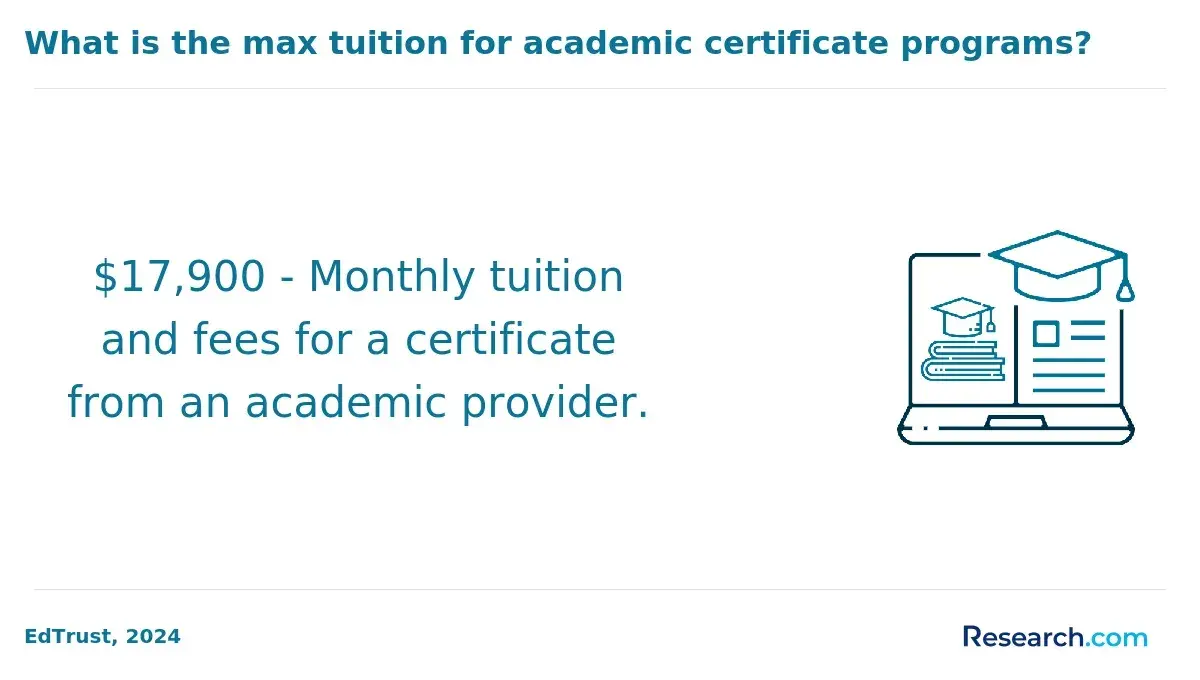
Students must scrutinize programs for transparent reporting of outcomes, including graduation rates and job placement data-ideal programs publish employment outcomes exceeding 80% in relevant sectors such as government health agencies or community outreach. Likewise, assessing tuition relative to outcomes is necessary. The average annual undergraduate tuition is $25,910 (Intelligent.com, 2020-2021), so online community health seekers should be cautious of lower-priced options that might compromise quality or accreditation. Lower tuition paired with CEPH accreditation can enhance return on investment by balancing debt load with employer recognition.
Practical experience through internships or practicums is another non-negotiable factor, as its absence limits in-field skills and professional networking opportunities. For those weighing options, consulting resources like affordable online MBA healthcare management offerings can provide insight into cost-effective programs that maintain crucial accreditation and quality standards.
What admission requirements and prerequisites are typical for online bachelor's in community health programs?
Admission requirements for online bachelor's in community health programs frequently integrate more than a high school diploma or GED equivalent, often including a minimum GPA around 2.5 on a 4.0 scale and submission of official transcripts. While standardized test scores like the SAT or ACT are increasingly optional, selective programs may still request them. Applicants should be prepared to present a personal statement detailing relevant community involvement or health education experience. Some programs impose prerequisites such as college-preparatory coursework in English, math, and science, reflecting the quantitative and ethical demands expected by employers.
Prerequisites for online bachelor's in community health degrees typically encompass introductory courses in biology, statistics, or health sciences. For professionals balancing employment or seeking a career shift, unmet prerequisites often mean enrolling in bridge courses, which can delay program start and extend time to degree completion. This tradeoff impacts financial planning and workforce reentry timelines, especially since many programs offer flexible, self-paced study over three to four years.
Compliance with immunization and background checks is common, given fieldwork with vulnerable populations. Skipping or postponing prerequisites risks underpreparing students for the quantitative and ethical rigor employers demand, reducing job readiness. Candidates must assess admission criteria pragmatically, weighing prior education and current commitments against program alignment to avoid costly interruptions. For those seeking accelerated advancement, options such as the RN to BSN in 3 months illuminate alternative pathways that may better fit immediate workforce needs.
How long does it take to earn an online bachelor's in community health and what does it cost?
Completion timelines for an online bachelor's in community health vary significantly based on individual circumstances. Full-time study typically spans four years (120 credit hours), but accelerated paths can shorten this to 2.5-3 years for motivated students or those transferring credits. Part-time learners, often balancing jobs, may require 5 to 6 years. Geographic and program-specific practicum requirements may extend these durations if local clinical placements are limited.
Annual tuition ranges widely: public state institutions charge roughly $8,000-$15,000 for in-state online students, while private schools often exceed $20,000, excluding additional fees of $1,000-$3,000. A student paying $12,000 yearly could face about $48,000 in tuition alone over four years, making financial aid and employer tuition support vital to mitigate upfront costs.
The market for professionals in population health and disease prevention, including roles like medical and health services manager, is projected to grow by 23.2%, with median salaries near $118,000. However, employers place a premium on practical experience, so concurrent internships or part-time roles during study significantly enhance job prospects. This nuanced approach aligns educational investment with realistic employment outcomes and workforce expectations, steering students toward sustainable career pivots.
What core courses and concentrations are offered in online community health programs for future educators?
Effective preparation for roles in community health education hinges on coursework that balances theoretical frameworks with applied skills. Core areas such as health promotion, epidemiology, behavioral science, and public health ethics are foundational, but candidates should assess how well programs integrate practical experiences like practicum placements or simulation labs. These components critically influence readiness for positions requiring data-driven assessment and culturally competent communication, competencies employers consistently prioritize.
Concentrations tailored to specific challenges-such as chronic disease prevention, maternal and child health, or substance abuse education-shape career trajectories by aligning skill sets with target populations. For instance, educators focusing on maternal and child health often transition into developing prenatal education programs within clinical or nonprofit settings, whereas substance abuse concentrations prepare professionals for community outreach targeting at-risk youth.
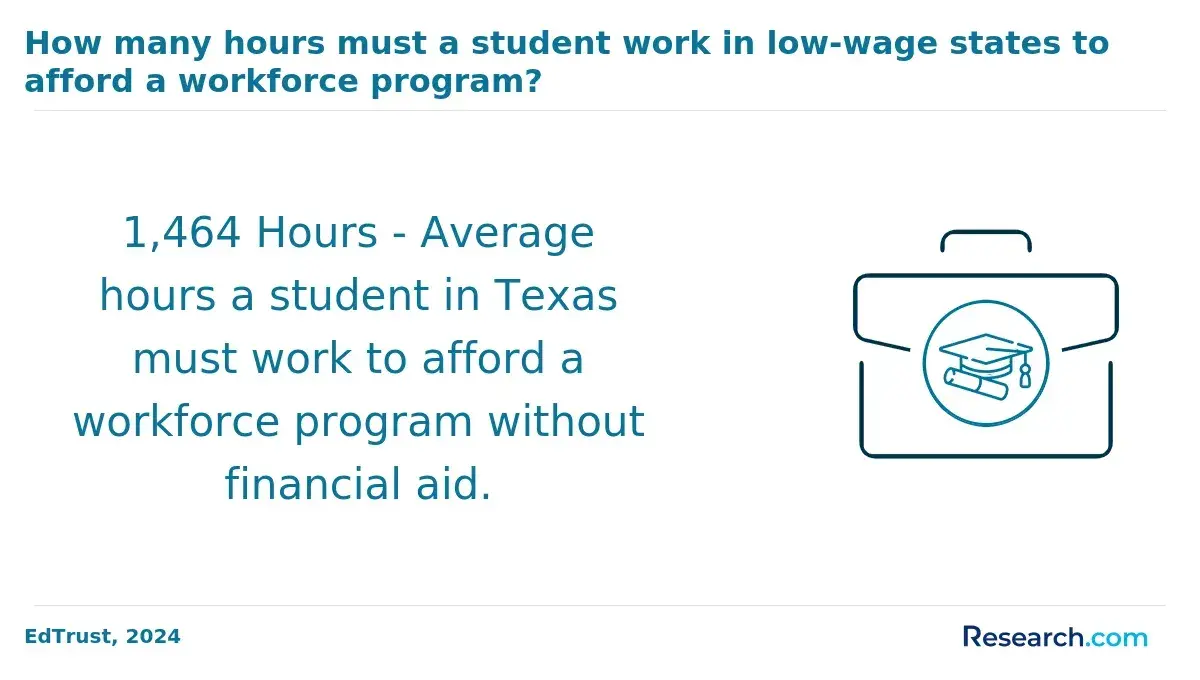
Costs represent a significant decision factor; top public online programs can offer annual tuition in the mid-$7,000 range, well below national averages, making reskilling more accessible for working adults. However, candidates must weigh tuition savings against the quality of practicum offerings and program flexibility, as insufficient fieldwork risks limiting employment prospects in frontline educator roles. Strategic selection requires balancing curriculum rigor, practical exposure, and financial investment to ensure applicability in diverse workforce environments.
What health education careers can you pursue with an online bachelor's in community health?
An online bachelor's in community health positions graduates for roles such as community health worker, health education specialist, public health outreach coordinator, and program evaluator, each with distinct workforce demands. For example, community health worker roles have an 11.3% job growth rate and an average salary near $51,000, indicating stable entry opportunities for those with practical skills in health communication, cultural competency, and program design.
Health education specialist positions often require additional certification and focus on creating targeted interventions, such as school districts addressing childhood obesity through data-driven curricula and prevention campaigns. These roles blend technical skill with policy understanding, demanding ongoing adaptation to evolving public health needs.
Program evaluators emphasize quantitative and epidemiological expertise, often collaborating with nonprofits or agencies to measure intervention efficacy. Success in these roles hinges on strong grant-writing and reporting abilities beyond baseline health knowledge, with advancement tied to demonstrated impact and continued professional training.
Workers pivoting from health support roles find this degree versatile but must navigate credentialing and skill upgrades, including telehealth literacy and digital outreach. Candidates should weigh whether the degree's theoretical foundation aligns with current employer expectations and sector-specific requirements before committing.
What salary ranges and earning potential can community health and health education graduates expect?
Salary outcomes for graduates holding a bachelor's degree in community health and health education vary significantly by employer type and regional demand. Entry-level salaries typically range from $40,000 to $55,000, with median wages near $48,000 according to U.S. Bureau of Labor Statistics data on health educators and community health workers. More experienced professionals can expect $55,000 to $75,000 annually, with healthcare systems and research institutions offering higher pay compared to public health departments or nonprofits.
Advancement often depends on securing certifications like CHES (Certified Health Education Specialist), which can boost earnings by $5,000 to $10,000. Developing specialized skills such as data analysis, grant writing, or program evaluation further enhances compensation potential. For example, a health educator in an urban hospital setting with these skills may command salaries approaching or exceeding $70,000 within five years.
Choosing between public sector roles and corporate wellness programs involves a tradeoff: public roles focus more on community impact but offer lower pay, while private employers demand higher performance metrics but pay more competitively. Targeting employers responding to local workforce shortages can leverage scarcity to secure better salaries. Continuous professional development remains critical for staying competitive and accessing higher-tier positions in this evolving job market.
What certifications or licenses align with community health and health education career pathways?
Certifications such as the Certified Health Education Specialist (CHES) and Certified Public Health (CPH) serve as practical milestones for those pursuing community health careers, particularly where leadership and program management intersect. Employers often expect these credentials as evidence of a candidate's ability to design, implement, and assess public health initiatives, with CHES preferred for education-focused roles and CPH advantageous for equity-oriented leadership positions.
Licensure requirements in community health fluctuate by state and professional role; for instance, health education licenses are necessary for school-based practitioners whereas clinical-adjacent positions like community health nursing mandate registered nurse (RN) or licensed clinical social worker (LCSW) credentials, which entail advanced degrees beyond a bachelor's.
The workforce impact of these certifications extends beyond qualification: holders typically command a 10-15% salary premium and experience higher job placement rates. However, ongoing continuing education obligations and upfront costs compel candidates to evaluate whether these certifications align with their personal timelines and financial constraints.
A real-world example includes social services directors with community health leadership expertise, who are projected to see 6.4% job growth and earn around $78,240 on average. Increasingly, employers also require proof of competency in diversity, equity, and inclusion, making specialized training in these areas a valuable supplement to core credentials.
How can you choose the best online community health bachelor's program for your goals?
Selecting an online community health bachelor's program demands a critical review of how well its curriculum equips students for specific roles, such as healthcare education or telehealth coordination. For instance, aspiring healthcare educators should prioritize programs with robust instruction in health education theory and public health communication, aligning with a 17.3% labor growth projection and an average salary exceeding $105,000, per ASU's data.
Verification of accreditation and scrutiny of graduation and job placement outcomes remain non-negotiable to avoid credentials that lack market credibility. Programs connected with public health agencies or healthcare providers often deliver superior practicum experiences, which directly influence employability. The balance between synchronous and asynchronous learning is another operational consideration; working adults typically benefit from flexible asynchronous formats but need ample faculty and peer interaction to develop critical communication skills.
Practical constraints like tuition affordability, financial aid availability, and technology requirements also shape decision-making. Candidates should investigate specialty tracks relevant to emerging sectors such as digital health or epidemiology, ensuring alignment with evolving employer demands. Equally important is access to active career services, including résumé optimization and employer networking, which are pivotal for leveraging the degree toward tangible workforce entry or progression.
Other Things You Should Know About Community Health
Employers in health education prioritize relevant experience and accredited degrees over whether the degree was earned online or on-campus. However, programs with strong practicum or fieldwork components-offered either locally or through approved placements-tend to carry more weight because they demonstrate applied skill development. When choosing an online program, prioritize those with established field placement support and active partnerships with health organizations to avoid gaps in hands-on experience that employers expect.
Online community health programs offer flexibility critical for working professionals, but this often limits face-to-face networking, which is valuable for job placement and career advancement. Prospective students should assess if a program provides virtual internships, cohort-based models, or facilitated connections to local community organizations. Prioritizing programs with structured mentoring and employer engagement opportunities compensates for reduced in-person contact and enhances employment prospects.
A general community health degree provides broad knowledge but may limit competitiveness for specialized roles in health education. Specializations in areas like chronic disease management, public health policy, or health communication align better with employer demands when combined with relevant certifications. Students aiming for specific employers or sectors should prioritize programs that offer credible concentrations and practical projects tied to those fields.
Effective time management is crucial. Schedule specific study hours, utilize organizational tools, and communicate with employers about your education commitments. Prioritize tasks, seek flexible assignments, and leverage online communities for support to maintain a healthy study-work balance.
References
- How to Become a Community Health Educator: Career Path and Salary https://online.maryville.edu/online-bachelors-degrees/exercise-science/careers/how-to-become-a-community-health-educator/
- What Can I Do With an Online Bachelor’s in Public Health? - MPH Online https://www.mphonline.org/jobs-online-bachelors-public-health/
- What Are the 5 Health Science Career Pathways? https://www.icevonline.com/blog/health-science-career-pathways
- Careers https://www.publichealthdegrees.org/careers/
- Quality Standards and Accreditation of Distance Education Programs in a Pandemic - OJDLA https://ojdla.com/articles/quality-standards-and-accreditation-of-distance-education-programs-in-a-pandemic
- Public Health Online | Online Public Health Degrees https://www.publichealthonline.org/
- Public Health Career Salaries: What to Expect Across Roles https://www.scuhs.edu/bshs-article/public-health-career-salaries-what-to-expect-across-roles/
- Explore Online MPH Degree Programs to Find the Best for You https://teach.com/online-ed/healthcare-degrees/online-masters-public-health/
- Community Health Worker | Brooklyn Colleges https://www.forginghealthcareers.co/careers-3
- Guide to Health Education Careers | NCHEC https://www.nchec.org/guide-to-health-education-careers