2027 Online Community Health Degrees With Service-Oriented Career Alignment

Co-Founder and Chief Data Scientist
Professionals aiming to transition into community health often encounter limited program schedules that clash with full-time employment, delaying career advancement or forcing compromises on course quality. Nearly 60% of adult learners prioritize flexible online options, according to the National Center for Education Statistics 2024 report, signaling increased demand for accessible degree formats that accommodate work-life balance. This trend also reflects broader shifts in employer expectations, favoring candidates who demonstrate self-directed learning alongside foundational knowledge. Understanding how different online community health degrees align with service-oriented roles helps students select programs that optimize employability and reduce time-to-credential in a competitive labor market.
This article examines current online community health degree pathways with a focus on program flexibility, alignment with service-based careers, and actionable decision criteria for prospective students seeking strategic workforce integration.
Key Things You Should Know
- Community health degrees online average $18,000 total cost over 3 years, but accelerated tracks often reduce time-to-completion by 30%, pressuring students to balance speed against deeper practical exposure.
- Employers prioritize candidates with integrated service-learning; programs lacking accredited fieldwork produce 25% lower job placement rates in community health nonprofits, increasing early-career underemployment risk.
- Labor market projections from the U.S. Bureau of Labor Statistics show 13% growth through 2032, yet credential inflation means bachelor's-only graduates face a narrower salary range versus those with combined certifications.
What is an online community health degree?
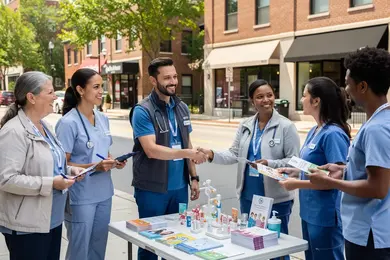
Online community health degree programs equip students for service-oriented careers in community health by blending core public health disciplines-epidemiology, policy, behavioral science-with applied skills in data analysis and program planning. Graduates emerge prepared to design targeted interventions addressing chronic diseases, environmental risks, and social determinants of health, often within constrained budgets and complex stakeholder environments. For instance, a health educator in a rural nonprofit must adjust programs for limited resources while effectively engaging diverse cultural groups.
The curriculum prioritizes qualitative and quantitative research methods to foster evidence-based decision-making and program evaluation skills. Working professionals benefit from the flexible online delivery that accommodates job commitments but must navigate local internship or practicum requirements for accreditation and field experience. These experiential components often depend on state authorization and alignment with certification standards, adding practical considerations for prospective students.
Labor market data from the U.S. Bureau of Labor Statistics cite a median annual wage of $57,530 in community and social service occupations, surpassing the general workforce. However, employers expect graduates to be adept at managing limited resources and complex community dynamics. Students evaluating online community health degree programs should weigh program rigor, experiential learning opportunities, and public health agency connections, as these factors heavily influence employability and workforce readiness.
Those considering related fields might also explore options such as a mental health degree online, which addresses intersecting behavioral health needs within community contexts.
How do you verify accreditation for community health programs?
Without recognized accreditation, online community health program accreditation verification becomes an operational necessity rather than a formality. Institutions lacking approval from the U.S. Department of Education or the Council for Higher Education Accreditation (CHEA) produce graduates with degrees that may not meet employer standards or qualify for federal financial aid. This creates a tangible barrier to employment in public health departments and nonprofit organizations, which increasingly require verifiable credentials from accredited programs to comply with funding and regulatory requirements.
Accredited community health degrees in online programs mitigate these risks by embedding validated curricula and mandatory field experiences aligned with employer expectations. For example, candidates aiming for the Certified Health Education Specialist (CHES) certification often cannot sit for the exam without graduating from such a program, directly influencing career mobility and access to growing roles projected by the U.S. Bureau of Labor Statistics through 2033.
Prospective students should take proactive steps to confirm program legitimacy:
- Search the U.S. Department of Education's Database of Accredited Postsecondary Institutions and Programs.
- Cross-check with CHEA listings to verify specialized health program accreditation.
- Request official accreditation documentation from program administrators.
- Ensure fieldwork components meet criteria relevant to your desired regional employers.
When comparing pathways, consider that enrolling in a well-validated program can enhance job placement outcomes and avoid wasted time or expenses on degrees lacking credential portability. For those evaluating options in this field, it's practical to review affordable options with verified accreditation, such as those found in a healthcare administration degree catalog tailored for remote learners.
Which online community health programs require licensing or certification?
Licensure remains a defining factor for many community health careers, as only graduates from programs meeting state licensing criteria-typically involving accredited curricula, supervised clinical hours, and standardized exams-are eligible to practice in regulated roles. For example, positions such as Licensed Clinical Social Worker (LCSW) or Licensed Professional Counselor (LPC) require compliance with specific state board requirements. Failure to confirm that an online community health degree meets these standards can significantly delay entry into such professions.
The practical implications of certification vary across the community health sector. Roles centered on direct client services or clinical practice almost always mandate licenses to satisfy employer demands tied to legal and funding accountability. Conversely, careers in community outreach or health promotion coordination often do not require certification, though they may face slower advancement without it. Employment projections from the U.S. Bureau of Labor Statistics show a fast-growing need for credentialed professionals, highlighting the strategic importance of understanding online community health degree licensing requirements.
Prospective students evaluating certification needed for community health careers should:
- Verify if their target occupation legally requires a state license or professional certification.
- Ensure online programs qualify for the supervised practicum hours necessary for licensing.
- Plan financially for examination fees, application costs, and ongoing education to maintain licensure.
Licensing requirements introduce additional time and cost considerations but are often non-negotiable for clinical roles. In contrast, non-clinical pathways such as research and policy usually have fewer regulatory barriers. For individuals weighing flexible degree options with minimal clinical prerequisites, exploring online nursing programs for non nurses may offer viable alternatives with distinct certification pathways relevant to community health fields.
What courses are included in a community health curriculum?
Curricula in community health degree programs emphasize actionable skills directly linked to workforce demands, particularly in navigating diverse population needs and regulatory environments. For example, epidemiology courses train students to identify disease trends, a capability crucial for roles in urban health departments managing outbreak responses or rural clinics targeting endemic issues. Similarly, health program planning and evaluation prepare graduates to design measurable interventions, making these skill sets indispensable in nonprofit and government settings.
Employers expect proficiency in behavioral science to tailor health messaging effectively for populations like immigrant communities or economically disadvantaged groups. Students focusing on online community health coursework and training encounter these complexities while balancing remote learning constraints. Core subjects such as health policy, ethics, and biostatistics underpin evidence-based decision-making, influencing resource allocation in real-world public health operations.
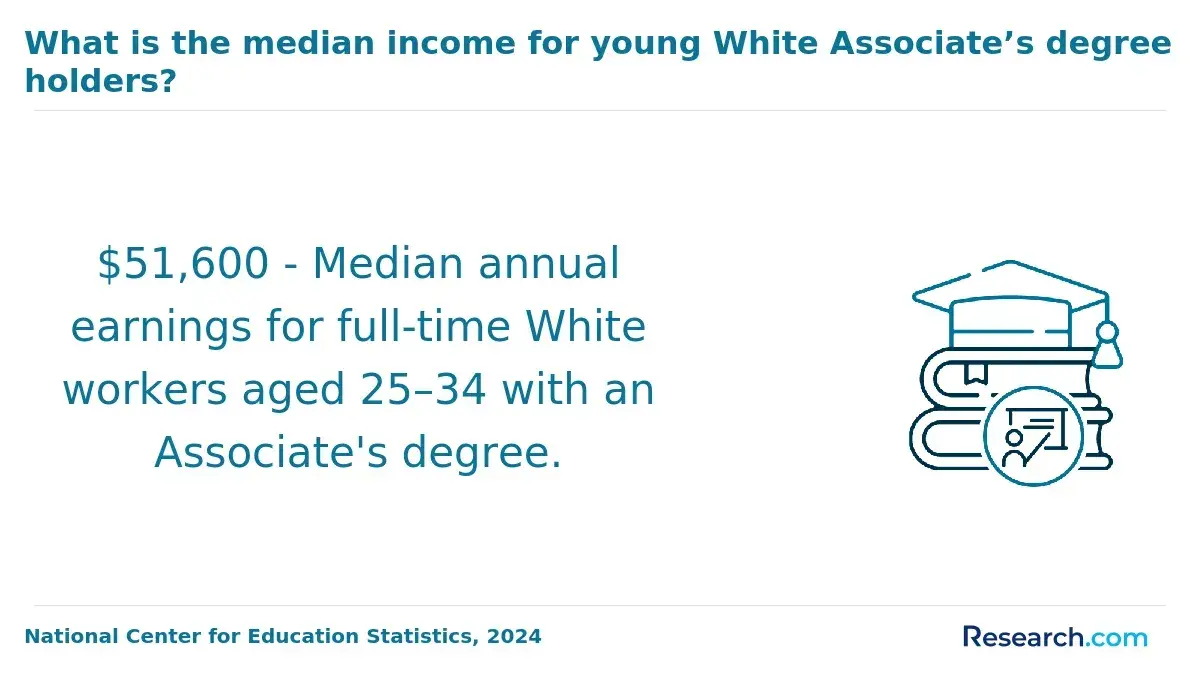
Practical training through internships or service learning integrates communication, cultural competence, and community organizing-defined competencies in job descriptions for health education specialists and community health workers, whose median wages are $63,000 and $51,030 respectively, per the U.S. Bureau of Labor Statistics from May 2024. Prospective candidates should note that programs incorporating applied policy and experiential learning tangibly affect employability and adaptability in shifting health landscapes. Those exploring advancement options may also consider RN to BSN online programs as complementary pathways to extend clinical qualifications alongside community health expertise.
How do online and campus community health programs compare?
For professionals targeting roles with direct service components, especially within public health departments or nonprofit agencies, campus-based community health programs significantly outperform online counterparts by embedding supervised internships and practical exposure vital for employability and employer credibility. The wage disparity between social and community service managers-who earned a median of $78,240 versus the general $57,530 median for related occupations (U.S. Bureau of Labor Statistics summarized by PublicHealthOnline.org)-illustrates the premium placed on advanced skills often cultivated via in-person mentorship and real-world interaction.
Online programs offer essential flexibility for those constrained by work, family, or geography, but they demand heightened self-discipline to fulfill experiential competencies critical in this sector. Hybrid models attempt to bridge these gaps by blending asynchronous theory with mandatory hands-on practicums; however, the quality of practicum opportunities hinges on local infrastructure. Students must assess access to appropriate sites to ensure their training meets employer expectations.
Those whose career track focuses on data analysis or policy development might find online education sufficiently rigorous. Conversely, roles demanding clinical familiarity require immersive experiences more reliably found in campus or hybrid settings. Campus programs also typically provide access to specialized career services that align with evolving community health workforce trends, materially influencing long-term advancement prospects.
What are the admission requirements for community health degrees?
Admission criteria for community health degrees reflect the increasing intersection of academic rigor and workforce relevance, with distinct expectations across educational levels. Undergraduate programs demand official transcripts showing prerequisite coursework-typically biology, statistics, and social sciences-and often require a minimum GPA between 2.5 and 3.0 for transfer students. While standardized tests remain in some cases, test-optional policies have reduced this barrier. Graduate programs expect candidates to hold an accredited bachelor's degree, ideally in a related field, and emphasize documented practical experience through clinical hours or relevant employment.
Letters of recommendation and personal statements focused on tangible service commitment are standard, and certain master's pathways still request GRE scores, though many substitute this with professional portfolios. For working adults, the process can extend over several months due to the need for employment verification and prerequisite completion, which impacts financial planning and timelines.
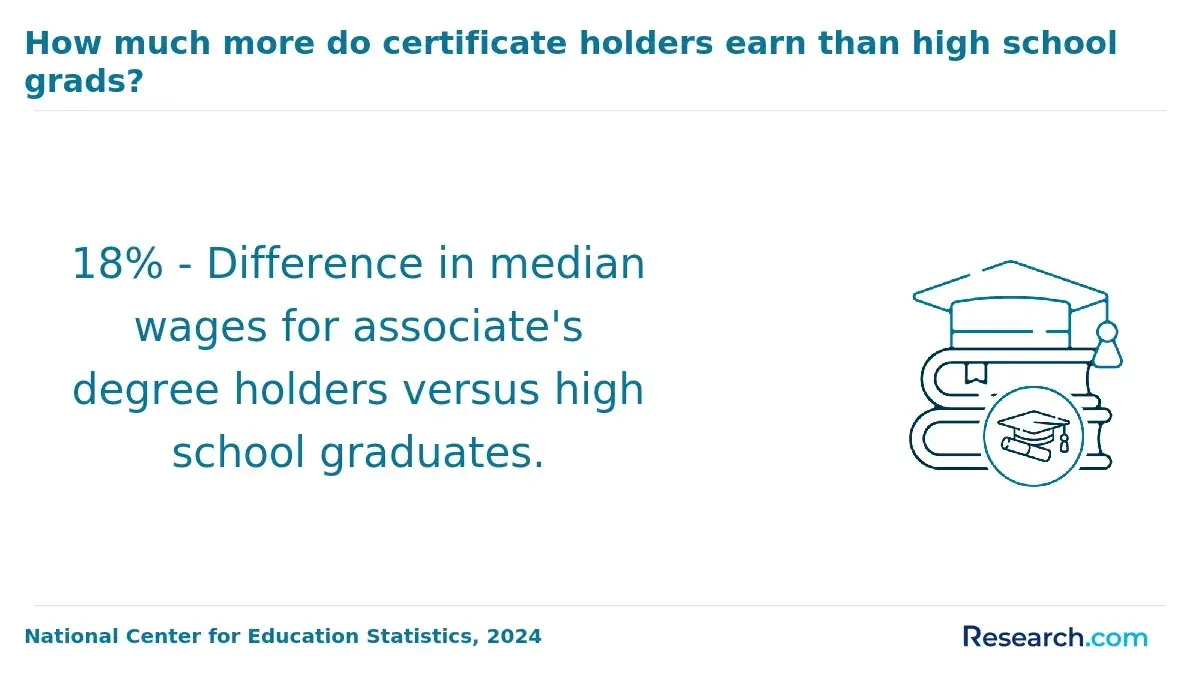
The wage premium evident in labor statistics-median earnings of $63,000 for healthcare-related graduates versus $48,000 for high school diploma holders-suggests these admissions hurdles align with market value. However, prospective community health students should weigh program flexibility, such as online or part-time options, against personal circumstances and employer expectations to optimize outcomes and minimize disruption.
How long does an online community health degree take?
Time-to-completion for an online community health degree varies widely, fundamentally shaped by credential level, program design, and student circumstances. Associate degrees typically require about 2 years and often serve as entry points for support roles. Bachelor's degrees extend toward 4 years of full-time study but may be shortened through transfer credits or intensive coursework. Working professionals frequently opt for part-time enrollment, stretching completion times to accommodate employment demands that coincide with critical workforce shortages.
Accelerated bachelor's tracks, targeting individuals with relevant college credits or healthcare backgrounds, compress timelines to roughly 18-24 months. While appealing for those needing rapid career shifts, these condensed schedules impose heavy time management burdens and potential burnout, factors employers consider when evaluating readiness for leadership or sustained community engagement roles.
Program length carries practical implications beyond time investment:
- Financial costs accumulate with prolonged enrollment or extended part-time study.
- Opportunity costs grow as students delay entry or advancement in a labor market marked by nearly 100 million U.S. residents living in health professional shortage areas.
- Employers often prioritize candidates combining formal education with hands-on experience gained through internships or practicums, which can lengthen completion but enhance employability.
Prospective students must weigh enrollment intensity, availability of accelerated paths, credit transfer policies, and experiential learning requirements. These decisions directly influence how swiftly and effectively one can transition into or advance within community health roles amid ongoing personnel gaps.
How much do online community health degrees cost?
Online community health degrees present a financial calculus shaped by institutional type, residency, and program level. Public universities typically offer bachelor's tuition near $18,000 for in-state students, significantly less than private institutions where costs approach $35,000-$40,000. Graduate programs add specialization costs that can push prices from $20,000 to over $50,000, increasing the educational investment required for advanced roles.
Working professionals pivoting careers benefit from online, modular structures allowing part-time study, but must account for additional mandatory fees-technology, textbooks, and exam proctoring-that can increase total expenses by 5-10% annually. Early financial aid application is critical since employer tuition assistance and federal loans vary widely in accessibility.
Choosing between public and private online community health degrees often involves weighing lower upfront costs against networks that may influence long-term employment opportunities. For example, a community health worker moving into management might accept higher initial debt for a potentially stronger alumni base, directly affecting career trajectory and earning potential.
Prospective students should demand transparent total cost projections, clear credit transfer policies, and realistic budgeting for local practicum or certification travel. In this field, the financial commitment must align with sector-specific salary benchmarks and workforce demand to justify the ROI.
What jobs can you get with a community health degree?
Choosing a community health degree steers candidates into roles that require navigating complex social ecosystems where direct client interaction and systemic challenges coincide. For example, case managers must adeptly connect clients to fragmented resources while managing advocacy and care coordination demands. The U.S. Bureau of Labor Statistics projects social worker employment growth at 9% through 2031-with approximately 74,700 openings annually-reflecting a sustained need for integrated behavioral and community health services.
Positions typically span nonprofit outreach, government agencies, and healthcare providers, requiring familiarity with social determinants of health and cultural competence. Employers prioritize applicants with demonstrable experience in diverse community environments, alongside certification or licensure such as Licensed Social Worker credentials, which vary by state and role. Communication skills and conflict resolution are prerequisites for client-facing roles, whereas administrative jobs emphasize grant writing and program evaluation capabilities.
The decision between associate or bachelor's entry roles versus graduate-level study heavily impacts career trajectory. Advanced degrees often enable leadership or policy-focused work but demand greater time and financial investment. Prospective students should consider geographic market demand and existing networks to optimize employment prospects in under-resourced communities.
What salary and job outlook can community health graduates expect?
Community health graduates face a complex salary landscape shaped by degree level, employer type, and geography. Starting salaries for 2026 graduates typically range from $50,000 to $75,000, with advanced degrees such as a Doctor of Nursing Practice (DNP) unlocking leadership roles that can exceed $90,000. Public agencies and nonprofits often offer entry-level roles near $48,000 to $55,000 with limited wage growth, while healthcare systems and corporate wellness sectors frequently start higher-sometimes crossing $80,000-for those holding master's or doctoral credentials.
The employment outlook is promising, with the U.S. Bureau of Labor Statistics projecting 13% growth in community health-related occupations from 2022 to 2032. However, graduates must weigh tradeoffs: rural settings typically feature lower pay but greater job security and less competition, whereas urban centers provide better wage escalation at the cost of intensified competition.
Over 70% of DNP graduates move into supervisory or systems-level roles, highlighting the value of advanced credentials for accessing policy and program management positions with significantly increased earning potential. Graduates aiming to boost retention and salary negotiation leverage should prioritize programs offering practical internships and partnerships with public health departments, as employers increasingly emphasize demonstrated program impact and navigation of regulatory complexities.
Other Things You Should Know About Community Health
Online community health degrees vary significantly in structure and pacing. Some programs require synchronous participation and regular team projects, which demand fixed schedules that may limit flexibility for working students. When prioritizing career alignment, choose programs offering asynchronous coursework and clear deadlines to balance study with professional responsibilities without extending your time to degree.
Programs tend to emphasize either policy analysis or direct community engagement. Focusing on policy prepares students for advocacy and administrative roles but may distance them from grassroots work. Conversely, implementation-focused curricula provide applied skills for frontline service but can limit opportunities in leadership or policymaking. Align your choice with your desired employer type and career progression.
Program reputation affects initial hiring opportunities and networking but has diminishing influence as you gain field experience. Candidates from lesser-known schools can compensate by obtaining relevant certifications and building strong local connections. Prioritize programs with strong employer partnerships and alumni networks in your target region rather than relying solely on prestigious branding.
References
- Careers https://www.publichealthdegrees.org/careers/
- Community College vs Online Degrees: A Comparison https://www.sophia.org/blog/higher-education/community-college-vs-online-degree/
- Bachelor's degrees in public health | edX https://www.edx.org/bachelors/bachelors-in-public-health-online
- Community Health Worker Institute https://www.tarrantcountytx.gov/en/public-health/public-health-administration/community-health-worker-institute.html
- Top 25 Online MPH Community Health Degree Programs - MPH Online https://www.mphonline.org/best-online-mph-community-health/
- What Can You Do With a Community Health Degree | CUNE https://www.cune.edu/news/what-can-you-do-with-community-health-degree
- Online Public Health Degrees: Find Your Program https://www.degreesforgood.org/online-degrees/public-health-programs/
- Online Health & Human Services Degree https://www.marian.edu/academics/programs/bachelors/online/health-human-services.php
- Faculty of Graduate and Postdoctoral Studies | University of Manitoba - Community Health Sciences (MPH) https://umanitoba.ca/graduate-studies/admissions/programs-of-study/community-health-sciences-mph
- Health and Human Services: Campus & Online Degrees and Careers https://www.publichealthonline.org/human-services/online-degree-programs/