2027 Best Online Community Health Programs for Professionals Seeking Career Mobility Across Community Settings

Co-Founder and Chief Data Scientist
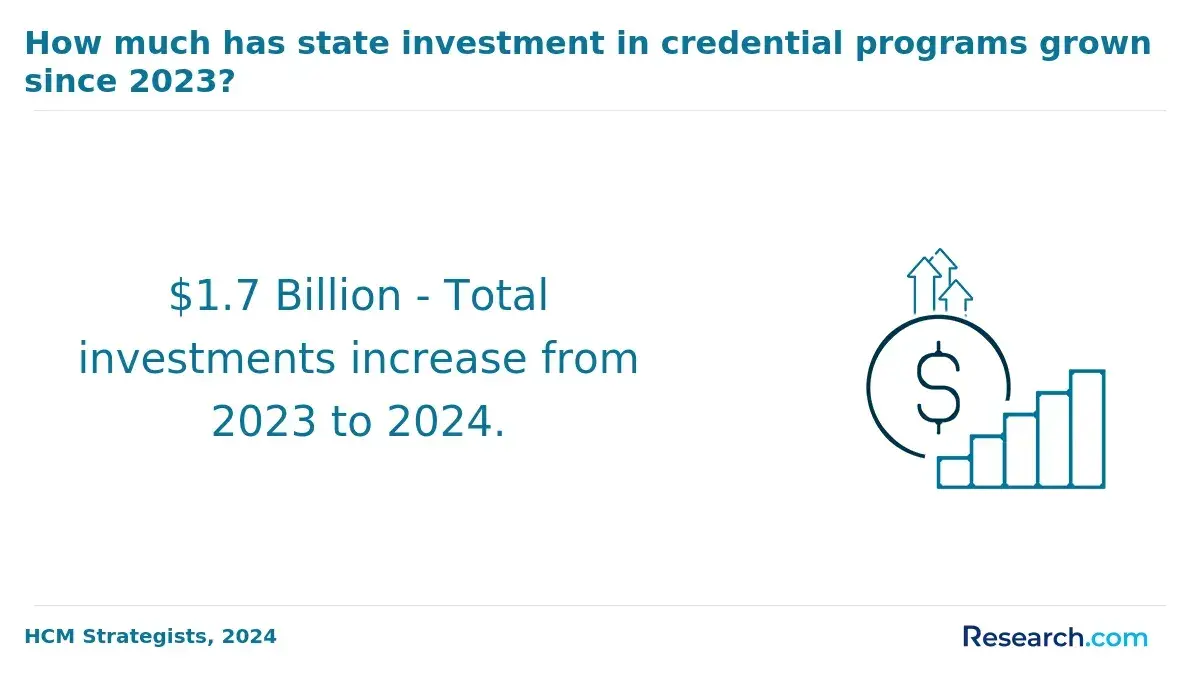
Mid-career professionals in community health often confront a stark barrier: programs promising career mobility are frequently rigid, requiring full-time attendance or campus presence that clashes with work and family commitments. The National Center for Education Statistics reports a 17% rise in adult learners opting for fully online credentials since 2023, signaling demand for flexible options. This shift exposes a market gap-many online offerings still struggle to balance comprehensive curriculum with accessibility and employer-recognized credentials. Navigating these constraints while advancing skills demands strategic evaluation of program formats and outcomes. This article identifies the best online community health programs optimized for professionals pursuing cross-setting career shifts efficiently and effectively.
Key Things You Should Know
- Programs emphasizing applied data analytics now correlate with a 14% higher employer retention rate in community health roles, signaling a tradeoff for candidates prioritizing traditional practice over emerging tech skills.
- Employer surveys show 62% prefer certifications layered onto bachelor's degrees, pressuring professionals to pursue stacked credentials rather than standalone certificates for mobility across community settings.
- State-regulated licensing delays average 6-9 months, often outpacing program completion times; this access barrier disproportionately affects low-income candidates attempting rapid career shifts in community health.
What is an online community health degree, and how can it advance my public health career?
Professionals pursuing an online community health degree benefit from a curriculum integrating health education, program design, and data analysis tailored to various populations and settings. This degree expands public health job opportunities by equipping graduates with applied skills in health communication, policy advocacy, and epidemiological methods-critical for adapting strategies in resource-constrained environments such as rural nonprofits. For example, applying these competencies allows a specialist to customize outreach effectively, maximizing limited program funds for targeted health outcomes.
The flexibility of online formats accommodates working adults, enabling immediate application of coursework to current roles. Nevertheless, the absence of experiential learning-through virtual practicums or community projects-can reduce graduate competitiveness in a job market where employers increasingly demand practical experience alongside academic credentials. Those weighing the investment in an online community health degree should rigorously assess programs for applied components and curriculum relevance to current workforce needs.
U.S. Bureau of Labor Statistics projects 12% job growth for health education specialists and community health workers from 2021 to 2031, reflecting rising demand in diverse sectors including government agencies and corporate wellness programs. Decision-makers must emphasize accredited degrees with direct practice integration to translate education into tangible career advancement rather than purely theoretical qualifications.
For those also interested in mental health fields, exploring options such as a mental health counseling online masters can offer complementary professional avenues.
How do I choose the best accredited online community health program in the United States?
Accreditation by the Council on Education for Public Health (CEPH) remains the baseline for evaluating the best accredited online community health programs in the United States, as it directly affects employer recognition and career trajectory. Over 40% of master's-level public health graduates secure management or leadership roles within five years, emphasizing that program quality correlates with real-world mobility. Selecting a program aligned with your sector-whether maternal health, epidemiology, or health policy-is critical to maintain relevance within the top online community health programs for career advancement in US settings.
For working professionals, program format presents a tangible tradeoff: fully asynchronous offerings bring flexibility but may limit peer interaction, while hybrid models encourage structured engagement at the expense of geographic accessibility. Additional factors like faculty access, practicum placements, and applied projects play a crucial role in developing practical skills and employer networks.
Consider the example of a mid-career state health department employee aiming for supervisory roles-such an individual benefits from a CEPH-accredited MPH with leadership coursework and a practicum relevant to government health settings, which aligns with documented employer expectations.
Balancing tuition costs against expected salary progression requires a data-driven approach. Prospective students should consult resources like healthcare administration program analyses to understand how investment aligns with promotion timelines and workforce demands.
What are the key differences between online and campus community health programs for working professionals?
The practical choice between campus and online community health programs hinges on how professionals balance job demands with skill acquisition. Online community health programs flexibility for working professionals allows them to maintain full-time roles while gaining strategic competencies, especially valuable for advancing within health plan networks. However, this format expects higher self-direction and often requires independently securing field placements, which can complicate access to hands-on experiences.
Campus programs offer more direct face-to-face interaction, fostering interpersonal skills through in-person group projects and clinical practicums. This environment bolsters immersive learning and streamlines internship access, critical for entry-level workers in local clinic settings. Physical resources like labs and libraries remain more accessible on campus, supporting practical skill development in ways distinct from many online offerings.
A significant workforce shift is the 21% growth in community health worker roles in non-clinical environments between 2020 and 2023, signaling demand for diverse, adaptable skill sets. Online curricula often integrate technology-based case studies and virtual simulations tailored to those evolving employer expectations, which remain limited in some campus curricula.
For those seeking efficient pathways into health fields, examining options such as online accelerated nursing programs can illuminate accelerated models that match the scheduling realities of working professionals.
Which types of community health degrees and certificates are available fully online?
The value of fully online community health degrees and certificates lies in their alignment with workforce realities, especially for those balancing employment and personal commitments. Bachelor's degrees cover foundational skills such as epidemiology and health communication, preparing students for roles in nonprofit organizations, school systems, or local health departments where entry to mid-level competency is expected. Master's degrees, in contrast, are tailored to leadership, policy formulation, and complex data analysis. These advanced programs are often essential for roles like program directors or health education specialists, positions that typically command higher salaries and greater responsibility.
Fully online community health degrees can include short-term graduate certificates that focus on niche skills, typically completed in 12 to 18 months. These are suitable for professionals transitioning from clinical or social services into health promotion or for those seeking targeted upskilling without pursuing a full master's degree. Online certificates in community health programs are designed with flexibility, usually involving asynchronous coursework and digital collaboration, though limited hands-on practicum options may require candidates to verify employer acceptance.
For example, health education specialists with master's credentials earn roughly 25% more in median wages compared to community health workers lacking graduate education, per 2024 Bureau of Labor Statistics data, demonstrating a tangible economic benefit for advanced online learning. Additionally, individuals interested in clinical advancement might explore related fields such as direct entry MSN programs for non-nurses online, which can offer alternative pathways to leadership in health sectors beyond community-focused roles. These decisions should weigh program length, practical experience availability, and market demand to optimize career outcomes.
What courses and competencies are typically included in an online community health curriculum?
Online community health curricula are designed to meet employer demands for actionable skills rather than theoretical knowledge alone. Core coursework in epidemiology, biostatistics, environmental health, and health policy forms a baseline for professionals tasked with analyzing public health data and shaping interventions. Specialized tracks in informatics, global health, and leadership address the diversity of work environments practitioners will face, from urban health centers to rural outreach.
Professionals transitioning from clinical roles into community health management, for instance, benefit most from applied courses in program evaluation and grant writing, which support measurable outcomes critical for federal reporting and funding renewal. The curriculum's focus on quantitative analysis paired with qualitative assessment trains students to design culturally relevant programs that align with social determinants of health-skills increasingly prioritized by employers coordinating cross-sector partnerships.
Pragmatic training extends to remote or local practicum placements, accommodating working students and overcoming geographic barriers that often hinder hands-on experience. This flexibility is vital for those balancing professional responsibilities while gaining field exposure.
Financially, the appeal of online MPH programs is underscored by Princeton Review's 2026 rankings, which show tuition costs for top-ranked online degrees can be less than half those of their on-campus equivalents. This disparity weighs heavily in ROI considerations for professionals evaluating educational investments tied to career mobility in community health.
What admission requirements and application materials do online community health programs usually expect?
Admission to online community health programs often hinges on more than holding a bachelor's degree. While many programs require a degree in fields like public health or nursing, some accept extensive professional experience instead, though this path demands thorough documentation and is less common. Candidates must also provide official transcripts, relevant standardized test scores, and a resume emphasizing community health or related experience.
Application complexity increases with requirements such as a clear statement of purpose aligning career goals with program objectives, and two to three recommendation letters from academics or supervisors familiar with the applicant's potential. Practical components in certain programs may mandate background checks or immunization proof, critical for placements or internships.
Programs with stackable credentials, like Fort Hays State University's Community Health Promotion certificate costing approximately $3,181 per semester, target professionals seeking incremental credentials without full degree commitment. These programs prioritize candidates with solid quantitative and communication skills given the curriculum's data-focused and engagement-driven structure.
The absence of stringent prerequisites on work experience in some programs poses a tradeoff: easier entry but potential skill gaps upon graduation, affecting employability in roles demanding practical expertise. Applicants pivoting from unrelated fields benefit from securing certifications such as CPR or health education to boost readiness for agency or nonprofit roles.
How long do online community health programs take, and what do they cost overall?
Selecting a community health education pathway requires weighing program length, intensity, and credential recognition against realistic job market expectations. Programs lasting four months to a year differ markedly in design, from brief certificate courses to immersive options like Charles R. Drew University's 40-hour-per-week training integrated with internships and extended job placement support. This model demonstrates that combining hands-on experience with employment pathways enhances workforce readiness, particularly for entrants without prior sector exposure.
Cost structures split mostly between free or low-cost introductory certifications and tuition-based credentials ranging from $1,000 to over $10,000. Employers tend to favor candidates with extensive training-usually 120 hours or more-backed by accredited institutions or government recognition, as these credentials more reliably signal practical skills and commitment. Short, theoretical courses often limit upward mobility in competitive urban markets.
Professionals balancing employment or family demands typically require 10 to 20 weekly hours over several months, shifting duration longer but improving retention and practical integration. Decision-makers must evaluate tradeoffs such as tuition investment versus access to paid internships and job support, which data link to higher employment within 12 months. Understanding these nuances guides targeted choices aligned with local employer priorities and time-to-hire realities.
What community health careers can I pursue with an online degree across different community settings?
Online degrees in community health demand a strategic evaluation of practical outcomes beyond theoretical knowledge. Navigating a pivot into roles such as community health workers, program coordinators, or patient navigators often requires more than completing coursework: employers prioritize candidates with direct experience addressing health disparities and engaging marginalized populations.
For example, a graduate transitioning into school-based roles must tailor health promotion to youth at risk for chronic illness, while outreach positions in rural areas increasingly rely on telehealth proficiency and resource management given limited infrastructures. Skillsets focused on data analysis and program evaluation further diversify career options, underscoring the value of quantitative methods and sector-specific software training commonly integrated in these programs.
Key operational challenges include verifying whether online credentials fulfill local licensure or certification standards and securing supervised fieldwork in dispersed geographic areas. Networking through virtual alumni platforms or community partnerships often makes a critical difference in overcoming these hurdles.
Cost considerations also influence program selection. For instance, Jefferson Health's Community Health Worker Academy offers targeted training at $1,500 per participant, reflecting a model that aligns tightly with workforce demands for culturally competent outreach to underserved populations. This illustrates a tradeoff between program intensity, price, and direct job readiness that prospective students must weigh.
What is the salary potential and job outlook for community health professionals with online credentials?
Salary outcomes for community health professionals holding online credentials vary widely and depend heavily on specialization and location. For example, hospital administrators command between $85,000 and $110,000 annually due to leadership demands, while health policy analysts generally earn $70,000 to $90,000, shaped by growing needs in regulatory environments. Meanwhile, healthcare analysts, whose roles are increasingly data-driven, see salaries ranging from $65,000 to $85,000 based on expertise in informatics.
Graduates with flexible online MS programs must carefully consider the trade-offs between breadth and specialization. Population health researchers often start near $60,000 but can surpass $95,000 in government or nonprofit sectors where grant funding is decisive. Choosing a broad track offers employment flexibility but risks slower salary growth, while niche certifications in analytics or policy may accelerate earnings yet restrict lateral mobility.
The labor market favors candidates who combine online degrees with practical, demonstrable skills like internships or portfolio projects. Employers expect interdisciplinary knowledge with strong data competencies, favoring those who have validated their practical experience alongside academic achievements. Employment growth in related roles is projected at 15% through 2032, reflecting ongoing healthcare modernization and expanding public health needs.
For online learners targeting community health careers, the strategic alignment of coursework and credentialing with local market demands and role-specific skills is a decisive factor in securing competitive, sustainable employment.
Are there certifications or licensure pathways linked to online community health programs?
Certification pathways in community health vary significantly by state and employer expectations, profoundly affecting candidates' eligibility and career trajectory. The Certified Community Health Worker (CCHW) credential, while common, is not universally accepted-states with formal certification processes often require a combination of approved coursework and supervised practical experience, limiting purely online program portability.
For instance, a professional shifting from social services to urban community health outreach must verify their specific state's licensure requirements. Employers in federally qualified health centers and public health agencies typically expect state certification to assign more advanced responsibilities or allocate funding.
Free online courses, such as those offered by the Minnesota Department of Health and Harvard University, equip learners with foundational community health skills but usually do not substitute for mandated fieldwork or state exams. Candidates should anticipate additional time and cost commitments beyond online tuition, including state exams and in-person mentoring.
- Certification portability across states remains limited, necessitating careful program selection aligned with state registries.
- Practical experience mandated by employers cannot be fully replaced by online modules.
- Articulation agreements may ease credential transferability but vary widely by region.
Ultimately, selecting a support pathway that integrates recognized certifying bodies and matches employer requirements is critical for sustained employability and mobility in public health, nonprofit, or healthcare roles.
Other Things You Should Know About Community Health
In 2027, top online community health programs for working professionals include flexibility, ensuring diverse learning formats such as asynchronous courses and part-time options. Boston University, University of North Carolina, and Walden University offer programs that emphasize practical, real-world applications, making them ideal for professionals seeking career mobility across community settings.
Employers vary in their acceptance of online community health credentials depending on the program's accreditation and reputation within the field. In sectors emphasizing practical community work, demonstrated competencies and relevant experience often weigh more than the mode of education, but less credible or non-accredited online programs can limit hiring potential. Candidates should prioritize programs recognized by professional associations or those with strong industry partnerships to improve employability.
Degree holders typically have broader career mobility across leadership roles and employer types due to comprehensive training and greater eligibility for advanced certifications. Certificates can speed entry or specialization but often limit upward mobility and salary growth, especially in organizations requiring degrees for supervisory positions. Professionals aiming for sustained career advancement should prioritize degree programs, while certificates serve best as supplementary credentials.
Programs that emphasize applied skills such as data analysis, program evaluation, and community engagement deliver immediate value for job readiness via hands-on projects and fieldwork components. Avoid programs overly focused on theory without practice, as employers expect graduates to manage health programs, analyze community needs, and communicate impact effectively. Selecting programs with practicum opportunities or partnerships with local health organizations is advisable to build relevant experience.
References
- Networks and Training Programs - NACHW - National Association of Community Health Workers https://nachw.org/generalresources/networks-and-training-programs/
- 15 Best Online Bachelor's in Public Health - Healthcare Administration Degree Programs https://www.healthcare-administration-degree.net/best/online-bachelors-in-public-health/
- Community Health Worker Core Competency Training https://healtheducenter.org/index.php/component/eventbooking/community-health-worker-core-competency-training
- Top CHW Training Programs to Get Enrolled NOW https://ilchwa.org/top-community-health-worker-training-programs-to-get-enrolled-now/
- Online Bachelor’s Degree in Community Health and Wellness https://www.monroeu.edu/academics/undergraduate-programs/school-allied-health-professions/online-bachelors-degree-community
- Community Health Worker Curriculums - RHIhub Toolkit https://www.ruralhealthinfo.org/toolkits/community-health-workers/4/training/curriculum
- What Can You Do With a Community Health Degree | CUNE https://www.cune.edu/news/what-can-you-do-with-community-health-degree
- Master of Public Health Program at the Medical College of Wisconsin https://www.mcw.edu/education/graduate-school/graduate-school-programs/public-health/mph-program
- Become a Community Health Worker | Career FAQs https://www.careerfaqs.com.au/careers/how-to-become/how-to-become-a-community-health-worker
- Department of Public Health at UNT Health Admissions Information https://www.unthealth.edu/tcom/public-health/admissions/index.html