2027 First Community Health Roles for Career Changers Entering Public Health Support Work

Co-Founder and Chief Data Scientist
Mid-career professionals pursuing entry into community health support roles frequently confront rigid program prerequisites that clash with their need for rapid workforce entry. Despite a 36% surge in online enrollment across public health-related fields reported by the National Center for Education Statistics in 2024, many programs still require extensive foundational coursework or full-time attendance, limiting accessibility for career changers balancing jobs and families.
This forces critical decisions about timing, financial investment, and credential relevance amid growing employer demand for immediate, practical skills over abstract theory. As such, this article evaluates current pathways for community health role entrants, clarifying options that align with workforce realities and adult learner constraints.
Key Things You Should Know
- Entry-level community health roles grew 15% nationally since 2023, outpacing related social service jobs, but require balancing certifications costing up to $2,500 with wage growth limited to a median $17 hourly rate per U.S. Labor Department data.
- Employers prioritize candidates with practical experience over degrees; 68% of surveyed agencies in 2024 prefer candidates with 6+ months of fieldwork, creating a barrier for career changers without prior community health exposure.
- Short-duration certificate programs improve accessibility but correlate with a 12% higher job turnover within 18 months, signaling tradeoffs between rapid entry and long-term retention as per recent Harvard Workforce Studies.
What are common entry-level community health roles for career changers without prior healthcare experience?
Securing entry-level roles in community health as a career changer without prior healthcare experience hinges on interpersonal skills and a practical understanding of health systems rather than formal clinical knowledge. Common entry-level community health jobs for career changers typically include community health workers, patient navigators, and outreach coordinators.
For instance, a patient navigator in a metropolitan hospital coordinates appointments and helps clients navigate insurance and social services, requiring organizational aptitude over medical training. These positions emphasize communication, cultural competency, and local resource navigation.
The median annual wage for healthcare support occupations was $37,180 in May 2024, noticeably below the $49,500 median across all occupations, reflecting the sector's lower pay scale but accessible entry points.
Roles usually demand short-term certificate programs or on-the-job training, not extensive degrees, although proficiency in data collection and health system navigation is expected yet often undervalued by candidates. Career changers should anticipate wages below average and weigh these roles as entry steps toward more specialized career paths.
For example, an outreach coordinator in a rural clinic balances client interaction with administrative tasks, necessitating adaptability and time management. Employers prioritize reliability and practical skill over healthcare backgrounds. Those considering longer-term commitments in this field might explore programs such as online clinical mental health counseling programs to broaden qualifications.
Entry-level public health support roles without healthcare experience require strategic training choices to align with workforce realities and employer expectations.
What education or training do you need to move into community health support work?
Entry into community health support roles typically demands a high school diploma plus targeted certification, rather than extended academic degrees. Practical community health support worker training programs often span 6 weeks to 6 months, focusing on outreach techniques, health education, client advocacy, and cultural competency—skills rarely emphasized in broader degree curriculums.
Employers prioritize these programs to expedite workforce readiness amid a projected 17% job growth for health educators and community health workers through 2032.
While associate degrees in public health may improve competitiveness, entry-level hiring frequently favors hands-on experience from internships or volunteer roles over formal degrees. Bachelor's credentials in health sciences unlock advanced positions but are not necessary to begin practitioner-level work.
Geographic and institutional differences also influence education expectations; for example, urban hospitals may specify more formal credentials compared to rural public health agencies, where local rapport and demonstrated outreach skills weigh more heavily.
Prospective students should evaluate the tradeoffs between faster certification routes and longer degree programs that offer deeper theoretical knowledge but delayed employment. These considerations include program duration, cost, and alignment with regional employer preferences.
In this context, exploring healthcare administration courses online can also provide flexible pathways relevant to community health roles requiring administrative competencies.
State-specific certification requirements and continuing education mandates further complicate the landscape, making it vital to verify local credentialing standards before committing to a program centered on community health support worker training programs or the required education for community health support roles.
How do community health jobs for career changers differ from traditional public health roles?
Career changers entering community health roles face a distinct dynamic compared to traditional public health positions, particularly evident in job scope and qualification expectations. Community health career changer job differences hinge on prioritizing direct service and culturally grounded outreach over the advanced epidemiological or policy expertise typical of public health support roles vs. traditional positions.
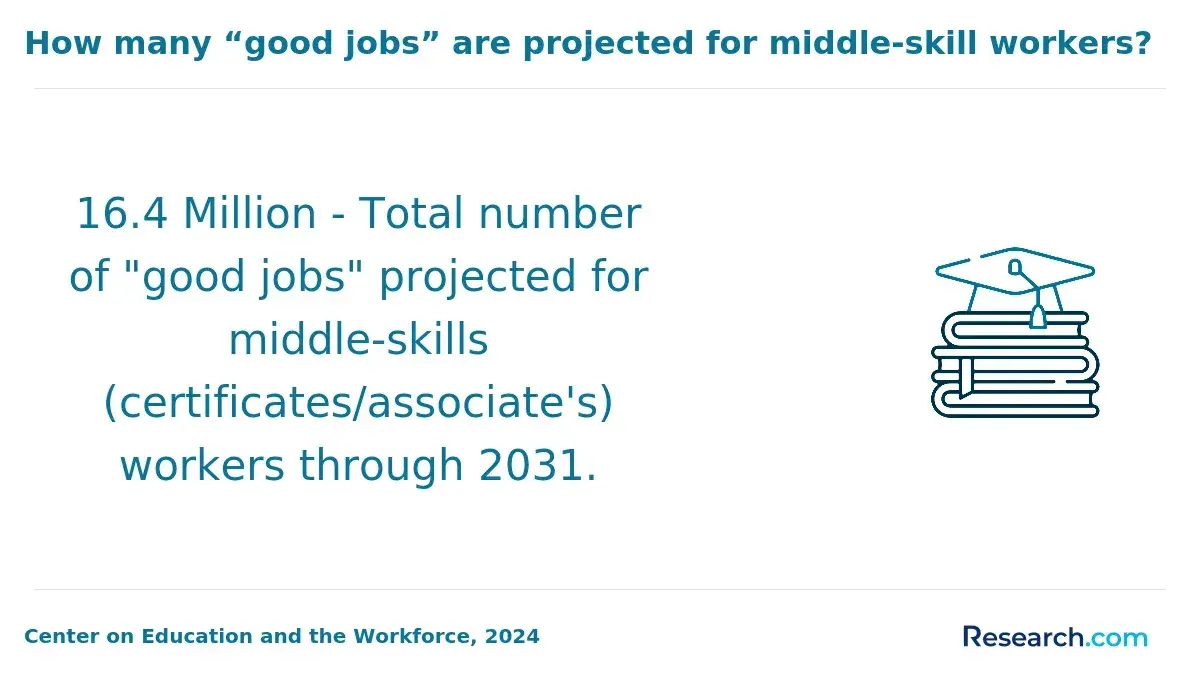
Typically, community health workers start with associate degrees or certificates, enabling faster workforce entry in settings like local clinics or nonprofit agencies focused on social determinants of health. This contrasts with public health roles that often require bachelor's or master's degrees, positioning career changers for quicker, practical employment but with more limited initial salary potential and upward mobility.
Median annual pay for entry-level community health workers ranges from $46,590 to $57,920, with management or specialized public health roles reaching around $95,290. This salary gap foregrounds important tradeoffs: immediate hands-on roles offer accessibility but fewer technical and leadership opportunities without further credentialing.
A former teacher transitioning into a community health worker role illustrates this—communication skills may provide a springboard, but advancement typically requires additional education.
Employers emphasize empathy, cultural competence, and resource navigation for frontline community health jobs more than complex data analysis or report generation. Programs designed for career changers reflect these practical priorities rather than theoretical knowledge.
For those considering advanced degrees, exploring health administration master programs can clarify options for sustainable career growth beyond entry-level community health roles.
Which community health support roles offer the fastest pathways from short-term training to employment?
Community health support roles with shortest training periods typically include community health worker (CHW) assistants and patient navigators, offering employment pathways with certificate programs of 3 to 6 months. These positions prioritize foundational communication, cultural competency, and basic health education over clinical certifications, making them accessible for rapid workforce entry.
For example, in rural clinics funded under the federal $50 billion Rural Health Transformation Program, these roles provide immediate staffing solutions with practical expectations such as familiarity with local health resources and basic electronic health record (EHR) skills.
While rapid-entry positions ensure fast placement, advancing beyond support roles usually necessitates further education and experience. This contrasts with health outreach coordinators or case managers, who demand longer training and often a bachelor's degree, delaying entry but enabling broader responsibilities.
Adults considering a pivot into health careers may find the fastest employment pathways in community health support careers align with stable wages and growth potential through lateral mobility.
Choosing accredited programs featuring practicums with local health systems is crucial to meet diverse state CHW certification requirements and improve hiring prospects. Candidates can explore options including online direct entry MSN programs to scale their qualifications beyond entry-level roles.
What degrees, certificates, or bootcamps best prepare adults for community health support jobs?
Successfully entering community health support roles increasingly requires blending foundational public health knowledge with practical data skills. A bachelor's degree in public health or social work continues to serve as a critical credential, offering a comprehensive understanding of health systems, epidemiology, and outreach strategy. Yet, employers now expect candidates to manage digital health data competently, reflecting a shift toward data-driven program evaluation and population health management.
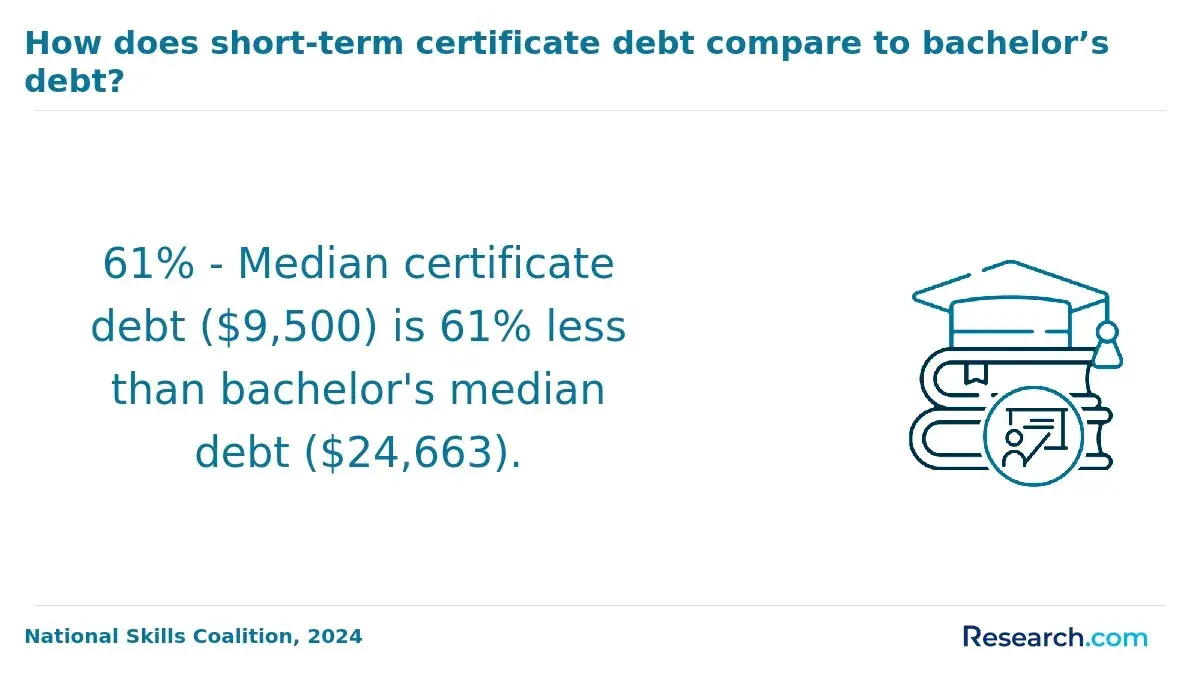
Certificate programs targeting community health workers provide accessible entry points for career changers, often integrating essential training on electronic health records and data accuracy within 6-12 months. These shorter credentials appeal to working adults seeking flexibility but typically lack the depth of theoretical grounding found in degree programs.
Bootcamps focusing on health informatics and data analytics address urgent workforce needs for skills in Excel, SQL, and statistical software. According to the World Economic Forum 2025 Jobs Report, proficiency in these tools enhances employability as big data and analytics roles expand.
Consider a community outreach coordinator at a local health department: without quantitative skills, progression is limited, while candidates who combine public health expertise with data competencies demonstrate greater adaptability and job security.
Tradeoffs are clear:
- Bachelor's degrees demand longer time and higher costs but provide a robust theoretical foundation.
- Certificates and bootcamps offer speed and flexibility but risk underpreparing for complex, data-driven responsibilities.
Employers value professionals who communicate cross-culturally and manage digital health data, making combined or hybrid training models a strategic consideration for students weighing their career priorities.
How do online community health programs compare with campus options for flexibility and quality?
Choosing between online and campus-based community health programs requires weighing flexibility against practical training and employer expectations. Online programs offer scheduling advantages suited for working adults, but often require students to independently arrange clinical placements, a hurdle for those without healthcare networks. Campus programs typically provide supervised lab work and embedded clinical experiences, which are highly valued by employers, especially in behavioral health roles.
For instance, individuals pursuing substance abuse or mental health counseling must ensure their program includes state-mandated supervised clinical hours to meet certification standards.
Campus-based options often streamline these field experiences through established healthcare partnerships, reducing delays between education and employment. In contrast, online learners face additional steps that can prolong credential completion and entry into the workforce.
Employers in this field prioritize verifiable, hands-on experience coupled with accredited academic credentials. When evaluating online options, prospective students should rigorously assess institutional support for clinical training and transparent outcomes data.
Without this, the convenience of remote learning may translate into extended job searches and limited advancement opportunity in frontline community health positions.
What should career changers look for in accreditation and program quality for community health training?
Choosing a community health training program without proper accreditation, such as from the Council on Education for Public Health (CEPH), creates significant employability risks. Employers frequently prioritize verified competencies over academic credentials alone.
For example, graduates from non-CEPH-accredited programs may lack critical knowledge in regulatory compliance, limiting their eligibility for roles in occupational health and safety—fields projected to grow 8-9% between 2022 and 2032, according to the University of Michigan School of Public Health's analysis of BLS data.
Effective programs balance theory with applied skills: hands-on experience in data gathering, community outreach, or workplace safety assessments is essential. Programs focused exclusively on theory fall short of preparing career changers to fulfill employer expectations for immediate productivity, especially in environmental health compliance roles that require familiarity with federal OSHA regulations and incident investigations.
Prospective students face tradeoffs between program length and depth. Accelerated courses may fast-track certification readiness but often miss opportunities for skill application. Longer degree paths provide broader expertise but delay entry into the workforce.
Aligning course selection with targeted certifications—such as Certified Community Health Worker or Occupational Health and Safety Specialist—is crucial to increase hiring prospects. Additionally, verifying continuing education options post-completion is practical for staying current amid evolving public health standards.
What core courses and skills are taught in community health and public health support programs?
Data-driven skills and practical communication define the value of core courses in community health and public health programs. Students not only study epidemiology and biostatistics but also gain applied experience in designing initiatives that address social determinants of health in diverse settings.
For instance, strategizing outreach for underserved urban or rural areas demands both cultural competence and localized health insight, which traditional coursework supports alongside program planning.
Employers emphasize proficiency in regulatory compliance, healthcare policy navigation, and ethical engagement within communities. This often challenges career changers who must balance technical expertise with interpersonal agility to effectively coordinate across agencies and varied stakeholder groups.
Training also targets modern tools such as digital health platforms and telehealth communication, which are increasingly integral as healthcare delivery evolves. The capacity to quantify program outcomes and present data to funders or partners is a practical necessity rather than a peripheral skill.
Critical skills acquired include:
- Analysis of public health data for actionable interventions
- Project management and grant writing for securing resources
- Use of health information systems
Reflecting labor market outcomes reported by Salary.com and Saint Mary's University of Minnesota, global program managers in health earn an average of $142,866, with entry-level salaries near $138,817, which indicates the financial potential when technical and communication competencies converge in career paths shaped by these programs.
What are typical salaries, benefits, and advancement opportunities in community health support careers?
Entry-level salaries for community health support roles typically range from $35,000 to $48,000 annually but vary notably based on employer type and location. For instance, employees at large urban health departments often receive more comprehensive benefits compared to those at smaller clinics or nonprofits, which may provide limited or no retirement options.
This forces prospective workers to prioritize either short-term employment access with modest benefits or target organizations offering stronger packages but possibly requiring more experience or credentials.
Advancement within community health generally hinges on accumulating relevant certifications, bilingual skills, and consistent performance in engagement and program delivery. Those starting with certificate programs or short-term training can expect to progress to roles like case managers or outreach coordinators within three to five years, potentially increasing salaries into the $50,000-$65,000 range.
Employers typically expect a proven track record before considering promotions, so ongoing education aligned with local workforce needs is a practical investment.
The sector projects about 1.9 million annual job openings through 2034, reflecting demand for nondegree entrants and career changers. However, competition intensifies for higher-level roles that often require formal degrees or substantial field experience.
Practical decision-making around upskilling timing is essential; rapid entry with limited benefits may lead to longer-term gains if followed by strategic credential acquisition.
What is the job outlook for community health workers and related public health support roles?
Employment growth for community health workers varies by region, but roles involving advanced analysis, such as epidemiologists, are expanding significantly-projected to increase by 27% through 2032 according to EnvironmentalScience.org summarizing BLS data.
This reinforces the importance of supplementary skills beyond frontline outreach, particularly quantitative expertise and data interpretation. Transitioning into specialist roles generally requires targeted certifications or education rather than broad academic credentials alone.
For example, a community health worker with urban field experience who acquires epidemiological training is more competitive for positions in health departments or federal agencies managing population health. Employers prioritize candidates blending direct community engagement with capabilities like data analysis and health policy interpretation, creating a skill set that aligns with evolving workforce demands.
Upskilling involves practical considerations: the cost, time commitment, and relevance of additional training can affect a candidate's pace and success in moving beyond entry-level roles. Those relying solely on outreach skills risk limited job security and slower wage growth compared to peers who diversify their qualifications. Planning a career pivot demands clarity on these tradeoffs to avoid stagnation and position oneself strategically in a shifting labor market.
Other Things You Should Know About Community Health
Entry-level community health support roles typically involve high levels of direct client interaction, which can be emotionally and physically demanding. Employers expect workers to manage multiple caseloads efficiently, often balancing outreach, education, and documentation tasks under tight timelines. Career changers should prioritize programs with practical fieldwork components that simulate real workload pressures to better prepare for these demands.
Specialized training equips career changers with targeted skills for niche populations or health issues, improving employability in focused roles but limiting flexibility across the broader sector. Generalist programs expand employment options and adaptability but may provide less depth, making it harder to secure positions that require specific expertise. Career changers should decide based on local job market needs and their long-term goal of depth versus breadth in community health practice.
In 2027, employer expectations greatly influence community health training by prioritizing adaptable skills and practical experience. Programs are designed with input from industry leaders, focusing on real-world applications and often incorporating experiential learning opportunities to align with employer needs.
While certification verifies foundational knowledge and can open doors, employers place significant weight on documented experience working with communities and health systems. Career changers should pursue certification programs that offer practical internships or volunteer placements to build experience simultaneously. Prioritizing combined certification and field exposure accelerates employability and provides competitive advantage over candidates lacking hands-on practice.
References
- Community Health Worker Institute https://www.tarrantcountytx.gov/en/public-health/public-health-administration/community-health-worker-institute.html
- Community Health Worker https://www.cnm.edu/programs/programs-a-z/community-health-worker
- What careers are there in public health? https://www.rsph.org.uk/qualifications-training/career-development/what-careers-are-there-in-public-health/
- Training for Health Care Jobs in California: Opportunities for Workers without a Four-Year Degree - Public Policy Institute of California https://www.ppic.org/publication/training-for-health-care-jobs-in-california-opportunities-for-workers-without-a-four-year-degree/
- Are Online Courses Better Than Community College? https://www.straighterline.com/blog/online-courses-better-than-community-colleges
- Global curriculum guide for community health workers https://publichealthupdate.com/global-curriculum-guide-for-community-health-workers/
- MyJobProfile - Community Health Workers https://www.ilmia.gov.my/bda-myjobprofile/job/3253/community-health-workers
- Community Health Worker https://caringgene.org/pathways/community-health-worker/
- Community Health Career - Public Health https://www.publichealthonline.org/community-health-career/