2027 Online Community Health Degrees for Leadership Paths in Community Health

Co-Founder and Chief Data Scientist
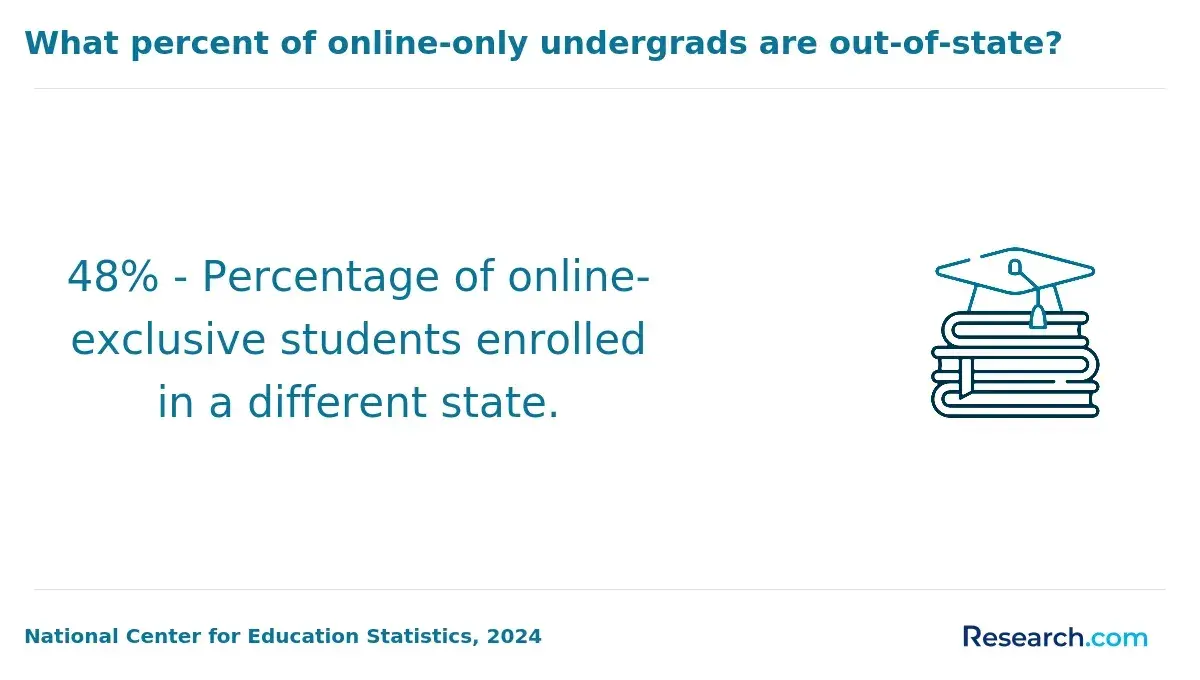
Many mid-career professionals aiming for leadership roles in community health confront a critical bottleneck: how to gain advanced qualifications without interrupting employment or uprooting their lives. This challenge is compounded by the 21% surge in online higher education enrollment reported by the National Center for Education Statistics in 2024, signaling a broader shift toward flexible, remote learning models tailored for adult learners. Yet, navigating program quality, accreditation, and applicability to leadership trajectories remains complex. This article analyzes current online degree options specifically designed for emerging leaders in community health, delivering actionable insights to help prospective students strategically select programs that balance accessibility, rigor, and career impact.
Key Things You Should Know
- Recent Bureau of Labor Statistics data shows community health leadership roles grow 12% faster than average jobs, yet only 40% of online degree graduates meet specialized epidemiology competencies employers demand, creating a credential-performance gap.
- Employers increasingly value certifications in health informatics alongside degrees; graduates lacking such credentials face a 15% lower hire rate, pressuring students to weigh extra credentialing costs versus direct degree focus.
- Median online program costs jumped 8% in 2025 per NCES, extending payback periods beyond five years for part-time learners balancing ongoing community health work, impacting feasibility for mid-career candidates pivoting sectors.
What is an online community health degree and how does it prepare leaders in community health?
Online community health degree programs for leadership cultivate practical skills essential for managing public health initiatives that address complex population needs. Rather than focusing solely on theory, these programs emphasize applied leadership in data-driven policy execution, health education, and interagency collaboration. Graduates often navigate regulatory environments and social determinants, preparing them to influence both vulnerable populations and systemic health disparities.
For instance, a graduate working in urban underserved areas may apply epidemiological and behavioral health expertise to tailor outreach efforts, while a rural health leader might prioritize telehealth solutions and resource coordination. Such distinctions illustrate how how an online community health degree prepares future leaders by adapting core competencies to specific community contexts and operational challenges.
The U.S. Bureau of Labor Statistics projects about 313,700 new openings annually in community and social service roles, with a median salary near $57,530, indicating steady demand for professionals with leadership capabilities. However, practical field experience through internships or practicum remains a non-negotiable requirement, reflecting employer expectations that candidates possess both theoretical knowledge and documented applied leadership.
Students weighing these programs should carefully consider the balance between online coursework and local experiential learning, as well as the availability of support for field placements. Those investigating cost options may explore resources such as health information management degree online programs, which sometimes overlap in relevant skill areas.
Which types of online community health degrees best support leadership and advancement?
Master's degrees in public health, health administration, and community health leadership distinctly impact leadership trajectories and earning potential. Evidence from Kent State University shows holders of these degrees earn approximately 21% more than those with only bachelor's qualifications, reflecting their strategic value in supervisory roles. Online community health degree programs for leadership are particularly relevant for professionals aiming to influence policy, manage diverse populations, or lead complex public health initiatives within government agencies, nonprofits, or healthcare systems.
An MPH with a dedicated community health leadership track typically integrates coursework aimed at navigating public-sector partnerships-a key competency for local health departments and NGOs. Alternatively, health administration degrees emphasize budget management and operations, aligning with executive roles in hospital systems or large nonprofits. Selecting between these paths depends heavily on the intended employer sector and career focus, as generalist MPH programs may not provide the specialized skills some leadership roles demand.
Pragmatically, online formats with asynchronous classes enable working professionals to balance ongoing employment, though limited in-person networking requires active engagement in virtual cohorts or associations. They also serve students in rural or underserved areas better when practicum or field placements are supported locally. For those pursuing advanced credentials, options like a PhD in healthcare management represent a clear next step for deepening expertise and expanding leadership scope within community health.
Professionals must weigh the trade-offs between broader MPH degrees versus niche master's focused on leadership or administration, assessing how each program's practical training, accreditation, and networking opportunities fit specific career targets. Such decisions directly influence readiness for senior roles and long-term income growth, given the limited management opportunities for bachelor's degree holders.
How do accredited online community health programs compare with on-campus options for quality?
Online community health degrees from regionally accredited institutions with CEPH or similar accreditation deliver educational quality comparable to on-campus programs, meeting rigorous programmatic standards and demonstrating equivalent graduate outcomes. Employers increasingly recognize these credentials, focusing on validated competencies rather than physical attendance, which positions online options as legitimate pathways for workforce-relevant skill development.
The differences between online and on-campus community health programs often hinge on experiential learning tradeoffs. On-campus study typically facilitates stronger networking, immersive hands-on field placements, and direct engagement with interdisciplinary research-critical for students targeting leadership roles in government or large nonprofit organizations. Conversely, online formats offer flexible scheduling and virtual simulations allowing working professionals to apply knowledge in real time without interrupting their careers.
Graduates holding master's degrees in community health generally command high salaries, often exceeding $120,000 in senior roles, reflecting employers' prioritization of advanced competencies. Individuals weighing online versus on-campus options should consider practical factors: availability of local practicum sites, time constraints, and the value placed on in-person collaboration versus flexibility. For many, accredited online pathways align closely with workforce demands without sacrificing rigor.
For those exploring varied educational routes within healthcare, the easiest RN to BSN program offers an example of how online credentials can streamline professional advancement without long-term campus residency.
What accreditation and institutional quality standards should online community health programs meet?
Regional institutional accreditation recognized by the U.S. Department of Education or the Council for Higher Education Accreditation is a non-negotiable baseline for online community health leadership programs. This accreditation assures employers of rigorous standards in faculty qualifications, curriculum rigor, and student support-factors employers weigh heavily given their direct correlation with workforce readiness. Candidates from programs lacking such credentials often face diminished employability, especially for leadership roles requiring state certification or federal agency approval.
Programmatic accreditation by specialized bodies like CEPH or recognition from NCHEC further distinguishes programs that deliver targeted competencies essential to advanced community health positions. Graduates trained in these accredited environments reported median annual wages around $62,860, with the highest earners surpassing $107,920, illustrating that adherence to accreditation standards ties directly to economic outcomes.
Students evaluating regional institutional quality criteria for community health degrees online should scrutinize curricula for applied practicum components, as theory-only programs usually lack competitive edge, particularly for governmental or major nonprofit roles. By contrast, smaller community organizations might accept less formal accreditation but offer limited career mobility. Prospective learners also must explore program specifics like program planning, evaluation, and advocacy skills integration.
For those weighing educational options in related health fields, exploring direct entry MSN programs online might provide alternative pathways with comparable workforce value in certain contexts.
Ultimately, combining regional and program-specific accreditation represents a strategic decision impacting long-term employability and leadership trajectory in community health.
What courses and concentrations are typical in an online community health leadership curriculum?
Leadership curricula in community health prioritize actionable skills over theoretical breadth, reflecting employers' demand for proficiency in program management and data-informed decisions. Core courses such as Epidemiology, Health Policy and Management, Biostatistics, and Behavioral Science instill critical analytical capabilities necessary for navigating funding complexities and outcome accountability.
Concentrations align with labor market gaps; for instance, Health Informatics prepares students to manage electronic health records-a growing administrative necessity-while Maternal and Child Health targets interventions for vulnerable populations in community-based settings. Choosing a focus involves weighing immediate employability against long-term sector impact.
Applied coursework like Program Planning, Grant Writing, and Leadership Ethics directly enhances a graduate's ability to secure funding and execute effective initiatives. Given the U.S. Bureau of Labor Statistics projects an 11% growth for community health workers through 2034 with about 7,800 annual openings, programs integrating real-world projects-such as orchestrating vaccination campaigns-better position students for supervisory roles.
Employers expect candidates to demonstrate measurable problem-solving in authentic contexts before advancing to director-level roles. Leadership readiness often hinges on capstone projects that simulate managing partnerships and community outreach, bridging academic preparation with workforce demands and improving competitive prospects in the public health labor market.
What are the usual admission requirements for online community health bachelor's and master's programs?
Selection for online community health bachelor's and master's programs weighs academic preparation alongside applicable professional experience, as graduate success hinges on both. Undergraduates must typically present a high school diploma (or equivalent) plus transcripts verifying foundational courses in biology, statistics, or social sciences, though standardized testing requirements are increasingly optional. Programs often request personal statements and recommendations targeting leadership ambitions within the community health sector.
At the master's level, admissions expect a bachelor's degree, usually with a health or social sciences background, paired with 2-3 years of relevant work experience. This experience is not merely bureaucratic; it informs critical comprehension of population health challenges and enhances peer learning and networking. While some schools request GRE scores, many waive them to prioritize demonstrated real-world qualifications.
Graduates aiming for medical and health services management roles face a labor market projected to grow 23% over the next decade, with median salaries near $118,000, according to Benedictine University citing BLS data. This market reality demands programs filter for candidates who can handle complex management responsibilities involving measurable community impact.
Applicants must manage timelines strictly-early transcript submissions, proof of professional work, and essays aligned with community health leadership issues are mandatory. Deciding between programs with strict prerequisites versus those with broader admission criteria but added foundational coursework often reflects a tradeoff between accelerated entry and academic readiness to avoid attrition.
How long do online community health degrees take and what do they typically cost?
Degree duration in online community health programs hinges heavily on transfer credits and part-time pacing, directly impacting return on educational investment. Full-time bachelor's students generally anticipate four years for 120 credits, but those transferring up to 90 credits may abridge remaining study to roughly one year, assuming course availability aligns. This drastically reduces both time and tuition expenses, notably lowering opportunity costs for working adults.
Cost implications are substantial. For example, Southern New Hampshire University's online community health bachelor's charges $42,480 in total tuition, while transfer students with 90 credits pay just $10,620 for the residual coursework. Such savings underscore transfer credit evaluation as a critical step; dismissing this can mean committing to unnecessarily long and expensive pathways. Moreover, employer tuition assistance or veteran benefits can further alleviate financial burdens, but eligibility criteria and timing must be analyzed carefully.
Program format choices-fully online versus hybrid-introduce tradeoffs between flexibility and engagement. Accelerated tracks or stackable certificates often align better with workforce demands by preserving income streams and shortening timeframes. Employers generally value degrees completed within reasonable timelines; excessively prolonged programs risk diminishing competitive standing. Prospective students should balance transfer credit policies, course loads, and tuition structures against their career timeline and labor market expectations.
What community health leadership careers can graduates pursue with an online degree?
Leadership roles in community health demand more than academic credentials; they require strategic operational skills adaptable to complex environments. For example, a health services manager navigating hospital resource allocation must balance regulatory compliance, interdisciplinary team management, and outcome optimization simultaneously-a task which online degrees prepare students for through focused coursework on organizational behavior, health informatics, and governance frameworks.
Income potential in community health administration varies significantly by specialization and organizational sector. Data from PublicHealthDegrees.org, referencing 2024 BLS statistics, shows the top 10% of health administrators earned over $219,080, typically reflecting senior leadership in hospitals, government agencies, or sizable nonprofits. These positions prioritize demonstrated management experience alongside academic qualifications to ensure effective policy execution and operational leadership.
Real-world challenges include managing diverse stakeholder interests and responding to shifting public health priorities. Core competencies such as data-driven decision-making and cross-sector collaboration become vital. Policy-focused roles often demand adept communication capabilities and a nuanced understanding of health equity, especially when engaging legislative or advocacy groups. Prospective students should weigh whether the flexibility of an online degree aligns with their need to gain relevant experience without relocating or interrupting current work commitments.
What are the salary ranges and job outlook for community health leaders and managers?
Salary ranges for community health leaders and managers in the U.S. typically extend from about $65,000 for entry-level roles to over $110,000 for senior management, with location and sector influencing compensation. This wage spectrum reflects the demand for professionals who combine leadership acumen with practical community health expertise, a demand forecasted to grow by 11% through 2032 according to Bureau of Labor Statistics data.
The escalating complexity of healthcare delivery models and the growing focus on population health management necessitate skills in strategic planning, budgeting, and results-oriented program evaluation. For instance, a public health department targeting chronic disease reduction must rely on leaders capable of cross-agency coordination and cost control amid shifting funding landscapes-competencies often developed through specialized online degrees such as a Master of Health Leadership and Management or a Master of Public Health.
Advanced credentials and practical experience strongly affect career progression and salary potential in this space. Tuition affordability is a critical consideration since education cost directly impacts the return on investment. To illustrate, the 2026 Commonwealth Supported Place fee at UNSW for dual-master health leadership programs is approximately $14,500 compared to nearly $94,000 full fees, a difference surpassing 80%. This substantial funding leverage can significantly reduce financial barriers for professionals pivoting mid-career into leadership roles.
How do certification, licensure, and continuing education work for community health professionals?
Certification, licensure, and continuing education operate as distinct checkpoints that directly influence professional viability within community health careers. Certification confirms proficiency in specific domains such as health education, typically requiring successful exam completion alongside relevant experience, while licensure, often state-mandated for clinical or nursing roles, demands education, exam passage, and supervised practice. Skipping required licensure can lead to employment denial and legal consequences.
Practically, continuing education is not optional but a workforce imperative; for example, medical and health services managers responsible for population health programs must accumulate 20 to 40 hours of continuing education every two to three years depending on their certifying entity. This requirement reflects real employer preferences for professionals whose knowledge aligns with evolving public health challenges.
Those pursuing online degrees should verify state-specific licensure rules early, since pursuing credentials like Certified Health Education Specialist (CHES) or Certified in Public Health (CPH) enhances employability but demands additional time and financial investment beyond degree completion. Lapses in continuing education credits risk credential invalidation and interrupt career momentum.
Employers prioritize candidates who integrate certification, licensure, and ongoing development, associating this alignment with readiness for leadership and adaptability within community health systems. Realistically, professionals must balance immediate employment access against the longer-term advantages of credential maintenance and advanced licensure.
Other Things You Should Know About Community Health
The workload in online community health leadership programs often requires equivalent reading, projects, and participation as on-campus degrees but demands more self-discipline and time management. Without the structure of physical classes, students must proactively schedule study time, handle asynchronous discussions, and navigate virtual collaboration tools. Employers value candidates who demonstrate the ability to balance this autonomy with consistent academic performance, so prospective students should assess their capacity for independent work before committing.
Employers increasingly accept online degrees, particularly from accredited programs, but they often scrutinize the program's rigor and the graduate's experience more closely. Graduates from online formats must often demonstrate practical skills through internships or prior job roles to offset potential employer skepticism about the nontraditional learning environment. Choosing programs with embedded practicum or experiential learning components is advisable to match employer expectations and improve job placement outcomes.
Yes, online community health leadership degrees are designed to be accessible for individuals new to the healthcare field. These programs often include foundational healthcare courses and are structured to accommodate various professional backgrounds, preparing students for leadership roles in community health.
Online programs provide critical flexibility for working professionals but often have limited real-time interaction, impacting networking and relationship-building essential for community health leadership. Students should prioritize programs that offer live sessions, cohort models, or facilitated peer networking to mitigate this gap. The ability to form professional connections during the program affects access to job referrals and collaborative leadership opportunities post-graduation.
References
- Navigating Your Future in Public Health: The Value of Accreditation https://masterspublichealth.com/accredited-school-of-public-health/
- CE Management - Community Health Workers Collaborative of South Dakota https://chwsd.org/ce-management/
- Online Health & Human Services Degree https://www.marian.edu/academics/programs/bachelors/online/health-human-services.php
- Job Outlook and Salaries for Population Health Management | CUNE https://www.cune.edu/news/population-health-jobs
- Master of Public Health with a concentration in Community Health Leadership | University of Phoenix https://www.phoenix.edu/online-healthcare-degrees/public-health-masters-degree.html
- Faculty of Graduate and Postdoctoral Studies | University of Manitoba - Community Health Sciences (MPH) https://umanitoba.ca/graduate-studies/admissions/programs-of-study/community-health-sciences-mph
- Health and Human Services: Campus & Online Degrees and Careers https://www.publichealthonline.org/human-services/online-degree-programs/
- Continuing Education and Professional Development in Public Health https://www.publichealthdegrees.org/resources/continuing-education-and-professional-development/
- Top 25 Online MPH Community Health Degree Programs - MPH Online https://www.mphonline.org/best-online-mph-community-health/
- Public Health - INTERNATIONAL EUROPEAN UNIVERSITY, POLAND | EUROPE | STUDY IN POLAND | STUDY IN EUROPE | MBBS | GENERAL MEDICINE | BUSINESS | ENGINEERING | IT | EUROPE https://ieu.com.pl/european-medical-school-main/public-health/