2027 Best Online Community Health Degrees for Health Education Careers

Co-Founder and Chief Data Scientist
Professionals juggling full-time jobs and family obligations face a critical bottleneck when seeking to advance into health education roles within community health. Traditional campus-based programs rarely accommodate the unpredictable schedules of adult learners, leading to stalled career momentum in a sector demanding timely, flexible skill development. Recent data from the National Center for Education Statistics shows over 45% of online postsecondary students are aged 25 or older, revealing a shift toward nontraditional enrollment that mirrors workforce realities.
This trend signals the essential need for accessible, competency-based online degrees tailored for career mobility. This article evaluates the best online community health degrees designed to resolve these practical challenges, guiding students toward programs that align with both workforce expectations and personal circumstances.
Key Things You Should Know
- Graduates with online community health degrees encounter a 15% credential recognition gap among traditional employers, reported by the National Network of Public Health Institutes, influencing hiring biases and necessitating targeted networking strategies.
- Workforce data from the U.S. Bureau of Labor Statistics shows a 12% projected growth in community health roles through 2032; however, 40% of employers prefer candidates with practicum-based learning, limiting purely theoretical online graduates.
- Analysis of 2024 IPEDS data reveals median online bachelor's completion times extend by 20% versus in-person, increasing cost and delaying workforce entry, crucial for mid-career professionals balancing economic pressures with retraining needs.
What is an online community health degree and how does it prepare you for health education careers?
Choosing an online community health degree requires weighing practical workforce demands against educational delivery modes. For health education professionals, these programs develop skills directly applicable to roles like health educators, program coordinators, and public health advisors by integrating epidemiology, health communication, and behavior change strategies. However, the self-directed nature of online study demands strong discipline and technology proficiency to maintain progress and meet employer expectations.
One significant benefit of online community health degree benefits for health education professionals lies in the ability to apply course content immediately in their current roles. For instance, a healthcare worker pursuing promotion to community outreach coordinator can leverage real-time project engagement without disrupting employment. This flexibility reduces opportunity costs that often deter mid-career learners.
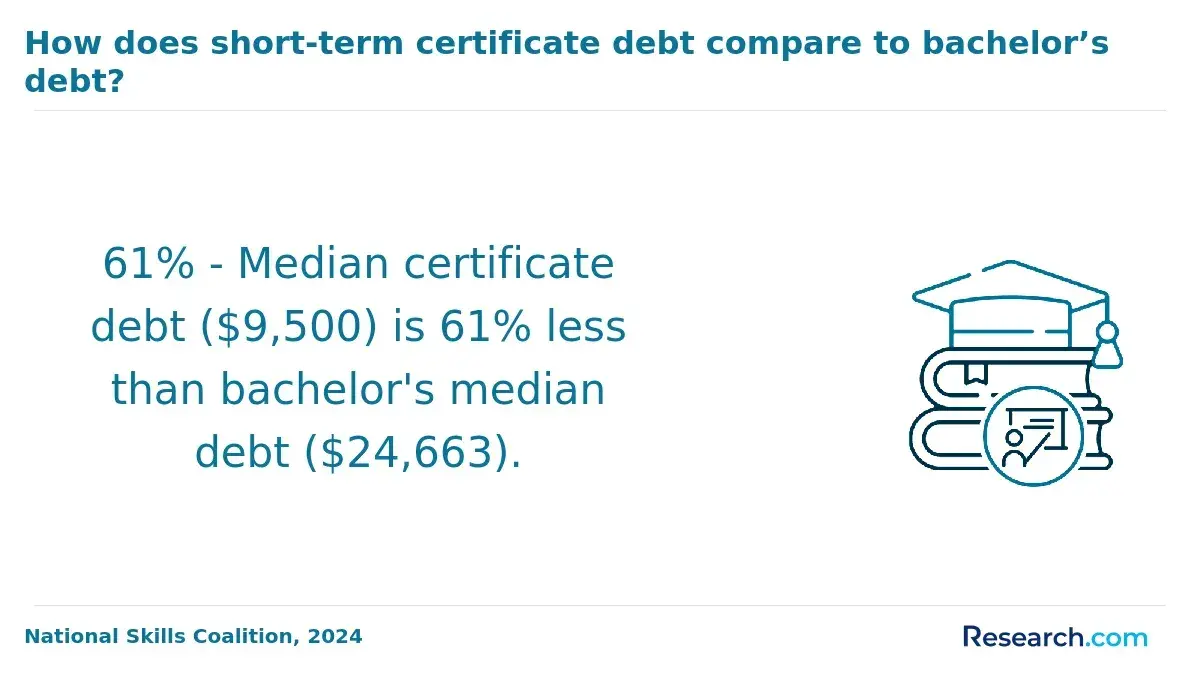
Financially, cost-efficiency is crucial. Online MPH programs, on average, cost about half as much as their on-campus versions-$18,586 versus $36,400 over two years (2019-2020 NCES data). This price difference can be decisive for students balancing debt risk with long-term value in sectors where public health funding is often limited.
Employers increasingly seek candidates who demonstrate measurable health outcomes through community assessments, data analysis, and evidence-based intervention design. Graduates must also master virtual collaboration tools and adapt to remote program structures to succeed. Applicants considering this path may explore specific accreditation options relevant to their goals, such as CAHIIM accredited health information management programs online, which offer targeted career alignment.
Overall, how community health degrees prepare students for health education careers is directly tied to the intersection of practical skill acquisition, online learning realities, employer priorities, and cost considerations.
Which accredited online community health programs offer the best pathways into health education roles?
Programs aiming to support entry into health education roles must move beyond academic rigor to address practical workforce demands. Accredited online community health degrees that best fit this context combine accredited curricula with mandatory practicum or fieldwork, a factor crucial for those pursuing applied expertise rather than just theoretical knowledge. Without verified real-world experience, graduates-especially in remote or rural settings-face barriers in employment and career development.
Employers place heightened value on candidates skilled in data-driven community assessment and culturally competent communication, competencies emphasized in programs accredited by the Council on Education for Public Health (CEPH). These programs also align with eligibility for Certified Health Education Specialist (CHES) certification, which correlates with higher median salaries: $57,530 in community and social service jobs versus $78,240 for management roles according to Bureau of Labor Statistics May 2024 data.
Working professionals evaluating the best accredited online community health degrees for health education careers should also consider program flexibility. Options with asynchronous courses and robust credit transfer policies accommodate career pivots from nursing or social work, aiding faster integration into health education roles. However, challenges in securing supervised virtual placements can delay degree completion and limit vital networking opportunities.
Prospective students may also find value reviewing alumni employment statistics within health education roles, as these vary widely and shape employer perceptions. For those exploring top online community health programs for health education roles, comprehensive comparisons are essential. Resources like healthcare administration degree programs provide insights into accelerated and flexible options worth considering in tandem.
How do online community health degrees compare to campus-based programs for quality and outcomes?
Selecting an online community health degree program quality comparison hinges on the ability of the program to combine rigorous accreditation with authentic field experiences. Employers prioritize credentials from institutions that incorporate supervised practicum components, as these provide graduates with essential skills beyond theoretical knowledge. Graduates from programs lacking in-person requirements may face deficits in hands-on proficiency, which can hinder eligibility for certification or licensure in certain jurisdictions.
The consequences of choosing online over campus-based education often relate to access and immediacy of experiential resources. Campus programs typically grant direct, timely connections to faculty expertise, research facilities, and embedded community partnerships that facilitate earlier skill application and networking opportunities. Conversely, online pathways cater to professionals needing schedule flexibility but demand heightened self-discipline and intentional outreach to cultivate mentorships and peer engagement comparable to on-site cohorts.
From a workforce perspective, the U.S. Bureau of Labor Statistics forecasts a 7% growth in employment for community health workers and health education specialists by 2032, reflecting increased demand in underserved populations. This growth underscores the importance of demonstrated practical ability to engage stakeholders and conduct needs assessments, which can sometimes eclipse the actual delivery mode of the degree in hiring decisions. For those comparing other allied health pathways, exploring the easiest RN to BSN online program options may offer additional insight into balancing education delivery modes with practical career outcomes.
What types of community health degrees support health education careers (associate, bachelor's, master's)?
Deciding between associate, bachelor's, and master's degrees in community health education requires weighing realistic career outcomes against time and financial investment. An associate degree suits those aiming for rapid entry into frontline roles like health educator assistants or outreach coordinators, where communication and practical skills are prioritized over theoretical depth. However, upward mobility from these positions typically demands further education.
Bachelor's degrees form the baseline for professional roles such as public health coordinators and program managers. Employers prioritize these four-year graduates because of their broader knowledge base and critical thinking capabilities. Additionally, bachelor's-level qualifications facilitate eligibility for certifications such as CHES, a common hiring requirement for mid-tier positions. Working adults often explore online community health degree programs for health education careers to balance education with existing commitments.
Master's degrees, particularly the MPH focused on community health, target leadership, policy development, and research-intensive roles. These programs emphasize epidemiology and advanced management, differentiating candidates for government or nonprofit leadership. Notably, fully online MPH programs average $9,293 annually in net price versus $18,208 on-campus, offering a cost-efficient option without sacrificing credentials. Professionals considering strategic career pivots often find online options critical to maintaining income and flexibility.
Choosing an educational pathway means confronting tradeoffs of speed, cost, and employability. Those seeking faster employment might start with an associate degree, but sustainable growth usually requires at least a bachelor's. For those aiming to shape policy or lead complex initiatives, a master's degree remains essential. Candidates can explore options like a 6-month RN to BSN program online when integrating nursing with community health career shifts.
What courses and specializations are typically included in an online community health program?
Online community health programs tailor curricula to meet employer needs in public health and nonprofit sectors, emphasizing data analysis and intervention design. The practical implication is clear: graduates must align specializations with regional workforce demands to maximize employment prospects and wage potential. For example, focusing on environmental health equips students to navigate regulatory frameworks affecting workplace safety or pollution control, opening pathways in compliance and advocacy roles. Conversely, global health specializations prepare candidates to address challenges related to migration and infectious disease control, which vary significantly by geography.
Programmatic emphasis on skills like grant writing, community needs assessment, and health informatics reflects employer expectations for professionals who can operate within funding constraints and utilize emergent digital tools. Additionally, internships or practicum requirements are integral, offering hands-on experience that often factors into certification eligibility such as CHES.
Financially, prospective students must weigh program costs against median wage outcomes. For instance, Southern New Hampshire University's BS in Community Health Education charges approximately $354 per credit, totaling $42,480 for 120 credits. Given a median wage of $57,530 for community and social service workers, students should strategically select courses leading to certifications or roles with higher wage ceilings to optimize return on tuition investment.
What admission requirements, prerequisites, and application materials do online community health programs expect?
Earning an online community health degree demands a bachelor's degree-typically in health sciences or a related field-paired with at least a 3.0 GPA, official transcripts, and recommendation letters that reflect academic or professional readiness. Many programs require a statement of purpose clarifying the applicant's career aims and motivation. GRE submissions may be waived, especially for those with established professional experience, but prerequisite coursework in biology, statistics, or public health remains an essential foundation, sometimes completed concurrently with early program stages.
For working professionals balancing current employment with degree requirements, selecting programs that offer flexible prerequisite policies and accelerated pacing can significantly reduce delays. Employers in public health often prioritize candidates with quantitative skills, favoring degrees that emphasize epidemiology and data analysis. This tradeoff between curricular rigor and scheduling flexibility merits careful consideration by applicants focused on advancing into management or research roles.
Reliable internet access and digital competency are non-negotiable, as online cohorts typically engage through both synchronous and asynchronous formats. For example, accelerated online MPH programs enable students to complete their degree within two years while minimizing costs-a critical factor for career-switchers who must balance financial constraints with credential credibility. According to the BestColleges report, the average net cost for these programs is about $18,586, illustrating how design choices impact time and financial investment.
How long do online community health degrees take and what do they typically cost?
Completing an online community health degree requires a strategic assessment of time, cost, and career outcomes. Associate degrees typically take two years, while bachelor's degrees demand four years of full-time study; part-time or accelerated options alter these timelines but can extend overall completion. Graduate certificates and master's degrees, often pursued to shift into leadership roles, generally require 12 to 24 months. The financial investment ranges broadly, with bachelor's programs averaging between $15,000 and $35,000, not including additional fees like technology or licensing costs, which can add significant expense.
Occupational data reveal a substantial earnings gap favoring those with advanced qualifications: social and community service managers earn a median salary of $78,240 versus $57,530 for general community and social service roles. This discrepancy illustrates that pursuing management credentials can measurably improve income potential. Working professionals must balance ongoing employment with study demands, using part-time enrollment or employer tuition reimbursement options to mitigate financial strain while extending program duration.
Enrollment decisions should factor in state residency tuition policies and clinical placement requirements, which may impose geographic constraints. Programs offering integrated management training position students advantageously for supervisory roles, reflecting employer preferences for leadership skills in community health careers.
What jobs can you get with an online community health degree in health education and promotion?
Graduates with an online community health degree enter roles where practical communication, data analysis, and program coordination are essential for targeting specific populations. For instance, a health educator in a rural clinic might concentrate on chronic disease awareness, while a program manager in an urban nonprofit organizes multidisciplinary responses to substance abuse. These examples illustrate the divergent operational demands across settings that students must consider when choosing programs.
The reported median wage of $57,530 for community and social service roles signals consistent demand, though regional and employer variations remain significant. Public agencies tend to favor applicants with applied skills in behavior change theory and grant writing, emphasizing the value of programs that incorporate these competencies over purely academic curricula.
Beyond traditional education settings, degree holders often work in corporate wellness or school systems, though the latter may require additional state certifications. Job markets expect proficiency with digital health technologies and data visualization tools to meet funder expectations for measurable outcomes amid fragmented public health financing.
Advancement commonly involves certifications like Certified Health Education Specialist (CHES) and demonstrated community experience such as coalition building and needs assessments. These practical skills frequently outweigh theoretical knowledge in hiring decisions, underscoring the need for programs that balance academic rigor with fieldwork exposure.
How much do community health educators earn and what is the job outlook in the U.S.?
The community health educator role offers a notable salary range, from entry-level wages near $40,000 to over $85,000 for experienced professionals, particularly in urban and specialized sectors. Market demand is robust, with a projected 13% growth rate over the next decade, fueled by expanded healthcare access and employer investment in preventative health programs.
Employers increasingly weigh practical skills in health communication, data analysis, and community engagement above formal credentials alone. For instance, educators transitioning from nonprofit to corporate wellness environments often realize a 15-25% salary increase due to the measurable impact of employee health initiatives. This shift emphasizes the value of applied expertise and ROI-focused interventions in hiring decisions.
Tuition costs remain a significant barrier for many students. Programs tied to employer partnerships, such as Monroe University's Corporate Partnership Grants covering up to 20% of tuition, illustrate how integrated funding models can reduce financial burdens while supporting workforce-aligned learning. Evaluating local salary levels alongside available tuition support is essential when selecting online degrees to optimize return on investment and career trajectory. Choosing a pathway rooted in market viability and real employer needs empowers candidates to navigate the community health field with a clearer understanding of tradeoffs and potential financial impact.
How do accreditation, certification, and state requirements affect your eligibility for health educator roles?
Employers require that health educator candidates hold degrees from CEPH-accredited programs to meet standardized public health criteria, which directly impacts eligibility for a majority of roles. For instance, in California, many community health educator jobs mandate certification by the National Commission for Health Education Credentialing (NCHEC), making a degree alone insufficient. This illustrates how accreditation is foundational but often must be paired with state certification or licensure, especially in nearly 20 states that regulate health educator qualifications through specific laws.
Certification credentials such as the Certified Health Education Specialist (CHES) serve as practical evidence of professional competence and are frequently linked to promotion opportunities and salary increases. Without these credentials, graduates risk limited job mobility within government agencies, hospitals, and nonprofit organizations.
Financial considerations vary widely in program selection and can influence long-term return on investment. Cost differences span from total tuition near $24,000 for some CEPH-accredited online bachelor's programs to per-credit fees of about $350 combined with zero-cost textbooks. Such variation demands that prospective students compare programs carefully against their financial resources and career timelines.
Before enrolling, students must verify accreditation and state-specific certification requirements to avoid costly delays in entering the workforce. Early alignment of educational choices with licensing expectations ensures smoother transitions into employment and advancement.
Other Things You Should Know About Community Health
Employers in community health prioritize accredited programs regardless of delivery method. Online degrees from regionally accredited institutions hold the same credibility as traditional degrees when the curriculum covers essential health education competencies. However, some employers may scrutinize programs lacking hands-on practicum components, so choose online options with required fieldwork or internships to match employer expectations for practical experience.
Online community health programs typically require disciplined time management, as coursework often includes research papers, case studies, and synchronous sessions. Working professionals should evaluate programs offering flexible pacing or asynchronous classes to balance work commitments. Programs without flexibility can increase stress and extend graduation timelines, impacting career progression plans.
For those targeting health education careers, prioritizing programs with integrated Certified Health Education Specialist (CHES) exam preparation delivers immediate career advantages. Broader public health curricula may diversify skills but can dilute focus on community health educator competencies, potentially delaying certification eligibility and job placement. Assess your immediate career goals and choose accordingly.
References
- Master of Public Health Program at the Medical College of Wisconsin https://www.mcw.edu/education/graduate-school/graduate-school-programs/public-health/mph-program
- Online Public Health Degrees: Find Your Program https://www.degreesforgood.org/online-degrees/public-health-programs/
- Online Bachelor's Degrees in Public Health: Find the Right School https://www.edumed.org/online-schools/public-health-degrees/
- Health Promotion Careers 2025: Degrees, Jobs & Salary Guide - nutritioned.org https://www.nutritioned.org/what-is-health-promotion/
- Choosing an MPH Specialization - MPH Online https://www.mphonline.org/choosing-an-mph-specialization/
- Top 10 Online Bachelor’s Degree Public Health Programs https://www.masterspublichealth.net/best/online-bachelors-public-health/
- What can you do with a bachelor's in public health? | edX https://www.edx.org/resources/what-can-you-do-with-a-bachelors-in-public-health
- How to Become a Health Educator https://www.publichealthdegrees.org/careers/health-educator/
- Best Master’s in Health Education Online Programs for 2025 https://www.onlinemastersdegrees.org/best-programs/health-education/
- Guide to Health Education Careers | NCHEC https://www.nchec.org/guide-to-health-education-careers