2027 Online Community Health Degrees for MPH Preparation

Co-Founder and Chief Data Scientist
Balancing full-time employment with the urgent need to advance qualifications in community health remains a critical challenge for many professionals aiming to meet MPH prerequisites swiftly. The Bureau of Labor Statistics projects a 14% growth in community health-related roles through 2032, but rigid on-campus schedules and fixed cohort admissions frequently stall career momentum. A recent National Center for Education Statistics report highlights that nearly 45% of adult learners prioritize flexible online programs to maintain income stability while upskilling. This shift demands a careful evaluation of program structures to ensure timely credentialing without compromising practical experience.
This article dissects the landscape of online community health degrees tailored for MPH preparation, emphasizing accessibility, timeframe optimization, and career impact to guide pragmatic educational decisions.
Key Things You Should Know
- Online community health degrees requiring 18-24 months average completion delay MPH entry by 15%, intensifying opportunity cost for mid-career pivots under tight employer timelines, per NCES 2024 data.
- Employers increasingly prioritize field-specific practicum hours over online didactic components, with 72% of surveyed nonprofits in 2024 weighting experiential learning higher, influencing program selection.
- Programs with asynchronous curricula reduce geographic barriers but incur 12-18% higher attrition rates versus hybrid models, complicating workforce pipeline reliability according to recent ACHA workforce analysis.
What is an online community health degree and how can it prepare you for an MPH?
An online community health degree directly aligns practical skills with MPH preparation by focusing on epidemiology, health policy, and behavioral health-areas essential for graduate-level public health studies. This targeted foundation reduces the remedial coursework often required when students come from unrelated fields, smoothing the transition into MPH curricula. For example, a public school health educator might integrate intervention strategy modules from online courses into workplace wellness programs, yielding immediate professional and academic benefits. These real-world applications underscore the value of online community health degree benefits for MPH preparation.
Graduates develop analytical skills addressing social determinants of health, a priority for MPH roles tackling disparities through public agencies and NGOs. However, program variability in practicum quality and fieldwork partnerships presents a significant tradeoff; students should prioritize programs with validated experiential learning to meet accreditation standards and employer expectations.
Labor market data indicate a 7% job growth for health education specialists and community health workers over a decade, highlighting demand for candidates blending academic credentials with applied community knowledge. This practical advantage translates into strengthened employability alongside preparation for MPH study.
Individuals evaluating educational pathways should also consider related fields; for example, assessing the bachelor of science in health information management salary and career trajectories provides broader workforce context when comparing community health programs.
How online community health programs prepare students for MPH careers hinges on curriculum depth, experiential learning access, and alignment with evolving public health workforce requirements.
How do online community health programs compare with campus-based options for MPH preparation?
Choosing between online community health degree programs vs campus-based for MPH preparation hinges on how employers value practical experience and networking. Campus-based MPH tracks typically provide deeper immersion through partnerships with local health agencies and live fieldwork opportunities that carry significant weight during hiring. In contrast, online programs offer flexibility, using virtual practicums or self-directed placements that may be less consistent in quality and recognition.
For professionals already working in community health settings, online formats offer a flexible means to advance without interrupting employment. However, new entrants or those pivoting to community health should weigh campus-based programs' advantage in delivering structured experiential learning and mentorship, which strengthen employability in competitive roles.
Employers in community and social service sectors increasingly demand mastery combined with nuanced understanding of local demographics and policies. The U.S. Bureau of Labor Statistics Current Population Survey notes a 7.3% growth in these occupations from 2021 to 2022, intensifying competition and emphasizing credentials that also reflect applied skills and professional networks.
Prospective students should evaluate accreditation rigor, practicum quality, and alignment with their career goals and local labor market realities. Graduates from campus programs often achieve higher initial placement in MPH roles, while online graduates frequently need to demonstrate additional field experience to match outcomes. Those seeking options for a healthcare administration degree online accredited pathways may find relevant intersections worth exploring.
What types of online community health degrees best align with future MPH admission requirements?
Programs emphasizing community engagement and community-based participatory research (CBPR) offer a decisive advantage for students targeting MPH admission, as 71% of accredited MPH programs now require these competencies. Candidates emerging from the best community health programs for MPH prerequisites are often those trained to translate local input into actionable interventions, a skill highly prized by public health employers.
Without applied community components, degree holders face additional prerequisites and extended transitions into community health roles. Working professionals especially benefit from flexible programs that mandate community-oriented practicum experiences, allowing continuation of income while aligning skills with employer expectations. For example, those prioritizing healthcare management or environmental health must demonstrate familiarity with socio-behavioral models to complement MPH curricula effectively.
Core benefits of online community health degrees for MPH admission include:
- Emphasis on applied public health research, community assessment, and program planning
- Experiential learning through virtual or local practicums
- Alignment with workforce demands in government and non-profit sectors
Degrees heavily weighted toward administrative content but lacking community engagement risk diminished career trajectories and limited MPH admission alignment. Students aiming for an MPH or roles in community health should weigh these trade-offs carefully, balancing practical experience with academic credentials.
For those exploring adjacent fields, a healthcare administration masters can provide complementary skills while maintaining relevance to community health priorities.
Which accreditation and institutional standards should online community health programs meet in the U.S.?
Accreditation from the Council on Education for Public Health (CEPH) remains a non-negotiable credential for online community health program accreditation in the U.S., ensuring graduates meet employer benchmarks in epidemiology, health policy, and program planning. Without CEPH approval, degrees may be perceived as less relevant, restricting eligibility for federal funding and professional certifications. Institutions must also maintain compliance with regional accreditation-such as from the Higher Learning Commission-to secure credit transferability and protect financial aid access for full-time workers balancing education and employment.
A full-time health educator, for instance, needs assurance that program requirements will not undermine employer tuition reimbursement or jeopardize federal loans. Operationally, effective programs accommodate working professionals by limiting synchronous sessions and minimizing in-person residencies, recognizing that online master's students often juggle full-time jobs yet achieve nearly equivalent completion rates compared to on-campus peers.
Beyond accreditation, employers require demonstrated proficiency in applied community health skills. Programs that integrate practicum or capstone projects with real-world population health data provide measurable competency outcomes, advancing workforce readiness. Prospective students should weigh these factors alongside program flexibility and institutional accreditation standards for accredited community health degrees to ensure both academic rigor and practical relevance.
Those seeking cost-effective pathways might explore the cheapest RN to BSN online options as alternative routes in healthcare education.
What core courses and competencies do online community health degrees typically include?
Online community health degrees targeting MPH preparation must deliver core competencies that mirror employer demands for practical, interdisciplinary skills. These include epidemiology, biostatistics, and program evaluation-areas essential for roles such as hospital-employed health education specialists, who earn a median wage of $78,180 per the U.S. Bureau of Labor Statistics in 2024. Graduates need to fluently interpret data and tailor interventions to diverse populations.
Beyond technical skills, programs emphasize communication, cultural competency, and ethical leadership, aligning with real-world expectations for policy development and cross-sector collaboration in settings like public hospitals or community clinics. This multi-stakeholder coordination directly influences both health outcomes and organizational funding.
Online delivery presents tradeoffs: limited hands-on experience can impede readiness for practitioners expected to deploy community interventions. Many programs mitigate this by integrating virtual simulations or partnerships with local health departments, but students must assess whether these meet their career needs. Proficiency in conveying biostatistical findings to varied audiences remains a core prerequisite for advancement.
Accredited curricula with measurable skill outcomes better position graduates for competitive wages-reflected in the rise of median income for health education specialists to $64,930 in 2024 from $60,600 in 2021-highlighting labor market rewards for applied knowledge and strategic evaluation capabilities.
What are the usual admission requirements for online community health programs focused on MPH preparation?
Admission to online community health MPH programs commonly requires a bachelor's degree in a related discipline with a minimum 3.0 GPA, reflecting the competitive academic standards employers expect from graduates. While GRE scores remain a requirement for some programs, an increasing number waive this for candidates demonstrating relevant professional experience, emphasizing practical readiness over test results. Applicants typically need one to three years of work experience in community or public health, a threshold that often filters for candidates already familiar with real-world contexts of population health and policy implementation.
Beyond transcripts, admissions committees prioritize a personal statement outlining clear career goals and understanding of systemic community health challenges. Two or three recommendation letters from academic or professional sources that attest to analytical and leadership capabilities are standard. International candidates must provide TOEFL or IELTS scores to verify English proficiency.
Applicants must also navigate prerequisite coursework, such as statistics or epidemiology, which can pose logistical challenges for working professionals if required before or concurrent with graduate study. Cost pressures remain but have not escalated dramatically, with public institution graduate tuition rising about 1% adjusted for inflation. This modest increase slightly eases financial barriers but underscores the importance of weighing tuition relative to potential earnings and job market competitiveness.
How long do online community health degrees take and what do they typically cost?
Opting for an online community health degree built for MPH preparation demands critical evaluation of duration versus cost, as these programs typically span 18 to 24 months full-time or up to 3+ years part-time. Part-time structures help working professionals maintain employment, but they can delay eligibility for roles requiring an MPH credential, potentially affecting wage progression or leadership opportunities.
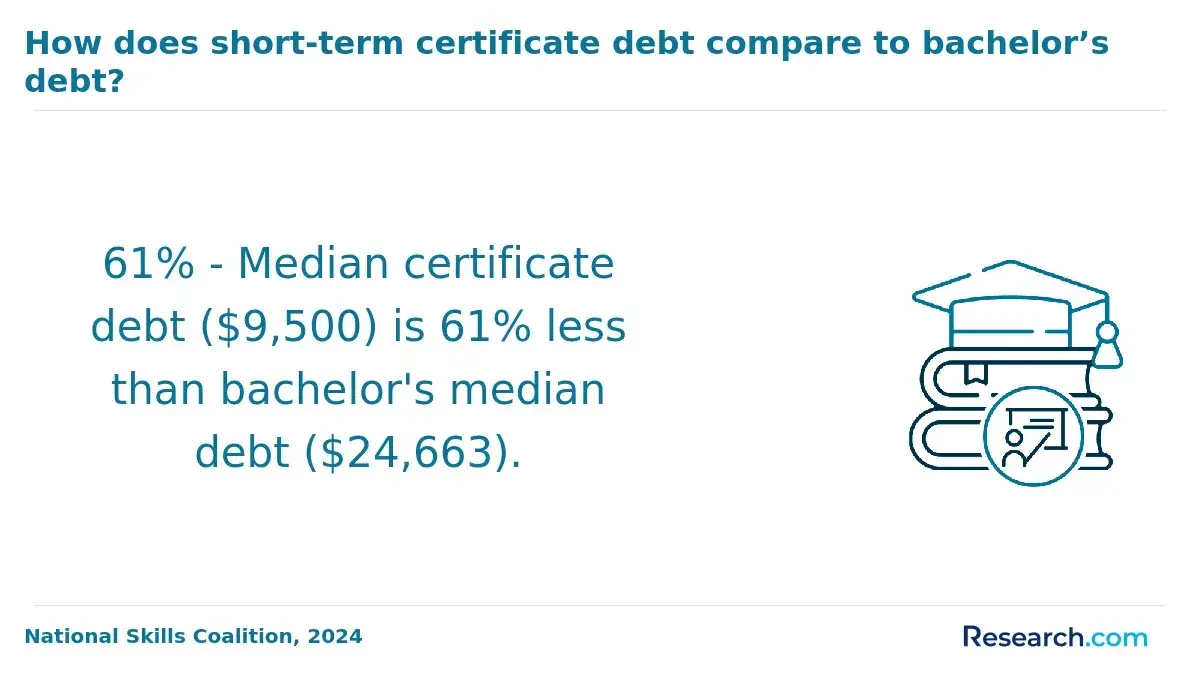
Curricula generally comprise 40 to 48 credit hours integrating core public health knowledge with targeted community health topics aimed at immediate application. Tuition fluctuates between $16,000 and $43,000 overall, based on an average $400-$900 per credit. Overlooked ancillary expenses-technology fees, textbooks, and incidentals-add $2,000 to $4,000 yearly, which impacts total financial planning.
Employers increasingly mandate graduation from CEPH-accredited programs, reflecting a 40% surge in applications recently, signaling a competitive hiring environment. This underscores risks associated with extended study timelines, where delayed completion may erode employability as workforce needs evolve.
Decision-makers must balance the tradeoff between accelerated, costlier paths that facilitate faster workforce reentry versus prolonged study that eases upfront financial burdens but risks opportunity costs and shifting employer demands. Assessment of individual job flexibility, financial stability, and local labor market conditions is essential to optimize outcomes in community health career advancement.
What careers and entry-level public health roles can you pursue with an online community health degree?
Online community health degrees typically prepare students for entry-level roles that prioritize communication, cultural competence, and data collection over clinical skills. Graduates commonly fill positions such as health educators, outreach coordinators, or program assistants within nonprofit organizations, government agencies, and healthcare providers. These roles require managing and evaluating health promotion initiatives tailored to specific populations, often demanding fluency in local health policies and social determinants of health.
Practical readiness is increasingly emphasized, with 82% of institutions incorporating virtual simulations into curricula. This approach equips students to handle real-time decision-making and problem-solving in varied community settings, such as urban clinics or rural outreach programs. Employers expect new hires to be proficient in digital literacy and multidisciplinary collaboration to analyze and communicate public health data effectively.
- Health educators conduct workshops and public health campaigns aimed at behavior changes.
- Community health workers bridge gaps between healthcare providers and underserved populations.
- Program coordinators focus on grant writing and monitoring program metrics aligned with public health goals.
The tradeoff with an online community health degree lies in its broad foundational skill set versus the need for specialized certifications or graduate training for career advancement, especially into leadership or epidemiology. Early exposure in entry-level roles may require additional credentials over time. Prospective students should weigh local job market demands and the availability of practicum experiences to optimize both immediate employability and long-term professional growth.
What salary ranges and job outlook can community health graduates expect before and after an MPH?
The salary gap between community health graduates with and without an MPH signifies critical tradeoffs in employability and role scope. Graduates lacking an MPH typically earn $40,000 to $55,000 annually in positions like health educator or outreach coordinator, roles often limited in upward mobility. In contrast, MPH holders generally command $60,000 to $85,000 for mid-level public health analyst or program manager roles, with specialized jobs in epidemiology or health policy offering starting salaries above $90,000 in government or large nonprofit sectors.
Employers increasingly prioritize MPH credentials for leadership roles within community health departments and health promotion. This shift reflects practical workforce demands where advanced epidemiological and policy skills are essential. Graduates without an MPH face competition from candidates with higher qualifications, especially for roles involving quantitative analysis and program management.
For working professionals, the decision to pursue an MPH involves balancing the upfront costs and time commitment against potential salary gains and job stability. Online MPH programs, preferred by 57% of U.S. adults seeking further education, offer flexibility that enables continued employment during study, minimizing income disruption.
- Average salary without MPH: $40,000-$55,000, limited advancement
- Post-MPH mid-level salary: $60,000-$85,000, broader roles
- Specialized MPH roles: $90,000+ starting salaries
- Job growth for health educators projected at 13% through 2032
- Online MPH programs mitigate work-study balance challenges
Careful evaluation of long-term career goals, employer requirements, and potential salary trajectories is crucial when weighing an MPH's return on investment in community health.
How can you choose a reputable online community health program that supports your MPH goals?
Choosing an online community health program requires balancing accreditation, curriculum relevance, and realistic employment outcomes. Prioritize programs accredited by bodies recognized by the U.S. Department of Education or the Council on Education for Public Health (CEPH) to ensure course material aligns with Master of Public Health (MPH) competencies. Demand for skills in digital health is rising sharply, with global spending projected to hit $657 billion by 2025, a steep increase from $270 billion in 2019 as per Deloitte's 2024 Global Health Care Outlook. This shift pressures employers to seek professionals who combine community engagement expertise with proficiency in digital tools.
Assess program outcomes by examining graduate employment rates in public health roles requiring digital competencies such as data analysis, health informatics, or telehealth. For instance, a professional transitioning into digital community health should target programs featuring applied projects or internships that collaborate with tech-driven public health organizations. Faculty expertise and established partnerships with industry or government can indicate program relevance to evolving workforce demands.
Logistical considerations matter: asynchronous formats afford flexibility for working students but demand self-motivation, whereas synchronous classes offer interactive learning yet constrain scheduling freedom. Investigate whether programs provide technological supports like virtual labs and modern data analysis platforms essential for mastering current digital health systems.
Tuition costs and financial aid options should be measured against expected salary growth reflecting newly acquired digital and community health skills. Selecting a program that directly enhances both technical capability and community insight is pivotal for meaningful career repositioning or advancement toward an MPH.
Other Things You Should Know About Community Health
Online community health degrees in 2027 offer comprehensive coursework and practical experiences such as virtual simulations and online practicums. These programs are designed to build foundational public health knowledge, analytical skills, and research capabilities, equipping students for advanced study in MPH programs.
Employers increasingly accept online degrees when earned from accredited institutions with rigorous curricula, but they prioritize graduates with demonstrable practical skills and relevant experience. An online degree alone is rarely enough; internship or fieldwork components embedded in the program are essential to meet employer expectations. Candidates from online programs should highlight applied projects and professional networking to offset any lingering bias, as some hiring managers remain skeptical about online-only credentials without proven real-world competence.
Yes. Programs that integrate a practicum or field experience provide critical hands-on learning that online coursework alone cannot deliver. This practical exposure strengthens your MPH application and ensures you develop skills valued by graduate programs and employers. When selecting a program, prioritize those that offer local or supervised practicum options to bridge theory and practice efficiently, even if it means some in-person commitment during the online degree.
Transitioning careers via an online community health degree requires careful consideration of program focus and transferable skills. Some programs emphasize community outreach and health education, which may not align directly with epidemiology or policy roles common in MPH tracks. To avoid misalignment, select programs with adaptable curricula and clearly articulated skill outcomes. Additionally, gaining supplementary certifications or work experience may be necessary to bridge gaps for career pivots, since an online degree alone might limit immediate access to certain specialty fields.
References
- Master of Public Health Online https://www.unthealth.edu/tcom/public-health/master-of-public-health-online.html
- About - Council on Education for Public Health https://ceph.org/about/org-info/
- Faculty of Graduate and Postdoctoral Studies | University of Manitoba - Community Health Sciences (MPH) https://umanitoba.ca/graduate-studies/admissions/programs-of-study/community-health-sciences-mph
- What Classes Should You Take for Health and Human Services? https://www.ultimatemedical.edu/blog/health-human-services-classes/
- Online Bachelor's Degrees in Public Health: Find the Right School https://www.edumed.org/online-schools/public-health-degrees/
- Online Master's in Public Health (MPH): Review Top Programs https://www.degreesforgood.org/online-degrees/public-health-programs/masters-mph/
- Highest Paying Jobs in Public Health and their Salaries - MPH Online https://www.mphonline.org/highest-paying-jobs-public-health/
- Public Health - INTERNATIONAL EUROPEAN UNIVERSITY, POLAND | EUROPE | STUDY IN POLAND | STUDY IN EUROPE | MBBS | GENERAL MEDICINE | BUSINESS | ENGINEERING | IT | EUROPE https://ieu.com.pl/european-medical-school-main/public-health/
- Nationally Accredited - Public Health - Dayton & Montgomery County https://www.phdmc.org/about/nationally-accredited
- What do you learn in a bachelor's in public health? | edX https://www.edx.org/resources/what-do-you-learn-in-a-bachelors-in-public-health