2027 Community Health Career Paths With the Best Advancement Potential

Co-Founder and Chief Data Scientist
Facing a stagnant career amidst shifting healthcare demands, many community health professionals grapple with choosing pathways that offer the strongest advancement potential without sacrificing time or financial stability. The U. S. Department of Education reports a 12% surge in online enrollment among adult learners pursuing health-related degrees since 2023, signaling an urgent pivot toward flexible education formats that accommodate working schedules. This change reflects rising employer expectations for credentials paired with real-world experience, forcing students to weigh accelerated programs against traditional routes carefully.
This article breaks down community health career paths with measurable advancement prospects to guide strategic choices that align with evolving workforce realities.
Key Things You Should Know
- Federal labor data forecasts a 12% growth in community health educator roles through 2030, but advancement heavily favors those with master's credentials due to employer preference for advanced analytical and policy skills.
- Employer surveys from 2024 reveal a rising demand for bilingual practitioners in community health navigating diverse patient populations, creating a competitive edge but narrowing openings in less linguistically adaptable candidates.
- Certificate pathways reduce entry costs by 40% compared to traditional degrees but delay midpoint career salary benchmarks by 18-24 months, compelling candidates to balance upfront affordability against slower wage growth.
What community health careers offer the strongest advancement potential?
Advancement in community health careers depends heavily on combining direct service experience with management and policy expertise. The median wage for community health workers hit $51,030 in May 2024, reflecting steady demand with an 11% projected employment growth through 2034. However, higher-level roles typically require supplemental credentials in healthcare administration, public health, or social work. Navigating this field effectively means selecting educational pathways that emphasize practical skill application, especially in program coordination, clinical integration, or policy implementation.
Advancement splits into three main tracks:
- Program coordinators focus on managing outreach initiatives, requiring budgeting, grant writing, and data evaluation skills.
- Clinical integration demands cross-disciplinary credentials like Certified Health Education Specialist (CHES) certifications or clinical licenses to bridge community and healthcare providers.
- Policy implementation careers rely on graduate degrees and expertise in research, advocacy, and regulatory compliance.
Real-world constraints complicate student decisions: balancing work-study schedules to maintain income while meeting employer demands for evidence of project management and measurable health outcome impacts.
For example, a community health worker transitioning to a program director must adeptly oversee federal funding and demonstrate tangible program results. Prioritizing education that includes applied data analysis, leadership, and communication skills can accelerate progress, whereas neglecting these areas often stalls growth despite market demand.
Those seeking the best career paths for community health professionals may consider an accelerated masters in counseling as a strategic option to quickly gain relevant credentials and strengthen their supervisory qualifications.
What degree do community health careers typically require?
Entry into community health roles generally requires a bachelor's degree in public health, community health, health education, or a closely related field, emphasizing epidemiology, health promotion, behavioral sciences, and program planning. Employers expect graduates to translate this academic foundation into practical skills, such as crafting evidence-based interventions-critical, for instance, in a nonprofit preventing chronic diseases where health educators must align program design with current research and community needs.
The best educational paths for community health careers often extend into graduate education. A master's degree in public health or health administration is a strategic investment for those targeting leadership, policy development, or research roles, where proficiency in budgeting, program evaluation, and strategic planning is essential-domains typically underdeveloped during undergraduate study.
Certifications like Certified Health Education Specialist (CHES) serve as valuable supplements, demonstrating professional commitment and specialized knowledge, though they do not substitute for formal degree requirements mandated by many employers, including compliance with federal or state public health regulations.
Salary and job growth trends validate these educational expectations: health education specialists earned a median salary of $63,000, with a projected 7% job growth over the next decade, outpacing many other sectors. This demand confirms the importance of well-rounded, accredited academic preparation and relevant credentials in securing sustainable employment.
Prospective students weighing community health degree requirements in the United States may also consider affordable options, including the cheapest online healthcare administration degree, which can balance accessibility with quality curriculum to support career entry or transition.
How do accredited community health programs differ online and on campus?
Choosing between accredited community health programs online versus on campus involves critical tradeoffs that shape career trajectories. Campus programs deliver structured access to faculty mentorship, live team collaboration, and immersive practicums that foster direct engagement with local health organizations-advantages that significantly improve readiness for field roles. In contrast, online community health education offers scheduling flexibility crucial for working professionals but demands strong self-discipline and limits spontaneous networking and real-time problem-solving opportunities.
Hands-on practicum experience varies starkly between formats and influences hiring preferences. Public health employers, especially at state or local health departments, tend to prioritize candidates with campus-linked field exposure, while some private sector roles weigh credentials and measurable outcomes more heavily. Students aiming for leadership within community organizations must balance the convenience of online study against the relationship-building and situational learning that on-campus environments provide.
Data from recent Master of Public Health graduates at Tufts University School of Medicine shows a 93% employment or further education rate with median salaries of $78,000 and peak earnings of $130,000. This pattern confirms that strong experiential components and networking-typically more accessible through campus formats-correlate with better employment outcomes. Prospective students should also evaluate related degrees, such as a master of healthcare administration, for cross-disciplinary versatility.
What certifications help advance a community health career?
Credentialing in community health requires deliberate alignment with employer expectations and specific career trajectories. Certifications such as Certified Health Education Specialist (CHES) and Master Certified Health Education Specialist (MCHES) provide foundational validation of skills in program planning and evaluation, often serving as gateways to leadership roles within nonprofits and public health agencies. For professionals focused on management roles, the Certified in Public Health (CPH) certification offers critical skills in policy and administration, directly responding to workforce demands in the sector.
Consider the contrast between entry-level community health workers and hospital-based health services managers: the former can increase earnings and leadership opportunities by obtaining the Certified Community Health Worker (CCHW) credential, which confirms expertise in outreach and advocacy; meanwhile, those in complex urban hospital systems benefit more from certifications like Fellow of the American College of Healthcare Executives (FACHE) that reflect management acumen in high-stakes environments. These distinctions matter when evaluating community health certification programs for career advancement.
The pursuit of advanced credentials entails balancing professional hours, continuing education, exam fees, and study time-factors that can stall progression without careful planning. Medical and health services managers, who earned a median wage of $110,680 with peaks above $216,000, exemplify how credentialing signals readiness to manage budgets, staff, and regulatory compliance in large organizations. This reality underscores why understanding the nuances of the best certifications to advance community health careers is essential for long-term viability.
Finally, individuals considering academic routes should also assess cost implications transparently. A reliable resource like the RN to BSN online programs cost comparison provides critical insights for those weighing educational investments linked to community health certification programs.
What coursework is common in community health degree programs?
A community health degree often demands balancing rigorous coursework with extensive field experience, reflecting the sector's operational realities. Core classes in public health, epidemiology, biostatistics, healthcare policy, and ethics build a foundation for understanding disease trends and navigating complex regulatory environments. These skills are essential for roles requiring evidence-based decision-making in both public and private settings.
Practical learning centers on program planning and evaluation, with an emphasis on how interventions affect diverse populations. For instance, a graduate working for a nonprofit targeting diabetes reduction must analyze program outcomes and adjust strategies accordingly. This responsiveness is critical as employers increasingly seek professionals skilled in cultural competence and multi-sector coordination.
The rapid 21% growth projection for health positions reflects urgent demand in home- and community-based care, pushing programs to include coursework in care management and chronic disease prevention. Students also face logistical challenges balancing supervised practicums with academic demands, as real-world experience in clinics or health departments remains vital for employability-especially for roles focused on vulnerable groups or health policy advocacy.
What are the admission requirements for community health programs?
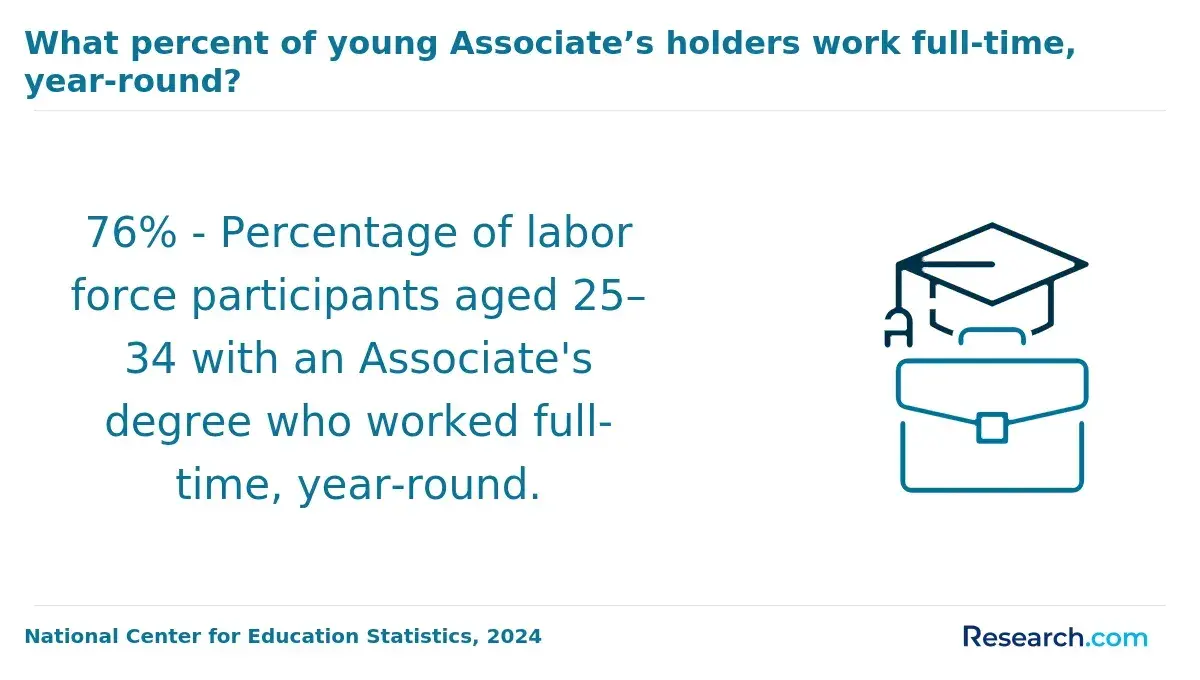
Admission into community health programs in 2026 demands more than baseline credentials; candidates face strategic choices shaping both entry and employability. Most programs require a high school diploma or equivalent and official transcripts evidencing foundation in biology, health sciences, or social sciences. However, competitive tracks impose GPA thresholds typically ranging from 2.5 to 3.0 and standardized test scores such as the SAT or ACT, particularly for associate or bachelor's level studies.
Practical experience often separates candidates, with documented volunteer hours or employment in health-related or social services weighted heavily. This aligns with labor market realities where ambulatory healthcare positions are expected to add 1.2 million jobs over the next decade, and offices of mental health practitioners foresee a 28.8% growth. Applicants without such experience may face delayed career advancement or more limited job prospects after graduation.
Additional layers, such as letters of recommendation focused on interpersonal skills and personal statements articulating commitment to underserved populations, underscore the sector's emphasis on social engagement. Graduate-level programs introduce further barriers including background checks and immunization verification tied to clinical placements.
Practical application timing and budgeting for entrance exams or preparatory coursework present common logistical hurdles. Those balancing work with study may benefit from programs offering flexible online or hybrid options, which ease geographic and scheduling constraints. Insights derived from Texas State University's analysis of 2024 labor data confirm the advantage of aligning admission strategy with workforce demand to optimize return on educational investment.
How long does it take to complete a community health degree?
Choosing between an associate and a bachelor's degree in community health often hinges on desired roles and realistic timelines. An associate degree generally spans two years, qualifying graduates for entry-level positions like outreach coordinators or community health workers. In contrast, a bachelor's degree typically requires about four years and develops competencies in epidemiology, public health frameworks, and program management, positioning graduates for roles with greater responsibility and decision-making influence.
Workforce data reveals acute shortages-federal forecasts estimate 139,000 physician openings by 2036 and a 14% nurse shortage in rural areas. This gap increases demand for clinicians and care coordinators who can operate effectively in underserved communities. Consequently, a bachelor's degree combined with clinical certifications offers a more direct route to leadership or clinical coordination compared to an associate credential.
Students balancing employment or family often accept extended timelines for part-time or online formats. These flexible options can add months but preserve accreditation and employer recognition. Additionally, prerequisites or clinical practica may further delay completion, especially for those entering from unrelated fields.
The practical distinction is stark: sub-bachelor's degrees typically assign roles with limited influence over care practices or funding. Bachelor-level credentials open doors to positions that shape service delivery strategies-a critical factor given persistent provider shortages documented by the U.S. Department of Health and Human Services.
What salary can community health professionals expect?
Salaries in Community Health reflect the significant divide between entry-level positions and advanced analytical roles, particularly epidemiology. Epidemiologists command a median annual salary around $83,980, supported by data from the U.S. Bureau of Labor Statistics via Texas A&M University-San Antonio, emphasizing the value of quantitative skills and program management expertise. In contrast, entry-level community health workers often earn between $40,000 and $55,000, highlighting a clear earnings gap based on specialization and education.
Employment growth for epidemiologists is projected at 19% over a decade, a rate that surpasses many public health occupations and signals strong demand in government, non-profits, and healthcare sectors. However, rising into these roles typically requires advanced credentials like a master's degree or targeted certifications. Professionals transitioning from local health education may face a temporary earnings drop-approximately $45,000 annually-while obtaining a Master of Public Health (MPH), but this investment tends to position them for faster salary growth above $80,000 within a few years.
Prospective candidates need to weigh this tradeoff carefully. Employers prioritize demonstrated analytic capabilities and applied research experience, which directly influence advancement opportunities and compensation. Without these skills, many remain confined to outreach and education roles with limited earning potential. Understanding these dynamics is essential for making informed decisions about education and career pivot paths in community health.
What is the job outlook for community health graduates?
Demand for community health graduates in roles such as environmental scientists and specialists is projected to grow by 7% over the next decade, emphasizing a clear link between job prospects and environmental and social determinants of health. With a median salary around $80,060 in 2024, these positions are increasingly shaped by employers' prioritization of technical skills like data analysis, risk assessment, and targeted community engagement.
Graduates without competencies in these areas often encounter barriers to advancement, particularly when competing for roles in public health agencies and government sectors. Choosing to specialize in environmental health over broader health education positions involves tradeoffs: regulatory compliance and hazard mitigation roles tend to offer more structured career trajectories and higher pay than general community outreach jobs.
Certification requirements such as the Certified Health Education Specialist (CHES) or Registered Environmental Health Specialist (REHS) can differentiate applicants in highly competitive hiring environments. Additionally, expertise in grant writing and project management is frequently demanded for program funding and execution responsibilities, making these skills practical investments for employability.
For professionals pivoting into or advancing within community health, weighing the real-world implications of specialization, technical skill acquisition, and credentialing alignment is essential. Growth in this field depends less on broad knowledge and more on targeted capabilities tuned to persistent environmental challenges impacting vulnerable populations.
How do you choose a reputable community health program?
Selecting a community health program requires recognizing how specific skill gaps shape employability and advancement prospects. The U.S. Government Accountability Office's January 2025 report identifies shortages in nursing, epidemiology, financial administration, leadership, and data analysis as critical workforce deficits. Graduates trained in these areas are measurably more competitive for in-demand roles.
Programs should be scrutinized on factors that directly influence outcomes:
- Curriculum alignment with quantitative data analysis, epidemiologic methods, healthcare finance, and leadership to address these shortages effectively.
- Accreditation from recognized entities such as CEPH to ensure academic rigor and employer credibility.
- Employment rates within 6-12 months in skill-specific roles, demonstrating true market relevance.
- Practical training components like internships and collaborations with healthcare providers that build real-world competence.
Consider a student shifting into epidemiology: absence of hands-on data training or partnerships with public health agencies significantly reduces potential for career growth. Similarly, programs lacking applied financial administration experience fail to prepare graduates for budgeting and grant management demands prevalent in healthcare leadership positions.
Location and delivery mode also affect feasibility and relevance. Access to metropolitan health departments and hybrid or online formats help working professionals maintain employment while gaining applicable skills-adding tangible value beyond coursework.
Faculty expertise and current research output further distinguish programs capable of evolving with public health challenges, making them better suited to bridging workforce gaps documented by the GAO and Texas A&M University-San Antonio.
Other Things You Should Know About Community Health
In 2027, community health career paths with strong advancement potential include Health Educators, Public Health Analysts, and Community Health Managers. These roles are poised for growth due to increased focus on preventive care and public health initiatives, offering opportunities for leadership and specialization within the field.
Programs that integrate hands-on practicums or internships significantly enhance job placement and promotion chances. Employers expect candidates to have applied skills in community assessment, program implementation, and data evaluation upon graduation. Prioritizing programs with structured fieldwork ensures graduates can demonstrate real-world competence, which outweighs theoretical knowledge alone in hiring and advancement decisions.
Specializing early can speed advancement in niche areas like epidemiology or health education, but it may reduce flexibility if the chosen specialty's job market contracts. Remaining a generalist longer offers broader opportunities and adaptability, especially in smaller or rural organizations. Candidates should assess local labor trends and personal career goals before committing to specialization to avoid limiting future prospects.
Beyond credentials, employers look for demonstrated leadership, project management skills, and proficiency in data analysis and digital tools like GIS or health informatics software. Communication skills tailored to diverse community groups are critical for advancement, as is the ability to secure and manage funding. Candidates focusing solely on education without developing these practical skills may face stalled career growth despite academic qualifications.
References
- CHW Career Paths: Good Skills, Roles, and Growth Opportunities - Community Health Worker Training https://chwtraining.org/chw-career-paths/
- Community Health Career - Public Health https://www.publichealthonline.org/community-health-career/
- Community Health https://www.riosalado.edu/degrees-certificates/community-health
- Are Online Courses Better Than Community College? https://www.straighterline.com/blog/online-courses-better-than-community-colleges
- Types of Health Careers & Career Pathways https://explorehealthcareers.org/careers/types-of-health-careers-and-pathways/
- Faculty of Graduate and Postdoctoral Studies | University of Manitoba - Community Health Sciences (MPH) https://umanitoba.ca/graduate-studies/admissions/programs-of-study/community-health-sciences-mph
- Career Paths for MPH Graduates: Top Job Roles in Public Health https://www.unicaf.org/career-paths-for-mph-graduates-top-job-roles-in-public-health/
- Community health workers: Salary, career path, job outlook, education and more - RaiseMe https://www.raise.me/careers/community-and-social-service/health-educators/community-health-workers/
- What Can You Do With a Community Health Degree | CUNE https://www.cune.edu/news/what-can-you-do-with-community-health-degree
- Public Health Career Salaries: What to Expect Across Roles https://www.scuhs.edu/bshs-article/public-health-career-salaries-what-to-expect-across-roles/