2027 Best Online Bachelor's in Community Health With Population Health Coursework

Co-Founder and Chief Data Scientist
Public health agencies and nonprofits confront mounting pressure to address disparities amplified by social determinants, demanding professionals skilled in both community health and population health strategy. Amid workforce shortages, the US Bureau of Labor Statistics projects a 14% increase in health educator roles through 2032, intensifying competition for qualified candidates. Yet many working adults face barriers enrolling in traditional campus programs, making flexible online bachelor's options with integrated population health coursework vital. These programs enable learners to bridge knowledge gaps without disrupting careers, a factor confirmed by the National Center for Education Statistics showing a 12% rise in adult online enrollment in 2024. This article evaluates top online bachelor's degrees combining community health expertise with population health to guide prospective students toward programs that maximize accessibility, relevance, and long-term career impact.
Key Things You Should Know
- Data from the Bureau of Labor Statistics shows a 7% projected growth in community health roles through 2032, yet salary premiums for population health coursework vary 15-25%, requiring candidates to weigh additional credential costs against long-term earning potential.
- Employers increasingly demand applied data analytics skills alongside population health knowledge, with 64% of postings in 2025 specifying proficiency in health informatics platforms, shifting hiring preferences toward graduates with hybrid technical coursework.
- Online bachelor's programs offering population health coursework often extend degree completion beyond 4 years for working adults by 12-18 months due to sequencing constraints, impacting total educational investment and delayed workforce reintegration.
What is an online bachelor's in community health with a population health focus?
The practical value of an online bachelor's in community health programs with population health emphasis lies in its focus on data-driven interventions tailored to diverse populations. Graduates acquire competencies in epidemiology, health policy, behavioral science, and statistics, skills essential for roles that require analyzing patterns within communities to shape effective health initiatives. Employers increasingly seek candidates who can navigate complex social determinants of health and contribute to organizational strategies that prioritize disease prevention and health equity.
Employment projections for health education specialists and community health workers indicate a robust 12% growth from 2024 to 2034, signaling expanded opportunities but also higher expectations for measurable impact in preventative care and wellness programs. This surge is particularly relevant for those pursuing a bachelor's degree in community health and population health online, where program quality and practical experience, such as internships, strongly influence job readiness.
Day-to-day responsibilities often involve municipal health departments responding to regional outbreaks or corporate settings focusing on targeted wellness interventions. Success depends on proficiency in community-based research methods and translating data insights into actionable public policies. Prospective students should weigh the rigor of these online pathways and their alignment with Certified Health Education Specialist (CHES) prerequisites to ensure market competitiveness.
Additionally, online learners must balance self-discipline with engagement in real-world problem-solving that extends beyond passive coursework. For those exploring related fields, comparing these options with a health information technology degree can clarify which pathway best suits their skills and career aims.
How does an online community health bachelor's compare to an on-campus program?
Choosing between an online community health bachelor's degree vs on-campus program involves assessing tangible tradeoffs beyond convenience. Online formats offer accessibility and accommodate working professionals balancing career shifts, yet they often require self-driven pursuit of internships or clinical hours that on-campus programs more seamlessly integrate. This distinction can affect time-to-degree completion and hands-on skill development, which remains a pivotal employer consideration in fields such as epidemiology or health policy analysis.
While the curricula, faculty expertise, and accreditation standards between online and traditional community health degrees largely align, real-world employer evaluations prioritize demonstrated competencies and relevant experience over program delivery mode. Graduates from both modalities typically perform comparably when they have solid internship portfolios and certifications, underscoring functional skill acquisition rather than campus attendance.
Online programs frequently come from public universities offering in-state tuition under $12,000, reducing financial burdens-a critical factor for those seeking to pivot careers without incurring significant debt. However, students must recognize limitations in access to direct experiential learning, often essential in community health disciplines, which may compel independent clinical placement efforts.
For full-time workers aiming to advance without income disruption, an online community health bachelor's degree makes practical sense. Conversely, recent graduates prioritizing immersive campus networks and structured mentorship might still lean toward traditional pathways. Prospective students balancing these factors can explore options such as the accelerated healthcare administration degree online to optimize timeline and career objectives.
Which accredited schools offer the best online bachelor's in community health?
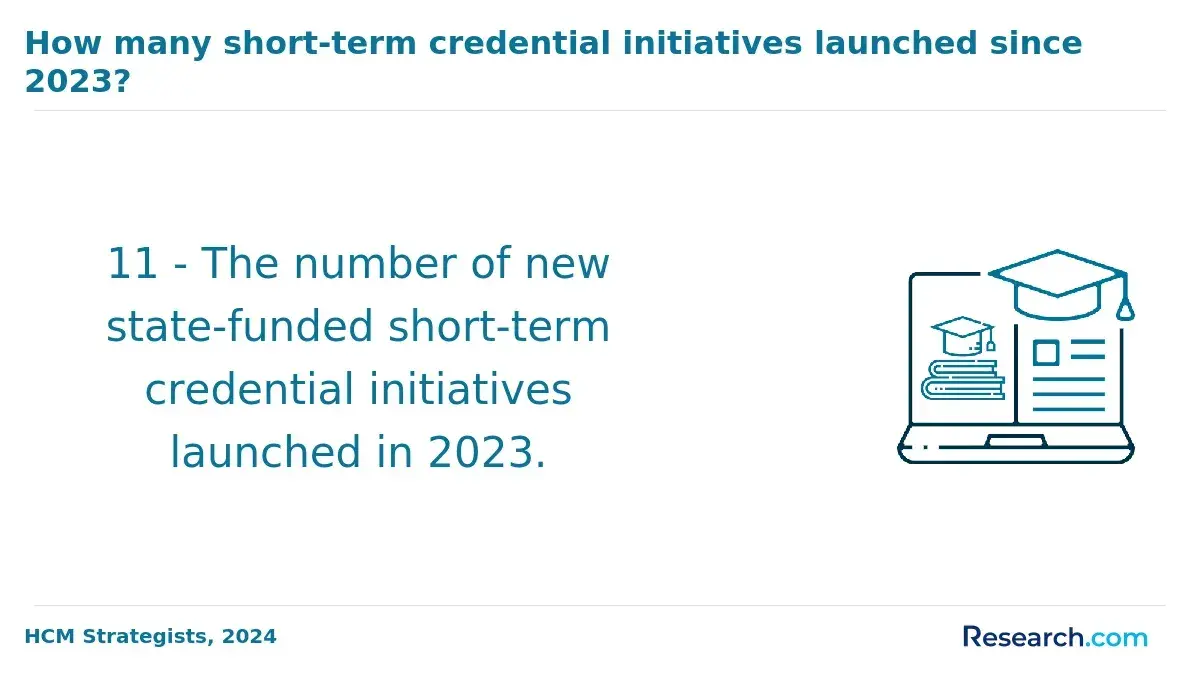
Employers increasingly expect graduates with an online bachelor's in community health to demonstrate fluency in population health frameworks blended with practical data analysis skills. Schools like the University of Iowa and Oregon State University emphasize curricula that integrate community projects or internships, a factor critical for working adults targeting roles in public health analysis or administration. Students without exposure to comprehensive population health coursework risk diminished competitiveness for policy and data-centric roles.
Top online schools for bachelor's in community health with population health courses show notable logistics tradeoffs: Oregon State and UNC Chapel Hill, for example, offer fully online, asynchronous options suited to mid-career professionals balancing employment and study. A 2024 dataset from the Council on Education for Public Health confirms that over 80% of undergraduate programs now require at least one population health or health equity course, reflecting shifting workforce demands prioritizing health disparities and equity knowledge.
Prospective students must verify accreditation and curriculum currency, as evolving public health challenges-such as chronic disease trends and post-pandemic system strains-demand adaptable skill sets. Those seeking an educational pathway with practical relevance can consult resources comparing these offerings with other fields like nursing through options such as the best online RN programs for non nurses. Choosing from the best accredited online community health bachelor programs requires weighing instructional rigor against flexibility and real-world applicability.
What population health and community health courses will I typically take?
Programs shaped by a population health and community health curriculum overview serve as an operational bridge between academic frameworks and sector-specific demands, prepping students to navigate layered public health challenges. Coursework rooted in epidemiology, biostatistics, and health behavior theories equips graduates to craft data-driven interventions and rigorously evaluate health initiatives, skills necessary for targeting diverse groups with nuanced systemic needs.
Typical coursework in online community health programs extends into environmental health, health policy analysis, and social epidemiology, reflecting the multifaceted strategies required across practice environments. For example, nonprofit graduates often need grant writing and program management proficiency, while government agency roles prioritize surveillance and emergency preparedness expertise-distinctions that influence employability and role readiness.
Quantitative skills, especially in biostatistics and data analytics, are non-negotiable for analyzing complex datasets in hospital and community clinic settings. Communication coursework addresses cultural and linguistic diversity critical to effective public messaging in underserved or immigrant populations. Employers increasingly expect GIS and data analytics fluency to map and translate disease patterns into actionable policy or community interventions.
Admissions trends reflect widening access, with many leading public health bachelor's programs adopting test-optional policies to accommodate working adults. For those comparing educational pathways, the Chamberlain vs Capella RN to BSN program analysis provides additional insights on program structures and outcomes.
What admission requirements and prerequisites do online community health programs have?
Admission criteria for online community health programs balance academic preparedness with practical experience, reflecting the field's diverse career pathways. Most programs require a high school diploma or equivalent, often with a minimum GPA around 2.5 to 3.0. Standardized tests like the ACT or SAT are increasingly optional due to shifting policies, yet transcripts, personal statements, and recommendation letters remain essential for assessing candidate readiness.
Foundational coursework usually covers biology, introductory health sciences, and sometimes statistics or social sciences, providing necessary grounding in population health concepts. For working professionals or career changers, relevant health-sector experience or certifications such as CHES can substitute or augment academic prerequisites, affecting both admissions and employability.
Cost factors influence student decisions indirectly. For example, Southern New Hampshire University charges approximately $354 per credit for an online BS in community health education, totaling about $42,480 for 120 credits-30-40% below typical private nonprofit four-year tuition. However, transfer policies and remediation fees can extend completion time and increase expenses.
Applicants without prior college credits should examine program flexibility around course substitutions or bridge classes because these impact duration and finances. Given that success in community health requires analytical and cross-disciplinary skills, candidates lacking quantitative or scientific preparation face higher risks of non-completion, underscoring the importance of early academic readiness assessment.
How long does it take and how much does an online community health degree cost?
Choosing an online bachelor's degree in community health requires weighing time, cost, and employability tradeoffs that directly impact career trajectories. Accelerated tracks can shorten completion to two or three years but typically demand heavy course loads year-round, while part-time options extend study to five or six years, aligning better with working professionals' schedules.
Tuition varies widely from approximately $7,000 to $12,000 annually at public in-state schools to $20,000-$35,000 at private institutions, driving total program costs between $30,000 and $140,000. These figures are more than sticker prices; they influence post-graduation debt burdens and return on investment, particularly when employer reimbursement or supplemental certifications are factored into planning.
Employers prioritize practical population health expertise and clinical experience over the institution's prestige. For example, graduates with hands-on skills and internships often access hospital roles paying a median wage around $82,430, versus general health education specialist positions at $62,860. This wage gap underscores how program depth and experiential components affect job placement and earnings.
Students targeting clinical community health positions should consider whether a longer, more comprehensive curriculum justifies upfront costs by expediting access to higher-paying roles or if a shorter program plus certification might offer a feasible alternative. Budgeting tuition against anticipated median wages and available employer support is a pragmatic approach to navigating these choices.
What careers can I pursue with an online bachelor's in community and population health?
Employers filling roles in community and population health increasingly prioritize demonstrated ability to balance practical work experience with academic learning. Nearly 60% of online students in this field worked 30 or more hours weekly, a figure notably higher than the 33% reported by traditional on-campus peers (EduMed 2024 student survey). This workforce engagement often translates directly into roles such as health educator, community outreach coordinator, or public health analyst, where managing initiatives-like vaccination campaigns or chronic disease prevention-is part of the daily workload.
Graduates leveraging online degree programs often shift from administrative healthcare roles into positions managing community-oriented projects, capitalizing on both coursework and current employment knowledge. Yet, roles with higher specialization-such as epidemiology or health informatics-usually require further credentials and strategic accumulation of relevant experience.
Professionals embarking on this path must be prepared for employer expectations valuing not only theoretical knowledge but also navigating real-world constraints like scheduling shifts and limited resources across multidisciplinary teams. Understanding local demographics and policy environments is fundamental to designing scalable interventions responsive to emerging health crises or social determinants.
Key operational considerations include:
- Balancing workloads while acquiring applicable skills through online study
- Building multidisciplinary collaboration capabilities in resource-constrained settings
- Anticipating additional certification needs for specialized roles
What salary ranges and job outlook can graduates in community health expect?
Starting salaries for graduates with a bachelor's degree in community health typically range from $45,000 to $60,000 annually, influenced by employer type and geographic location, with mid-career pay climbing to $70,000-$85,000. Employment growth for health educators and community health workers is expected to outpace many fields, expanding about 14% over the next decade, driven by demand in public health agencies, nonprofits, and healthcare providers.
Job placement strongly favors candidates from programs with both regional and Council on Education for Public Health (CEPH) accreditation, which more than 70% of top-ranked online bachelor's programs meet. This dual accreditation signals employers that graduates possess recognized competencies and adhere to industry standards, impacting access to higher-paying roles and graduate education prospects.
Practical tradeoffs emerge when selecting employment sectors: urban public health departments often pay less but offer federal loan forgiveness and government benefits, while private healthcare or research organizations pay more upfront but may lack such support. Candidates targeting corporate wellness or health analytics must prioritize population health programs emphasizing data literacy to improve their marketability.
- Strong accreditation enhances employability and graduate school access.
- Employment sector influences initial salary and benefits.
- Data skills increasingly differentiate applicants in corporate roles.
Decisions about program choice and career path should weigh salary potential against cost of living and long-term advancement opportunities, recognizing that prestige and location impact both job prospects and professional growth.
Are there certifications or licenses connected to community and population health roles?
Certification functions as a strategic filter in hiring for health education specialist and community health worker positions, where employers increasingly expect validated expertise beyond a bachelor's degree. Credentials like the Certified Health Education Specialist (CHES) or Master Certified Health Education Specialist (MCHES) require passing a national exam and ongoing education, which demonstrates professional reliability and often impacts salary tiers or promotion paths. While state licenses are not typically compulsory, they become relevant in contexts tied to clinical or behavioral outreach within public health departments or hospital settings.
With approximately 17,200 job openings annually projected by the U.S. Bureau of Labor Statistics for these roles between 2024 and 2034, competition pressures applicants to distinguish themselves. Certification status frequently serves as a baseline screening measure, especially in nonprofit and government sectors managing funded public health initiatives. For example, a professional shifting from a related field into community health may find that a credential expedites eligibility for grant-dependent roles requiring formal documentation of qualifications.
Prospective candidates must balance the investment of time and money in exam prep and continuing education against tangible employment advantages. Support for certification costs varies by employer, with some offering reimbursement and others mandating self-funding. Individuals targeting roles in population health analysis or administration should also consider certifications aligned with public health (CPH) or healthcare quality, which typically complement advanced or specialized tracks in their sector.
How can I choose a reputable, accredited online community health program?
Choosing an online community health program requires more than accreditation alone; it demands scrutiny of curriculum relevance and workforce alignment. Accreditation by agencies recognized by the U.S. Department of Education or CHEA signals accepted academic standards but does not guarantee practical preparation. Employers now expect proficiency in population health competencies-data analytics, social determinants of health, and program evaluation-that support intervention and assessment roles. For instance, a working parent aiming to advance within a state health department must verify the program readies graduates for typical governmental certifications and roles.
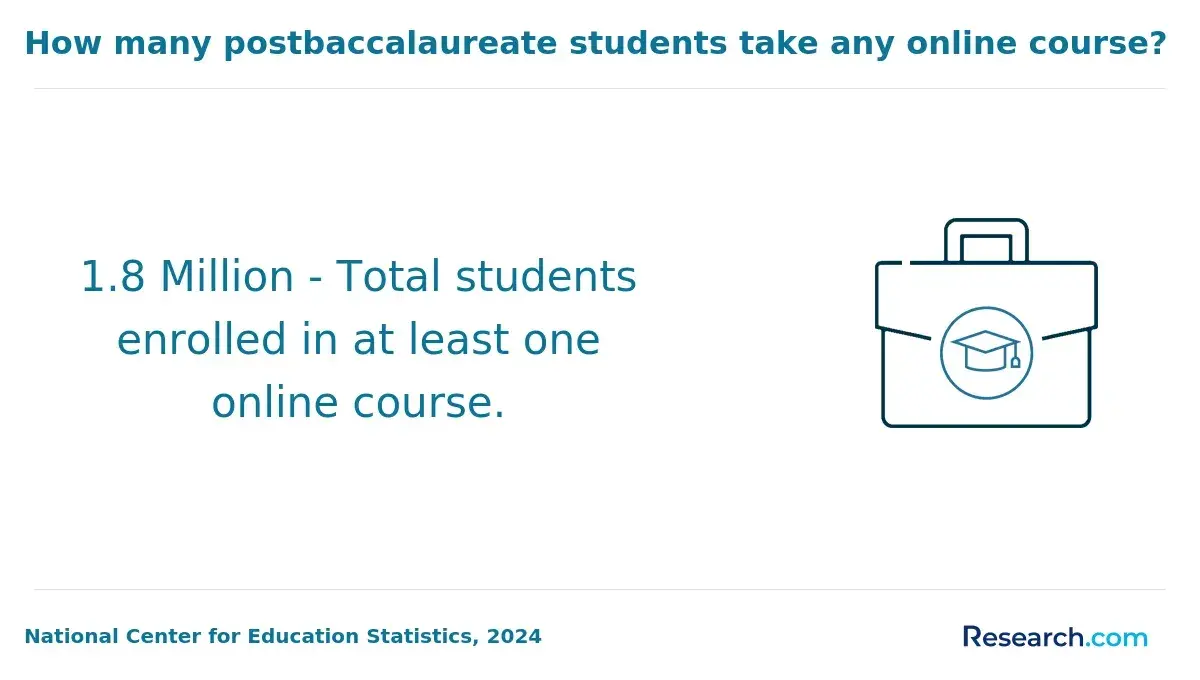
Program flexibility significantly affects student persistence. Data from the National Center for Education Statistics show employed adults have higher retention in fully online formats, particularly when courses are asynchronous and include accessible academic and technical support. This flexibility reduces barriers for full-time workers balancing job and study demands.
Graduates' employability outcomes require transparent evidence such as published job placement rates or active employer partnerships. Without this, it is difficult to assess real career value. Additionally, curriculum should focus on epidemiology, health promotion, and policy tailored to specific populations, since employers reject overly generalized health education lacking population health depth.
Financial considerations and credit transfer policies impact time-to-completion and return on investment. Prospective students should weigh tuition alongside program length and aid availability to ensure the chosen pathway aligns with their career timeline and economic realities.
Other Things You Should Know About Community Health
In 2027, top online bachelor's programs in community health offering population health coursework include those from Arizona State University, the University of Massachusetts, and Northern Arizona University. They are recognized for integrating comprehensive public health education with a focus on community and population health dynamics.
Focusing on population health narrows your expertise toward data analytics, health policy, and preventive strategies more than general community health, which may open doors in government agencies and large health systems. However, this specialization can limit flexibility if you want to shift into broader community outreach or program management roles. Candidates should weigh whether their target employers value analytical skills over direct community engagement when choosing this focus.
A bachelor's degree in community health provides foundational knowledge but often does not meet employer expectations for leadership positions in public health. Leadership roles typically require either a master's degree or extensive professional experience managing projects and teams. Students aiming for leadership should consider concurrent work experience or continuing education immediately following their bachelor's to remain competitive.
Accreditation ensures the program meets academic standards that employers recognize, which affects credential validity and eligibility for certifications. Programs including population health coursework are preferable because they align with current public health trends emphasizing data-driven decision making. Working professionals should prioritize accredited programs that balance coursework with flexible scheduling to manage work-study commitments effectively.
References
- Bachelor's degrees in public health | edX https://www.edx.org/bachelors/bachelors-in-public-health-online
- Community Health Career - Public Health https://www.publichealthonline.org/community-health-career/
- Public Health - INTERNATIONAL EUROPEAN UNIVERSITY, POLAND | EUROPE | STUDY IN POLAND | STUDY IN EUROPE | MBBS | GENERAL MEDICINE | BUSINESS | ENGINEERING | IT | EUROPE https://ieu.com.pl/european-medical-school-main/public-health/
- Careers https://www.publichealthdegrees.org/careers/
- Accredited Online Public Health Degree Programs https://www.accreditedonlinecolleges.org/public-health/
- Top 20 Online Bachelor’s Degree Programs in Healthcare Management - Healthcare Management Degree Guide https://www.healthcare-management-degree.net/best/online-bachelors-programs/
- What Skills Are Needed for Public Health Jobs? https://zabeelinstitute.ae/blog/skills-needed-for-public-health-jobs/
- Top 25 Online MPH Community Health Degree Programs - MPH Online https://www.mphonline.org/best-online-mph-community-health/
- Master of Public Health Program at the Medical College of Wisconsin https://www.mcw.edu/education/graduate-school/graduate-school-programs/public-health/mph-program
- Online Bachelor’s Degree in Community Health and Wellness https://www.monroeu.edu/academics/undergraduate-programs/school-allied-health-professions/online-bachelors-degree-community