2027 Best Online Community Health Degrees for Rural Health Careers

Co-Founder and Chief Data Scientist
Rural health professionals frequently confront persistent provider shortages exacerbated by lengthy commute times and inadequate local training options. A 2024 report from the National Center for Education Statistics notes a 25% surge in enrollment for online health-related degrees among adult learners balancing work and family, signaling demand for flexible, accessible education tailored to time-pressed candidates.
This trend underscores that traditional on-campus programs often fail to meet rural practitioners' needs for scalability and career mobility. Navigating these constraints requires discerning which online community health degrees provide rigorous training alongside practical field applicability. This article evaluates top online community health degree options designed to optimize career outcomes and meet rural workforce demands efficiently.
Key Things You Should Know
- Rural community health program graduates face a 12% wage gap versus urban peers, limiting return on investment despite comparable job placement rates per the 2024 Bureau of Labor Statistics data.
- Employers in underserved areas prioritize candidates with integrated telehealth and policy competencies, making programs lacking these emphases significantly less competitive for rural health roles, as reported by the Rural Health Information Hub 2024 survey.
- Extended program durations, averaging 30% longer for part-time online pathways, increase total student debt by over $7,000, disproportionately impacting working adults balancing rural healthcare employment and study, per National Center for Education Statistics 2024.
What are the best online community health degrees for rural health careers?
Strong online community health degrees for rural health careers must integrate practical skills directly addressing unique regional challenges such as geographic isolation, workforce shortages, and limited healthcare infrastructure. Programs focused on rural health, health education, or health promotion prepare graduates with competencies in epidemiology, program planning, and cultural competence-skills essential for effective service delivery in underserved areas.
Working adults seeking a strategic career pivot should consider top community health programs for rural healthcare professionals that offer flexible bachelor completion or master's formats. These accommodate existing job commitments while developing expertise in data collection, community engagement, and grant writing, tasks often combined in rural health roles. Without targeted rural health training, graduates may struggle with job placement or require additional certifications to remain competitive.
Employers value degrees from accredited programs connected to rural clinics or public health departments, as these partnerships provide experiential learning through community-based projects or practicums. Decision-makers must balance tradeoffs involving cost, program length, and support services to ensure timely degree completion and eligibility for certification.
Given a projected 7% job growth for health education specialists and community health workers through 2032, incorporating training on rural health disparities and telehealth applications strengthens workforce readiness. Those interested in accelerated mental health counseling programs online will find that similarly structured community health degrees can offer comparable flexibility and targeted skills for rural contexts.
How do online and campus community health programs compare?
When weighing online community health programs versus campus degrees for rural areas, decision-makers must prioritize clinical access and employer expectations over convenience. Online programs offer essential flexibility and allow continuation of work in underserved regions, eliminating relocation and job interruption. Yet, they often lack integrated hands-on clinical experiences, requiring students to independently source local practicums-an impractical expectation in many rural communities.
Campus-based community health education in rural regions provides structured clinical rotations, interdisciplinary collaboration, and direct mentorship that align closely with employer needs, especially in areas designated by the Health Resources and Services Administration as shortage zones. These face-to-face learning environments enhance workplace readiness through tangible community interaction and skill verification, which rural health employers increasingly demand amid a gap of thousands of practitioners.
Students targeting administrative or health promotion roles might find online degrees sufficient if paired with strategic local internships. However, those pursuing clinical or managerial positions in rural clinics face clear advantages from campus programs offering integrated fieldwork. Financial constraints and time commitments weigh heavily, but lack of practical training risks delayed employment or qualification gaps within competitive rural health job markets.
Prudent student decisions balance the tradeoffs of program delivery by closely reviewing clinical support, local practicum accessibility, employer partnerships, and graduate outcomes rather than delivery mode alone. For detailed comparisons and institution choices, see the best schools for healthcare administration online.
Is the program properly accredited for community health careers?
Accreditation stands as a defining factor in the viability of rural community health career programs, decisively shaping employability and workforce readiness. Employers in nonmetropolitan areas routinely prioritize candidates from programs accredited by bodies like the Council on Education for Public Health (CEPH) or regional agencies such as the Higher Learning Commission (HLC), since these credentials ensure alignment with evidence-based standards and regulatory demands. For instance, a rural clinic financed by federal grants will often require a community health worker to hold a credential from an accredited program to satisfy compliance and reporting obligations.
This practical reality means prospective students considering online community health degree accreditation for rural programs must verify accreditation status before enrollment. Without it, graduates risk barriers such as ineligibility for certain roles, delayed hiring, or exclusion from programs that include structured practicum opportunities critical for telehealth and cross-sector collaboration experience.
These factors demonstrate that accredited community health careers programs for rural areas do more than verify academic quality; they directly influence labor market entry and career trajectory. The challenge lies in balancing program rigor with accessibility, a consideration especially relevant for students exploring options such as online BSN programs for non nurses, where accreditation similarly governs employment prospects.
What courses are included in a community health degree?
Rural health roles demand a curriculum that balances foundational knowledge with skills directly applicable to resource-limited settings. Courses offered in community health degree programs for rural areas prioritize interdisciplinary subjects such as epidemiology, biostatistics, and social determinants of health, alongside pragmatic training in program planning and evaluation tailored to environments where scalable interventions are essential. This focus prepares students to design public health initiatives that contend with unique rural challenges, including transportation barriers and fragmented healthcare systems.
The rural community health degree curriculum and course list typically includes environmental health, addressing exposure risks prevalent in agriculture-heavy regions, as well as behavioral health coursework aimed at reducing mental health disparities common in these populations. Health policy and management education equips graduates to navigate complex healthcare systems that often lack integration outside urban centers.
Practical experience is integrated through community-based participatory research methods, which require direct engagement with local populations rather than relying solely on theory. This approach aligns with employer expectations for candidates who can translate data into actionable programs despite infrastructural limitations.
The growing availability of flexible, affordable online formats reflects trends identified in the NC-SARA 2024 Distance Education Enrollment Report, supporting students balancing work and geographic isolation. Those exploring this pathway should also consider self-directed field experience to bridge theoretical learning and rural workforce demands. Professionals pursuing advancement might compare these community health offerings with other options, such as online BSN to MSN programs, assessing how each aligns with their career goals and practical constraints.
What admissions requirements do online community health programs have?
Admission criteria for online community health programs are far from uniform and directly affect both accessibility and long-term outcomes. Most bachelor's degree candidates face baseline requirements including a high school diploma or equivalent and minimum GPAs typically between 2.5 and 3.0, though these baselines can become bottlenecks for students without strong academic records. The shift toward test-optional policies reduces barriers but may increase the importance of other elements like transcripts and relevant work experience.
Non-native English speakers must prove proficiency through tests such as the TOEFL or IELTS, reflecting workforce realities where communication skills are non-negotiable. Professionals with prior experience or certifications often see admission advantages, with some programs tailoring content to the nuances of rural health challenges. The practical benefit here is a targeted curriculum, but this requires upfront documentation and sometimes delays before full enrollment.
Applicants should anticipate prerequisite coursework in biology, statistics, or social sciences, which if unmet, could prolong study time via bridge courses and increase overall costs. Tuition disparities compound decision-making: median annual costs sit at approximately $9,375 for public institutions versus $16,543 at private ones. Public programs usually enforce stricter GPA and course requirements due to higher demand, while private institutions trade flexibility for price.
For those aiming to work in rural communities, securing clinical practicums locally introduces additional logistical hurdles. Programs often verify placement opportunities before granting admission, meaning candidates must coordinate fieldwork feasibility alongside academic demands. In this context, balancing academic rigor, cost, and realistic practicum opportunities is critical to managing both time-to-degree and market readiness.
How long does an online community health degree take?
Completion timelines for master's-level community health degrees-particularly MPH programs-reflect a balance between depth and practicality. Most programs span 18 to 24 months, accommodating thorough training and critical practicum experiences that employers expect for rural health leadership roles. Accelerated tracks of 12 to 15 months exist but typically limit applied opportunities and are better suited for students able to fully dedicate time without employment obligations.
For professionals working while studying, part-time online formats often extend the timeline to about two years, allowing integration of complex concepts like epidemiology and community engagement without sacrificing retention. This pacing matters because 58% of rural health leadership vacancies now require at least an MPH, per the Association of Schools and Programs of Public Health in 2024.
Prospective students must weigh the tradeoff between program duration and experiential components. Degrees that emphasize coursework alone risk delaying skill development crucial to rural settings, where local practicum placements reinforce real-world readiness. Employers value these components as much as credentials.
Regional accreditation often aligns with programs demanding 18 to 24 months, reflecting curriculum thoroughness and field training. Longer or shorter durations warrant scrutiny regarding whether they provide sufficient applied learning or unnecessarily prolong entry into the workforce.
How much do online community health degrees cost?
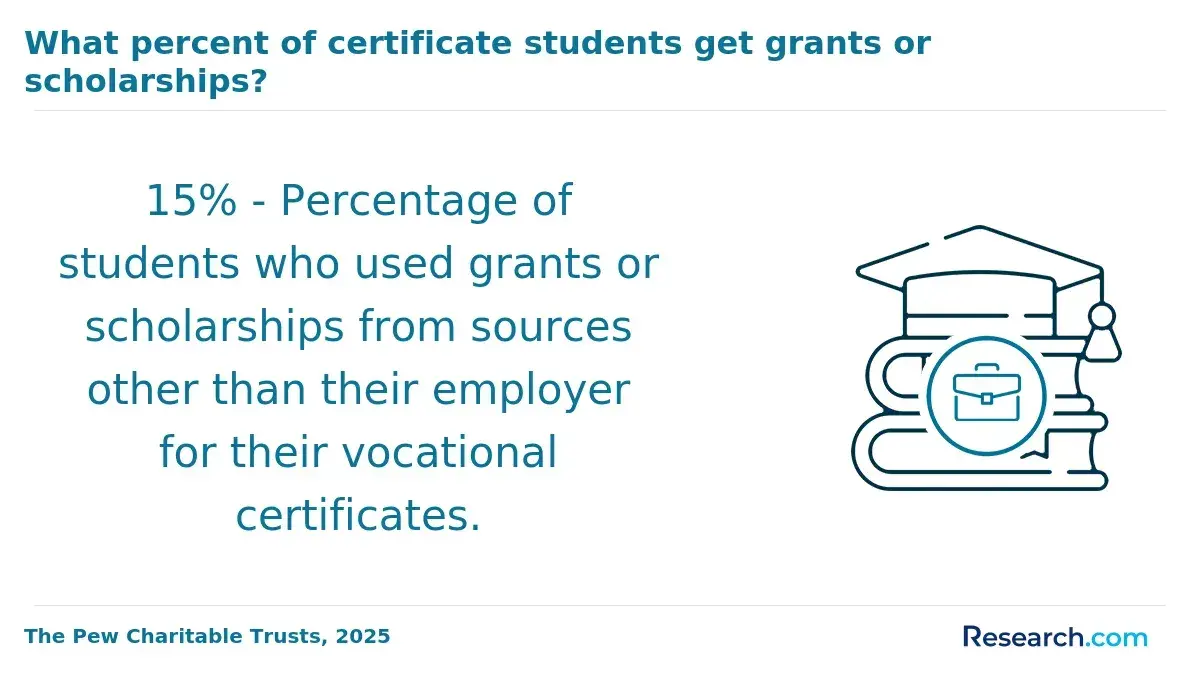
Choosing between certificate and degree programs in community health involves a critical assessment of cost against career trajectory and role eligibility in rural health settings. Certificate programs, such as the University of Kentucky's online Graduate Certificate in Rural Health and Wellbeing priced around $12,000, enable quicker workforce re-entry with focused skills that yield a 23% average salary increase within a year. However, these credentials often confine professionals to specialized or entry-level roles, limiting access to leadership or policy positions that generally require a bachelor's or master's degree.
In contrast, online bachelor's and master's degrees, often exceeding $20,000 and $30,000 respectively, demand significant upfront investment and additional time. These programs unlock wider career pathways spanning administration, research, or broader health systems management but require balancing financial capacity and longer-term commitment.
Funding gaps remain a key obstacle. Employer tuition assistance is uncommon, making scholarships aimed at rural health workers and federal financial aid vital for many. Programs offering flat-rate semester tuition can ease unplanned costs for working students needing extended study periods.
What jobs can you get with a community health degree?
Graduates with a community health degree fill critical roles that address the unique operational challenges of rural healthcare delivery, where resource scarcity and infrastructure gaps are common. For instance, a rural health program manager must expertly allocate limited personnel and funding while facilitating cooperation among public and nonprofit agencies. This contrasts with urban public health roles that often have more robust support systems and infrastructure.
Key positions-such as health educator, community outreach coordinator, and public health analyst-demand not only foundational skills in epidemiology and health promotion but also proficiency in managing data to tailor interventions that reflect demographic and geographic nuances. Employers in rural areas expect candidates who can practically navigate workforce shortages and implement evidence-based solutions under constrained conditions.
Career trajectories can extend into grant writing, policy advocacy, or health services administration, though these shifts often require additional specialization or credentials. The community health degree's flexibility supports movements into epidemiology or health informatics, but entrants should weigh the time and cost of these transitions against immediate job market opportunities.
Financially, bachelor's graduates in health programs demonstrate a median earnings premium of 57% over high school diploma holders post-loan repayment, indicating measurable economic benefit from this pathway despite sector challenges. This premium reflects the degree's capacity to open roles that blend practical impact with fiscal stability, especially for those targeting rural health systems.
How much do rural community health workers earn?
Rural community health worker salaries are constrained by local budgets but vary notably based on education, role specialization, and geographic context. Typical wages range from $43,000 to $56,000 annually, with advanced roles such as coordinators or educators in federally funded programs reaching $65,000 or more. This reality forces rural employers to weigh hiring fewer highly qualified professionals against a larger, less formally educated workforce at lower wages.
For those targeting rural settings, degrees emphasizing epidemiology, program management, and policy can yield a wage premium by aligning skillsets with concentrated local health needs, such as mental health outreach where staffing shortages raise pay. Certification and formal education boost employability and salary but face limits from overall funding structures.
The Centers for Disease Control and Prevention's rural health data reveal a 20% higher preventable mortality rate in rural counties versus metropolitan areas, which increases demand for capable community health workers. Hiring managers often prioritize candidates with proven field experience and credentials, creating a tradeoff for job seekers between practical skills and formal qualifications.
Urban community health workers moving to rural areas should expect some salary compression even with cost-of-living adjustments. Prospective students must consider program placement records and employer partnerships since these factors influence salary growth and long-term career mobility in rural contexts.
What certifications or licenses may rural health careers require?
Licenses and certifications in rural health careers are not optional but foundational to maintaining employer trust and meeting regulatory requirements, with distinct demands depending on the role. For example, a community health nurse in a rural clinic must hold valid nursing licensure and often complete telehealth protocol certifications to deliver remote care effectively and coordinate with local partners.
Telehealth competencies have shifted from optional to essential in rural settings. With telehealth visits surging over 1,200% between 2019 and 2023, and more than 70% of rural clinics routinely using digital care platforms, candidates lacking these skills risk job market marginalization. Employers also prioritize ongoing certifications tied to HIPAA compliance and digital health tools, frequently embedded within continuing education linked to existing licenses.
Failing to layer these certifications limits employability and adaptability as rural clinics increasingly integrate community-based and digital care models. Maintaining current credentials also reduces exposure to legal and compliance risks during audits, making strategic credential stacking a practical necessity rather than a professional luxury.
Other Things You Should Know About Community Health
Community health programs vary significantly in how they integrate cultural competency and rural-specific challenges into their curriculum. Programs that emphasize applied learning through internships or practicums in rural settings offer better real-world preparation. Students should prioritize programs with strong community partnerships and direct exposure to rural populations because these elements strongly influence employer readiness and effectiveness in culturally varied environments.
Online community health degrees often demand consistent weekly engagement, including synchronous sessions, group projects, and fieldwork assignments that can be time-intensive. Students working full-time in rural areas should seek programs with flexible asynchronous options and clear expectations on hands-on practicum hours. Programs lacking flexibility can create conflicts with professional responsibilities, reducing the ability to apply learning effectively.
Degrees with a strong focus on leadership, policy, and program management prepare graduates for supervisory or administrative roles rather than frontline community health work. Conversely, programs centered on direct health education and outreach techniques align better with entry-level positions. Candidates aiming for career progression should prioritize degrees offering electives or certificates in health administration or grant writing, as these skills are often decisive in rural health leadership hiring.
References
- Online Public Health Degrees: Find Your Program https://www.degreesforgood.org/online-degrees/public-health-programs/
- Employment | Join the Team | CHAP https://chapinc.org/employment/
- Community Health Career - Public Health https://www.publichealthonline.org/community-health-career/
- What Is the Difference Between Public Health and Community Health? https://online.worcester.edu/programs/nursing/msn-public-health/public-health-community-health-difference/
- Education and Training of the Rural Healthcare Workforce Overview - Rural Health Information Hub https://www.ruralhealthinfo.org/topics/workforce-education-and-training
- K9, 116.47 in Salaries Paid To Community Health Worker in Rural District Health Center https://www.ombudsman.gov.pg/k9-116-47-in-salaries-paid-to-community-health-worker-in-rural-district-health-center/
- What Is a Community Health Degree? https://www.nec.edu/news/what-is-a-community-health-degree
- The Arkansas Rural Health Academy https://arruralhealth.org/the-arkansas-rural-health-academy-arkansas-rural-health-partnership/
- 11 Types of Healthcare Careers - Education & Requirements https://nursinglicensemap.com/resources/healthcare-careers/
- Online Bachelor’s Degree in Community Health and Wellness https://www.monroeu.edu/academics/undergraduate-programs/school-allied-health-professions/online-bachelors-degree-community