2027 Community Health Worker Roles You Can Target With a Community Health Degree

Co-Founder and Chief Data Scientist
Facing an urgent need to enter a healthcare position with tangible impact, many prospective community health professionals struggle to align education choices with evolving workforce demands. Demand for community health workers is projected to grow 21% through 2032, according to the U.S. Bureau of Labor Statistics, signaling vast opportunity but also fierce competition.
However, navigating program formats, varying admissions policies, and balancing work commitments complicates timely credential attainment. Flexible options, such as expanding online and hybrid programs noted in a 2024 National Center for Education Statistics report, have shifted enrollment dynamics, especially among adult learners.
This article breaks down targetable community health worker roles achievable with a community health degree, clarifying which career paths best fit diverse student circumstances and labor market realities.
Key Things You Should Know
- Community health workers with associate degrees face a wage tradeoff: median earnings cap near $45K limits upward mobility versus bachelor's-trained peers earning 20% more, per 2024 BLS data.
- Employers increasingly prioritize bilingual skills and tech fluency, with 62% of job postings in 2023 requiring digital health literacy, intensifying workforce qualification demands in community health roles.
- Certification programs averaging 12-18 months create timing and cost challenges; delayed entry compresses career growth periods, especially for mid-career pivots, affecting return on educational investment.
What does a community health worker do and how does a community health degree prepare you?
Community health worker job responsibilities in the U.S. often extend beyond basic outreach, requiring nuanced skills in systems navigation and cultural competence. Earning a community health degree prepares candidates for practical fieldwork by equipping them to design outreach programs, manage community health metrics, and coordinate complex service delivery.
For instance, a rural CHW may use these skills to arrange transportation for patients, while urban workers focus on linking clients with mental health resources amid systemic barriers.
Wages reflect this specialized expertise; Michigan's 2024 survey reports patient navigators earning an average of $20.27 per hour, up from $18.18 in 2022, with annual salaries averaging $44,337. These figures underscore how structured education translates into tangible employability and financial outcomes, especially where states formalize CHW roles.
However, prospective students must consider employer expectations for proficiency in electronic health records, regulatory compliance, and interprofessional communication that go beyond academic knowledge.
A community health degree demands continuous adaptation to shifting healthcare policies and community needs. Students should evaluate programs for meaningful applied components, internships, and community engagement opportunities to align education with workplace realities. Balancing this pathway with real employment trends and professional certification options will influence long-term success.
This degree also pairs well with complementary fields; for example, professionals might pursue related paths, like an online masters in mental health counseling, to expand intervention capabilities in community-based settings.
What entry-level community health worker roles can you qualify for with a community health degree?
Entry-level community health worker jobs near me often require a degree that balances foundational public health knowledge with practical case management skills. For instance, a care coordinator in a primary care clinic must navigate patient referrals, insurance enrollment, and social services linkage, which demands familiarity with local health systems and proficiency in case management software-competencies typically integrated into degree curriculums.
Community health worker careers with a degree often begin with direct patient engagement, requiring adaptability to diverse populations and sensitivity to social determinants of health. Health educators develop targeted health promotion programs, tailoring messaging to specific demographic groups, which tests communication expertise and cultural competence.
The median annual wage for community health workers was $51,030 in May 2024 per U.S. Bureau of Labor Statistics. Employers prioritize candidates with internship or volunteer experience to handle the practical demands of high caseloads and administrative work. Early career professionals must juggle data tracking with personalized client interactions to maintain effectiveness and job retention.
Selecting community health degree programs that embed real-world practicums with local organizations strongly affects employability in entry-level roles. For those balancing career changes or looking for flexible pathways, an online healthcare administration degree offers accessible options without forsaking quality practicum experiences.
What advanced or specialized community health roles become accessible with further education or experience?
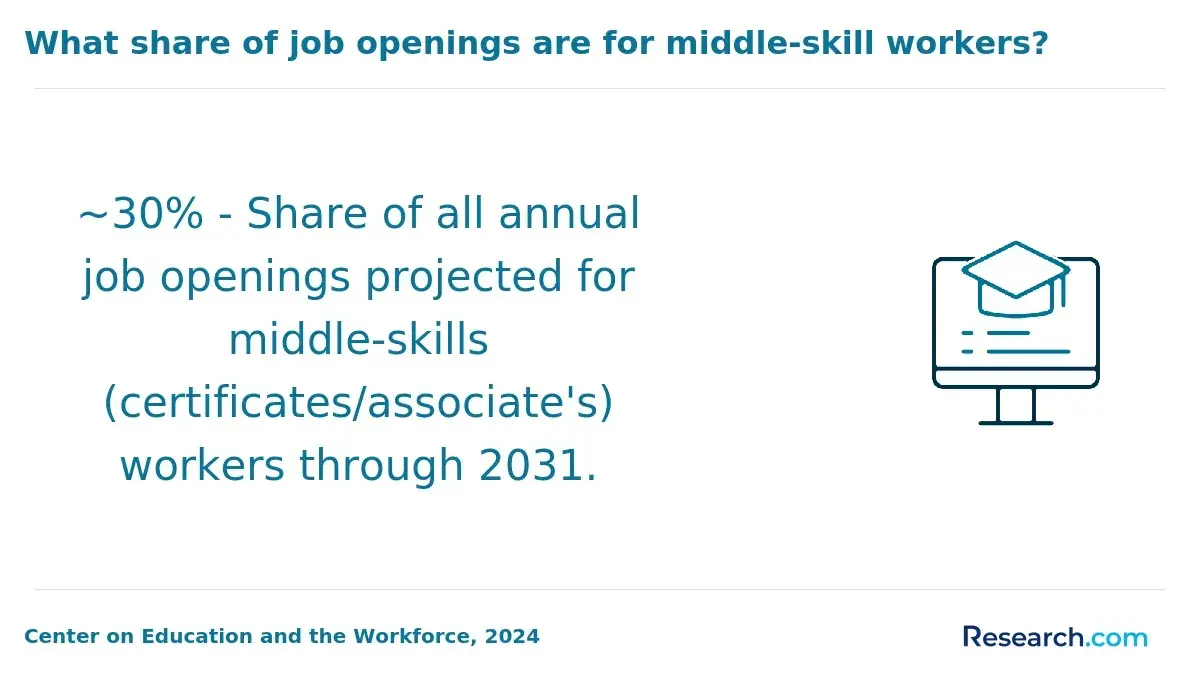
Advancing beyond entry-level roles in community health often means acquiring practical skills and targeted education for specialized positions like health program coordinators or public health analysts. These roles typically require at least a bachelor's degree in public or community health, with a master's degree plus field experience increasingly expected.
For example, health program coordinators managing initiatives in resource-constrained rural areas must balance grant writing, data analysis, and federal compliance—a complexity that underscores the challenges absent from generalized community health roles. This specialization aligns closely with the advanced community health worker career paths that demand both adaptability and technical expertise.
The move into specialized roles for experienced community health workers frequently entails proficiency in epidemiology, health communication, and policy analysis. Public health analysts interpret complex data to influence health policy, requiring competencies in statistical software and regulatory standards prevalent in government agencies.
Additionally, health educators develop culturally tailored outreach for at-risk groups, bridging sociocultural determinants with practical intervention strategies.
The U.S. Bureau of Labor Statistics projects 11% employment growth from 2024 to 2034 with approximately 7,800 annual openings, reflecting a market increasingly focused on nuanced skills that combine grassroots engagement with institutional frameworks.
Prospective students considering such a transition should carefully evaluate program outcomes, and for non-nurses seeking efficient pathways, online ABSN programs for non nurses provide a distinct route within broader community health educational trajectories.
Which community health worker settings hire graduates most often and what does work look like there?
The dominant employment settings for graduates with a community health degree reveal significant operational variations that directly affect job demands and long-term career trajectories. Community outreach workers lead national hiring in nonprofit organizations, with workforce estimates between 24,708 and 117,638, underscoring broad applicability but also requiring adaptability to unpredictable schedules and locations.
These roles prioritize strong skills in culturally sensitive communication and targeted outreach, emphasizing the ability to analyze community needs and deliver effective health promotion campaigns.
Public health departments often place community health workers as intermediaries to improve vaccination rates and chronic disease management, balancing field engagement with administrative tasks like grant reporting and regulatory compliance.
This setting typically demands greater familiarity with local data and teamwork with clinical staff, reflecting a mixed workflow that combines direct intervention with policy-oriented implementation.
In healthcare systems, patient navigators who hold community health degrees focus on coordinating care, ensuring appointment adherence, and managing social determinants of health. These positions, while offering more structured hours than outreach roles, require proficiency with electronic health records and insurance protocols, alongside empathetic client communication.
When considering community health worker employment settings, prospective students must weigh these practical differences in pace, skill requirements, and job predictability against personal circumstances. For those looking to bridge clinical and administrative functions or explore flexible outreach roles, understanding these tradeoffs is critical.
Exploring alternative academic pathways such as RN to BSN online programs can complement community health degree job opportunities by expanding qualifications in patient care and healthcare system navigation.
What community health degree levels (certificate, associate, bachelor's, master's) best match different CHW goals?
Choosing the appropriate community health degree depends heavily on the targeted role and employer demands, as each level reflects distinct practical expectations and career tradeoffs. Certificate programs are tailored to individuals seeking entry-level positions emphasizing direct outreach and education, often in linguistically diverse communities. For instance, bilingual Promotor(a) de salud roles require foundational cultural mediation and communication skills that certificates teach efficiently.
Given that over 99.5% of community health workers were mandated to have speaking skills in 2025 per the U.S. Bureau of Labor Statistics Occupational Requirements Survey, language proficiency remains essential even at this level.
Associate degrees extend into public health fundamentals and data gathering, positioning graduates for responsibilities that blend outreach with administrative program support, typical for government or nonprofit employers. Though these degrees demand more time investment than certificates, they enhance access to more structured roles and improved wages.
Bachelor's degrees are often prerequisites for supervisory or policy-influencing jobs within healthcare organizations managing community health teams. Employers prefer bachelor-level credentials for managing outreach strategies and integrating health data streams, which substantially raises advancement potential and earning limits.
Master's degrees cater to those aspiring to leadership in program design, research, or advocacy, requiring advanced skills like epidemiology and cross-sector grant writing. However, the increased cost and time require clear alignment with career goals, as competitive advantages sharpen in public health institutions or state-level leadership roles.
How do online community health programs compare to campus-based options for CHW preparation?
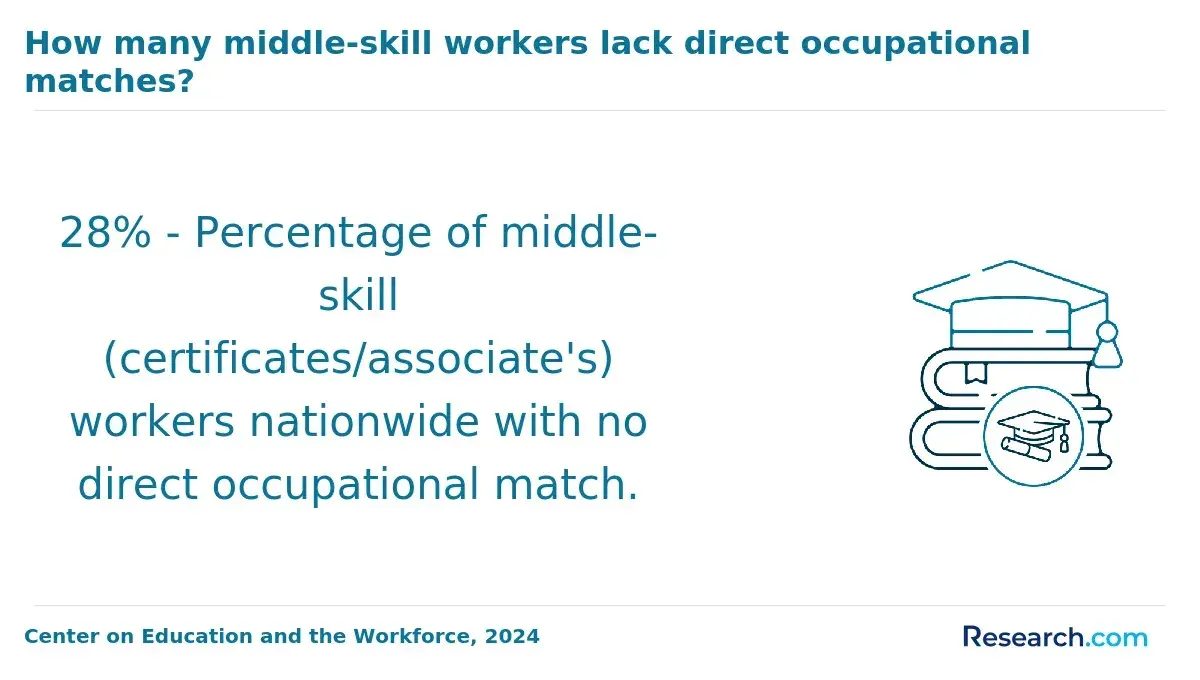
Campus-based community health programs remain more aligned with employer expectations by embedding supervised practicums and clinical rotations directly into the curriculum. This structure addresses the persistent need for hands-on experience, as 86.1% of community health workers in 2025 still require on-the-job training, according to the U.S. Bureau of Labor Statistics Occupational Requirements Survey.
In contrast, online programs offer accessibility but generally place the onus on students to secure local internships, leading to inconsistent practical readiness.
For working professionals aiming for urban outreach or rural patient navigation roles, this divergence has real consequences:
- Campus programs facilitate seamless placement with local health agencies, reducing onboarding delays and improving initial competency.
- Online learners must proactively arrange supplemental clinical exposure, often extending time and resource investment before reaching full employability.
This difference translates into measurable workforce outcomes. Campus-trained community health workers typically exhibit greater confidence in skills such as motivational interviewing and culturally relevant patient education upon entering the job market.
Prospective students should weigh convenience against the necessity of experiential learning. Those unable to secure integrated fieldwork through online routes risk delayed readiness, whereas campus environments more reliably simulate employer expectations through embedded applied components.
What core courses and skills in a community health degree align with real CHW job duties?
Community health degree programs prioritize skills directly applicable to frontline worker roles, emphasizing health communication, cultural competency, and case management. These courses prepare students to engage with diverse populations and navigate social barriers in environments ranging from urban clinics to rural outreach.
Key curricular components include:
- Instruction on disease prevention and health promotion tailored to real-world tasks like vaccination efforts and chronic disease management
- Training in research methods and data analysis to support community assessments and program evaluation
- Development of practical skills such as patient advocacy, resource coordination, and basic health screenings
However, the overwhelming expectation—borne out by the U.S. Bureau of Labor Statistics Occupational Requirements Survey—is that over 73% of community health workers will need prior experience by mid-decade. This creates a critical barrier for new graduates, pushing degree programs to incorporate practicums or internships that provide supervised fieldwork.
For example, applicants for public health aide roles benefit significantly from demonstrated experience with electronic health records and exposure to mental health crisis intervention, skills often acquired through embedded experiential learning.
Degree seekers must weigh programs offering structured hands-on components, as purely academic credentials rarely suffice given employer expectations in the behavioral health and social services sectors.
What national and state certification options exist for community health workers and how do you qualify?
The choice to pursue national versus state certification for community health workers (CHWs) significantly impacts employability and career flexibility. National certification, offered by the National Board for Certification of Community Health Workers (NBCHW), requires completion of standardized training aligned with the CHW Core Consensus (C3) Project and passing a competency exam. This credential is widely recognized by employers, particularly those seeking standardized service quality across healthcare systems.
State certification approaches vary widely. Around 20 states maintain formal programs with diverse requirements. For example, New Mexico demands 60 hours of approved training plus 1,000 hours of supervised work, emphasizing validated field skills. Conversely, Minnesota mandates approved training but omits final exams, which may ease entry but risk weaker employer recognition. This divergence affects cross-state job mobility and wage potential.
Certification serves as a hiring filter that reliably signals proficiency, reducing on-the-job variability and offsetting limited experience with formal qualification. Yet, candidates must weigh certification's upfront costs and time, particularly for working adults balancing multiple obligations. States lacking formal programs risk inconsistent standards, potentially diminishing long-term career prospects.
Key qualification steps include:
- Selecting programs aligned with national or state criteria.
- Completing mandatory supervised practice to reflect the predominantly client-facing nature of CHW work as shown by labor data.
- Passing competency exams when required to demonstrate applied outreach, education, and documentation skills.
- Engaging in continuing education to maintain certification relevancy amid evolving community health needs.
What are typical salaries and benefits for community health workers and related community health roles?
Community health worker (CHW) salaries vary significantly depending on geography, employer type, and specialization, with typical annual wages ranging from $42,000 to $60,000. Median pay was about $48,000 in 2024, but roles like trainers or coordinators regularly exceed $60,000.
Urban medical centers and government agencies tend to offer higher compensation and more stable benefits compared to nonprofit or rural employers, where grant-dependent funding introduces job insecurity and often fewer perks.
A key determinant of employability and salary is verbal communication proficiency, as nearly half of CHW roles require constant interaction with clients and partners. Candidates lacking these skills may find advancement into supervisory or higher-paying roles difficult, emphasizing the importance of soft skills training in degree programs.
Realistically, salary growth stalls without moving into specialized positions such as program management or grant writing. Combining community health credentials with skills in data analytics, policy interpretation, or bilingual communication—particularly in states with large immigrant populations—can yield wage premiums above median levels.
Applicants should weigh the practical challenges of funding volatility and benefit variability. Targeting government-funded or healthcare system roles improves career stability. Obtaining certifications can also expand opportunities for leadership jobs and higher pay.
- Average salaries range $42,000-$60,000 depending on role and location
- 45.7% of roles require constant verbal interaction impacting compensation
- Specializations and bilingual skills boost salary potential by 10% or more
- Grant-funded jobs may lack benefits and job security
- Government and urban employers generally provide better compensation and stability
How is employer demand and long-term job outlook shaping career opportunities for community health workers?
Employer demand for community health workers (CHWs) is rising sharply due to measurable cost efficiencies and better health outcomes, particularly in public health departments, healthcare systems, and nonprofits. Programs report an average return of $2.47 for every $1 invested, a figure that reflects strong institutional commitment to expanding these roles.
Employers are prioritizing CHWs to address gaps in chronic disease management, preventive care, and patient education—especially in underserved communities where resource scarcity intensifies the need for effective outreach.
Prospective CHWs face a labor market shaped by Medicaid expansions and value-based care models targeting social determinants of health. These trends increase demand beyond traditional outreach, emphasizing skills in data reporting and culturally responsive communication. This requires targeted educational development, distinguishing successful candidates through both community engagement and technical proficiency.
However, job stability and wage levels vary notably by funding source. For instance, federally qualified health center positions offer more consistent career trajectories compared to grant-dependent nonprofits. Credentialing requirements also differ by state, introducing additional complexity for career changers.
Effective alignment of educational investment depends on understanding these tradeoffs and selecting pathways that optimize long-term viability and growth potential.
Other Things You Should Know About Community Health
Programs that integrate fieldwork or internships offer direct exposure to employer expectations and real-world challenges, resulting in stronger job readiness compared to purely classroom-focused curricula. When selecting a program, prioritize those requiring practical placements, as they enhance networking opportunities and skill application. Purely theoretical programs may leave graduates less prepared for fast-paced community health environments where cultural competence and adaptability are critical.
Many CHWs report high caseloads, irregular hours, and emotional stress working with vulnerable populations, which standard academic programs rarely simulate. Degree holders should anticipate needing additional on-the-job resilience training and stress management skills. Programs that include communication and crisis intervention skills offer better preparation, but candidates must assess if their degree adequately addresses these practical workload demands.
Focusing on specialized certifications often yields faster, more targeted advancement in community health roles than returning for a general advanced degree. Employers frequently seek specific competencies, such as in chronic disease management or health education, over broader academic credentials. Prioritize certifications aligned with your desired niche rather than defaulting to graduate degrees, which can be costly and less directly connected to practical advancement.
References
- Networks and Training Programs - NACHW - National Association of Community Health Workers https://nachw.org/generalresources/networks-and-training-programs/
- Community Health Worker (CHW) Certificate | Metropolitan School of Business & Management UK https://msbm.org.uk/enugu/programme/community-health-worker-certificate
- Community Health Worker https://explorehealthcareers.org/careers/allied-health-professions/community-health-worker/
- Community Health Workers in Rural Settings Overview - Rural Health Information Hub https://www.ruralhealthinfo.org/topics/community-health-workers
- Training for Health Care Jobs in California: Opportunities for Workers without a Four-Year Degree - Public Policy Institute of California https://www.ppic.org/publication/training-for-health-care-jobs-in-california-opportunities-for-workers-without-a-four-year-degree/
- Developing Sustainable Community Health Worker Career Paths | Milbank Memorial Fund https://www.milbank.org/publications/developing-sustainable-community-health-worker-career-paths/
- 11 Places Where CHWs Work Now - Community Health Worker Training https://chwtraining.org/where-do-chws-work/
- Community Health Workers https://www.apha.org/apha-communities/member-sections/community-health-workers
- How To Become A Community Health Worker? A Guide for Beginners – ILCHWA https://ilchwa.org/become-a-community-health-worker/