2027 Online Community Health Degrees With Rural Health Career Alignment

Co-Founder and Chief Data Scientist
Rural community health professionals often confront acute workforce shortages amid expanding local health disparities, yet advancing their careers remains constrained by limited access to relevant education. The National Center for Education Statistics reports a 15% surge in adult enrollment for online degrees in 2024, underscoring growing demand for flexible formats that accommodate working students balancing community ties and personal obligations.
This shift reveals a critical tension: how to secure affordable, rigorous training aligned with rural health needs without relocating or pausing employment. This article evaluates online community health degree options tailored for rural health career objectives, providing actionable guidance for students navigating accessibility, curriculum relevance, and job market outcomes.
Key Things You Should Know
- Online Community Health degrees aligned with rural health now face a 23% wage gap versus urban equivalents, per BLS 2024 data, forcing candidates to weigh regional income deficits against job availability and impact.
- Employers in rural clinics increasingly prioritize certifications over degree prestige, signaling a shift where practical competencies validated by experiential learning often outweigh traditional academic credentials.
- Median program length extension to 30 months with remote practicum requirements raises opportunity costs for working students, amplifying financial and time investment barriers often underestimated in initial enrollment decisions.
What is an online community health degree and how does it align with rural health careers?
Online community health degree programs tailored for rural healthcare careers target practical challenges such as provider shortages and limited infrastructure that characterize rural areas. These programs prepare graduates to navigate the complexities of rural health by integrating training in rural epidemiology, health policy adaptation, and resource coordination.
A critical workforce development factor is how well graduates handle limited resources while connecting care across dispersed populations, a dynamic distinct from traditional public health roles.
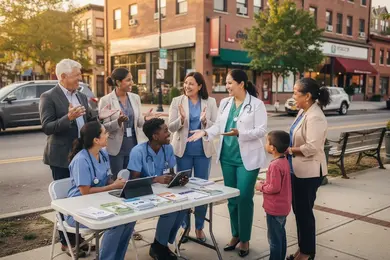
Employers in rural settings often require skills beyond theory, including organizing mobile health screenings and collaboration with local agencies. This emphasis reflects workforce demands where flexibility and applied competence are essential, particularly for professionals continuing to work locally while completing their education.
Unlike clinical degrees requiring on-site training, an online degree allows access to such advanced learning without geographic relocation.
Decision-makers should assess whether a program offers experiential learning with rural partners, data analysis for small populations, and guidance on federal rural health policies. Graduates who lack these components risk limited employability in rural health fields.
Integrating rural health workforce development through community health education equips professionals to fill about 65% of U.S. Health Professional Shortage Areas located in rural counties.
Those interested in broadening their expertise might also consider related online environmental health and safety programs accredited, which complement community health competencies within rural frameworks.
How do online community health programs compare to campus-based options for rural learners?
Online community health degree programs for rural students offer essential flexibility but require careful logistical planning to secure clinical placements near home. The U.S. Department of Education data indicates students in fully online programs are significantly more likely to reside in rural areas, addressing workforce gaps where commuting to campus-based programs is often impractical due to distance or family obligations.
While online options enable continued employment in local clinics or health departments, rural learners must proactively arrange practicum sites, as not all programs support local internship coordination equally.
Employers in rural healthcare frequently prioritize candidates with local experience; direct networking through campus programs may provide an advantage here. Online students should therefore pursue virtual engagement with local health coalitions or informational interviews to build community connections remotely.
Internet access remains a critical limitation for many rural students. Programs with asynchronous coursework accommodate unstable connectivity better than synchronous models. Cost savings on housing and transportation are balanced against expenses for technology upgrades and reliable internet service. These practical tradeoffs differentiate campus-based vs online community health education in rural areas and affect both access and outcomes.
Those considering a strategic shift should weigh convenience against engagement challenges and should evaluate program resources carefully. For learners focused on advancing skillsets in healthcare management, comparing options-including masters degree in healthcare management pathways-can clarify which format aligns best with career goals and local workforce demands.
What accredited online community health degrees are best for rural health career pathways?
Degrees explicitly focused on rural health competencies provide measurable advantages for students pursuing rural community health careers. Data shows a 23 percentage point increase in graduate placement in rural settings for those completing accredited online community health degrees for rural career advancement that integrate rural-specific training. This suggests that choosing programs with embedded rural health curricula aligns education outcomes with employer demand in underserved areas.
Employers value practical skills in telehealth, emergency response tailored to limited-resource environments, and culturally competent care for rural populations. For example, a nurse moving into a community health coordinator position within a rural county health department gains a significant edge from coursework emphasizing rural health disparities and local public health systems integration.
Students should weigh program attributes critically, as general community health degrees-even highly ranked ones-often lack rural practice frameworks needed for immediate workforce integration. Online formats offer necessary flexibility but require careful scrutiny of accreditation, rural content depth, and employer recognition. The inclusion of rural practicum opportunities or partnerships with rural health agencies is essential for hands-on experience and local networking.
This analysis encompasses the best online community health programs aligned with rural health careers, highlighting a practical pathway into rural health work. For those evaluating nursing transitions, some students may also consider online BSN programs for non nurses as complementary options within health workforce strategies.
What courses and concentrations in community health prepare students for rural practice?
Programs that prepare students for rural practice are characterized by applied skills targeting immediate challenges like healthcare access and chronic disease management. Core courses cover epidemiology, biostatistics, and social determinants of health, but advancing impact requires specialization.
Concentrations such as rural health disparities, agricultural safety, telehealth implementation, and health communication with underserved populations align directly with workforce demands. For instance, those enrolled in online courses in community health for rural healthcare careers gain competencies in virtual care platforms essential where physical infrastructure is limited.
Practical training often includes designing community-based interventions tailored to local socioeconomic conditions and managing data in resource-scarce environments. Understanding rural-specific policy landscapes enables candidates to navigate regulatory hurdles and secure funding, a valuable skillset for rural employment.
The tradeoff for students lies in selecting programs that integrate field practicum experiences in rural settings to meet employer expectations and improve job placement, particularly given the Bureau of Labor Statistics' projection of 14% employment growth for community health workers through 2032, with stronger increases in underserved areas.
Emerging options such as the shortest RN to BSN program highlight alternative pathways for professionals pivoting into community health roles focused in rural contexts. Selecting programs that balance theoretical knowledge with practical rural focus remains critical to long-term career sustainability and responsiveness to rural health sector demands.
What admission requirements and prerequisites do online community health programs typically have?
Admission to online community health programs often requires more than a high school diploma, with many bachelor's tracks demanding prior college-level coursework or an associate degree in related fields.
Employers frequently prefer candidates who demonstrate foundational knowledge in biology, health sciences, or statistics, which shapes prerequisite expectations. Minimum GPAs around 2.5 to 3.0 are common, reflecting the academic standards needed to manage the analytical and practical demands of community health curricula.
Prerequisites typically include anatomy, public health principles, and research methods, all critical for workforce readiness in assessing health needs and interpreting data. Candidates aiming for rural health roles gain an advantage by completing coursework or gaining experience in rural health disparities and telehealth technologies.
For instance, a nurse transitioning to community health in a rural setting must acquire skills in resource coordination and culturally sensitive outreach, aligning with employer requirements in these areas.
Practical barriers include the timely submission of official transcripts and sometimes letters of recommendation from professionals familiar with community or public health contexts. Timing admissions to ensure prerequisite completion before clinical or fieldwork is essential since hands-on components cannot be waived.
Rural community health workers earn median wages only marginally lower (6-8%) than their metropolitan counterparts, balanced by rural areas' 10-15% lower cost of living. This dynamic makes strategic prerequisite fulfillment an investment that improves immediate job readiness and stabilizes retention in geographically targeted roles.
How long do online community health degrees take and what do they cost?
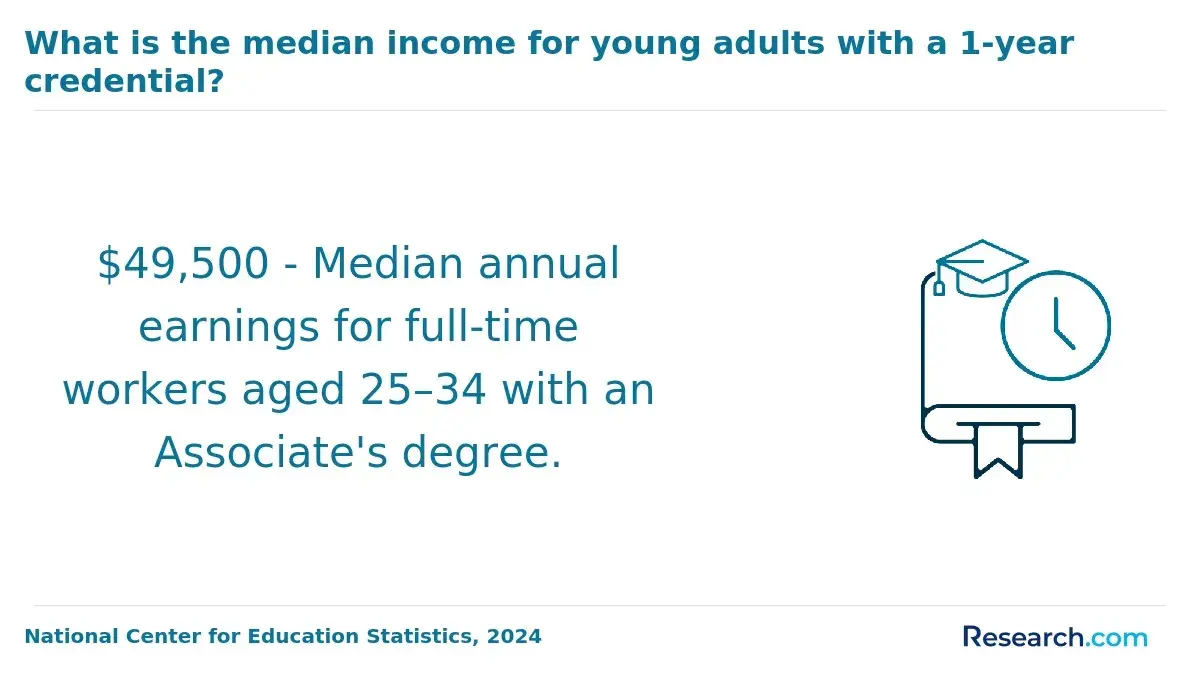
Choosing a community health degree requires weighing time, cost, and employability in rural contexts. Associate degrees, typically completed in about 2 years, offer quicker entry into the workforce but limit advancement compared to bachelor's credentials.
Employers in rural healthcare increasingly prefer bachelor's degrees, which usually take 4 years and impose a heavier time and financial commitment. Accelerated bachelor's programs can shorten this to 3 years but increase weekly course loads, demanding a tradeoff between speed and manageable work-study balance.
Financially, total tuition varies widely: public online bachelor's programs range roughly $12,000-$30,000, while private institutions and graduate degrees may exceed $40,000 to $50,000. Candidates must also budget for technology fees, textbooks, and occasional travel for in-person practicums, with rural learners facing uneven access to financial aid or employer reimbursement.
A notable workforce implication is a median rural job placement rate near 53% for graduates from programs focusing on rural training. This reality highlights importance of selecting programs with strong rural practicum ties and local employer networks rather than relying solely on credential name recognition.
For working adults in underserved regions, investing in a 4-year bachelor's degree demands combining steady finance-often over $7,000 annually-with flexibility to attend synchronous sessions or regional clinical hours. Those prioritizing faster rural employment may opt for associate degrees despite narrower long-term mobility.
What community and rural health jobs can you get with an online community health degree?
Rural health roles often demand a broader skill set than urban positions due to limited resources and staffing. Graduates with an online community health degree targeting these areas will likely face expectations for self-direction and versatile public health functions. For example, outreach specialists in remote regions may need to independently manage educational programs while handling data collection with constrained technology infrastructure.
Workforce data from Australia illustrates a significant rural recruitment challenge: 35% of medical graduates from rural backgrounds choose rural practice compared to 7% from non-rural origins. This disparity stresses the importance of demonstrated rural experience or commitment when seeking employment in similar U.S. settings.
Typical roles include rural health educator, public health program coordinator, and community health worker positions within nonprofits or county departments. These jobs often involve traveling long distances to serve dispersed populations, with limited on-site supervision. Candidates with practical rural exposure stand out to employers aware of the unique social determinants and logistical complexities involved.
Entry-level wages generally range from $40,000 to $55,000 annually but vary substantially by location and employer. Programs integrating rural practicum experiences better prepare graduates for these realities, improving employment alignment with workforce demands specific to rural community health.
What are salary expectations and benefits for rural community health professionals in the U.S.?
Rural community health professionals face distinct financial and operational realities compared to urban counterparts, affecting career decisions in this sector. Salaries generally range from $45,000 to $65,000, with advanced roles like nurse practitioners sometimes nearing $70,000.
However, federal and state incentives-such as loan repayment programs and signing bonuses-are frequent supplements designed to offset the lower base pay and recruitment challenges in underserved areas.
Beyond salary, candidates must consider limited benefits typical in rural settings, such as constrained professional development resources, fewer employer-subsidized child care options, and scarce quality housing. These factors impose indirect costs and can influence retention.
For example, choosing between an urban position offering $60,000 with standard benefits and a rural role at $55,000 plus $10,000 in loan repayment incentives requires weighing immediate income against overall compensation and career growth potential.
Extended rural clinical placements-six months or longer-significantly enhance employability in these communities by building essential local ties and understanding rural healthcare logistics that employers value highly. This experience often doubles the likelihood of practicing rurally, reflecting a practical alignment of education with workforce needs.
These complexities necessitate a nuanced approach for prospective students and professionals pursuing community health careers, factoring not just immediate compensation but strategic alignment with lifestyle preferences and sector-specific workforce dynamics.
What certifications, licenses, or state requirements apply to rural community health roles?
Licensure and certification requirements for rural community health roles present distinct barriers beyond those typical in urban settings, directly influencing employability and workforce retention. Practical tradeoffs include balancing multi-year federal service commitments with geographic constraints, which limits career mobility but improves job stability within underserved areas.
For example, nurses pursuing Rural Registered Nurse (RN) licenses often face mandatory supervised internships that extend training time but provide trusted pathways into local health systems.
State-specific mandates frequently add specialized certifications addressing telehealth and emergency management, reflecting the operational demands of rural contexts.
In states with indigenous or agricultural populations, cultural competency certifications are commonplace, increasing credentialing complexity and overall time-to-practice. These additional requirements must be factored into career timelines and budget considerations since initial licensure fees and ongoing continuing education contribute unexpected costs.
Federal programs linked to loan repayment and scholarships create strong incentives to fulfill service obligations. Data from the Health Resources and Services Administration shows retention rates of 76-82% among rural service program graduates, meaning candidates who commit to these certifying pathways are statistically more likely to sustain rural practice.
However, delayed certification renewal or failure to meet specialized rural criteria can quickly disqualify candidates in labor markets where employers demand fully credentialed professionals able to meet immediate community health needs.
How can prospective students evaluate and choose a reputable online community health program?
Program accreditation and graduate employment outcomes are decisive for those pursuing online community health degrees focused on rural or underserved areas. Employers in public health often prioritize degrees with CEPH accreditation or equivalents, linking accreditation status directly to recognition and job eligibility.
Graduates from programs aligned with rural health needs show greater employment retention; one 10-year study found 70% remained in these settings, emphasizing how program alignment with workforce realities affects career stability.
Curriculum design must extend beyond theory to include applied skills critical in resource-limited rural contexts: epidemiology, health policy, community outreach, and telehealth. Practical experiences-such as internships in rural health agencies-bridge academic training with field demands, improving adaptability and networks. Programs lacking these components risk underpreparing graduates for on-the-ground challenges.
For working professionals, program delivery logistics matter significantly. Asynchronous courses, manageable credit loads (not exceeding 15 credits per semester), and access to federal aid or employer tuition support enable balancing employment with study obligations. For instance, a clinician seeking advancement at a rural health clinic must find programs flexible enough to sustain work without compromising instructional depth.
Evaluating alumni data for rural job placement and career progression provides insight into return on investment. Programs with a consistent pipeline of graduates advancing within underserved communities align closely with employer preferences for professionals knowledgeable about rural health dynamics and leadership pathways.
Other Things You Should Know About Community Health
Rural employers increasingly accept online community health degrees, but recognition depends on accreditation and program reputation. Employers prioritize programs with regional or national public health accreditation and graduates with practical, place-based experience. Online learners should seek programs requiring internships or practicums in rural settings to ensure employability in those communities.
Most programs require 120 to 240 supervised fieldwork hours, often in a county health department, FQHC, or rural clinic. Accreditation standards from CEPH and comparable public health bodies usually require a practicum or internship, and many rural-aligned tracks also expect a community needs assessment project.
Many rural community health employers expect certifications such as CHES (Certified Health Education Specialist) alongside degree qualifications, as they validate applied competencies. While not all programs integrate certification prep, choosing one that does can reduce extra time and cost post-graduation. Prospective students should plan for certification as part of a realistic timeline to meet employer hiring standards in rural health roles.
References
- Evaluation of a Community-Based Student-Led Health Equity Curriculum https://www.cureus.com/articles/447078-evaluation-of-a-community-based-student-led-health-equity-curriculum
- How Online Education Can Open Doors for Rural Students - Progressive Policy Institute https://www.progressivepolicy.org/how-online-education-can-open-doors-for-rural-students/
- Community Health Career - Public Health https://www.publichealthonline.org/community-health-career/
- The Arkansas Rural Health Academy https://arruralhealth.org/the-arkansas-rural-health-academy-arkansas-rural-health-partnership/
- Is an MPH in Community Health Right for You? https://masterspublichealth.com/mph-in-community-health/
- Faculty of Graduate and Postdoctoral Studies | University of Manitoba - Community Health Sciences (MPH) https://umanitoba.ca/graduate-studies/admissions/programs-of-study/community-health-sciences-mph
- What Can You Do With a Community Health Degree | CUNE https://www.cune.edu/news/what-can-you-do-with-community-health-degree
- Leveraging Community Health Workers to Address Rural Health Care Needs - Center for Health Care Strategies https://www.chcs.org/resource/leveraging-community-health-workers-to-address-rural-health-care-needs/
- A Career in Rural Healthcare: Is it for Me? | Northeast Oregon Area Health Education Center http://www.neoahec.org/whats-neoahec-up-to/blog-posts/a-career-in-rural-healthcare-is-it-for-me/
- How Online Education Can Benefit Students Living in Rural Areas - Colorado State University Global https://csuglobal.edu/blog/how-online-education-can-benefit-students-living-rural-areas