2027 How to Become a History Teacher in Ohio: Requirements & Certification

Co-Founder and Chief Data Scientist
Becoming a history teacher in Ohio is a licensing decision, not just a degree choice. You need the right educator preparation program, the correct Ohio teaching license, passing scores on required assessments, and classroom experience that prepares you to teach social studies or history at the grade level you want. The path matters because Ohio has reported a decline in newly credentialed teachers: according to the Ohio Department of Education & Workforce (2023), the number of new teaching licenses issued dropped between 2013-14 and 2018-19, briefly stabilized from 2020-21, and dipped again the following year.
This guide explains how to become a history teacher in Ohio, including degree and licensure requirements, certification reciprocity, grants and scholarships, salary expectations, career paths, professional development options, and practical ways to choose the right preparation route. It is designed for prospective college students, career changers, substitute teachers, out-of-state educators, and current teachers considering an additional subject area.
Quick answer: How do you become a history teacher in Ohio?
To become a history teacher in Ohio, you typically complete a bachelor’s degree through an approved educator preparation program, finish student teaching or a comparable clinical experience, pass the required Ohio Assessments for Educators (OAE), complete background checks, and apply for an Ohio Resident Educator License with the appropriate social studies or history-related teaching field. Out-of-state teachers may apply through Ohio’s licensure evaluation process, but they may need additional testing, coursework, or documentation depending on their prior license and preparation program.
Key Things You Should Know About Becoming a History Teacher in Ohio
- Ohio needs properly credentialed teachers, especially in subjects where certification gaps exist. Middle school social studies is the fourth most commonly taught course by teachers without proper certification, according to the Ohio Department of Education & Workforce (2023).
- The commonly cited job outlook for Ohio history teachers shows projected growth ranging from 3% to 7% from 2020 to 2030, with openings influenced by retirements, enrollment patterns, and district staffing needs.
- History teachers in Ohio earn an average annual salary of approximately $49,281, with a reported range between $41,142 and $60,122 (Salary.com, 2024). Pay varies by district, contract schedule, education level, experience, and school type.
- Strong history teachers do more than cover dates and events. They teach evidence evaluation, civic reasoning, source analysis, writing, discussion, and historical thinking.
- Digital archives, interactive maps, project-based learning, and primary-source analysis are becoming more important in history classrooms, but teachers still need sound pedagogy and alignment with Ohio standards.
- Ohio history teacher requirements
- Grants and scholarships for aspiring teachers
- Ohio history teacher certifications
- Reciprocity for out-of-state teachers
- Ohio history teacher salary
- Career paths for history teachers
- Professional development options
- Next steps for aspiring Ohio history teachers
- Alternative career pathways
- Advanced degrees and career growth
- Trends reshaping history education
- Policy changes affecting history education
- Working with school librarians
- Additional certifications for broader options
- Teaching history in private schools
- Cross-disciplinary certifications
- Resources for Ohio history teachers
- Collaboration with art educators
- Is Ohio a good state to teach in?
- Challenges of teaching history in Ohio
- Curriculum inclusivity in Ohio history classes
- Ohio teacher certification types and career options
- Key insights
What are the requirements to become a history teacher in Ohio?
Ohio history teachers must meet state licensure standards before teaching in public schools. The exact license depends on the grade band and subject assignment, but the core pathway usually includes an approved degree program, supervised classroom practice, required assessments, and a state license application.
| Requirement | What it means for aspiring history teachers | Why it matters |
| Bachelor’s degree | Complete a bachelor’s degree, usually in education, history education, social studies education, or a closely related field that includes teacher preparation. | Ohio public school teachers need academic preparation in both subject matter and teaching methods. |
| Approved educator preparation program | Finish a state-recognized teacher preparation program with coursework in pedagogy, assessment, classroom management, and social studies instruction. | Completing an approved program helps you qualify for initial licensure and prepares you for classroom expectations. |
| Clinical experience or student teaching | Complete supervised fieldwork in schools, typically including observation, lesson planning, instruction, and feedback from mentor teachers. | Districts want evidence that new teachers can manage real classrooms and teach diverse learners. |
| Ohio Assessments for Educators | Pass the required OAE exams, including content assessments tied to the teaching field. | Ohio uses these assessments to verify professional knowledge and subject readiness. |
| Background checks | Complete the required criminal background checks as part of the licensure process. | Schools must follow student safety and employment eligibility rules. |
| Resident Educator License | Apply for the initial Ohio teaching license with the correct grade band and subject designation. | This is the entry license that allows new educators to begin teaching while completing early-career requirements. |
One important decision is whether you want to teach middle school social studies, high school history, or broader social studies courses. The title “history teacher” is often used informally, but school assignments may include U.S. history, world history, government, economics, geography, or integrated social studies, depending on the district and the license area.
Ohio’s certification gap makes proper preparation especially important. The Ohio Department of Education & Workforce (2023) reported that middle school social studies is the fourth most commonly taught course by teachers without proper certification. Candidates who complete the correct licensure route can help districts fill these roles with qualified educators.
Typical timeline to become a licensed history teacher in Ohio
| Stage | Typical focus | Decision to make |
| Before college or career transition | Explore grade levels, observe classrooms, compare education programs, and review Ohio licensure requirements. | Do you want middle school, high school, or another education setting? |
| Undergraduate preparation | Complete content coursework, education coursework, field observations, and required program milestones. | Does the program lead to the Ohio license you actually need? |
| Student teaching | Teach under supervision, build lesson plans, assess student work, and receive formal feedback. | Does your placement match your intended grade band and subject area? |
| Licensure testing and application | Pass the OAE requirements, complete background checks, and apply for the appropriate Ohio license. | Have you confirmed all documents, test scores, and institutional recommendations are submitted? |
| First years of teaching | Complete mentoring and professional learning tied to the Resident Educator pathway. | What support does the hiring district provide for new teachers? |
Are there grants or scholarships available for aspiring history teachers in Ohio?
Yes. Ohio students preparing to become teachers may qualify for state, federal, district-based, institutional, or local scholarships. The best option depends on financial need, school choice, enrollment status, service commitments, and whether you are willing to teach in a designated district or high-need setting after graduation.
| Funding option | Amount stated | Best for | Important caution |
| Ohio College Opportunity Grant | Up to $4,700 per academic year | Low- to moderate-income students attending eligible Ohio colleges | Award amounts depend on financial need and enrollment status. |
| TEACH Grant | Up to $4,000 per year | Students willing to teach in qualifying high-need fields or low-income schools | If you do not meet the service obligation, the grant can convert into a loan. |
| Grow Your Own Teacher Scholarship Program | Up to $7,500 per year for four years | Students or staff recruited by Ohio school districts to become teachers | Recipients agree to teach in their home district for at least four years. |
| Local education foundations | Often $1,000 to $5,000 | Students with strong academics, community ties, or a demonstrated commitment to teaching | Eligibility, deadlines, and renewal rules vary by county or foundation. |
Before accepting a grant tied to a service requirement, read the full agreement. Ask what happens if you change majors, teach in a different district, pause enrollment, or cannot find a qualifying job immediately after graduation. A scholarship can reduce your costs, but a misunderstood service obligation can create repayment problems later.
Students comparing teacher preparation costs may also benefit from looking at how other states structure licensure and funding. For example, reviewing the steps to become a teacher in Oklahoma can help you understand how requirements differ across states, especially if you are considering relocation or reciprocity later.
Do history teachers need special certifications in Ohio?
Ohio public school history teachers need a valid teaching license with the correct grade band and subject-area designation. In practice, this usually means completing an educator preparation program and passing the appropriate OAE content assessment for the social studies or history-related teaching field.
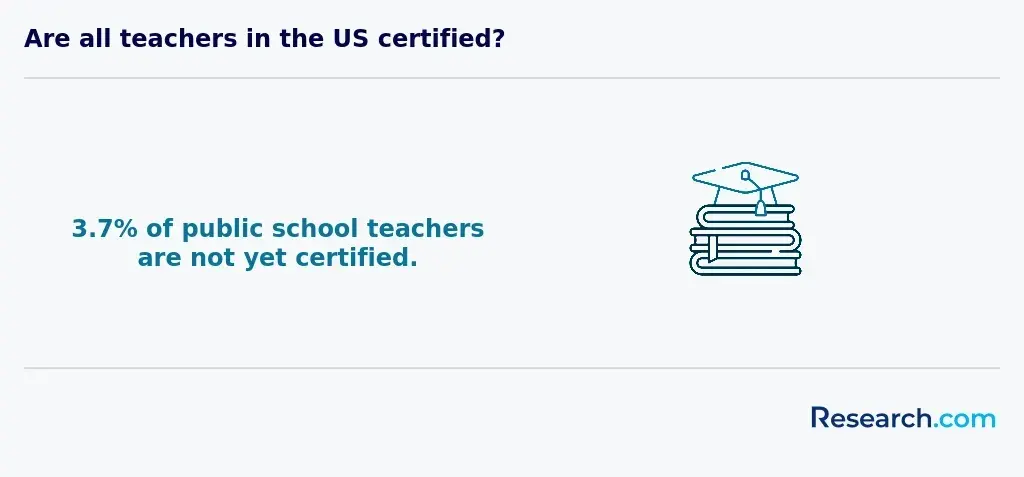
The state’s credentialing process is meant to verify that a teacher can do three things: understand historical content, teach it effectively to students at the assigned grade level, and manage classroom responsibilities under Ohio’s professional standards. Nationally, 3.7% of public school teachers are not yet fully certified, which underscores why schools and states continue to emphasize licensure compliance.
What certification decision should you make first?
Start with the grade level. A candidate who wants to teach seventh-grade social studies may need a different preparation route than someone seeking to teach high school U.S. history or world history. Do not choose a degree program based only on the major title. Confirm that it leads to the exact Ohio license and endorsement area required for the jobs you want.
- If you want to teach middle school: Ask whether the program prepares you for middle childhood social studies or the appropriate middle-grade credential.
- If you want to teach high school: Confirm whether the program prepares you for secondary social studies or another license aligned with high school history courses.
- If you are already licensed: Ask Ohio’s licensure office or your district HR department whether you need an additional endorsement, added teaching field, or testing.
- If you are changing careers: Ask whether an alternative or post-baccalaureate route is available and whether it includes supervised teaching experience.
Is there certification reciprocity for history teachers in Ohio?
Ohio does consider out-of-state teaching credentials, but reciprocity is not automatic approval. The state reviews each applicant’s degree, educator preparation program, license history, testing record, background check, and teaching experience to determine whether the candidate meets Ohio standards or must complete additional steps.
Out-of-state history teachers should be prepared to provide:
- Proof of a bachelor’s degree
- Documentation of a completed educator preparation program
- Current or prior teaching license information
- Passing scores on required content assessments, if applicable
- Background check results
- Teaching experience records, when required for the license type
If you are moving to Ohio, start the licensure review before applying broadly to jobs. Districts may interview promising candidates, but hiring timelines can be affected if the state needs additional documentation, test scores, or coursework.
Questions out-of-state teachers should ask
- Does my current license match Ohio’s grade band and social studies or history teaching field?
- Will Ohio accept my preparation program, or will I need additional coursework?
- Do I need to take an Ohio-specific content or pedagogy assessment?
- How long does the credential evaluation process usually take?
- Can I work under a temporary or alternative license while completing remaining requirements?
How much do history teachers make in Ohio?
History teacher pay in Ohio depends on district salary schedules, years of experience, education level, school type, and whether the role is in K-12 or postsecondary education. Salary.com reported an average annual Ohio history teacher salary of approximately $49,281, with a range between $41,142 and $60,122 (Salary.com, 2024). The average teacher starting salary is around $40,055, while more experienced educators can earn up to $60,000 annually. Teachers in higher educational institutions can expect to earn $99,909 (National Education Association, 2024).
| Salary figure | Amount stated | How to interpret it |
| Average Ohio history teacher salary | Approximately $49,281 annually | A general benchmark; actual pay depends heavily on local contracts and experience. |
| Reported history teacher salary range | $41,142 to $60,122 | Useful for planning, but not a guarantee for any specific district or job offer. |
| Average teacher starting salary | Around $40,055 | Relevant for new teachers entering public school salary schedules. |
| Experienced educator earnings | Up to $60,000 annually | Often influenced by years of service, graduate credits, and district funding. |
| Teachers in higher educational institutions | $99,909 | Reflects a different employment sector and should not be treated as typical K-12 pay. |
| Postsecondary history teachers | $81,210 | Usually requires advanced graduate education and may involve research or college-level teaching. |
What affects a history teacher’s pay in Ohio?
- District contract: Public school pay is often determined by a negotiated salary schedule based on education and years of service.
- Graduate education: Advanced degrees or approved graduate credits may improve placement on a salary schedule, depending on the district.
- Experience: Teachers generally earn more as they move through salary steps, although the pace varies by employer.
- School type: Public, private, charter, and postsecondary institutions may use different compensation models.
- Additional roles: Coaching, department leadership, curriculum work, summer school, or extracurricular duties may provide extra compensation in some districts.
Compensation should be evaluated alongside benefits, retirement contributions, class size, planning time, union representation, commute, mentoring, and professional development support. A higher salary may not offset a poor fit if the school offers limited support to new teachers.
Educators who want to widen their long-term options may also explore related areas such as special education specialist roles, instructional coaching, curriculum development, or administration. These routes usually require additional preparation, but they can make a teacher more versatile.

What career paths are available for history teachers in Ohio?
A history teaching license can lead to more than one type of education career. Many teachers begin in middle or high school classrooms, then move into curriculum, leadership, higher education, consulting, or public history roles after gaining experience.
| Career path | Typical responsibilities | When it makes sense |
| Middle school social studies teacher | Teach foundational history, geography, civics, and social studies skills to early adolescents. | Best for educators who enjoy developmental teaching, structure, and broad social studies content. |
| High school history teacher | Teach U.S. history, world history, government, economics, or related social studies courses. | Best for candidates who want deeper content specialization and discussion-based instruction. |
| Curriculum coordinator | Design instructional materials, align courses to standards, support teachers, and review assessment data. | Best after several years of classroom experience and strong curriculum design skills. |
| University lecturer or professor | Teach college-level history courses, conduct research, publish scholarship, or advise students. | Usually requires graduate education and a strong academic record. |
| Educational consultant | Advise schools, nonprofits, or education organizations on social studies instruction, assessment, or curriculum. | Best for experienced teachers with specialized expertise and strong communication skills. |
| School administrator | Lead staff, manage school operations, support instruction, and implement policy. | Requires leadership preparation and is suited to teachers interested in systems-level impact. |
History training can also support work outside K-12 classrooms. Diplomats, who often need advanced degrees and international relations expertise, can earn around $98,863 annually. Research scientists in historical or social science fields can earn approximately $88,587 per year. These are not automatic outcomes of a history education degree, but they show how research, writing, cultural knowledge, and analytical skills can transfer into other fields.
With around 54,000 teachers and educational staff nationwide leaving their positions in June alone, districts may continue looking for prepared educators. Still, candidates should research local hiring conditions instead of assuming every district has the same level of demand.
This chart illustrates the difference in wages among history teachers and other related jobs.
What professional development opportunities are available for history teachers in Ohio?
Professional development is not optional for effective history teaching. New teachers need mentoring, experienced teachers need updated instructional strategies, and all educators need support for teaching complex topics with accuracy, evidence, and care.
- Resident Educator Program: Ohio’s early-career support structure includes mentoring and professional learning. Participants must complete two years of locally determined mentoring activities and pass the Resident Educator Summative Assessment (RESA) to qualify for professional licensure.
- Ohio Education Association: The OEA offers conferences, training, updates, and resources. Its Micro-Credentials Library provides competency-based credentials that allow educators to document specific skills.
- Ohio Teacher Bootcamp: This option reimburses institutions of higher education for tuition costs linked to coursework that helps teachers improve their skills. Eligible coursework must be delivered in a bootcamp format and may include Continuing Education Units (CEUs) or graduate-level coursework.
- Ohio Council for the Social Studies: Conferences and events help teachers exchange lesson ideas, learn from peers, and stay connected to social studies education trends.
- Local historical societies: Regional archives, museums, and historical groups can help teachers bring Ohio-specific history into the classroom through primary sources and local narratives.
- Online webinars and graduate study: Flexible online learning can help teachers improve inquiry-based instruction, assessment design, technology integration, or leadership skills. Teachers considering doctoral preparation can also explore EdD career opportunities.
How to choose useful professional development
Choose training that changes what students can do, not just what you can list on a resume. The strongest options help you teach primary sources, support student writing, handle discussion of sensitive topics, assess historical reasoning, or integrate technology without turning lessons into shallow slide decks.
What are the next steps for aspiring history teachers in Ohio?
Once you understand the basic requirements, the next step is to map your route to the exact license and grade level you want. If your goal is high school teaching, a focused guide on how to become a high school history teacher in Ohio can help you compare coursework, clinical experience, testing, and application steps for that specific path.
- Choose your target grade level. Decide whether you want middle school social studies, high school history, or another social studies assignment.
- Verify the program’s licensure outcome. Ask the college or university to identify the exact Ohio license and teaching field its program leads to.
- Compare total cost. Include tuition, fees, books, testing costs, background checks, transportation for fieldwork, and lost income if student teaching limits paid work.
- Ask about placement quality. Strong student teaching placements and mentor teachers can shape your first years in the profession.
- Plan for licensure exams early. Do not wait until graduation to understand OAE requirements.
- Build a teaching portfolio. Save lesson plans, assessments, student work samples when allowed, observation feedback, and evidence of instructional growth.
What alternative career pathways can enhance a history teacher's skill set in Ohio?
History teachers develop skills that can transfer into curriculum design, museum education, instructional coaching, academic advising, nonprofit education, public history, policy work, and student support services. The best alternative pathway depends on whether you want to remain in schools, move into leadership, or use your teaching experience in another service field.
Some educators expand into student communication and learning support roles. If that interests you, researching how to become a speech pathologist in Ohio can clarify how a clinical education-related career differs from classroom teaching, including the additional graduate preparation and credentialing typically required.
Are advanced degrees a pathway to career growth for history teachers in Ohio?
Advanced degrees can support career growth, but they should be chosen strategically. A master’s degree in history may strengthen subject expertise. A master’s in education may improve instructional practice or qualify a teacher for leadership responsibilities. A doctorate may support district leadership, research, policy, or higher education work. The right choice depends on your desired role, not just the credential title.
Teachers who work across grade levels or want stronger knowledge of early learning may compare related fields, including online masters degree programs in early childhood education. However, an early childhood degree is not a substitute for a secondary social studies license. Always confirm whether an advanced program affects your license, salary schedule, or career eligibility.
What emerging trends are reshaping history education in Ohio?
History education is changing because students now encounter historical claims through social media, videos, podcasts, AI tools, political messaging, and digital archives. Ohio history teachers need to help students distinguish evidence from opinion, compare sources, recognize bias, and explain how interpretations of the past are built.
- Primary-source learning: Teachers increasingly use letters, photographs, court records, maps, newspapers, speeches, and artifacts rather than relying only on textbook summaries.
- Digital tools: Interactive maps, digital archives, timelines, and document platforms can support inquiry when they are tied to clear learning goals.
- Project-based learning: Students may investigate local history, build exhibits, conduct oral history projects, or analyze how historical events connect to current issues.
- Interdisciplinary teaching: History can connect with economics, geography, literature, statistics, science, and civics.
- AI literacy: Students need guidance on using AI responsibly, checking citations, and recognizing fabricated or oversimplified historical claims.
Teachers interested in cross-subject teaching strategies may also review how to become a middle school math teacher in Ohio, especially if they want to understand how different disciplines approach standards, assessment, and skill development.
How are policy changes influencing history education in Ohio?
Policy debates affect what history teachers are expected to teach, how they discuss contested topics, and how districts interpret state standards. Teachers must stay current on Ohio standards, district curriculum guidance, licensure renewal rules, and any state-level changes affecting social studies instruction.
Policy changes also shape professional development and credential expectations. Comparing discipline-specific requirements, such as physical education teacher certification, can help prospective educators understand that every teaching field has its own content expectations, assessment requirements, and classroom responsibilities.
How can collaborating with school librarians benefit history education in Ohio?
School librarians can be valuable partners for history teachers because they help students find credible sources, use databases, evaluate information, and cite evidence correctly. This collaboration is especially useful for research papers, National History Day projects, media literacy lessons, and inquiry-based units built around primary sources.
A librarian can help a history class move beyond quick internet searches by curating age-appropriate archives, teaching database strategies, and supporting students who need help narrowing research questions. Educators interested in this support role can learn more about how to become a school librarian in Ohio.
How can additional certifications help history teachers in Ohio broaden their career paths?
Additional certifications can make a history teacher more flexible, but they should match a real career goal. Useful add-ons may include instructional technology, literacy support, gifted education, special education, English language learning, curriculum leadership, or another teaching field. The advantage is not simply having more credentials; it is being able to serve students and schools in more specific ways.
Teachers considering a different grade band can review how to become an elementary school teacher in Ohio to understand how elementary preparation differs from secondary social studies. Elementary teachers usually teach multiple subjects, while high school history teachers usually specialize more deeply in social studies content.
Can history teachers transition to private schools in Ohio?
Yes, history teachers can pursue private school jobs in Ohio, but hiring rules may differ from public school licensure requirements. Some private schools strongly prefer or require state certification, while others evaluate candidates based on degree background, teaching experience, subject expertise, mission fit, and references.
Private schools may offer smaller class sizes, distinctive curricula, religious or mission-driven instruction, and more flexibility in course design. They may also have different salary schedules, benefits, workload expectations, and contract terms. Candidates should compare total compensation and professional expectations carefully. For a closer look at this route, review the private school teacher requirements in Ohio.
Can cross-disciplinary certifications broaden career opportunities for history teachers in Ohio?
Cross-disciplinary credentials can help history teachers qualify for more assignments, collaborate across departments, and design stronger interdisciplinary courses. For example, pairing history with English can support courses that emphasize historical literature, argumentative writing, rhetoric, research, and document analysis.
If you are considering language arts as a complementary field, explore how to become an English teacher in Ohio. Before adding any new subject, ask whether it will improve employability in your target districts or simply add coursework without a clear return.
What are the best resources for history teachers in Ohio?
Ohio history teachers can improve their instruction by using state guidance, professional associations, archives, libraries, museums, digital tools, and teacher networks. These resources are especially important in districts where teachers may have limited curriculum support.
- Ohio Department of Education & Workforce: Provides social studies standards, licensure information, instructional updates, and educator workforce data.
- Ohio History Connection: Offers access to state history resources, exhibits, archives, workshops, and materials that can connect students with local and regional history.
- Library of Congress: Provides primary-source sets, teacher guides, photographs, maps, newspapers, and analysis tools.
- National Archives: Supports document-based history instruction through primary sources and classroom activities.
- Ohio Council for the Social Studies: Connects educators through professional learning, conferences, and social studies teaching resources.
- Digital classroom tools: Platforms such as Peardeck and Google Earth Projects can support interactive lessons when used to deepen inquiry rather than distract from content.
- Teacher communities: Blogs, professional groups, and social media communities can help educators exchange lesson plans and troubleshoot classroom challenges.
These supports matter because 3,932 teachers in Ohio lacked proper certification for the courses they teach, according to the Ohio Department of Education & Workforce (2023). Strong resources cannot replace proper certification, but they can help teachers improve curriculum quality and student engagement.
Educators who want to compare requirements across states may also review Illinois education certification to see how another state structures teacher credentialing.
How can collaboration with art educators enhance history lessons in Ohio?
Art and history often strengthen each other. Historical paintings, monuments, political cartoons, architecture, propaganda posters, photographs, textiles, and public memorials can help students understand how people represented power, identity, conflict, belief, and social change.
Collaboration with art teachers can support projects such as analyzing visual sources, designing museum-style exhibits, creating historical timelines with visual evidence, or studying how art movements reflected political and cultural shifts. Teachers who want to understand the art education pathway can review the requirements to be an art teacher in Ohio.
Is Ohio a good state to teach in?
Ohio can be a good state for history teachers, but the answer depends on district conditions, salary expectations, licensure fit, location, mentoring support, and workload. The state offers meaningful opportunities, but candidates should compare individual districts instead of treating Ohio as one uniform job market.
| Potential advantage | What it means |
| Stable job opportunities | Ohio has reported around 2,180 positions for middle school teachers, 3,660 for secondary school teachers, and 80 for postsecondary history educators across school districts and institutions. |
| Professional support structures | Programs such as mentoring, professional development, and teacher associations can help new educators adjust to classroom demands. |
| Union presence | Teachers’ unions may support contract negotiations, workplace protections, and educator advocacy. |
| Instructional innovation | Digital archives, interactive lessons, and inquiry-based teaching can make history instruction more engaging. |
| Potential challenge | What to consider before committing |
| Salary competitiveness | Some candidates may find Ohio salaries less competitive than they expect, depending on district and neighboring state comparisons. |
| Attrition concerns | Ohio teachers with 11-20 years of experience had an attrition rate of 5.6% in 2021, while teachers with five years or less had a higher rate of 11.2% (Ohio Department of Education & Workforce, 2023). |
| Uneven district resources | Planning time, class size, curriculum materials, professional development, and administrative support can vary significantly. |
| Curriculum pressure | History teachers may face local debates about how to teach sensitive or contested topics. |
Before accepting a position, ask about mentoring, curriculum autonomy, class sizes, planning periods, assessment expectations, union representation, and the district’s approach to controversial historical topics. These factors can affect your quality of life as much as salary.
What are the challenges of teaching history to students in Ohio?
History teaching can be deeply rewarding, but Ohio teachers should be prepared for instructional, political, and resource-related challenges. The strongest candidates enter the profession with realistic expectations and practical strategies.
- Curriculum ambiguity: Teachers may need to interpret broad standards and select documents, case studies, and historical examples that meet local expectations. Debates over slavery, racism, minority groups, and other sensitive topics have drawn attention, including the American Historical Association’s opposition to legislation that seeks to alter history education (Grossman, 2022).
- Student engagement: Some students see history as memorization. Teachers need strategies that connect the past to evidence, identity, civic life, local communities, and current issues without sacrificing accuracy.
- Resource disparities: Underfunded schools may have fewer updated materials, technology tools, field trip options, or professional development opportunities. Nationally, 52% of social studies teachers either combine multiple curricula or use none at all when creating their materials.
- Political pressure: History teachers may face scrutiny from parents, community members, school boards, or policymakers when lessons address contested topics.
- Assessment constraints: Teachers may need to balance deeper inquiry with district pacing guides, state standards, and local testing expectations.
Teachers looking for broader preparation ideas can compare training models in other states, including Nevada teacher education courses. The goal is not to leave Ohio’s requirements behind, but to learn how different systems prepare teachers for similar classroom challenges.
This chart shows the types of materials used by social studies teachers.
How can Ohio history teachers address curriculum inclusivity?
Inclusive history teaching gives students a fuller understanding of the past by incorporating multiple perspectives, not by adding isolated “diversity” lessons at the end of a unit. Ohio history teachers can include the experiences of African Americans, Indigenous peoples, immigrants, women, laborers, religious minorities, rural communities, urban communities, and other groups whose histories shaped the state and nation.
Practical ways to build a more inclusive history curriculum
- Use local primary sources. Ohio archives, local museums, newspapers, oral histories, photographs, and letters can help students see how national events affected their own communities.
- Teach competing perspectives. Students should learn how different groups experienced the same event differently and how historians evaluate those differences.
- Avoid tokenism. Do not limit underrepresented groups to a single month, side note, or “famous first” example.
- Connect history with civic reasoning. Students should examine power, rights, institutions, law, protest, migration, labor, and citizenship through evidence-based discussion.
- Collaborate across subjects. Language arts can support historical writing, math can support data interpretation, science can help explain technological change, and art can support visual analysis.
- Create discussion norms. Sensitive topics require clear expectations for evidence, respect, listening, and disagreement.
Prospective educators seeking an affordable route into the profession can review the cheapest way to get teaching credential in Ohio. Cost matters, but affordability should not come at the expense of proper licensure, strong clinical preparation, or readiness to teach complex content responsibly.
How do Ohio teacher certification types and requirements impact career opportunities?
Ohio certification choices shape where and what you can teach. A license aligned with middle childhood social studies may not qualify you for the same roles as a secondary social studies credential, and additional endorsements may be needed for specialized assignments. Your credential also affects mobility, reciprocity, salary schedule placement, and eligibility for leadership or advanced roles.
For a detailed review of Ohio licensure categories and how they relate to career options, see Ohio teacher certification types and requirements.
Common mistakes aspiring Ohio history teachers should avoid
| Mistake | Why it can hurt you | Better approach |
| Choosing a history major without checking licensure | A history degree alone may not meet teacher preparation requirements. | Confirm that the program leads to the correct Ohio teaching license. |
| Assuming all social studies licenses are interchangeable | Grade band and subject assignments matter for hiring and compliance. | Match your license to the jobs you plan to pursue. |
| Looking only at tuition | Testing, fees, books, transportation, and unpaid student teaching can add costs. | Calculate the full cost of completing the program and license. |
| Ignoring student teaching quality | A weak placement can leave you underprepared for classroom realities. | Ask where candidates are placed and how mentor teachers are selected. |
| Assuming salary averages predict your offer | Actual pay depends on district schedules and your credentials. | Review specific district salary schedules before accepting a job. |
| Relying only on rankings or reputation | A well-known school may not be the best fit for your license, cost, or schedule. | Compare licensure outcomes, pass-rate support, advising, and placement quality. |
Questions to ask before choosing an Ohio teacher preparation program
- Which Ohio teaching license and grade band will I be eligible for after completing this program?
- Is the educator preparation program approved for Ohio licensure?
- What OAE exams will I need, and how does the program help candidates prepare?
- Where do students complete field placements and student teaching?
- What percentage of candidates complete the program and obtain licensure?
- How does the program prepare teachers to teach primary sources, writing, civics, and controversial topics?
- Can transfer credits reduce my time or cost?
- What scholarships, grants, or service-based funding options are available?
- Does the program support career changers, working adults, or online learners?
- What support is available during the first year after graduation?
What should future Ohio history teachers know about career fit?
A history teaching career is a strong fit for people who enjoy reading, explaining complex ideas, guiding discussion, evaluating evidence, writing, and helping young people understand civic life. It may be a poor fit for someone who wants to lecture most of the time, avoid sensitive topics entirely, or work without ongoing assessment, parent communication, and administrative responsibilities.
The best history teachers are intellectually curious and emotionally steady. They can teach difficult subjects accurately, maintain a respectful classroom, adapt lessons for different learners, and help students build arguments from evidence rather than repeat unsupported claims.
Key Insights
- To become a history teacher in Ohio, you need the right degree pathway, approved educator preparation, clinical experience, passing OAE scores, background checks, and the appropriate Ohio teaching license.
- Do not assume a history degree automatically qualifies you to teach. The program must align with Ohio licensure requirements for the grade level and subject area you want.
- Ohio’s reported decline in newly credentialed teachers and certification gaps in social studies make properly prepared candidates important to the state’s education workforce.
- Salary expectations should be based on specific district schedules, not only statewide averages. The reported average history teacher salary in Ohio is approximately $49,281, but actual pay varies.
- Professional development in primary-source instruction, inclusive curriculum, civic reasoning, digital archives, and discussion of sensitive topics can make you a stronger history teacher.
- Out-of-state teachers can pursue Ohio licensure, but reciprocity requires state review and may involve additional documentation, testing, or coursework.
- The best preparation decision is practical: choose the lowest-cost credible route that leads to the correct license, offers strong student teaching placements, and supports your long-term career goals.
Related Articles for Nearby States
- 2027 How to Become a History Teacher in Indiana: Requirements & Certification
- 2027 How to Become a History Teacher in Kentucky: Requirements & Certification
- 2027 How to Become a History Teacher in West Virginia: Requirements & Certification
- 2027 How to Become a History Teacher in Pennsylvania: Requirements & Certification
- 2027 How to Become a History Teacher in Michigan: Requirements & Certification
- 2027 How to Become a History Teacher in Illinois: Requirements & Certification
- 2027 How to Become a History Teacher in Virginia: Requirements & Certification
- 2027 How to Become a History Teacher in Tennessee: Requirements & Certification
- 2027 How to Become a History Teacher in North Carolina: Requirements & Certification
- 2027 How to Become a History Teacher in Missouri: Requirements & Certification
References:
- Grossman, J. (2022, March 15). AHA letter to Ohio legislature opposing legislation restricting history education. American Historical Association. https://www.historians.org/news/aha-letter-to-ohio-legislature-opposing-legislation-restricting-history-education
- National Education Association. (2024, April 18). Educator pay in America. Educator Pay Data 2024. https://www.nea.org/resource-library/educator-pay-and-student-spending-how-does-your-state-rank
- Ohio Department of Education & Workforce. (2023, April). Ohio's Teacher Workforce. https://education.ohio.gov/Topics/Research-Evaluation-and-Advanced-Analytics/Data-Insights/Ohio-s-Teacher-Workforce
- Ohio State Board of Education. (n.d.). Resident Educator Licenses. Retrieved September 2024, from https://sboe.ohio.gov/educator-licensure/apply-for-a-new-license/resident-educator-licenses
- ONET OnLine. (2024, August 9). History Teachers, Postsecondary. Ohio Employment Trends. Retrieved September 2024, from https://www.onetonline.org/link/localtrends/25-1125.00?st=OH
- Salary.com. (2024, August 27). History Teacher Salary in Ohio. Retrieved September 2024, from https://www.salary.com/research/salary/posting/history-teacher-salary/oh
Other Things You Should Know About Becoming a History Teacher in Ohio
The Ohio Department of Education and Workforce issues Ohio educator licenses through its Office of Educator Licensure. Applicants submit licensure materials online through the state system, and the office reviews qualifications for the appropriate resident, professional, or alternative license before approval.
To become a history teacher in Ohio in 2027, you need at least a bachelor's degree in history or a related subject, along with completion of a teacher preparation program. Accredited universities offer such programs, which typically include both coursework and student teaching experience.
To become certified, you must pass the Ohio Assessments for Educators (OAE) test, including the History test and the Assessment of Professional Knowledge. These exams evaluate your history subject knowledge and teaching skills necessary for certification.