2027 Online Community Health Degrees With Behavioral Health Outreach Career Alignment

Co-Founder and Chief Data Scientist
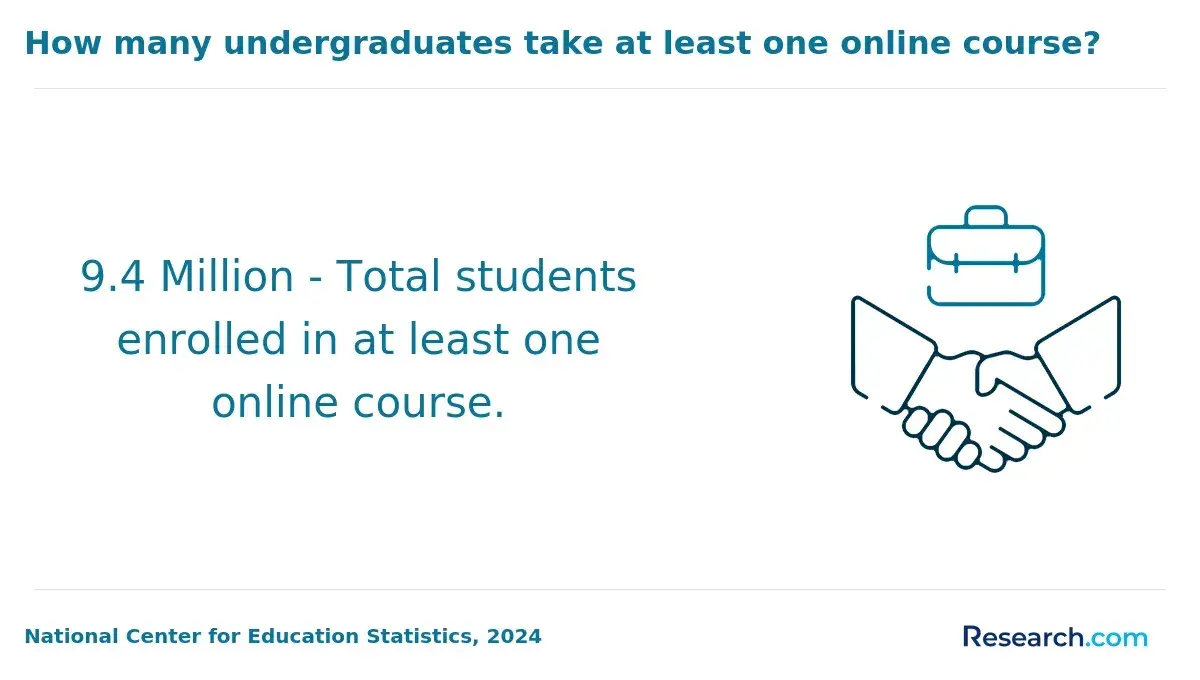
Facing persistent staffing shortages, professionals aiming to break into community health with a focus on behavioral health outreach must navigate limited program flexibility and spotty clinical placement support. According to the National Center for Education Statistics, over 40% of adult learners enroll in fully online degree programs to accommodate work and family demands, signaling a shift in education access that directly shapes career advancement timelines.
This trend matters because fewer traditional on-campus options mean prospective students need streamlined online pathways that align with employer expectations for hands-on behavioral health competencies. This article examines online community health degrees tailored to behavioral health outreach roles, empowering readers to choose programs that balance accessibility with practical career readiness.
Key Things You Should Know
- Online community health degrees incorporating behavioral health outreach show 18% higher job placement rates post-graduation in 2024, reflecting employer prioritization of integrated behavioral competencies amid rising mental health caseloads.
- Programs often require 12-18 months of supervised fieldwork, extending time-to-completion and increasing total costs by up to 25%, challenging working students' ability to balance income loss versus credential value.
- Employers increasingly demand certification alignment (e.g., CHW or CPS) alongside degrees, creating tension between broad academic curricula and specific workforce readiness, limiting graduates to roles requiring multiple credentials.
What are online community health degrees with behavioral health outreach?
Online community health degrees with behavioral health outreach address a critical workforce gap created by a 37% vacancy rate in behavioral health roles reported by the U.S. Health Resources and Services Administration. This shortage translates to tangible challenges in public health and nonprofit sectors, where graduates are expected to deliver remote and local interventions tailored for diverse populations. The programs focus on applied skills such as crisis intervention, patient advocacy, and evidence-based outreach strategies, equipping students for roles in community clinics, schools, and government health initiatives.
Prospective students should note that many programs mandate practicum or internship placements essential for licensure, posing a barrier for those without prior experience in behavioral health outreach careers in community health programs. The ability to secure local fieldwork or supplementary training directly affects employability since employer preferences strongly favor candidates with supervised clinical hours and demonstrable communication skills.
Choosing accredited programs aligned with recognized behavioral health standards is crucial to ensure eligibility for certification or licensure and to avoid diminished career options. The practical orientation of these degrees must factor in regional access to internships, given that online formats alone cannot guarantee hands-on experience necessary for compliance and competency.
For professionals weighing a transition or advancement, understanding the interplay between program structure, workforce demands, and certification requirements is vital. Detailed salary and career progression data, such as associated with a health information management degree salary, can inform decisions about the value proposition of this education pathway.
Which accreditation should online community health programs have?
Prioritizing regional accreditation recognized by the U.S. Department of Education or the Council for Higher Education Accreditation is essential for online community health program accreditation standards, especially when focusing on behavioral health outreach. This foundational accreditation guarantees compliance with rigorous academic requirements, ensuring degrees are accepted by employers and state licensing boards. Specialized accreditation from bodies like the Council on Education for Public Health (CEPH) provides additional assurance when programs emphasize public health or behavioral health concentrations.
Employers in substance abuse, behavioral disorder, and mental health fields-sectors projected by the U.S. Bureau of Labor Statistics to grow 17% from 2024 to 2034-favor candidates from such accredited programs. Failing to verify accreditation can lead to licensing delays or extra coursework, particularly for candidates pursuing licensure in states with strict credentialing rules. This introduces workforce friction, as candidates must often navigate diverse state requirements and alternate examinations.
For prospective students evaluating behavioral health outreach degree accreditation criteria, consider the long-term implications: accredited programs better align with employer expectations and support smoother licensure processes. Programs lacking recognized accreditation risk marginalizing graduates due to limited employer recognition and weaker practical skill integration, especially regarding confidentiality and evidence-based methods.
Those exploring accelerated healthcare programs may also find relevant insights by consulting resources such as accelerated healthcare programs that balance rigorous accreditation with workforce responsiveness.
Do online community health degrees qualify for behavioral health careers?
Online community health degrees can open pathways into behavioral health outreach but rarely suffice for direct clinical roles without advanced licensing. Graduates typically fill positions like behavioral health technicians or outreach coordinators, focusing on prevention, education, and navigation of mental health resources within underserved communities. For instance, a community health graduate might manage referrals for mental health services but cannot provide psychotherapy without further qualifications such as a master's degree and state licensure.
The gap projected by the U.S. Health Resources and Services Administration-nearly 96,000 behavioral health providers short by 2036-indicates strong demand, yet this opportunity largely favors candidates who pursue graduate education or certification to qualify for licensed clinical positions like social workers or counselors. Without such credentials, career advancement into clinical behavioral health remains limited.
Students considering an online community health degree for behavioral health careers should scrutinize program content and confirm credit transferability for advanced study. Many community health roles emphasize outreach and administration over clinical practice, aligning with employer preferences where direct client care licenses are not essential.
Considering the financial implications of further education is critical; for example, reviewing the MHA degree cost can inform budgeting for pathways that enable clinical licensure and broader job prospects.
What courses are in an online community health curriculum?
Online community health degree courses emphasize quantitative literacy alongside behavioral health and foundational sciences, reflecting clear workforce demands. Programs typically cover epidemiology, biostatistics, health promotion, and healthcare systems management to equip specialists with measurable intervention skills. Behavioral health outreach curriculum subjects include substance abuse prevention, mental health assessment, and social determinants of health, tailoring competencies for varied populations.
Curriculum design impacts employability based on regional focus and role expectations. A practitioner targeting rural outreach may prioritize chronic disease management and limited access strategies, whereas urban workers might engage deeply with violence prevention and culturally competent communication. This bifurcation shapes essential coursework and skill acquisition, including ethics and health policy, to align with licensure and certification nuances.
Given that the median wage for health education specialists was $62,860 in May 2023, with top earners exceeding $107,920, proficiency in grant writing, community engagement, and data analytics becomes pivotal for sustained career progression. Training often integrates preparatory content for certification exams, reflecting employer expectations across states and organizations.
Students face practical constraints balancing asynchronous online coursework and mandatory fieldwork, sometimes through localized internships or virtual simulations, which can affect program selection. Prospective students should also consider how programs interface with broader academic pathways, including BSN to MSN online programs, for expanded healthcare roles.
How do online and campus community health programs compare?
Employers prioritize hands-on skills like community engagement and cross-sector collaboration over theoretical knowledge for entry-level community health roles. Campus programs consistently provide structured fieldwork and in-person networking that develop these practical competencies. For instance, a student in behavioral health outreach at a campus program gains quicker access to supervised community partnerships that are essential for building collaborative networks crucial to local health departments or nonprofits.
Online programs struggle to replicate this immersion, relying on virtual simulations, case projects, and internships that students must actively secure. This places a greater burden on learners to arrange equivalent practicum experiences, which can delay mastery of skills employers consider non-negotiable.
Key tradeoffs to consider:
- Campus programs embed real-time, experiential learning fostering immediate skill application relevant to workforce expectations.
- Online pathways offer flexibility needed by working professionals but often require greater self-direction to meet employer competency standards.
- Delays in accessing supervised practicum through online routes risk leaving skill gaps detrimental to hiring competitiveness.
Decision-makers must weigh these distinctions against personal circumstances and career goals to align educational choices with the practical realities of community health employment.
What are the admission requirements for community health degrees?
Admission to community health degree programs reflects a balancing act between academic readiness and practical experience, shaped notably by workforce demands in behavioral health roles. For bachelor's level entrants, institutions typically require a high school diploma or equivalent and a minimum GPA around 2.5 to 3.0, favoring applicants with foundational coursework in biology, psychology, or statistics. This technical grounding aligns with the growing need for professionals capable of supporting behavioral health outreach with relevant knowledge.
Applications usually include personal statements demonstrating specific interest and prior involvement in social services or volunteer settings, a practical expectation that filters candidates for real-world readiness. Letters of recommendation from healthcare or educational professionals evaluate relational and communication skills essential for public-facing roles in community settings.
At the master's level, programs expect an accredited bachelor's degree along with pertinent work experience in health or counseling domains. Although GRE requirements have diminished post-2022, many programs still emphasize demonstrated applied competence over standardized scores. Candidates without this background may face higher barriers to entry or lowered employability upon graduation.
From 2024 to 2034, the labor market projects an 11% increase in community health worker jobs, with even faster growth-17%-in substance abuse and mental health counselors, contrasting with 6% growth for social workers. This divergence signals that behavioral health specialization carries stronger demand pressures, influencing programs to prioritize candidates who can prove both academic and experiential suitability for such roles.
How long does an online community health degree take and cost?
Choosing between associate and bachelor's degrees in community health involves critical tradeoffs in duration, cost, and career impact. Associate programs typically require 18 to 24 months, offering faster entry into entry-level roles but with limited scope for leadership. Bachelor's pathways demand 3 to 4 years for full-time students, integrating practicum experience essential for behavioral health outreach, especially in underserved regions where workforce shortages are acute.
Cost differences reflect these disparities: associate degrees generally range from $6,000 to $20,000, while bachelor's programs can exceed $60,000 depending on public or private institutions and residency status. Candidates pursuing advanced roles must weigh this investment against the strategic advantage of deeper academic grounding and fieldwork, a key hiring criterion in areas where 61% of U.S. counties face behavioral health professional deficits according to the HRSA Behavioral Health Workforce 2023 Brief.
Working professionals balancing study and employment often extend completion to five years or more via part-time enrollment, distributing costs but potentially delaying workforce progression. Additionally, indirect expenses such as textbooks, technology fees, and travel for practicums compound financial considerations, underscoring the need to prioritize accredited, integrative programs that align with employer expectations and evolving workforce needs.
The practical decision centers on immediate career ambitions and market demand: associate degrees enable quicker workforce entry while bachelor's degrees better position graduates for leadership roles in behavioral health outreach across underserved communities.
Which jobs can you get with behavioral health outreach training?
Behavioral health outreach training equips graduates for specialized roles such as behavioral health technicians, outreach coordinators, and peer support specialists, who must integrate clinical knowledge with effective crisis intervention and resource navigation. For instance, outreach coordinators serving homeless urban populations apply these skills to connect clients with housing and mental health services despite constrained resources. These employment opportunities generally require a bachelor's degree in community health or a related discipline alongside practical field experience, underscoring the importance of degree programs that accommodate working adults.
Cost considerations for an online bachelor's degree in health-related fields are significant: average in-state tuition is approximately 20-25% lower than traditional campus options, presenting realistic options to minimize student debt while pursuing roles with modest entry-level salaries. However, progression beyond initial outreach roles often necessitates additional certifications, clinical credentials, or advanced degrees, especially for supervisory or clinical practitioner tracks.
Job outcomes also extend to program development and behavioral health data analysis, where skills in epidemiology and outreach metrics enhance service impact. Prospective students must carefully evaluate program offerings that provide practicum placements and local agency collaborations, essential for navigating diverse state licensure requirements and securing employment aligned with geographic and sector-specific demands.
What salary can community health graduates expect?
The salary landscape for community health graduates entering behavioral health outreach by 2026 reveals distinct influences of geography, employer type, and skill specialization on compensation. Entry-level roles in government or nonprofit settings often start near $42,000 annually, whereas candidates proficient in telehealth coordination or integrated care delivery typically earn above $60,000 due to amplified demand for digital health expertise.
Urban centers with integrated health networks, such as Boston or Seattle, present salary premiums often exceeding $68,000 but also require considering higher living costs. Conversely, rural roles may offer less than $50,000 but often come with greater job security and community engagement.
Employers increasingly value competencies in behavioral telehealth platforms, data analytics for outcomes and funding, and bilingual communication skills. These capabilities directly impact starting pay and promotion potential, illustrating a shift from purely traditional outreach roles toward hybrid, tech-savvy positions.
Credentialing and ongoing training further influence employer compensation strategies. Candidates unable to meet these criteria might find limited salary growth or fewer advancement opportunities, underscoring the importance of continuous professional development in this evolving sector.
What certifications help with behavioral health outreach careers?
Selecting certifications like Certified Alcohol and Drug Counselor (CADC), Certified Behavioral Health Technician (CBHT), and Certified Peer Specialist (CPS) demands strategic alignment with employment settings and practical workforce requirements. For instance, community clinics typically mandate CADC credentials to address substance use disorder intervention, reflecting its role as a common baseline in many states. Conversely, school systems may favor CBHT or CPS certifications for their mental health first aid and trauma-informed care components, emphasizing peer support and case management.
Employers consistently prioritize applicants who combine certifications with supervised field experience. According to the 2023 Public Health Reports study, over 80% of public and community health organizations rate community-based experience as essential, underscoring that certification alone rarely suffices.
Tradeoffs are clear: pursuing multiple credentials increases time and financial investment, potentially diluting focus, whereas specializing in one certification might restrict cross-sector mobility. Governmental public health units often require state-recognized licenses enabling billable clinical services, steering candidates toward specific pathways, while nonprofit outreach roles favor certifications covering diverse populations and trauma response.
Effective certification programs integrate practicum placements and continuing education options, helping practitioners navigate evolving behavioral health policies. Weighing these factors rigorously is essential to maximize employability and practical impact within behavioral health outreach careers.
Other Things You Should Know About Community Health
In 2027, many online community health degree programs include practical experience through virtual simulations, local internships, and partner organization collaborations, ensuring students gain hands-on knowledge alongside theoretical education.
Employers increasingly accept online degrees if they come from accredited institutions, but skepticism remains around practical skill proficiency and communication training. Graduates from online programs that emphasize interactive learning, real-time engagements, and fieldwork tend to face fewer hiring barriers. Candidates should focus on programs with strong employer networks and skills-based assessments to overcome lingering doubts about online education quality.
Look for regional accreditation plus programmatic review from the Council on Education for Public Health (CEPH) when the degree is public health based. Employers also value practicum-based programs with 120 to 240 supervised field hours, especially for roles tied to community outreach and behavioral health support.
Specializing in behavioral health outreach enhances employment opportunities in areas with rising demand but narrows the scope of transferable skills to other community health roles. For career changers targeting behavioral health, prioritizing this focus strengthens practical expertise and employer appeal in mental health organizations, social services, and public health agencies. However, those seeking broader community health roles may benefit from a generalist curriculum to avoid limiting future job flexibility.
References
- Behavioral Health Outreach Worker Trainee https://www.jobapscloud.com/SJQ/sup/BulPreview.asp
- Behavioral Health Career Descriptions | SAMHSA https://www.samhsa.gov/about/careers/behavioral-health-workforce/careers-by-state/descriptions
- Understanding the Difference Between Public Health and Community Health https://www.ahu.edu/blog/understanding-the-difference-between-public-health-and-community-health
- What Is the Difference Between Public Health and Community Health? https://online.worcester.edu/programs/nursing/msn-public-health/public-health-community-health-difference/
- Faculty of Graduate and Postdoctoral Studies | University of Manitoba - Community Health Sciences (MPH) https://umanitoba.ca/graduate-studies/admissions/programs-of-study/community-health-sciences-mph
- What does a nursing assistant do? https://apexlearning.org.uk/online-health-and-social-care-courses-are-they-recognised-by-employers/
- List of Accredited Schools and Programs - Council on Education for Public Health https://ceph.org/about/org-info/who-we-accredit/accredited/
- What Is a Community Health Degree? https://www.nec.edu/news/what-is-a-community-health-degree
- Is an MPH in Community Health Right for You? https://masterspublichealth.com/mph-in-community-health/
- Public Health Career Salaries: What to Expect Across Roles https://www.scuhs.edu/bshs-article/public-health-career-salaries-what-to-expect-across-roles/