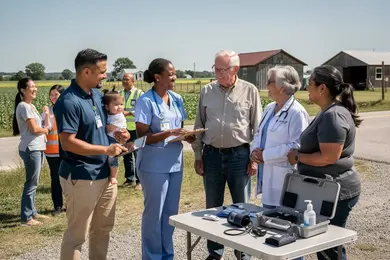
2027 Community Health Roles That Often Lead to Leadership Positions

Co-Founder and Chief Data Scientist
Health educators and outreach coordinators frequently confront a bottleneck when advancing toward leadership roles due to limited hands-on management experience and unclear career pathways. This challenge intensifies as 42% of working adult learners enroll part-time in community health programs, reflecting a pressing need for flexible education that balances workforce demands and skill acquisition. Such enrollment trends, reported by the National Center for Education Statistics, reveal shifting learner priorities toward programs that integrate practical leadership training with accessible formats. Understanding which community health roles inherently build leadership competencies is essential for navigating this complex terrain and positioning oneself effectively for upward mobility.
This article identifies key community health positions that commonly serve as stepping stones to leadership, offering strategic insights to optimize career trajectory planning within the field.
Key Things You Should Know
- Programs emphasizing lived experience as community health workers report 25% faster leadership role promotion but risk credentialing limitations that constrain formal managerial authority, per 2024 Labor Department workforce analytics.
- Employers increasingly prioritize candidates with dual certifications in public health and community health, raising median leadership starting salaries by 18%, according to a 2024 National Consortium for Health Workforce study.
- Lengthy, costly bachelor's pathways average 4.2 years with $38K debt burden, delaying leadership entry compared to accelerated community health diplomas averaging 18 months and under $10K, impacting candidate competitiveness and sector diversity.
What community health roles most commonly lead to leadership and management positions?
Leadership roles in community health consistently arise from positions such as community health workers, program coordinators, and health educators, with the highest promotion rates often linked to the community health leadership roles with highest promotion rates. Employment growth for community health workers is projected at 11% from 2024 to 2034, reflecting substantial demand for individuals who combine outreach with operational insight. However, moving to supervisory positions usually requires additional skills in budgeting, data analysis, and compliance beyond frontline experience.
For example, a community health worker in a rural clinic promoted to program coordinator must juggle direct service delivery with administrative tasks such as staff scheduling and outcome reporting. This shift imposes a clear tradeoff: balancing hands-on community engagement with managerial responsibilities and often necessitates credentialing beyond initial certifications.
Health educators, advancing through managing intervention programs, rely heavily on grant writing and stakeholder negotiation skills. Their trajectory differs from community health workers, requiring strong communication and evaluation competencies to secure resources or influence policies. This distinction highlights common community health positions leading to management careers demand diverse skill sets and varying pathways.
Successful advancement involves bridging grassroots experience with strategic oversight, and employers emphasize demonstrated improvements in health outcomes paired with validated leadership capabilities. Prospective leaders are advised to pursue targeted education that does not sacrifice practical grounding, such as an online masters in mental health counseling, which can provide relevant management and clinical perspectives.
How do entry-level community health jobs create clear pathways into supervisory careers?
Entry-level community health roles with leadership potential are often gateways into supervisory positions by demanding early mastery of patient management alongside operational tasks. For instance, community health nurses who effectively manage interdisciplinary communication and resource allocation can progress within 2-3 years to charge nurse or unit supervisor roles. This pathway illustrates the necessity of practical leadership skill development beyond clinical duties.
Workforce data underscores this trend: nursing leadership positions such as Chief Nursing Officers have experienced nearly a 25% increase in demand since 2023. Employers systematically implement performance reviews targeting leadership competencies, shaping promotion decisions and creating a structured environment for advancement.
Transitioning from community health jobs to supervisory positions requires more than clinical aptitude. Professionals must build expertise in budgeting, conflict resolution, and data-driven decision-making, often evidenced through contributions to quality improvement or policy implementation. Neglecting these administrative skills risks stagnation despite clinical proficiency.
Prospective students and workers should evaluate education pathways that integrate clinical care with leadership fundamentals. Some find that pursuing a healthcare administration bachelor's degree online offers practical frameworks aligned with employer expectations. Targeting employers with formal mentorship or leadership development programs strengthens candidacy by linking measurable team or patient outcomes to supervisory readiness.
What degrees and training best prepare you for leadership in community health?
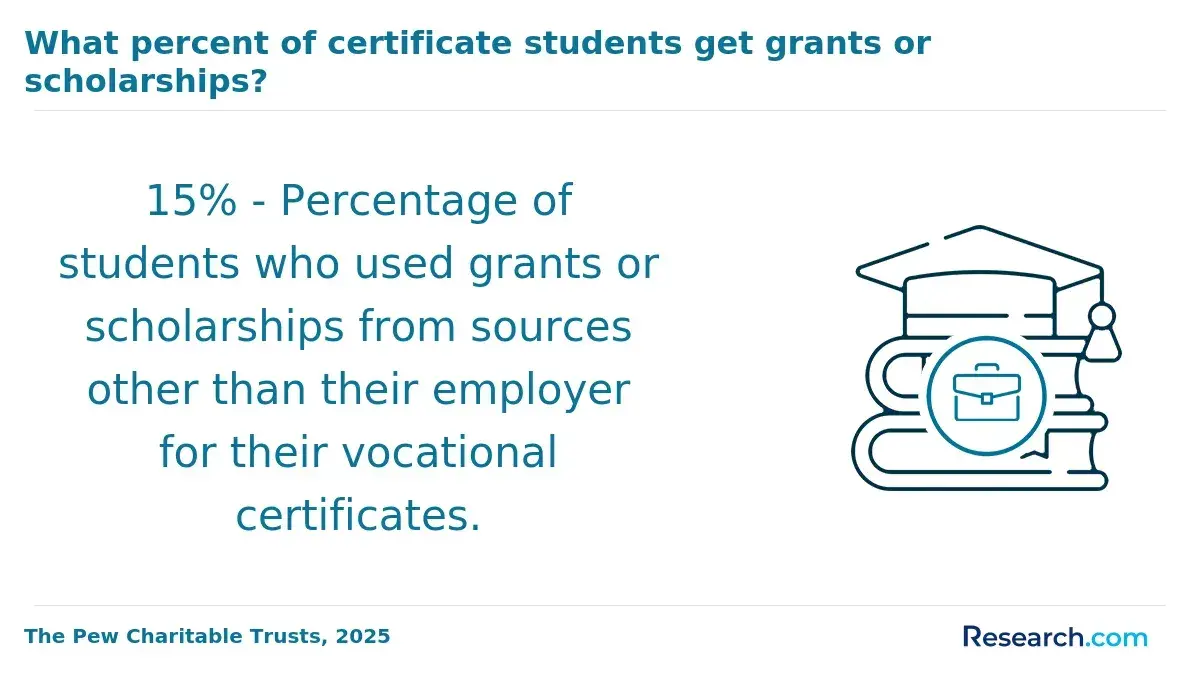
Leadership roles in community health demand more than foundational degrees; they require a nuanced balance of education and practical experience. Candidates with bachelor's degrees in public health, health education, or health promotion gain essential exposure to epidemiology, program planning, and health communication. However, advancing to managerial or director roles often hinges on acquiring a master's degree in public health (MPH) or health administration to build strategic skills like budgeting, policy formulation, and intersectoral collaboration.
For example, a health educator transitioning into leadership within a local health department must convert frontline outreach experiences into program designs that scale and report measurable outcomes. This contrasts with hospital administration, where healthcare management degrees frequently carry more weight, underscoring the importance of aligning your educational pathway with workforce demands. Essential training programs for career advancement in community health increasingly integrate applied internships and cross-disciplinary coursework, enhancing technical competencies such as health informatics and grant writing.
The Bureau of Labor Statistics forecasts faster-than-average growth in community and social service jobs, intensifying competition for leadership positions. Choosing accredited programs with robust alumni networks offers advantages but involves balancing time and cost against salary premiums and responsibilities, especially within smaller nonprofits or government agencies where experience might substitute for formal credentials. For professionals considering healthcare management advancement, exploring the cheapest online MBA healthcare management options can present a cost-effective pathway to acquiring relevant leadership skills.
Which specific community health positions most often advance into director or executive roles?
Advancement into executive roles from common community health jobs often hinges more on managerial expertise and political agility than solely on technical public health credentials. Positions like epidemiologists, public health program managers, and community health educators typically progress into leadership within local health departments or non-profits by leveraging specialized skills such as outbreak data analysis, operational management, and stakeholder engagement. Yet, a 2024 University of Minnesota study reports that only about 30% of top executives in U.S. local health departments hold formal public health training, revealing a notable gap between technical qualifications and executive selection criteria.
This reflects a core tradeoff for those pursuing community health coordinator roles leading to leadership: technical mastery must be complemented by competencies in fiscal oversight, interagency collaboration, and navigating complex regulatory environments. For example, public health nurses who earn project management certifications and orchestrate cross-sector initiatives significantly boost their chances for senior roles. Conversely, roles centered on grant writing or policy analysis frequently lead only to mid-level positions without additional credentials.
Employers consistently seek demonstrated capacity to manage finance, legislative processes, and human resources alongside public health expertise. Prospective leaders should consider balancing degrees or certifications with practical leadership experience. For working professionals exploring academic paths, options like the cheapest online RN to BSN programs can facilitate acquiring essential credentials while maintaining employment.
How do online community health programs compare with campus-based options for future leaders?
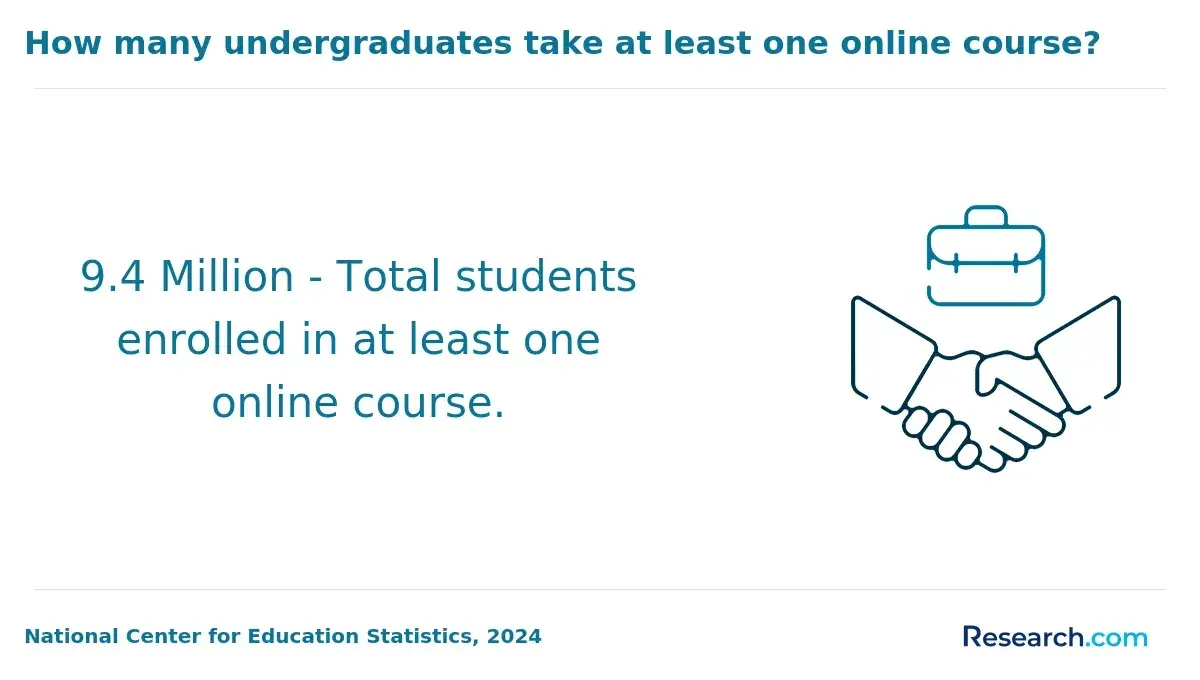
Online community health programs offer vital flexibility for working professionals but fall short in providing the immersive, experiential leadership environments found in campus-based options. Employers increasingly demand candidates who demonstrate practical collaboration and conflict-resolution skills forged through direct interpersonal engagement rather than solely theoretical knowledge. For example, a care coordination manager in a large urban hospital navigates complex team dynamics and real-time decisions daily, experiences often mirrored through in-person internships and simulations in campus programs but difficult to replicate online.
While online pathways reduce geographic and scheduling barriers, enabling career pivots alongside ongoing employment, they lack immediate access to varied peer networks and onsite mentorship. This gap can slow development of leadership competencies tied to organizational culture and interpersonal nuance. The Healthcare Leadership Hiring Trends 2026 report shows a nearly 25% rise in demand for care coordination executives since 2023, reinforcing the need for training aligned with workplace realities.
Decision-makers must weigh tradeoffs: campus programs excel when immersive learning and direct employer connections are urgent, while online programs suit those needing flexibility without halting professional roles. Success in community health leadership hinges less on formal credentials alone and more on cultivating adaptive, experiential skills valued by employers.
What accreditation and program quality indicators matter for community health leadership careers?
Employers in community health leadership increasingly require candidates to hold degrees accredited by recognized bodies such as the Council on Education for Public Health (CEPH) or the Commission on Accreditation of Healthcare Management Education (CAHME). These accreditations serve as practical benchmarks for workforce readiness, ensuring that graduates possess relevant skills in epidemiology, health promotion, and policy application. For example, leadership roles in behavioral health demand advanced abilities in managing multidisciplinary teams and integrating mental health within wider community services.
The projected growth in community and social service jobs-driven largely by demand for mental health services-makes adherence to these accreditation standards a strategic necessity for those seeking leadership positions. Candidates from programs lacking both accreditation and strong experiential learning components, like internships or practicums within local health systems, risk slower advancement or exclusion from competitive job pools.
Further considerations include programs that offer clear licensure pathways (e.g., Certified Community Health Worker) and emphasize competencies in data analytics, grant writing, and interagency collaboration. These practical skills are critical for securing funding and sustaining initiatives in resource-constrained environments. Ultimately, balancing program cost, length, and alignment with employer expectations influences both immediate employability and long-term career mobility.
What skills and competencies are emphasized in community health programs that feed leadership roles?
Leadership preparation in community health demands a deliberate balance between technical proficiency and interpersonal skills. Coordinators in nonprofit or state agency roles must interpret complex health data while managing multi-stakeholder collaborations under budget and policy constraints. For instance, negotiating resource allocations among partners during emergency response requires both project management acumen and emotional intelligence.
Frontline staff benefit from analytical capabilities applied to public health metrics, enabling identification of systemic gaps and formulation of evidence-based interventions. Employers increasingly promote leaders from community-facing positions, valuing pragmatic insights over purely academic knowledge. This practice aligns with evidence from the Center for Health Care Strategies' 2024 leadership pathways report, which emphasizes the value of operational experience.
Programs offer training in policy navigation and crisis management to sharpen operational confidence. However, institutions often face trade-offs-limited resources force a choice between deep technical training and developing soft skills, which can impact graduates' readiness for senior roles. Candidates should scrutinize proven outcomes that demonstrate advancement from coordinator to leadership roles before commitment.
Finally, community health leaders must navigate ethical dilemmas and social determinants that complicate decision-making, balancing compliance, staff wellbeing, and public trust. This complexity requires ongoing skill development beyond foundational training, signaling that education is one component in a broader lifelong professional growth trajectory.
What are the typical salaries and benefits for community health professionals in leadership positions?
Leadership roles in community health offer salaries ranging broadly based on organizational size and location, typically $90,000 to $130,000 annually. Strategic advancement from mid-level positions, such as program manager to director, can yield raises of 15-25%, but only when coupled with proven fund development results and cross-sector collaboration.
Senior managers in large urban health departments or major nonprofits often exceed $140,000, while rural or smaller agencies hover between $80,000 and $95,000. Salary differentials also correlate with gender representation; women account for roughly 70% of the workforce but hold just 25% of senior leadership, which often manifests in slower promotion and pay disparities within institutions.
Key employer preferences include advanced degrees like MPH or MPA and over five years of team management experience. However, elevated roles come with tradeoffs: longer hours, more administrative tasks, and reduced direct community engagement. Additionally, nonprofits frequently entail uncertain benefits and unpaid overtime tied to funding fluctuations.
Practical career progression requires navigating internal politics and acquiring skills in grant management, policy advocacy, and leadership. For professionals targeting meaningful advancement, weighing these operational realities against educational investments is critical to aligning expectations with workplace demands and career sustainability.
What certifications or licenses strengthen promotion prospects in community health organizations?
Certification and licensure impact promotional opportunities in community health by signaling verified skills that employers prioritize, particularly in patient education, care coordination, and health advocacy. States often require community health workers to complete recognized training and pass competency exams, setting a baseline credential for supervisory roles. Additional certifications such as Certified Health Education Specialist (CHES) or Certified Public Health (CPH) broaden prospects by validating expertise in public health strategy and program management.
Combining foundational certification with clinical licenses like Licensed Practical Nurse (LPN) or Registered Nurse (RN) significantly expands pathways to management roles where clinical decision-making and team leadership intersect with community engagement. For example, a worker in a state-mandated certification environment who attains CHES may shift from frontline outreach to coordinating health programs in nonprofit or government sectors.
Employer expectations focus on current, competency-based certifications linked to measurable skills, with wages exceeding the $51,030 median for holders of advanced credentials. Pursuing multiple certifications can enhance workforce mobility but introduces logistical challenges related to balancing continuing education and job duties.
- Baseline state certification is essential for eligibility in supervisory roles.
- Advanced public health or clinical licenses widen leadership eligibility.
- Multiple credentials facilitate transitions across community health functions.
Strategically, aligning certifications with realistic work demands and long-term career goals is critical for those seeking to leverage credentialing into meaningful promotion within community health settings.
How can students choose community health programs with strong leadership pipelines and alumni outcomes?
Evaluating community health programs requires prioritizing their effectiveness in placing graduates into leadership roles within three to five years after graduation. Programs connected to healthcare organizations with formal leadership pathways typically offer clearer advancement routes, which can be confirmed by examining alumni employment data from accredited institutions and independent databases showing the proportion of graduates moving into managerial or executive positions.
Diversity metrics remain essential. An HealthCare Executive analysis from August 2023 found that people of color are still significantly underrepresented in senior healthcare leadership, despite internal development initiatives. Programs that demonstrate transparent, measurable success in advancing diverse candidates into leadership roles signal stronger, more equitable career pathways, an increasingly urgent factor for prospective students.
Industry context also shapes leadership trajectories. For example, hospital system-affiliated programs often accelerate leadership growth via structured rotations, whereas public health department-focused education generally necessitates longer tenure before promotion. Recognizing these differences prevents unrealistic career expectations and guides effective program selection.
Key evaluation criteria include: mentoring access with current healthcare executives; internships embedded in leadership-centric settings; proven networks with organizations that annually document leadership outcomes; and curriculum alignment with national competencies identified by employers in community health.
Deciding between schools with narrow geographic leadership influence but deep pipelines versus broader alumni networks with less direct leadership development requires aligning choices with targeted job markets. Prioritizing concrete outcome data over reputation alone provides a realistic framework for navigating community health leadership pathways.
Other Things You Should Know About Community Health
Non-clinical roles, such as program evaluation or policy analysis, provide insight into systemic operations that can enhance strategic decision-making skills. However, these roles sometimes distance professionals from hands-on community engagement, which many employers value in leaders for credibility and perspective. Prioritizing a balanced experience that combines non-clinical and clinical exposure improves promotion prospects by signaling versatility and practical understanding of both people and policy dynamics.
Community health employers differ widely in what they prioritize for leadership roles, with some focusing on formal education while others emphasize extensive field experience. This means career paths must be tailored to industry sectors; for example, non-profits often expect extensive community ties, whereas public health departments may require advanced policy knowledge. Candidates should assess their target employers' values early and seek opportunities that build the combination of credentials and relationships those employers demand for advancement.
Specialization in a specific sector like maternal health or substance abuse can position professionals as indispensable experts, offering clear promotion pathways within niche organizations. On the other hand, broad experience across multiple community health areas develops adaptable leadership capabilities valued in larger or multi-program agencies. For most emerging leaders, a hybrid approach is advisable: focus early on developing in-depth skills in one area while seeking cross-sector exposure to enhance flexibility and strategic insight.
References
- Engage to Influence Change | Leadership Course | CHA Learning https://chalearning.ca/programs-and-courses/engage-to-influence-change/
- How to Progress in Your Health and Social Care Career? https://www.twclondon.org.uk/blogs/health-and-social-care-career-progression
- Five Emerging Careers in Healthcare Administration https://www.mhaonline.com/blog/five-new-healthcare-administration-careers
- Health Outcomes Accreditation - NCQA https://www.ncqa.org/programs/accreditations-in-health-outcomes/
- Community Health Worker https://explorehealthcareers.org/careers/allied-health-professions/community-health-worker/
- Community Health and Public Health | University of Phoenix https://www.phoenix.edu/articles/healthcare/community-health-and-public-health-differences.html
- How Community Health Managers Foster Well-being - School of Public Health https://publichealth.tulane.edu/blog/community-health-manager/
- Developing Sustainable Community Health Worker Career Paths | Milbank Memorial Fund https://www.milbank.org/publications/developing-sustainable-community-health-worker-career-paths/
- Innovation https://www.league.org/leadership-abstracts/building-career-pathways-strengthen-talent-pipelines-and-support-organizational
- The Care Workforce Pathway – What It Means for Employers https://centratraining.co.uk/the-care-workforce-pathway-what-it-means-for-employers/