2027 Online Community Health Degrees With Strong Health Promotion Training

Co-Founder and Chief Data Scientist
Facing a workforce demand that expects fluency in both intervention design and measurable outcomes, many aspiring professionals struggle to find online community health degrees emphasizing strong health promotion training.
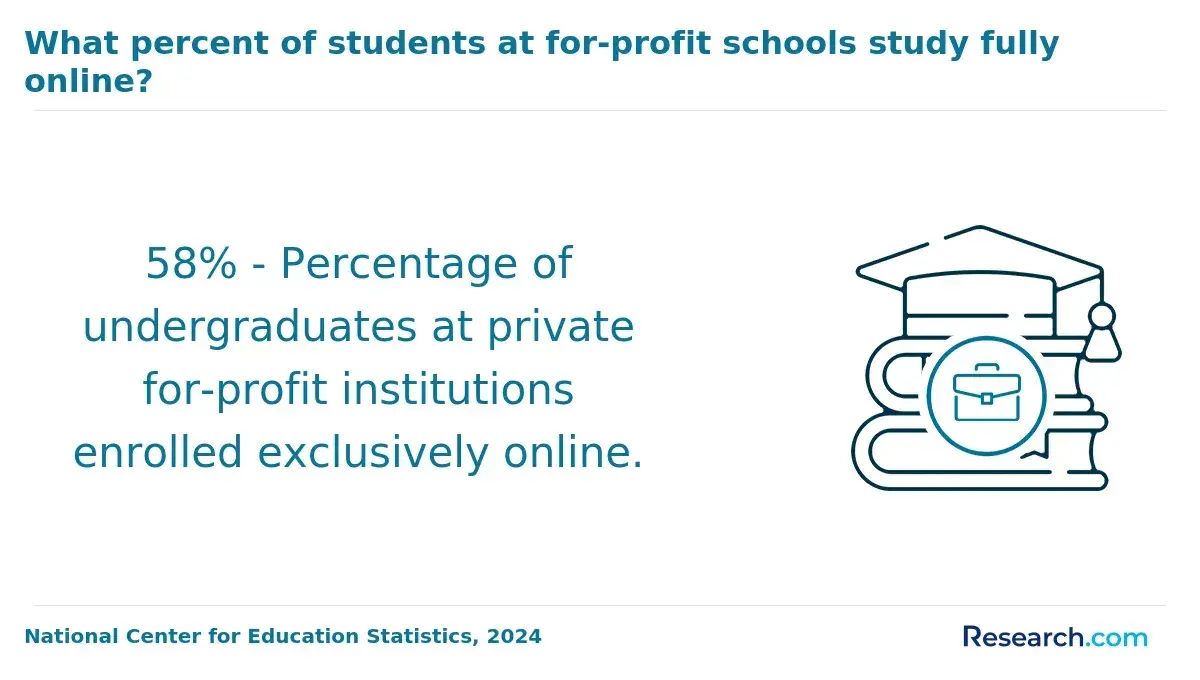
The National Center for Education Statistics reports that over 40% of all higher education enrollments in 2024 are adults seeking flexible, career-relevant programs, signaling growing pressure on online curricula to balance accessibility with practical rigor. Without degrees explicitly integrating health promotion competencies, students risk investing time and money in qualifications that lack alignment with employer expectations or fail to enhance career mobility in prevention-focused roles.
The article evaluates leading online community health programs that combine accessibility with specialized health promotion training, enabling learners to make informed decisions about strategic education investments and career advancement.
Key Things You Should Know
- Online community health degrees with a robust health promotion focus often lack sufficient applied practicum hours, limiting graduates' readiness for CDC-recommended intervention roles, affecting eligibility for competitive public health positions.
- Employers increasingly prioritize applicants with verified data analytics skills; programs integrating this into health promotion curricula show 22% higher placement in epidemiology-related roles, according to the Bureau of Labor Statistics 2024 data.
- Rising tuition inflation averaging 5.8% annually at top online universities forces many candidates to choose shorter certificate add-ons over full degrees, impacting long-term earning potential and credential depth.
What is an online community health degree with a focus on health promotion?
An online community health degree with a health promotion focus prioritizes program design and evaluation that target risk reduction and wellness behaviors across various populations. Graduates develop competencies in epidemiology, behavioral science, communication strategies, and policy analysis-skills essential for improving health outcomes in schools, workplaces, and local agencies.
These programs, often referred to as community health and health promotion online degrees, cater especially to working professionals who require scheduling flexibility without sacrificing applied knowledge.
This approach aligns with workforce demand: The U.S. Bureau of Labor Statistics projects 7% growth in employment for health education specialists and community health workers through 2032, adding about 4,500 new positions. However, practical tradeoffs arise when programs emphasize theory over experiential components like practicum or data analytics training, which employers highly value for grant writing and intervention evaluation.
For example, a public health department employee balancing an online degree can immediately apply program planning methods to initiatives such as obesity or tobacco cessation while meeting site internship requirements. Still, students in rural or underserved areas may face barriers securing these practicum placements.
Additionally, the absence of skills in communication technologies or health informatics can constrain career mobility in increasingly digital healthcare environments.
Those seeking related paths should also consider complementary fields; for instance, comparisons with an online masters degree in mental health counseling highlight differing specialization and job market dynamics—an important consideration for a strategic educational pivot.
How do online community health degrees compare with campus programs for health promotion training?
Online community health degrees versus campus programs for health promotion training offer comparable theoretical foundations, but the absence of immersive networking and hands-on lab components in online formats creates tangible barriers for many learners.
Campus students benefit from integrated internships and direct mentorship through institutional partnerships, which translate into easier access to employment pathways in local healthcare systems and government agencies.
In contrast, online learners must often secure practicum opportunities independently, balancing flexibility with the practical need for demonstrable skills in population health assessment, program planning, and policy advocacy to remain competitive.
Health education specialists earned a median annual wage of $63,000 in 2023, with compensation exceeding $70,000 in hospital and government health agency roles that prioritize applied experience alongside theoretical expertise. This wage differential highlights employer preferences that affect graduates depending on the training environment.
Effective navigation of these labor market realities requires online students to proactively integrate internships aligned with coursework milestones or choose hybrid programs that offer synchronous labs and virtual shadowing.
Decision-makers comparing online and traditional community health education for health promotion should weigh these factors:
- On-campus programs provide immediate access to local public health departments, easing transitions to paid roles.
- Online formats provide time and cost savings but demand self-discipline and external internship sourcing.
- Hybrid models that incorporate virtual labs can mitigate practical experience deficits critical for policy implementation roles.
Online community health degrees often suit working professionals aiming for upskilling without relocating, though in-person programs generally better facilitate employer-valued real-world engagement.
Prospective students may also consider programs identified for accelerated advancement by visiting accelerated healthcare administration degree resources for complementary pathways in public health administration.
What types of online community health degrees are available and which level should I choose?
Choosing the appropriate online community health degree program with a health promotion focus requires balancing immediate employment prospects against long-term career goals and practical constraints.
Associate degrees typically lead to entry-level roles such as outreach coordinators, achievable in about two years, fitting those who need quick workforce entry or incremental advancement. Bachelor's degrees, usually four years, serve as the baseline for supervisory roles like program supervisors or policy assistants; these programs stress foundational public health knowledge with an emphasis on health promotion.
Employers increasingly mandate a bachelor's as the minimum credential, reflecting growing integration of health promotion in clinical and community settings.
Master's degrees, including specialized public health variations, prepare candidates for leadership and analytical positions with one to two additional years of training. These programs often incorporate practicums and research, adding both cost and time but significantly enhancing employability in epidemiology and program direction.
For working adults with relevant experience, a master's can facilitate strategic pivots into management, while novices might prioritize breadth from a bachelor's. Demand for advanced skills is rising faster than GDP, driven by public health spending increases forecast by the U.S. Centers for Medicare & Medicaid Services.
Key considerations when evaluating best degree levels for online community health education include accreditation, program flexibility, and alignment with funding or regulatory standards.
For cost-sensitive students evaluating higher degrees, MHA online programs highlight affordability and practical structure in advanced health management education.
What courses and skills in health promotion are typically included in these online programs?
Online community health degrees with health promotion coursework demand a strategic balance between technical rigor and practical application. Programs emphasize skills in program planning, behavior change theories, and data-driven evaluation frameworks like the PRECEDE-PROCEED model, essential for developing targeted interventions in real-world contexts such as rural communities or workplace wellness.
This specialized focus aligns closely with employer preferences for candidates adept at designing culturally competent initiatives and addressing health disparities.
Key skills and courses in community health promotion programs extend to quantitative analysis using software tools like SPSS or R, supporting grant reporting and program assessment. Additionally, advanced instruction in digital health technologies and social media strategies equips graduates to manage outreach in both virtual and physical community environments.
Employers increasingly value experience with collaborative project management simulations, which online programs incorporate through virtual teamwork and case study scenarios.
Access to these online community health degrees with health promotion coursework remains a significant factor. Liberty University's model—maintaining tuition increases under 5% over a decade—illustrates a rare cost stability that supports mid-career professionals balancing work and study. Such affordability impacts how students navigate ongoing educational demands aligned with evolving public health standards.
For those considering accelerated pathways, exploring options like the 6 month RN to BSN program can offer insights into intensive formats that may complement community health career trajectories.
How can I confirm an online community health program is properly accredited and respected?
Accreditation by recognized bodies such as the Council on Education for Public Health (CEPH) or regional accreditors like the Higher Learning Commission ensures a community health program aligns with defined professional standards critical for employment in health education and social service management.
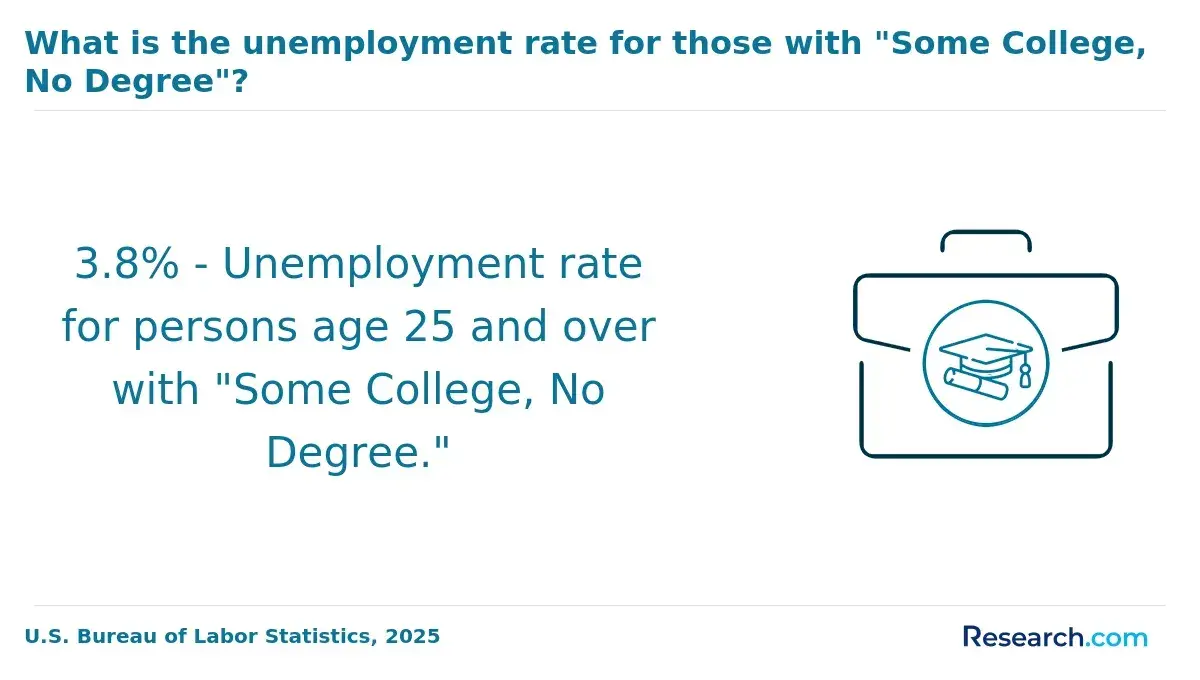
Employers prioritize graduates from accredited programs that demonstrate mastery of competencies linked to Bureau of Labor Statistics occupational data, with reported median salaries near $63,000 for health educators and $78,240 for social and community service managers illustrating the tangible economic impact of such credentials.
Prospective students should scrutinize graduate employment rates within six months and verify curricula reflect current labor market realities, including skills in data analysis, program evaluation, and culturally competent communication. These elements directly affect readiness for employer expectations and job competitiveness.
Institutional policies on credit transfer and practicum availability also matter significantly, especially for licensure in states with specific requirements. Programs lacking field experience or accreditation risk underpreparing students, limiting upward mobility in community health careers.
Graduation rates and access to career advising serve as indicators of institutional commitment to student outcomes; a program with low completion or inadequate support can erode the return on both time and financial investment. Evaluating these factors side-by-side helps avoid pathways that meet minimal standards but fail in practical workforce integration.
What are the admission requirements and prerequisites for online community health degrees?
Admission requirements for online community health degrees frequently present tradeoffs that shape student timelines and career trajectories. Bachelor's programs typically require a high school diploma or equivalent, while master's-level entry demands a relevant undergraduate degree, often alongside a minimum GPA between 2.5 and 3.0.
Graduate applicants generally need letters of recommendation, personal statements, and sometimes professional experience related to health promotion or social services, reflecting employers' preference for demonstrated commitment and relevant skills.
Prerequisite coursework—such as biology, statistics, and introductory health sciences—is commonly mandated to ensure foundational knowledge. Students without prior health-related education may face extended enrollment periods due to these requirements, directly impacting both financial and scheduling commitments.
For example, working professionals pursuing advancement in health promotion roles must weigh the consequences of prerequisite delays against the U.S. Bureau of Labor Statistics' 9% projected growth in social and community service management jobs.
While some graduate programs still request GRE scores, this is declining in favor of practical experience and academic records. Online learners also encounter technical barriers, needing reliable access to specific software and hardware, which can restrict participation for those with limited resources.
Administrative challenges include coordinating transcript submission from multiple institutions and aligning start dates with employer tuition assistance policies to avoid income disruption. Navigating these factors is critical to maximizing the strategic value of an online community health degree.
How long do online community health programs take and what do they cost?
Degree duration in community health programs should be weighed against employment continuity and advancement opportunities. For example, a working professional aiming to pivot as a health promotion coordinator can realistically complete an accelerated bachelor's degree online within two to three years while maintaining part-time employment, reducing financial strain and career interruption.
Bachelor's degrees typically require around four years full-time but can be shortened with transfer credits or year-round study. Associate degrees often span two years, while master's degrees vary between one and two years depending on student status and prior credentials.
Tuition varies widely and directly impacts return on investment. Programs like Georgia Military College's online BAS in Public Health estimate an annual cost near $8,415, well below the national average for four-year public institutions as reported by the National Center for Education Statistics.
Cost-effective options are critical for adults balancing education with family and job responsibilities because many employers factor expense when deciding to subsidize education benefits.
Key considerations include:
- Whether program pacing aligns with personal and professional obligations
- The tradeoffs between accelerated versus traditional timelines
- The availability of transfer credits to shorten total investment
- Financial feasibility to avoid extended gaps in workforce participation
Choosing a transparent, flexible pathway supports continuous employment and financial stability, vital for sustained long-term career alignment in the public health workforce.
What careers can a community health degree with strong health promotion training lead to?
Positions in community health increasingly demand expertise that blends quantitative skills with culturally informed outreach. For example, a local health department program coordinator must create targeted initiatives for underserved groups, applying behavior change theories and epidemiology. These roles require applied skills in data-driven design alongside deep community engagement, reflecting employer preferences in government, nonprofits, and healthcare settings.
The growing emphasis on preventive care expands opportunities beyond traditional health educator roles into areas like health policy advising and grant writing. Candidates lacking flexible credentials that balance work and study may encounter significant career friction due to the need for uninterrupted income and timely credentialing.
Online programs such as Texas State University's Master of Public Health - Community Health and Behavior allow working professionals to complete their degrees in about 18 months for $21,019. This approach supports continuous employment while enhancing qualifications, an important tradeoff for those weighing program cost, duration, and real-world applicability.
Job growth projections from the U.S. Bureau of Labor Statistics estimates a 13% increase through 2032 for health educators and community health workers. Success in the field depends on demonstrating practical skills tailored to employer needs, especially designing and implementing evidence-based interventions tailored to diverse communities.
What salaries and job outlook can graduates in community health and health promotion expect?
Entry-level salaries for graduates with degrees in community health and health promotion typically range from about $40,000 to $48,000, depending heavily on the employer type and location. More experienced professionals, particularly those in government roles or urban centers, can often earn above $60,000 annually.
This widening salary band reflects a significant market segmentation, where nonprofit and local community organizations offer lower starting pay, while public health agencies and insurers value applied, evidence-based skills that justify higher compensation.
Job prospects in this field are robust, with a projected growth rate of 17% over a decade, driven by an emphasis on preventive care and managing chronic conditions through lifestyle interventions. However, candidates lacking proficiency in data analysis, health communication, or policy implementation face constrained advancement and job stability. Employers prioritize applied competencies that translate into measurable program outcomes and funding alignment.
Those seeking leadership or salary progression should consider certifications or advanced training focused on health analytics and program management. For example, graduates from programs emphasizing real-world behavior modification—such as Southern New Hampshire University's online BS in Community Health Education—report better readiness for roles demanding direct intervention skills, preferred by public health departments and insurers.
How do licensing, certifications, and professional credentials work in community health and health promotion?
Certification demands in community health diverge sharply from clinical healthcare licensing, shaping distinct professional trajectories and employer expectations. Most community health roles do not require state licensure; however, certifications like Certified Health Education Specialist (CHES) or Certified in Public Health (CPH) function as key employment filters.
For instance, a community health manager stepping into leadership must secure relevant credentials to satisfy funders and governmental agencies, particularly when coordinating school-based or workplace health initiatives.
Practical credentialing challenges include balancing ongoing education with job duties and navigating varying renewal timelines. Degree holders without clinical qualifications need to prioritize national certifications emphasizing population health rather than clinical licenses. This affects candidates differently depending on whether they pursue policy advocacy or direct community outreach.
Prospective professionals should consider these tradeoffs:
- National certifications improve access to leadership roles and funding but entail upfront costs and continuous maintenance.
- Licensing requirements mainly apply to nurses or clinical practitioners embedded in community health settings.
- Experience combined with certifications often enhances employability beyond academic attainment alone.
Degrees for Good's analysis indicates online public health programs with community health concentrations yield advancement after five-plus years, underscoring certification's role in validating practical expertise for population-level interventions.
Other Things You Should Know About Community Health
Recognition varies significantly by employer. Public health agencies often prioritize candidates from programs with strong practical components like applied fieldwork or internships. Purely theoretical online programs without hands-on practicum experiences tend to be less valued. When choosing a program, prioritize those with embedded real-world experience and clear employer connections to improve job market competitiveness.
Students should prioritize accredited programs that integrate field-based learning and emphasize measurable outcomes like community impact projects. Equally important is how well the curriculum aligns with current public health employer expectations, including proficiency in data analysis, behavioral science, and policy advocacy. Avoid programs that overly emphasize theory without clear pathways to applied skills or community engagement.
Online degrees can prepare graduates for leadership roles if they include leadership training, project management modules, and opportunities to lead real initiatives. However, programs lacking these components may leave graduates underprepared for supervisory responsibilities or strategic planning roles. For a career pivot into leadership, choose programs that explicitly develop these competencies and offer mentorship or networking opportunities with experienced professionals.
References
- Health and Human Services: Campus & Online Degrees and Careers https://www.publichealthonline.org/human-services/online-degree-programs/
- Are Online Degrees Accredited? How to Identify Quality Distance Learning Programs https://www.umassglobal.edu/blog-news/online-degrees-accredited-identify-quality-distance-learning-programs
- Online Health Education and Health Promotion Degree https://online.ben.edu/programs/undergraduate/health-education-promotion-bachelors/
- Certification vs. Accreditation vs. Licensure: What’s the Difference in Health Care? https://www.icevonline.com/blog/certification-accreditation-licensure-whats-the-difference-in-health-care
- Community Health and Public Health | University of Phoenix https://www.phoenix.edu/articles/healthcare/community-health-and-public-health-differences.html
- Top 25 Online MPH Community Health Degree Programs - MPH Online https://www.mphonline.org/best-online-mph-community-health/
- COA Accreditation - Social Current https://www.social-current.org/coa-accreditation/
- Accreditation for Online Colleges and Healthcare Education https://www.edumed.org/resources/accreditation-for-online-colleges/
- 15 Best Online Bachelor's in Public Health - Healthcare Administration Degree Programs https://www.healthcare-administration-degree.net/best/online-bachelors-in-public-health/
- Online Public Health Degrees: Find Your Program https://www.degreesforgood.org/online-degrees/public-health-programs/