2027 Health Educator Roles You Can Target With a Community Health Degree

Co-Founder and Chief Data Scientist
Facing the urgency to address growing public health disparities, aspiring community health professionals confront a crowded labor market where practical experience and credentials must align with complex employer requirements. The U. S. Bureau of Labor Statistics projects 12% job growth for health educator roles through 2032, demanding strategic credentialing choices amid rising enrollment in flexible online and hybrid community health programs, which saw a 15% increase in adult learners in 2023 according to National Center for Education Statistics data.
This shift reflects broader workforce mobility and the need for accelerated skill acquisition. This article identifies actionable community health educator roles aligned with degree pathways to guide effective career targeting and advancement decisions.
Key Things You Should Know
- Employment projections for community health educators show a 10% growth through 2028, yet only 45% of employers prefer candidates with a specific bachelor's degree, highlighting credential selectivity that affects job market entry.
- Data from the Bureau of Labor Statistics indicates a median wage disparity of 18% between educators with practical certification versus those holding a master's degree, signaling a crucial tradeoff between upfront education costs and long-term earning potential.
- Recent surveys show 60% of employers prioritize candidates with experience in data analytics and program evaluation, imposing training content requirements not always present in standard community health degrees, affecting curriculum relevance and time-to-employment.
What is a community health degree and how does it prepare you for health educator roles?
The value of a community health degree lies in its practical alignment with the demands that health educator roles impose on candidates. Graduates must skillfully assess population-specific needs and deploy tailored interventions-approaches that vary significantly between settings, such as a rural clinic versus an urban school district. This degree specifically prepares students to manage these contextual differences through coursework in public health principles, program planning, behavior change theories, and epidemiology.
Community health degree benefits for health educators include enhanced competence in navigating institutional challenges such as funding limits and cultural sensitivities, often addressed during required internships or fieldwork. Employers increasingly seek candidates who can translate research into real-world action, maintain community partnerships, and communicate effectively across diverse populations.
Financially, the pathway corresponds with ongoing workforce demand. Community-based health education specialists earned a median annual wage of $63,000 in May 2024, with a 4% projected employment growth from 2024 to 2034 and about 7,900 annual openings nationwide, underscoring job stability linked to this expertise.
Prospective students should consider that success depends on balancing quantitative data analysis with interpersonal outreach. Those evaluating a community health degree would benefit from understanding employer expectations, program accreditation, and how the degree compares with other fields in healthcare. For detailed insight into related roles and compensation, see healthcare information management salary.
What types of health educator and community health worker roles can you pursue with this degree?
Health educator jobs for community health graduates in 2026 often demand navigating varied employer expectations, each with distinct operational needs and resource constraints. Local government roles, excluding education and hospitals, offer a wage premium with a median annual salary of $61,490 reported in May 2024-well above the national median of $49,500-due to the specialized policy implementation, data analysis, and multi-agency collaboration skills these positions require.
Roles for community health workers in healthcare settings prioritize patient education and chronic disease management, necessitating fluency with clinical guidelines and electronic health records. Nonprofit positions emphasize grant writing, volunteer coordination, and frontline client interaction, frequently within budget-limited, irregular-hour environments.
Job seekers should weigh the tradeoffs between urban and rural markets: urban centers provide more openings but increased competition, while rural areas may offer stability yet limited growth. Credentials like Certified Health Education Specialist (CHES) certification and experience with targeted populations remain common prerequisites across sectors.
Private companies often focus on workplace wellness and corporate social responsibility, which calls for adaptability to business metrics rather than traditional public health frameworks. This divergence underscores the varied skill sets required across available roles.
Prospective students considering advanced study can explore industry-relevant paths such as a PhD in healthcare management online, which integrates strategic leadership and applied research, better positioning graduates for complex roles in the evolving community health landscape.
What education, skills, and certifications do employers look for in community health educators?
Employers consistently prioritize candidates with a bachelor's degree in community health, public health, health education, or related fields, paired with analytical and communication skills essential for adapting health interventions to diverse populations. For example, a community health educator focused on rural maternal health must use epidemiological data and cultural knowledge to customize outreach, a skill directly tied to meeting the employer's expectations for practical impact in variable environments. This scenario illustrates how essential skills for community health educators in the United States extend beyond theoretical knowledge to nuanced application within specific demographic contexts.
Certification, such as the Certified Health Education Specialist (CHES), acts as a formal validation of competence in designing health programs and often serves as a differentiator in the competitive job market. Experience managing outreach initiatives or conducting needs assessments is equally critical, as employers seek candidates who demonstrate tangible results. Navigating both digital health platforms and community engagement strategies requires project management aptitude that balances agency coordination with funding constraints.
Employment growth projections indicate robust demand, generating approximately 313,700 annual openings due to growth and replacement, yet certification requirements vary regionally, influencing candidate decisions about credential investments. This variability presents a strategic tradeoff for those evaluating whether to pursue additional qualifications relative to their targeted role.
For professionals considering advanced credentials, comparing traditional health education paths with options such as a healthcare administration degree can clarify how education aligns with role expectations and long-term career prospects.
How do community health degree programs differ from public health and health education majors?
Community health degree versus public health major differences center largely on the scope and practical application of skills. Community health graduates often engage directly with specific populations, employing culturally attuned strategies suited for localized settings such as rural clinics, contrasting sharply with public health majors whose work revolves around policy analysis, epidemiological data, and systemic health frameworks. For example, a community health professional may focus on grassroots partnership-building, while a public health analyst manages large datasets for statewide initiatives.
Employers seeking health education and community health career comparison note distinct expectations: community health roles demand strengths in program implementation, needs assessments, and stakeholder coordination, frequently tied to local regulations. In contrast, public health careers prioritize expertise in data modeling and health systems management, often requiring advanced degrees. Health education graduates are typically positioned in curriculum development or corporate wellness, with less emphasis on epidemiology or policy.
The financial outlook favors those who combine community health with advanced health education credentials. Postsecondary health education specialists can exceed $103,930 annually, reflecting demand for specialized academic and leadership roles. Pursuing such a combination leverages upward mobility while maintaining practical engagement abilities. Students evaluating these pathways should consider their readiness for resource-limited environments versus policy-driven, data-intensive roles.
For professionals seeking accelerated qualifications, pathways like the RN to BSN in 6 months program offer focused routes to enhance credentials linked to community health work.
What courses and practical experiences are typically included in a community health bachelor's program?
Community health bachelor's programs equip students with quantitative and behavioral skills essential for roles demanding precise analysis and accountability, such as those in business or labor unions. Core courses in epidemiology, biostatistics, health behavior theories, and program planning are foundational for interpreting health trends and designing targeted interventions. However, the practical value often hinges on supervised internships in diverse settings like public health agencies or corporate wellness programs, where students acquire real-world communication and stakeholder management experience.
For instance, placement in a corporate environment exposes students to health promotion tailored to employee populations-a direct preparation for positions where the mean wage surpasses $82,000 annually, according to the U.S. Bureau of Labor Statistics. This connection between practical experience and workforce outcomes underscores the necessity of integrating service learning with rigorous academics.
Additional coursework in health policy, ethics, global health, and social determinants broadens perspective but demands critical thinking to manage regulatory constraints and complex social factors. Programs also emphasize data collection methods and digital health promotion tools, aligning graduates with employer preferences for tech-savvy candidates capable of managing comprehensive community interventions.
Students typically culminate their studies with capstone projects or comprehensive exams, demonstrating readiness to lead evidence-based initiatives. These elements collectively prepare graduates for nuanced roles, but prospective students must weigh program depth against demands of internships and project work when targeting specific sectors.
How do online community health programs compare with campus-based options for future health educators?
Employers in sectors like religious, grantmaking, civic, and professional organizations prioritize candidates with tangible experience in program implementation and direct community engagement. Campus-based community health programs integrate practicums and internships into their curriculum, ensuring graduates demonstrate these competencies. In contrast, online programs offer flexibility but generally require students to independently pursue local fieldwork to meet these employer expectations.
This gap affects job readiness and wage potential. For instance, specialists in these organizations command a mean annual wage of $67,540 (May 2023, U.S. Bureau of Labor Statistics), a figure supported by hands-on experience and networking typically facilitated by campus-based formats. Online learners may face delays securing comparable opportunities, impacting their competitive positioning when applying for roles.
For working professionals, online programs allow maintaining employment while studying, but this arrangement demands additional time and resource investment to verify field experience during hiring. Decision-makers should assess these tradeoffs carefully. The lack of embedded experiential learning in online formats can limit access to crucial soft skills and professional relationships, which are pivotal for long-term career development in community health education.
What are the admission requirements, program length, and typical costs for community health degrees?
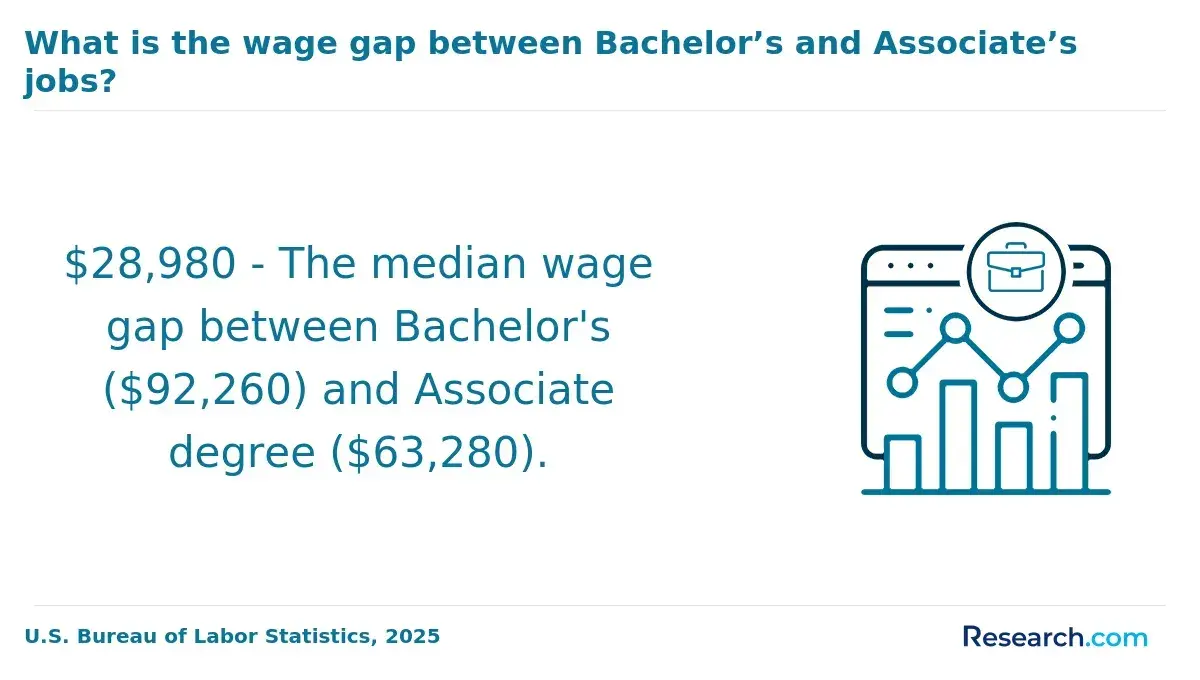
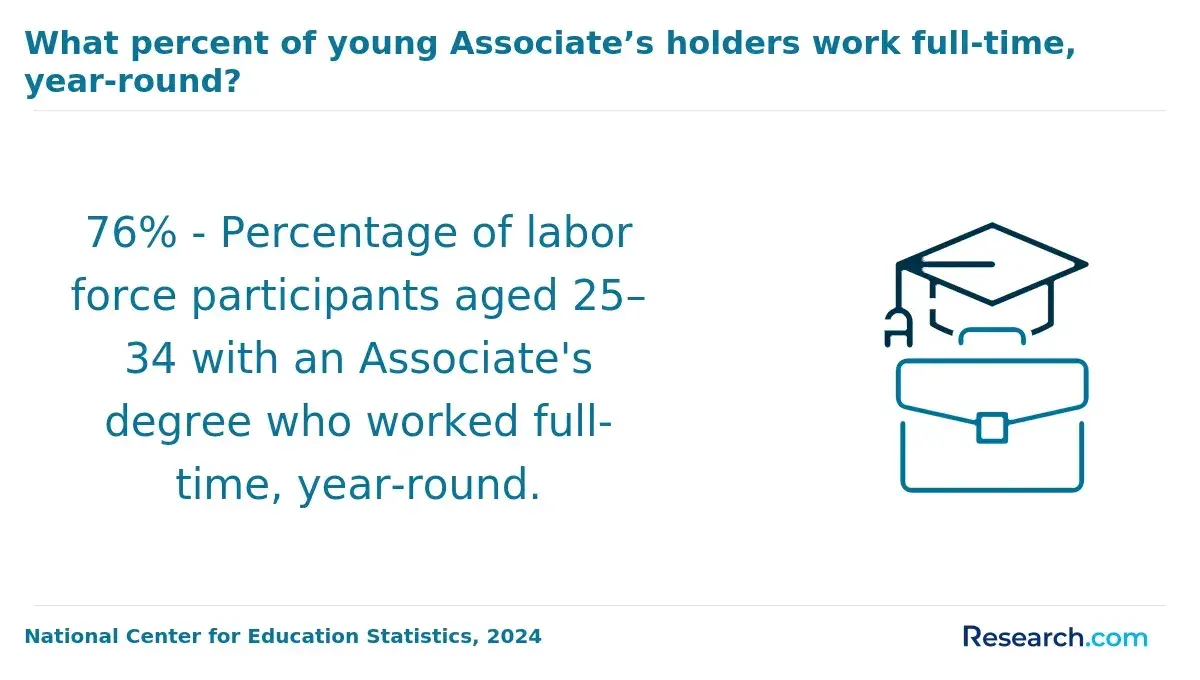
Choosing a community health degree involves navigating varying admission requirements that reflect the credential level and program focus. Undergraduate entry demands a high school diploma with GPA benchmarks near 2.5-3.0 and prerequisite coursework in biology, statistics, or psychology. Graduate programs usually require a related bachelor's degree and references; some add work experience or certifications. Program durations differ significantly: associate degrees average two years, bachelor's four years full-time, and master's from 1.5 to 3 years depending on part-time or full-time status. These differences impact both the timeline and financial investment.
Cost is a critical factor with public in-state tuition hovering around $7,000-$10,000 annually, while out-of-state or private options may range from $20,000 to $40,000 per year. Graduate studies can cost between $15,000 and $60,000 total. Additional expenses include textbooks, technology fees, and practicum placements. Students who fail to budget for these complementary costs often face unexpected financial strain.
Employer demand concentrates in settings like general medical and surgical hospitals, where mean wages exceed $75,000. Accelerated online or hybrid programs provide flexible paths for working professionals but require careful planning due to intensive weekly workloads and compressed schedules. Prospective students must weigh the tradeoffs between cost, duration, and program delivery format to align with their career timelines and maximize employability outcomes. Prioritizing programs with accredited practicums and strong employer networks can materially improve job market entry.
What are the salary ranges and top-paying settings for community health educators and workers?
Salary outcomes for community health educators vary markedly by employer type, reflecting differences in role complexity and funding priorities. Government positions, especially within state agencies excluding schools and hospitals, offer an average annual salary near $69,790, with posted jobs emphasizing policy development, health equity, and advanced program management. These roles usually require at least a bachelor's degree in community health or a related field combined with demonstrable management experience.
Community health workers in nonprofits or local clinics often face lower pay, typically between $40,000 and $55,000, tied to more limited budgets and operational scope. Meanwhile, healthcare facilities integrating community health education into clinical teams offer midrange salaries from $50,000 to $65,000, blending patient engagement with administrative duties.
Prospective professionals must weigh these tradeoffs:
- Pursuing government health education roles offers stronger financial rewards but demands higher credentials and program oversight skills.
- Nonprofit and grassroots educator positions provide wider community impact but come with constrained pay and fewer advancement pathways.
- Choosing roles in healthcare facilities may balance clinical exposure with compensation but could involve more administrative work.
Understanding these distinctions shapes realistic career pivots and highlights the operational realities behind compensation variations in community health careers.
What is the job outlook for health educators and community health workers in the United States?
The evolving landscape for health educators and community health workers prioritizes adaptability to outpatient and digital health settings over traditional roles. For instance, specialists in ambulatory healthcare earned a mean wage of $77,680 in May 2023, outpacing average occupation wages and signaling employer preference for advanced communication and tech skills tailored to diverse outpatient populations.
This shift demands professionals capable of managing virtual education platforms, conducting community outreach, and interpreting health data to enhance program outcomes. While advanced technical proficiency expands employability, it requires ongoing upskilling beyond foundational curricula, challenging students and mid-career switchers alike.
Conversely, state and local public health roles, often funded through grants, offer more positions but with typically lower entry-level wages and less job stability. Navigating these environments involves balancing policy complexities and fluctuating budgets.
Career candidates should weigh key factors:
- Higher salary prospects and growth potential in outpatient and telehealth sectors come with evolving technical expectations
- Government and nonprofit roles present higher job volume but less financial security and more variable funding
- Mastery of data analysis and culturally sensitive health education substantially improves job resilience
Effectively aligning educational choices with these sector-specific demands promotes sustained employability amidst shifting health workforce requirements.
How can you choose an accredited, reputable community health program aligned with your career goals?
Choosing a community health program without careful scrutiny of accreditation and real-world outcomes can limit future employment options, especially in nonprofit and ambulatory care sectors where competencies in program management and practical health promotion are essential. Accreditation by bodies such as the Council on Education for Public Health (CEPH) signals compliance with industry standards, but prospective students must also verify that the curriculum aligns with their intended roles-whether policy advocacy, data analytics, or grassroots organizing.
For example, a candidate targeting urban nonprofit program design should prioritize programs offering coursework in grant writing, stakeholder engagement, and applied epidemiology. Programs tied to local or regional health agencies typically improve employment prospects by providing relevant internships and direct community interaction. According to the U.S. Bureau of Labor Statistics, fields categorized under "other ambulatory health care services" employ nearly 1,830 health education specialists with an average annual wage of $72,740 as of May 2023, demonstrating selective demand for practical skills and on-the-ground experience.
Balancing education with existing work commitments often requires flexible scheduling or remote learning; such logistical factors can determine a student's ability to pivot within their career while maintaining income. Evaluating graduate employment rates and employer networks offers additional insight into a program's effectiveness in supporting sustainable career trajectories.
Other Things You Should Know About Community Health
A bachelor's degree provides entry into most community health roles, but advancement often depends on additional credentials or experience. Employers prioritizing leadership, policy work, or specialized expertise typically expect a master's degree or certifications related to program management or epidemiology. Without further education, career progression can plateau in direct service roles, so prioritizing graduate studies is advisable for those targeting supervisory or strategic positions.
Certification requirements differ by state and employer, but holding credentials immediately after graduation can increase job market competitiveness and salary potential. However, some certifications mandate practical work experience or continuing education to maintain validity. A practical approach is to secure a role first if possible, then pursue certifications aligned with the demands of that position. Early certification is justified when aiming for employers with strict credential policies.
Employers in under-resourced or rural areas expect community health graduates to manage limited infrastructure, diverse health needs, and frequent resource constraints. These roles demand adaptability and problem-solving beyond academic knowledge. Graduates should prioritize programs with exposure to these environments and seek internships focused on underserved populations to align skills with real challenges. Lack of practical preparation for these conditions leads to adjustment difficulties and reduced effectiveness in the field.
References
- Online vs Hybrid vs Campus Learning in Healthcare: Which Is Right for You? https://www.edumed.org/articles/online-vs-hybrid-vs-campus/
- The Major Distinctions Between Certified Health Education Specialists and Community Health Workers https://www.nchec.org/news/posts/ches-vs-community-health-workers
- Public Health Degrees & Careers | How To Work In Public Health https://www.learnhowtobecome.org/medical-health-careers/public-health/
- U.S. Bureau of Labor Statics CHW Occupational Outlook https://www.scchwa.org/news/us-bureau-of-labor-statics-chw-occupational-outlook
- What Is the Difference Between Public Health and Community Health? https://online.worcester.edu/programs/nursing/msn-public-health/public-health-community-health-difference/
- Community Health Educator: Salary and Job Description https://publichealth.tulane.edu/blog/community-health-educator-salary-and-job-description/
- Highest Paid Public Health Careers https://www.publichealthdegrees.org/careers/highest-paid-public-health-jobs/
- Community Health and Public Health | University of Phoenix https://www.phoenix.edu/articles/healthcare/community-health-and-public-health-differences.html