2027 Online Community Health Degrees With Community Wellness Concentrations

Co-Founder and Chief Data Scientist
Professionals aiming to advance in community health often confront the challenge of balancing work, family, and continuing education, especially when seeking specialized training in community wellness. Recent data from the National Center for Education Statistics reveal that over 60% of graduate students now enroll part-time or online, reflecting a clear shift toward flexible education models tailored to adult learners with complex schedules.
This trend influences how prospective students must evaluate programs not just on content but on delivery, pacing, and credential recognition by employers in public health agencies and nonprofit sectors. This article examines accredited online degrees offering community wellness concentrations, emphasizing program features that address these real constraints and optimize career mobility in community health fields.
Key Things You Should Know
- Online community health degrees with wellness concentrations typically require 36-42 credit hours and a minimum 2-3 years to complete part-time, imposing opportunity costs that disproportionately affect midcareer professionals seeking rapid upskilling, per recent NCES data.
- Employer demand centers on demonstrated competency in epidemiological methods and culturally responsive program design; graduates lacking applied practicum experience may stall in hiring despite degree completion, as shown in 2024 workforce analytics by SHRM.
- Public health funding shifts toward integrated behavioral and physical wellness programs mean degree holders who specialize narrowly face narrower job pipelines, raising strategic questions about concentration breadth versus depth in curriculum choices.
What is an online community health degree with a wellness concentration?
Choosing an online community health degree with wellness concentration programs online involves evaluating practical workforce tradeoffs, particularly balancing flexible asynchronous learning with the necessity of localized practicum experiences. These degrees prioritize promoting holistic wellness through program planning, behavioral health, and policy development rather than merely focusing on disease prevention. Graduates typically work as wellness program managers, community outreach coordinators, or health educators, roles demanding cultural competency and proficiency in data analysis to create tailored community interventions.
For example, a wellness program manager in a regional hospital can leverage skills from this concentration to reduce patient readmissions by coordinating follow-up programs with community partners. This real-world application is critical, as employers increasingly emphasize demonstrable experience over academic credentials alone. Securing internships or capstone projects in local organizations is essential to meet this expectation and enhance employability.
The substantial growth in online learners, with 37% of U.S. undergraduates studying solely online, reflects the rising demand for accessible health education. However, such programs must integrate rigorous experiential components to satisfy employer standards. Exploring roles connected with health information management jobs salary also reveals adjacent career pathways for those with community wellness concentration training.
How do online and campus community health programs compare?
The choice between online community health programs versus campus programs hinges on access to experiential learning and employer expectations. Campus-based students benefit from structured, in-person clinical practicums and group projects that foster workplace communication skills preferred by public health employers. In contrast, online programs offer schedule flexibility favored by working professionals or those relocating, but students often must independently secure local practicum placements, potentially delaying completion.
Employers prioritize demonstrated field experience alongside academic credentials. Campus programs frequently leverage institutional partnerships to place students directly into federally funded community initiatives, accelerating integration into the workforce. Online learners must proactively coordinate with local agencies to mirror this exposure, presenting a practical barrier despite strong theoretical training.
Fields emphasizing hands-on skills-like bilingual outreach or chronic disease prevention-generally favor campus training. Conversely, remote graduates may be viable in program management roles if virtual internships complement their education. For individuals evaluating a healthcare administration degree, further research on program specifics and career alignment is advisable; a useful resource is healthcare administration degree guidance found online.

Is the program properly accredited for community health careers?
Attending an accredited online community health degree program is a non-negotiable step for those targeting practical, recognized roles in public health or wellness sectors. Employers consistently prioritize candidates whose qualifications stem from programs with verified community health program accreditation for careers, such as accreditation from the Council on Education for Public Health (CEPH). Without this validation, graduates frequently encounter barriers to state licensure, certification, or credible employment, placing them at a disadvantage compared to peers from accredited programs.
Programs approved by CEPH or equivalent accreditors ensure that coursework aligns with workforce requirements, emphasizing competencies in epidemiology, evaluation methods, and program planning. This alignment is critical for professionals managing community wellness initiatives and directly influences employer hiring decisions. For example, Certified Health Education Specialist (CHES) certification, often required for advanced roles, demands graduation from an accredited program, highlighting the long-term impact of proper accreditation.
Students should verify institutional status via authoritative databases before enrolling to avoid costly setbacks. Those pivoting careers must especially weigh the tradeoff between accelerated nursing programs and accredited online community health degrees, as selecting unaccredited options risks unusable credentials. Graduates from accredited programs tend to access higher median wages-$62,860 annually for health education specialists per the U.S. Bureau of Labor Statistics-compared with the broader U.S. median. Choosing an accredited path ensures education investments translate into marketable skills and employment opportunities without unnecessary delay or expense. For those exploring alternative healthcare pathways, options like accelerated nursing programs may also factor into strategic career decisions.
What courses are in a community wellness concentration?
A community health degree with a wellness focus demands more than foundational knowledge; it requires proficiency in applying epidemiology and health behavior theories to construct targeted, scalable interventions. Core classes in community wellness concentration emphasize data-driven program planning and evaluation, essential for professionals tasked with delivering accountable improvements in population health.
Practical competencies in financial management are critical, especially for roles within nonprofit or public agencies where funding constraints challenge program sustainability. Specialized coursework in nutrition, chronic disease prevention, and environmental health provides the context needed to customize initiatives for diverse populations.
For example, a community health professional working in a local public health department must integrate epidemiological insights with grant writing and stakeholder coordination to secure resources and ensure continuous program refinement. This dual emphasis aligns with workforce trends projecting a 23% increase in medical and health services management roles, which include these wellness positions. The median salary of $117,960 further reflects market recognition of these complex skill sets.
Prospective students should carefully evaluate course offerings against their intended career path and sector, whether government, nonprofit, or corporate wellness. Those seeking rapid degree completion might also consider options like a 6-month RN to BSN program online if they hold practical credentials.
What admissions requirements do these programs usually have?
Admission criteria for online community health degrees with a community wellness focus reflect broader workforce realities, where practical experience and foundational academics weigh heavily. Standard requirements include a high school diploma or GED, typically with a minimum GPA near 2.5-3.0. While some programs still request SAT or ACT scores, many have adopted test-optional policies post-2024, recognizing that standardized tests may poorly predict success and create barriers for nontraditional students. Applicants holding prior college credits or associate degrees often bypass testing, accelerating entry.
Admissions committees give significant weight to work experience or demonstrated commitment in community health fields, especially for programs aimed at professionals balancing employment with study. Supplementary materials such as letters of recommendation and personal statements provide insight into applicants' alignment with sector demands and readiness for independent learning.
Costs vary considerably; for example, Eastern Oregon University's online bachelor's charges approximately $59,220 for 180 credits at $329 per credit-less expensive than many campus-based programs but still a substantial investment when factoring in time and potential lost income.
Additional hurdles include prerequisite coursework in biology, statistics, or social sciences, which can delay progress and affect financial planning. Requirements like immunization records and liability insurance, often linked to internships or fieldwork, add complexity for students managing family or job responsibilities. Prospective students must weigh these operational tradeoffs fully to gauge actual accessibility and workforce relevance.
How long does an online community health degree take?
A typical community health degree with a wellness focus takes two to four years, but the choice of program format and level significantly shapes this timeline and its career utility. An associate degree usually requires about two years but limits access to roles expecting a bachelor's credential. A bachelor's degree traditionally spans four years but often compresses to three through transfer credits or accelerated online schedules. This expedited option suits working adults balancing professional demands without extended academic interruptions.
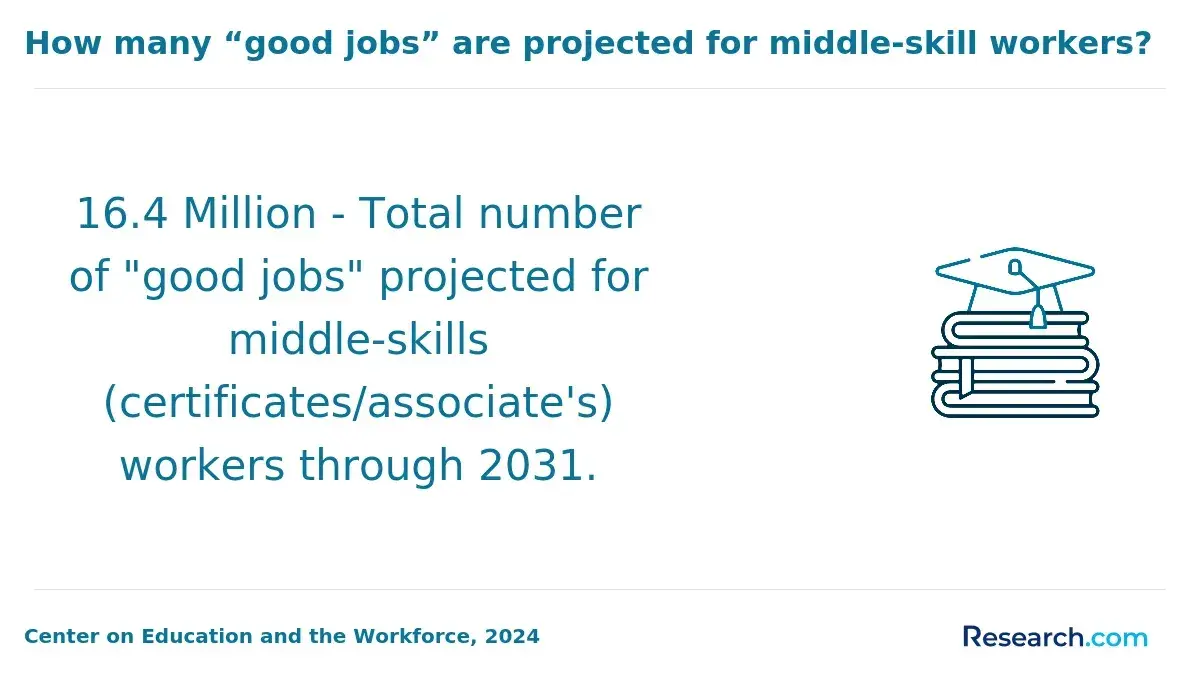
Employers increasingly prefer candidates with a bachelor's level education, driven by a projected 7% growth in health educator roles through 2033, adding over 4,000 new jobs nationwide (U.S. Bureau of Labor Statistics via Eastern Oregon University). Mid-career professionals pivoting into community health often find that bridge programs or accelerated bachelor's degrees leveraging prior coursework provide a pragmatic route to meet these baseline expectations quickly.
Online program pacing varies: self-paced options prioritize flexibility but can extend total study time, while cohort-based designs set clear 24- to 36-month completion targets. Practical fieldwork requirements-an essential component of comprehensive bachelor's curricula-often determine the minimum program length, as hands-on skills cannot be condensed without compromising preparedness.
These tradeoffs-between speed, flexibility, and depth-should guide decision-making for those aiming to enter or advance in community health sectors that demand specialized skills integrated with workplace readiness.
How much do online community health degrees cost?
The cost variability in online community health degrees with wellness concentrations directly influences the value proposition of these programs. Total tuition ranges from approximately $15,000 to $40,000, with public institutions generally offering lower rates, especially for in-state students, where per-credit charges vary between $300 and $600. Private and nonprofit universities tend to be significantly more expensive, charging $700 to $1,200 per credit. The ability to study part-time, while accommodating work commitments, may extend program duration and inflate total expenses through prolonged tuition payments.
An illustrative comparison: an accelerated online bachelor's degree at a public university might cost around $18,000 versus $36,000 at a private institution. However, higher tuition does not guarantee better labor market outcomes, particularly if the candidate lacks practical experience valued by employers in corporate wellness or public health agencies.
Operational benefits from applying wellness programs-such as a documented 25% reduction in sick leave and healthcare costs cited by the CDC-can justify educational investment when graduates transfer these competencies effectively. Nevertheless, up-front financial aid, employer tuition reimbursement, and flexible scheduling remain pivotal for mid-career students balancing income and coursework.
Additional expenses-practicum fees, technology surcharges, and certification exams-add $1,000 to $3,000 beyond direct tuition. Prospective students must holistically assess these costs against workforce goals and financial flexibility to make informed educational decisions.
What jobs can you get with a community health degree?
Graduates with a community health degree enter roles where measurable impact depends heavily on demonstrated skills beyond academic credentials. Employers prioritize candidates who can design, implement, and evaluate targeted health promotion programs, often requiring nuanced understanding of demographic diversity and social determinants of health. For instance, a public health program coordinator working in a nonprofit must translate data into actionable strategies that address specific community needs, balancing limited resources and stakeholder expectations.
Entry-level roles typically demand practical competencies in data collection, grant writing, and partnership management. Consider a local health department program manager who needs to analyze regional health data continuously to pivot interventions in response to emerging public health challenges. Without certifications or specialized training in areas like epidemiology or health policy, advancement opportunities may be constrained.
Completion rates for online learning in health fields (62.4% for distance learners versus 63.8% traditional) suggest comparable academic outcomes, but practical experience such as internships or fieldwork is crucial for employability, especially in direct service or policy advocacy roles. Corporate wellness and behavioral health positions layer additional expectations for interpersonal and organizational skills tied to analytical insight.
Salary and hiring trends align with regional funding availability and preventive care growth, requiring strategic choices around specialization and experiential learning. The evolving job market demands proficiency in digital health communication and data-driven decision tools to maintain long-term relevance and competitiveness.
What is the salary outlook for community health graduates?
Graduate earnings in community health vary significantly by employer type, location, and specialization, with median salaries ranging from approximately $40,000 to $60,000. Entry-level positions in government public health settings typically start near $45,000, whereas private sector and nonprofit roles often offer $50,000 or more. Specialized functions, such as epidemiology or wellness program management, may yield earnings exceeding $65,000.
Practical experience markedly influences income potential. For example, a community health graduate engaged in a rural health initiative might earn closer to $38,000 initially but often benefits from supplementary incentives or benefits that improve total compensation. Conversely, urban hospitals and corporate wellness programs frequently provide $60,000-plus salaries with clearer paths for advancement.
Financial investment in an online degree can affect return on investment (ROI); Southern New Hampshire University's model, allowing credit transfer up to 90 credits and reducing tuition to around $10,620, exemplifies the cost-to-earning balance critical for students seeking to minimize debt while entering the workforce efficiently.
Employment projections for community health workers indicate 13% job growth through 2032, outpacing many sectors. However, salary growth depends on continued education, geographic mobility, and alignment with emerging public health demands like chronic disease prevention and pandemic response. Candidates who neglect ongoing certification risk wage stagnation.
What certifications or licenses may community health roles require?
Licensing and certifications in community health vary considerably depending on the role, employer, and state mandates, making credential choices critical for employability and wage growth. Registered Health Educator (CHES) certification serves as a baseline credential for those focused on delivering public health education, validating skills directly tied to population wellness initiatives. Certified Case Manager (CCM) licensure is often mandatory in hospital or insurance settings where case management or disease prevention is central.
Nursing roles within community health require registered nurse licenses plus specialty certifications, which are enforceable by law across all states. However, these credentials demand significant upfront investment in education and ongoing maintenance, affecting time-to-employment and career trajectory.
Technology skills are increasingly non-negotiable given that 80% of large U.S. employers offer digital health programs; certifications like Certified Professional in Healthcare Information and Management Systems (CPHIMS) enhance marketability. Some community health workers may also need telehealth and HIPAA-focused certifications, especially when virtual patient engagement is part of their duties.
For example, a community health professional working in a corporate wellness program typically balances core public health certifications with health informatics qualifications to oversee virtual coaching systems. In contrast, those in rural clinics often prioritize state-specific licenses and foundational community health worker credentials due to differing employer priorities and resource limitations. This divergence impacts education planning, credentialing timelines, and continuing education demands, underscoring the need for tailored credential strategies aligned with specific workforce environments.
Other Things You Should Know About Community Health
Online community health degrees require consistent time management due to frequent assignments, group projects, and case studies. Most programs expect 15-20 hours per week, which can strain working professionals without flexible schedules. Prioritize programs offering asynchronous learning and clear deadlines to better integrate study with job responsibilities, otherwise the risk of burnout and delayed completion increases.
Practical experience is critical despite the online format. Programs that mandate internships or practicums provide essential exposure to real-world community settings, often required by employers. Choose programs with established local partnerships for hands-on opportunities; purely theoretical programs limit your readiness for community-based roles and weaken your job competitiveness.
In 2027, graduates with a community wellness concentration acquire niche expertise in health promotion and advocacy, aligning with current health trends focusing on preventative care. This specialization often positions them competitively for roles promoting healthy lifestyles and wellness programs in various settings, including public health departments and non-profit organizations.
Networking in online programs requires intentional effort as casual interactions are limited. Opt for programs that facilitate cohort-based learning and provide access to professional organizations or alumni networks. Active engagement in virtual events and forums substantially improves employability and career advancement prospects; neglecting this often results in weaker job placement outcomes compared to on-campus counterparts.
References
- 6 Types of Health Sciences Concentrations | University of Bridgeport https://www.bridgeport.edu/news/health-sciences-concentrations/
- The Major Distinctions Between Certified Health Education Specialists and Community Health Workers https://www.nchec.org/news/posts/ches-vs-community-health-workers
- What Can You Do With a Community Health Degree | CUNE https://www.cune.edu/news/what-can-you-do-with-community-health-degree
- Top 25 Online MPH Community Health Degree Programs - MPH Online https://www.mphonline.org/best-online-mph-community-health/
- Admissions Criteria https://ed.wum.edu.pl/pl/admissions-criteria
- Online Public Health Degrees: Find Your Program https://www.degreesforgood.org/online-degrees/public-health-programs/
- Community health workers: Salary, career path, job outlook, education and more - RaiseMe https://www.raise.me/careers/community-and-social-service/health-educators/community-health-workers/
- Employment | Join the Team | CHAP https://chapinc.org/employment/
- Health and Human Services: Campus & Online Degrees and Careers https://www.publichealthonline.org/human-services/online-degree-programs/
- Requirements - Idaho College of Osteopathic Medicine https://www.icom.edu/admission-aid/requirements/