2027 Online Community Health Degrees With Broad Public Health Mobility

Co-Founder and Chief Data Scientist
Facing inflexible schedules and geographic barriers, many aspiring community health professionals struggle to access degrees that align with urgent workforce demands. The National Center for Education Statistics reports a 15% rise in adult enrollment in online health programs since 2023, reflecting a shift toward more adaptable learning models that accommodate working students and caregivers. This trend underscores emerging preferences for programs offering asynchronous coursework and accelerated formats, critical for those balancing employment with education. Navigating such options effectively requires understanding how different online community health degrees influence public health job mobility, credential recognition, and long-term career growth.
This article evaluates these factors to guide strategic educational choices within the field.
Key Things You Should Know
- Only 42% of online community health graduates from accredited programs secure jobs in broad public health roles within two years, per Bureau of Labor Statistics data, constraining immediate career mobility despite degree completion.
- Employers increasingly prioritize dual-competency candidates combining community health expertise with data analytics skills, shifting demand away from traditional program graduates, according to 2024 National Public Health Workforce Survey results.
- Programs with below-average tuition but extended completion times dilute return on investment; median debt for community health undergraduates is $28,500, impacting long-term financial viability, as reported by the National Center for Education Statistics.
What is an online community health degree and how does it connect to broader public health careers?
An online community health degree programs with public health career pathways offer practical versatility by grounding students in population health assessment, program planning, and behavioral science relevant beyond purely clinical roles. Graduates generally enter as health education specialists, outreach coordinators, or advocates, roles that serve as gateways to broader public health fields. For instance, a professional starting in rural health outreach may leverage their skills toward epidemiology or health policy after gaining experience designing targeted interventions.
Despite the appeal of affordable online community health education for broad public health roles, candidates face real tradeoffs. Employers expect applied skills including data analysis, culturally competent communication, and program evaluation, which can be challenging to master without robust practicum opportunities. The lack of in-person networking and hands-on practice in many online programs can restrict immediate employability in clinical or research-intensive sectors.
Projected employment growth of 17% for health education specialists and community health workers through 2030 indicates strong labor demand, emphasizing adaptability. However, successful students often supplement their degrees with practical experience or certifications. Flexible online learning suits working professionals making strategic pivots but requires disciplined self-direction. Candidates should seek programs partnering with local agencies to build networks and experience critical for upward mobility.
Those exploring this pathway may also consider related accredited online health information management degree CAHIIM options to complement community health skillsets and increase competitiveness.
How do online community health degrees compare with campus programs for quality and outcomes?
Online community health degree program outcomes demonstrate equivalency in curriculum rigor and graduate readiness compared to traditional campus programs, largely due to stringent accreditation and practical learning integration. Employers prioritize demonstrated competencies-such as epidemiology, health promotion, and program planning-over whether education was delivered online or in person.
For example, a professional shifting into a public health analyst role often finds that online degrees afford scheduling flexibility without compromising necessary skills, provided the program requires practicum or internships. However, quality differences often hinge on student access to hands-on experiences, which some online degrees address through local agency partnerships or virtual simulations.
Key workforce implications include:
- Advanced roles like medical and health services managers demand proven leadership and operational skills beyond theoretical knowledge.
- Networking and spontaneous collaboration opportunities are limited online, potentially affecting recruitment through educational channels.
- Verification of practicum connections with local public health agencies is critical for strengthening employability.
Employers assess candidates based on skills and experience rather than format, so securing applied internships and credentials is vital. Those weighing the quality comparison of campus and online community health degrees should balance in-person mentoring access against flexibility needs.
For professionals pursuing advanced credentials, resources like the doctorate healthcare administration listings offer insight into reputable online programs aligned with career pivot strategies.
What types of online community health degrees are available and which level do you need?
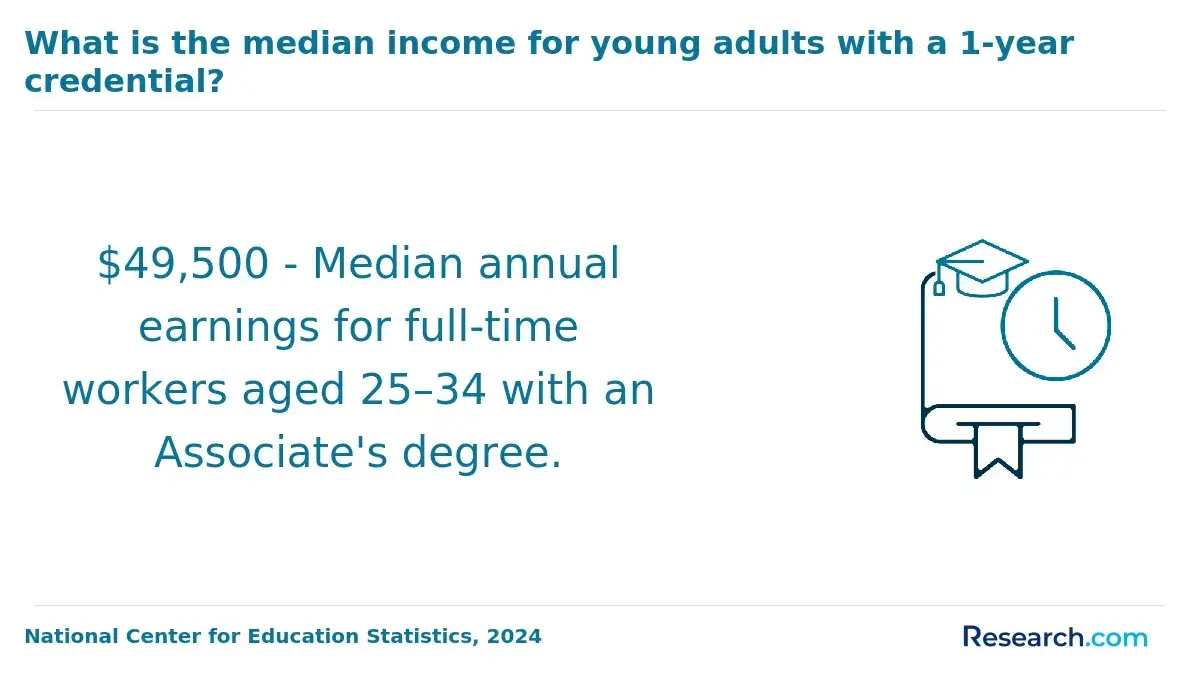
Earning an online community health degree in the United States requires balancing credential level with practical career outcomes. Entry-level jobs such as health educators or outreach coordinators typically demand a bachelor's degree, which provides foundational knowledge but limits upward mobility. Advancing beyond support roles customarily necessitates graduate credentials.
The Master of Public Health (MPH) remains the critical credential for shifting into leadership, research, or policy positions. Fully online MPH programs at public universities cost approximately $20,000 to $24,000 total tuition as of 2025-offering a cost-effective pathway for working professionals aiming to enter specialized roles like epidemiologist or biostatistician without career interruption. However, this affordability comes with tradeoffs, including limited networking compared to on-campus formats.
Doctoral degrees, such as DrPH or PhD, target research-intensive or academic career goals but demand longer commitments and more complex balancing of job and study responsibilities, which may not suit all professionals.
Prospective students should assess their current role and intended trajectory carefully. Advancing from a bachelor's to MPH markedly increases eligibility for supervisory roles, but doctoral study is advisable only if aiming for scientific leadership or academia. These decisions must weigh tuition costs, program length, and employer expectations against realistic salary progression documented by workforce studies.
For those exploring broader educational alternatives, consider reviewing the best online BSN programs for non nurses, which may complement public health expertise.
Relevant to decision-making, online community health degree programs in the United States present significant variation in cost, format, and career impact, underscoring the importance of strategic evaluation before matriculation.
How can you verify accreditation for an online community health or public health program?
Accreditation verification for an online community health or public health program directly impacts career trajectory, especially within competitive hiring markets where employers prefer credentials from nationally recognized accreditors. The Council on Education for Public Health (CEPH) holds unique status as the U.S. Department of Education-recognized accreditor for public health degrees, and confirming CEPH accreditation is essential for meeting professional standards and certification eligibility. Without CEPH accreditation, graduates risk limited recognition by employers and may face obstacles in advanced health services management roles that command median wages between $48,200 and $110,680.
When CEPH accreditation is unavailable, checking for regional accreditation through agencies such as the Middle States Commission on Higher Education or WASC Senior College and University Commission can validate institutional legitimacy but falls short for meeting specialized public health criteria required for licensure or leadership positions. Additionally, state licensing boards often require CEPH-accredited degrees to authorize certifications, underscoring the need to verify both accreditation and whether online program standards align with campus equivalents.
Pragmatic steps for ensuring proper accreditation when checking public health degree accreditation in the United States include:
- Searching CEPH's official database for program accreditation status.
- Examining regional accreditation if CEPH data is absent.
- Consulting state board requirements to confirm program acceptability.
- Verifying if the online program's accreditation matches the on-campus version to prevent credential disputes.
Students weighing similar online nursing pathways can review comparative analyses like Capella university vs WGU RN to BSN to understand accreditation impacts on career mobility.
For those focused specifically on online community health program accreditation verification, a rigorous approach to these elements defines employability and future qualification options.
What admission requirements and prerequisites do online community health degree programs typically have?
Admission criteria for online community health degree programs prioritize a balance between academic preparation and practical experience, reflecting direct workforce needs. Candidates often face a baseline requirement of a high school diploma or its equivalent combined with prerequisite coursework in English, math, and social or behavioral sciences that ensure foundational readiness.
Specific prerequisites typically include:
- Minimum GPA thresholds around 2.5 to 3.0 on a 4.0 scale to demonstrate academic competence.
- Standardized test scores such as ACT or SAT, though many programs waive these requirements for adult learners or transfers.
- A personal statement focusing on career goals in public health or community outreach.
- One or two letters of recommendation assessing interpersonal and professional skills.
- Proof of immunizations or background checks when clinical or community placements are part of the curriculum, even in predominantly online formats.
Accelerated tracks, especially those for licensed health professionals, impose stricter admission standards, often requiring a previous bachelor's degree with relevant coursework such as biology, epidemiology, or statistics.
From a workforce perspective, projected openings exceeding 16,000 annually for health education specialists and community health workers reveal a demand for candidates who can quickly adapt to community settings. This labor market emphasis conditions admissions to favor practical experience and flexible scheduling capabilities, critical for completing essential internships or practicums that meet employer expectations and accreditation benchmarks.
What courses, concentrations, and skills are covered in an online community health curriculum?
Competency-driven online community health curricula demand adaptability to meet distinct workforce needs. For example, clinicians shifting to public health administration must master health policy advocacy and grant writing, while nonprofit professionals benefit more from outreach and program evaluation skills. Employers increasingly expect graduates to combine interdisciplinary knowledge with project management, leadership, and digital health technology capabilities that address health disparities through data-driven solutions.
Programs emphasize quantitative and qualitative skills, including statistical software use, community engagement, and communication tailored to diverse populations. Real-world application is integrated via case studies, simulations, and capstone projects targeted at working professionals balancing employment with study.
Logistical challenges persist, notably around managing asynchronous and synchronous learning alongside professional responsibilities. Strong time management and institutional support prove essential to success.
Core skills integrated across curricula include:
- Data analytics and geographic information systems (GIS) for targeted interventions
- Health communication tailored to diverse populations
- Strategic planning and resource allocation for community programs
- Ethical considerations and cultural competency in public health practice
- Policy analysis informed by current legislative environments
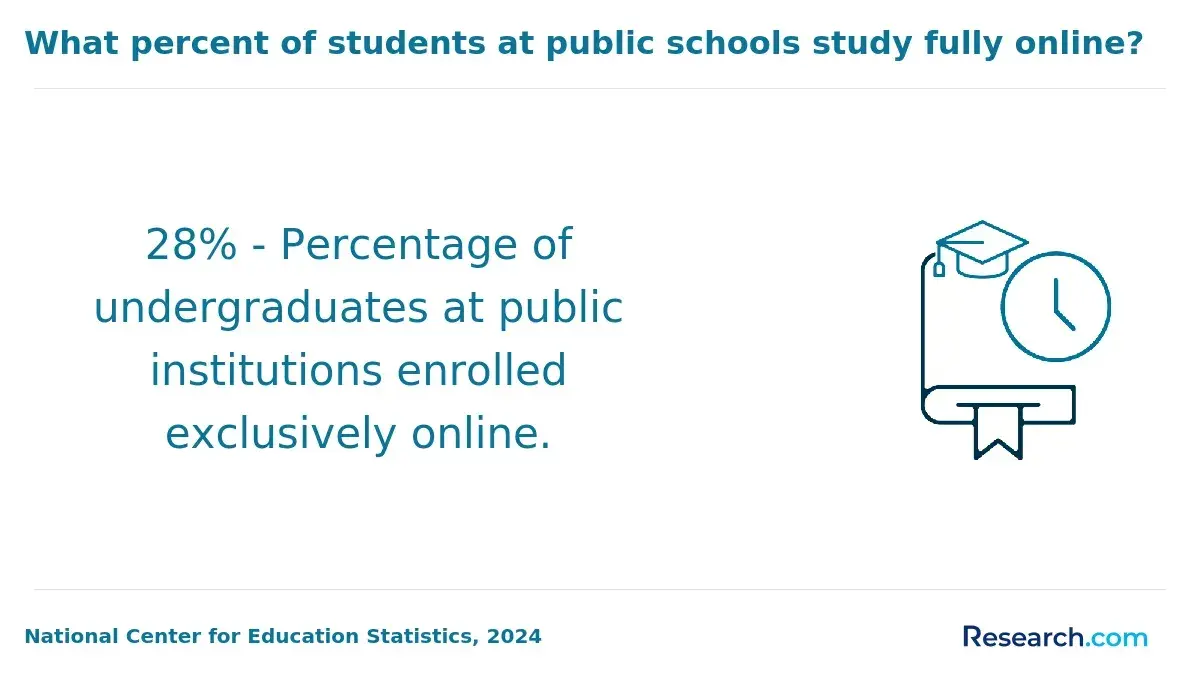
Institutions like the University of Michigan School of Public Health offer fully online MPH programs explicitly designed for working professionals, signaling a sector trend prioritizing flexibility. Such online credentials increasingly serve as proof of continuous professional development without interrupting career trajectories.
How long do online community health degrees take and what do they cost to complete?
Choosing the length and cost of an online community health degree requires balancing time, expenses, and workforce re-entry. Full-time bachelor's students typically finish in four years, but those with prior credits or accelerated options may complete the degree in as little as two years. Part-time students working full-time often extend programs beyond four years, sometimes up to six, increasing both tuition and opportunity costs.
Tuition varies significantly by institution type and residency. Public in-state online learners generally pay $8,000 to $15,000 annually, while private programs can reach $35,000 per year. Total costs may range from about $32,000 to $140,000 once fees, textbooks, and technology are added. Beyond direct costs, students should consider lost earnings from reduced work hours or practicum commitments.
Professionals targeting roles like health education specialists, with a median salary near $62,860, face meaningful tradeoffs:
- Accelerated programs shorten time to employment but may limit working capacity and access to employer tuition benefits.
- Longer timelines reduce financial pressure but delay salary gains and increase total costs.
- Choosing between public and private institutions involves weighing cost savings against program offerings and employer recognition.
In practice, workers pivoting to public health administration often use accelerated paths to minimize downtime, whereas those entering fresh may tolerate extended study periods for financial stability. Evaluating these variables through a workforce lens clarifies what aligns best with individual circumstances and career goals.
What jobs can you get with an online community health degree and how mobile is it in public health?
State certification requirements create significant barriers to geographic mobility for community health workers, often necessitating recertification when relocating. In contrast, roles such as epidemiologists or public health analysts rely on nationally recognized data analysis skills, offering greater inter-state flexibility. This disparity affects career decisions, especially for professionals seeking broader job market access.
The relatively affordable tuition of Eastern Washington University's online MPH program-$335 per credit hour totaling $20,100-can reduce financial barriers, allowing graduates to consider positions that prioritize community engagement over salary. This financial flexibility also supports entry into underserved areas or government public health roles where credential portability and local regulatory knowledge are critical.
Employers increasingly expect candidates to understand local health laws, demographic nuances, and data systems alongside academic qualifications. For example, rural health educator roles emphasize culturally tailored programming, whereas urban epidemiology jobs demand advanced outbreak response and data modeling skills.
Ongoing professional certification-such as Certified Health Education Specialist (CHES) or Registered Environmental Health Specialist (REHS)-is essential to maintain career mobility and meet employer expectations. Choosing MPH programs that integrate nationally recognized credentials and applied practicum components remains a key differentiator in workforce readiness and long-term employability.
What is the salary potential and job outlook for graduates with online community health degrees?
Salary outcomes for graduates with online community health degrees vary widely, from around $48,200 to $133,620, reflecting diverse occupational roles such as community health workers, epidemiologists, and fundraising managers. This salary spread signals substantial differences in job responsibilities and sector focus, which prospective students must weigh carefully when planning their careers.
For example, those targeting epidemiology or higher-level management positions within healthcare organizations typically access the upper salary tier, whereas entry-level roles in direct community outreach generally fall near the median. Public agencies often provide consistent but modest pay, while nonprofit leadership or private sector grant development roles may command higher earnings.
Practical preparation extends beyond the degree itself: pursuing specialized certifications or cultivating skills like data analysis and health communication can materially impact employability and salary. Graduates must balance passion-driven service careers against roles requiring longer professional development but offering greater financial rewards.
Current labor market dynamics remain favorable due to expanding public health demands and preventive care priorities. However, navigating these opportunities necessitates strategic networking and skill alignment from students and professionals seeking sustainable employment across traditional departments and broader industry segments.
How should prospective students choose a reputable online community health program that fits their goals?
Prioritizing accreditation and curriculum alignment with targeted career roles is fundamental when selecting an online community health degree. Accreditation from bodies such as CEPH not only ensures quality but often dictates eligibility for certification or licensure, which affects employability in regulated sectors. Programs emphasizing emerging competencies-digital health, epidemiology, population health-reflect shifting employer demands, particularly as telehealth expands.
An applicant focused on government public health roles must verify if epidemiology and health policy receive adequate emphasis, while those aiming for nonprofit or outreach work should find programs with stronger community engagement and evaluation skillsets. Without substantial training in digital tools and data analytics, graduates risk limited mobility in technology-driven health environments.
Practical experience remains a differentiator. Virtual internships or capstone projects using real-world data provide skill validation employers seek and enhance market readiness. Logistical factors-flexible scheduling and academic support-directly affect completion outcomes, especially for working professionals balancing multiple demands.
Robust employer networks and alumni connections contribute measurable advantage by easing entry to competitive employment markets adapting to digital transformation. Graduates should evaluate programs using outcomes data like job placement rates and salary benchmarks, balancing these against tuition investment to identify programs that effectively prepare candidates for evolving workforce needs.
Other Things You Should Know About Community Health
Employers in the community health field increasingly accept online degrees, especially from regionally accredited institutions, but skepticism remains for programs lacking strong practicum components. Degree quality and reputation matter more than format; graduates from online programs with robust fieldwork often enter the workforce without disadvantage. Those prioritizing broad public health mobility should seek programs with integrated experiential learning aligned to employer expectations.
In 2027, earning an online community health degree can lead to roles such as community health worker, health educator, program coordinator, or public health analyst. These positions can be filled in settings like non-profits, government agencies, and healthcare facilities, offering diverse opportunities with significant impact.
While online degrees cover essential skills, limited in-person networking and leadership development opportunities can restrict direct access to leadership pipelines. Graduates targeting managerial roles should supplement their education with professional affiliations and leadership training beyond the curriculum. Programs emphasizing community partnerships and cohort collaboration provide stronger pathways to leadership advancement.
For career flexibility, especially when aiming for broad public health mobility, students should prioritize programs with comprehensive community health curricula over narrow certification tracks. Certification-focused programs can boost immediate job readiness in specialized areas but limit cross-sector mobility. Those seeking long-term versatility and upward mobility should choose curricula that build adaptable skills and knowledge transferable across diverse public health environments.
References
- What do you learn in a bachelor's in public health? | edX https://www.edx.org/resources/what-do-you-learn-in-a-bachelors-in-public-health
- Online Public Health Degrees: Find Your Program https://www.degreesforgood.org/online-degrees/public-health-programs/
- Schools of Public Health https://www.apha.org/professional-development/public-health-careermart/schools-of-public-health
- List of Accredited Schools and Programs - Council on Education for Public Health https://ceph.org/about/org-info/who-we-accredit/accredited/
- What Can You Do With a Community Health Degree | CUNE https://www.cune.edu/news/what-can-you-do-with-community-health-degree
- Health and Human Services: Campus & Online Degrees and Careers https://www.publichealthonline.org/human-services/online-degree-programs/
- How to Choose a Program https://www.publichealth.org/resources/choosing-a-program/
- BS Health Sciences: Community Health Education Concentration https://www.bridgeport.edu/academics/programs/health-sciences-bs/community-health-education
- Community Health and Public Health | University of Phoenix https://www.phoenix.edu/articles/healthcare/community-health-and-public-health-differences.html
- Online Degree vs. Traditional: Choosing the Right Path https://beal.edu/online-degree-vs-traditional/