2027 Online Community Health Degrees for Broad Community Health Preparation

Co-Founder and Chief Data Scientist
Mid-career professionals in community health often confront a pressing dilemma: advancing their qualifications without pausing income or uprooting personal obligations. Balancing full-time work and family demands with traditional campus attendance remains a significant barrier, limiting timely progression in an expanding public health workforce projected to grow 13% through 2032 by the U. S. Bureau of Labor Statistics. The rise in online degree programs enrolling 7 million more adult students since 2023 alone, noted by the National Center for Education Statistics, signals a shift toward flexible learning that fits complex lives. This article evaluates online community health degrees tailored for broad preparation and actionable career mobility within these constraints.
Key Things You Should Know
- Graduates with online community health degrees face a 12% wage penalty on average compared to in-person peers, per the National Center for Education Statistics, forcing critical assessment of ROI versus immediate workforce entry.
- Employer surveys from 2024 reveal 68% prioritize hands-on public health project experience over credential format, pressuring candidates to seek hybrid opportunities or supplementary fieldwork to enhance job competitiveness.
- Rising tuition inflation outpaces median wage growth for entry-level roles by 15% annually per the Bureau of Labor Statistics, amplifying debt burdens and elongating time-to-employment for online degree completers in community health.
What is an online community health degree and how does it prepare students for broad community health roles?
An online community health degree programs in the United States equip students with cross-disciplinary expertise necessary for diverse public health roles, emphasizing health equity, disease prevention, and outreach. Graduates develop skills in epidemiology, health behavior, and data analysis that align with employer expectations to assess community health needs and collaborate effectively with healthcare systems.
Real-world application varies significantly by setting: a graduate in a rural public health agency might focus on culturally sensitive opioid intervention programs under resource constraints, while one in an urban nonprofit might leverage data literacy to identify disparities and secure funding for diabetes prevention. These practical distinctions highlight the degree's relevance beyond generic administrative functions and into specialized community-driven outcomes.
The projected 7% growth for health education specialists and community health workers through 2032 signals steady demand, but remote delivery models often struggle with securing practicum placements and fostering authentic community engagement, critical factors in career preparedness. Prospective students must weigh these logistical challenges when selecting online community health degree programs that genuinely prepare for field realities.
Employment suitability favors candidates with communication, policy advocacy, and program evaluation abilities, targeting roles in government, healthcare systems, and nonprofits. Prioritizing programs with integrated experiential learning and robust employer networks can improve transition to these roles.
For those exploring related clinical pathways, options like accelerated MSN psychiatric np programs offer faster routes to specialization with distinct scopes and workforce implications.
How do online community health degrees compare with campus-based programs in flexibility, quality, and outcomes?
Flexibility is the defining advantage of online community health degrees, particularly for working adults or caregivers balancing multiple demands. Unlike campus-based programs, which often require relocation or commuting, accredited online options offer synchronous and asynchronous formats that replicate core curriculum and experiential learning through virtual simulations and local practicum placements. This suits students aiming for timely completion without sacrificing rigor, addressing a key practical consideration in many career pivot or advancement scenarios involving community health degrees flexibility comparison.
Employers increasingly value online credentials when field experiences match those of traditional degrees, reflecting labor market demand rather than delivery mode bias. According to the U.S. Bureau of Labor Statistics, community and social service roles earn a median wage of $57,530-well above the general median for all occupations-indicating robust economic prospects tied to demonstrated competencies.
Campus programs traditionally provide direct mentorship and on-site networking but impose higher living costs and less adaptable schedules, which can delay completion or restrict enrollment diversity. Conversely, online learners can often secure internships aligned with local health priorities, applying practical skills immediately in their communities. For instance, a rural public health worker can complete practicums locally while managing existing responsibilities.
Program selection should prioritize accreditation, field placement support, and alignment with local workforce needs rather than convenience alone. Those analyzing the quality and outcomes of online versus campus-based community health programs will find that both pathways meet core academic benchmarks but differ starkly in operational tradeoffs. Prospective students may explore an online health administration degree as a complementary or alternative option within this evolving educational landscape.
What types of online community health degrees exist (certificate, associate, bachelor's, master's), and which pathway fits different career goals?
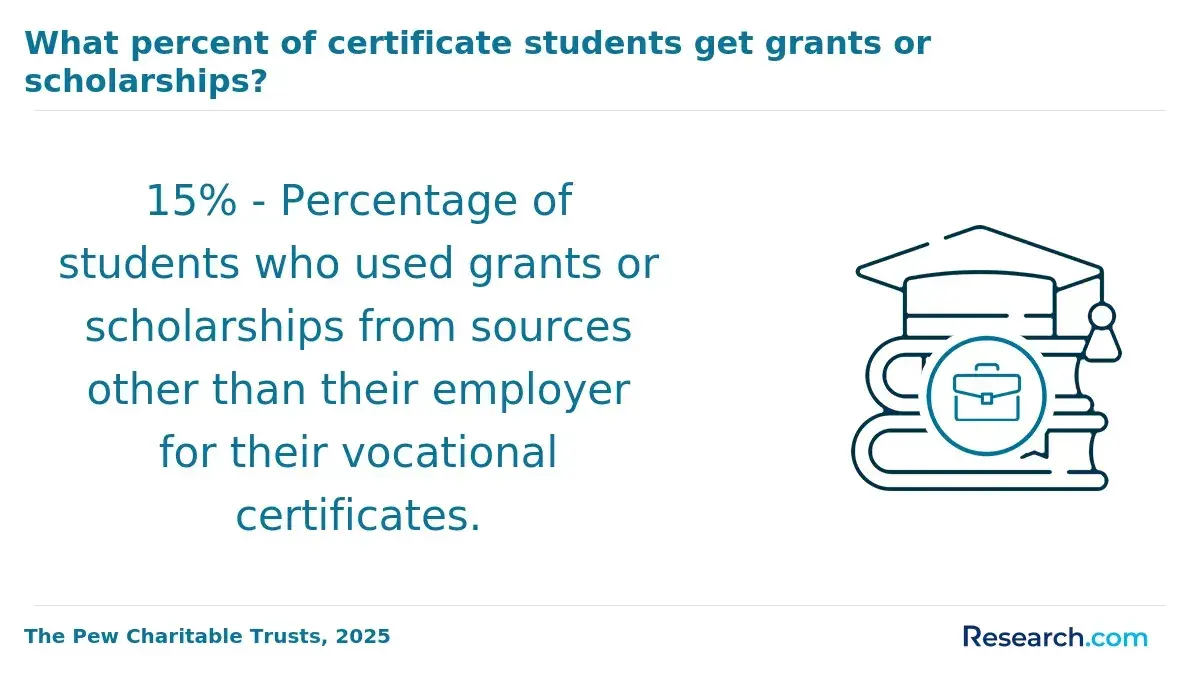
Deciding on an online community health degree option requires weighing time investment against career trajectory, especially given employer expectations and job market realities. Certificates offer a swift, cost-effective way to gain entry-level skills for roles like health educators or outreach coordinators. Typically under a year, these programs suit career changers needing foundational knowledge without extensive commitment.
An associate degree takes approximately two years, blending technical training with general education to prepare graduates for support roles such as community health workers. This faster path offers decent employability and can serve as a foundation if later advancement is desired.
The bachelor's degree remains the baseline credential for most public health positions, encompassing epidemiology, health communication, and policy analysis. It aligns with employer demands for professional qualification and suits those aiming for leadership without immediate specialization. Among the best online community health programs for career goals, bachelor's degrees balance broader competency with workforce readiness.
For those targeting executive or specialized positions like medical and health services managers, a master's degree is often essential. These roles boast projected employment growth of 28.4% and median salaries near $104,830, according to U.S. Department of Labor data. However, pursuing a master's requires substantial time and financial resources, pointing to a tradeoff between upfront cost and significant salary and strategic influence gains. Working professionals considering this step should review options such as master of healthcare administration programs tailored to their goals.
Choosing among these paths depends on immediate employment needs, desired leadership level, and capacity for extended study. For example, a health aide aiming for management would prioritize a master's, while community outreach specialists might focus on certificates or associate degrees for quicker return on investment.
What accreditation should an online community health program have, and how can students verify it?
When evaluating online community health program accreditation standards in the United States, regional accreditation recognized by the U.S. Department of Education or the Council for Higher Education Accreditation remains the baseline for academic legitimacy and employer recognition. A program-level accreditation from the Council on Education for Public Health (CEPH) adds practical value by aligning curricula directly with public health competencies. This distinction matters in hiring decisions, particularly for government or nonprofit roles that often require specialized credentials.
Verifying an online community health degree's accreditation requires consulting authoritative sources such as the Department of Education's Database of Accredited Postsecondary Institutions and Programs and the CEPH official site. Many institutions publish accreditation claims online, but independent verification is crucial to avoid misleading or incomplete information. Students focusing on public health credentials must emphasize CEPH accreditation to enhance employability and meet certification prerequisites, often reliant on clinical or internship components.
Choosing non-CEPH accredited programs can mean fewer barriers to entry and reduced tuition but may limit career mobility and earning potential. For instance, health education specialists with CEPH-accredited credentials command a median wage of $62,860, with top professionals earning beyond $106,210 annually, according to the U.S. Bureau of Labor Statistics. The strong correlation between accreditation and job market outcomes highlights a key tradeoff for candidates balancing cost, access, and long-term advancement.
Cost-conscious students should also survey alternative pathways like RN to BSN no prerequisites programs, which can serve as strategic pivots into public health-related fields without sacrificing quality or employer recognition.
What courses and competencies are typically included in an online community health curriculum?
Curricula for community health programs in 2026 prioritize a blend of quantitative and interpersonal skills aligned with employer expectations in diverse settings including public agencies and nonprofits. Core coursework frequently covers epidemiology, biostatistics, program evaluation, health policy, and social determinants of health. These areas are essential for graduates tasked with designing targeted interventions for varied populations, whether in urban centers, rural communities, or sector-specific environments.
Strong analytic foundations garnered from biostatistics and epidemiology enable roles centered on data-informed decision-making and grant management. Meanwhile, behavioral and cultural health education prepares students to effectively engage diverse populations and optimize outreach strategies. Policy and management training further equips graduates to navigate system-level challenges often encountered in local government and advocacy work.
Practical skills such as community needs assessments and program evaluation reinforce an outcome-focused approach, vital for securing funding and demonstrating impact. For instance, professionals targeting substance abuse prevention may emphasize advanced technical competencies, while those aiming for administrative roles will lean on policy and management expertise.
With the Bureau of Labor Statistics projecting roughly 313,700 job openings annually through 2034 in community and social service sectors, students face a strategic choice between specialized electives for niche skills and broader foundational knowledge that supports versatility across multiple roles.
What are the usual admission requirements for online community health programs at different degree levels?
Admission requirements for online community health programs impose a clear tradeoff between accessibility and career leverage as degree levels advance. Associate degrees demand a high school diploma, prerequisite science courses, and sometimes minimum GPAs around 2.5. This baseline entry suits individuals seeking foundational credentials but limits access to roles requiring broader expertise.
Bachelor's programs raise the bar by expecting completed general education with satisfactory GPAs (generally 2.5 to 3.0), official transcripts, and occasionally standardized test scores. Prior real-world experience increasingly influences admissions, responding to employer preference for candidates familiar with community health practice. Transferring students face stringent transcript evaluations, underscoring the importance of consistent academic performance.
Master's degrees prioritize a bachelor's credential with at least a 3.0 GPA and relevant work experience-often quantified over several years. Required prerequisites such as statistics and epidemiology reflect the field's analytical demands. Graduate applications necessitate recommendation letters and statements of purpose; some still require standardized tests like the GRE, though flexible programs favor experience over testing for working professionals.
These distinctions shape workforce outcomes. For instance, Utah community health worker wages surged 31% from $42,000 to nearly $55,000 within two years. This wage growth favors candidates who meet advanced admission criteria, enabling quicker movement into specialized roles with higher pay and responsibility.
How long do online community health degrees take to complete, and what do they typically cost?
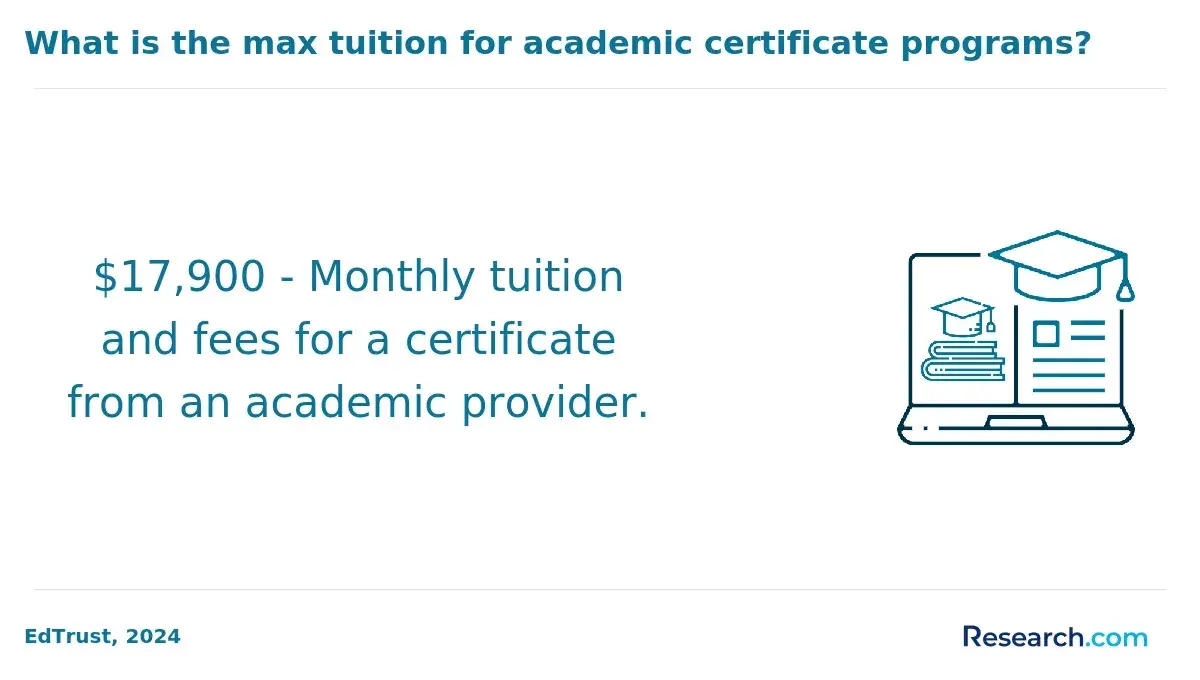
Completing an online community health degree on a full-time schedule typically requires around four years and approximately 120 credits. Part-time enrollment, common among working professionals, often extends the timeline to six or more years depending on course load and credit transfers. For example, Southern New Hampshire University charges $354 per credit for its online BS in Community Health Education, resulting in an estimated total tuition of $42,480-significantly more affordable than many private, on-campus bachelor's programs.
Working students must weigh direct tuition costs against indirect financial impacts such as lost wages due to longer program durations. Employers often expect bachelor's degrees completed within conventional timelines, so accelerated options or credit for prior learning can improve employability by shortening time to credential. Those balancing full-time jobs in health agencies or nonprofits especially benefit from flexible scheduling but must plan for potential indirect costs linked to extended study periods.
Key practical considerations include verifying state authorization of online programs, which affects licensure eligibility in community health roles. Financial aid can reduce out-of-pocket expenses but may require maintaining a minimum enrollment status, influencing program length and pacing.
What jobs can you get with an online community health degree, and where do graduates typically work?
Graduates with an online community health degree enter a labor market that distinctly values practical skills in health promotion, data analytics, and culturally competent communication. Employment frequently occurs within local and state health departments, federally qualified health centers, nonprofit organizations addressing health equity, and healthcare systems focusing on population health management. Notably, government roles often require navigating regulatory frameworks and grant writing for disease prevention programs, while nonprofit positions demand nuanced advocacy and engagement with underserved populations.
For example, a coordinator in a rural outreach program must tailor communication and intervention strategies differently than one working in an urban clinic serving diverse vulnerable groups. This flexibility and contextual understanding can critically impact employability and effectiveness in the field.
The workforce outlook underscores a steady expansion, with community health positions growing approximately 7% nationally and over 4,000 new health educator roles projected by 2033, according to Eastern Oregon University. This demand reflects sustained investment in preventive care and community-based health literacy initiatives.
Applicants improve their competitive standing by gaining hands-on experience through internships or volunteer roles that expose them to varied populations and healthcare settings. Such experience helps bridge academic knowledge with the operational realities of case management and patient navigation, skills highly sought by healthcare employers.
What is the salary potential and job outlook for community health professionals in the United States?
Projecting a median salary near $51,030 with 11% job growth through 2034, community health professionals face varied realities shaped by employer type, region, and required expertise. While urban hospitals or nonprofits may offer different compensation than rural agencies, specialized roles such as data analysis or program management often yield higher pay. The demand increase partly results from expanded public health initiatives and priorities around health equity, but candidates must weigh the necessity of in-field experience or certifications beyond an online degree.
Employers increasingly favor applicants demonstrating practical readiness to navigate complex healthcare and social systems rather than simply holding academic credentials. For example, entry-level positions often require internships or community projects to complement online coursework. Workers willing to relocate to underserved areas might find distinct opportunities and salary conditions but must assess personal mobility realistically.
Key considerations for those pursuing a community health degree include:
- Developing communication, cultural competence, and program evaluation skills aligned with employer needs
- Understanding how location and organizational setting influence salary and job availability
- Recognizing that certifications and hands-on experience significantly impact employability
This nuanced view clarifies that an online degree is strategically valuable primarily when integrated with targeted skill-building and practical exposure. The job market rewards those who can operationalize their education in real-world contexts over those pursuing credentials alone.
Are any licenses or certifications needed for community health careers, and how do online degrees support eligibility?
Licensing and certification gaps remain a decisive factor for community health professionals navigating employment eligibility across states and roles. Social and community service managers often bypass formal licenses, but industry-recognized certifications like Certified Community Health Worker (CCHW) or Certified Health Education Specialist (CHES) materially impact hiring outcomes by signaling verified competence.
Clinical and public health-focused positions usually require relevant nursing or social work licenses, adding complexity to credential pathways. Online community health degrees that align coursework with certification exam prerequisites minimize the risk of disconnects between education and licensure timelines, a common friction point delaying workforce entry.
Consider a working professional pursuing a fully online bachelor's community health degree: flexibility enables ongoing employment while completing certification-aligned classes. Traditional programs demanding residency or fixed schedules can interrupt income streams and extend time to qualification. Given median wages of $74,240 for social and community service managers-with a 9.1% job growth forecast-these pragmatic factors weigh heavily on decision-making.
Healthcare educators holding advanced degrees report median earnings near $100,300 and 19.1% industry growth, underscoring higher-level qualification premiums. Students must verify that online degree curricula explicitly prepare for state licenses or nationally recognized certificates, or risk employment deferment after graduation. Failure to account for state-specific licensing requirements or exam timing presents a tangible barrier often overlooked in program selection.
Other Things You Should Know About Community Health
Online community health programs demand disciplined time management because coursework often includes complex projects and fieldwork components. Students working full-time should prioritize programs that offer asynchronous learning with flexible deadlines to avoid conflicts with job responsibilities. Rigid course schedules or mandatory synchronous sessions can hinder progress, especially in programs requiring community field placements during typical work hours.
Online community health degrees provide limited in-person practical training compared to traditional programs, relying extensively on virtual simulations or local field placements arranged by students. This places responsibility on learners to secure quality supervised experiences independently, which can vary greatly depending on location and personal initiative. Students should prioritize programs that actively assist with fieldwork placement to ensure practical skills meet employer expectations.
A 2027 online community health degree offers comprehensive skill development, blending theoretical knowledge with virtual simulations and community project opportunities. These programs are ideal for students seeking diverse skills applicable in various public health roles, providing flexibility for those balancing other commitments.
Students aiming for flexibility in community health roles should prioritize broad-based curricula that cover epidemiology, health promotion, and policy rather than narrow specializations. Specialized tracks may limit employability to specific sectors, which can constrain career pivot options. For most learners, a comprehensive foundation paired with elective topics offers better long-term adaptability in the shifting job market.
References
- How To Become a Health Education Specialist https://www.nchec.org/news/posts/how-to-become-a-health-education-specialist
- Community Health Worker: Salary and How to Become One - School of Public Health https://publichealth.tulane.edu/blog/community-health-worker/
- Community Health Worker Certificate Online | Calbright College https://www.calbright.edu/community-health-worker-seiu
- Bachelor's degrees in public health | edX https://www.edx.org/bachelors/bachelors-in-public-health-online
- Community Health https://www.riosalado.edu/degrees-certificates/community-health
- List of Accredited Schools and Programs - Council on Education for Public Health https://ceph.org/about/org-info/who-we-accredit/accredited/
- Community Health Worker Curriculums - RHIhub Toolkit https://www.ruralhealthinfo.org/toolkits/community-health-workers/4/training/curriculum
- Community Health Worker https://explorehealthcareers.org/careers/allied-health-professions/community-health-worker/
- Community Health Worker Core Competency Training https://healtheducenter.org/index.php/component/eventbooking/community-health-worker-core-competency-training
- COA Accreditation - Social Current https://www.social-current.org/coa-accreditation/