2027 Community Health Specializations That Best Match Patient Navigation and Advocacy Careers

Co-Founder and Chief Data Scientist
Facing rising patient caseloads and increasingly complex healthcare systems, community health professionals specializing in patient navigation and advocacy often struggle to identify educational pathways that balance work, access, and career advancement. The National Center for Education Statistics reports a 24% surge in enrollment among adult learners in online programs focused on health services since 2023, signaling a shift toward flexible, competency-based formats that accommodate employed students. This trend reflects growing demand for scalable training options that align with evolving employer expectations around practical skills rather than purely academic credentials.
This article evaluates community health specializations that best enable timely, flexible credentialing tailored to patient navigation and advocacy roles, helping readers align program choices with workforce realities.
Key Things You Should Know
- Specializations emphasizing cultural competence and social determinants of health align with employer demand, with 62% of healthcare organizations prioritizing these skills in patient navigation roles, driving hiring criteria shifts.
- Programs requiring advanced certifications extend completion times by 30%, often disqualifying candidates reliant on rapid workforce re-entry, thus impacting strategic career pivots toward patient advocacy.
- The growing integration of data analytics in community health advocacy creates a skills bottleneck, as only 18% of programs embed these competencies, limiting candidate competitiveness in outcomes-driven roles.
What is community health, and how does it prepare you for patient navigation and advocacy careers?
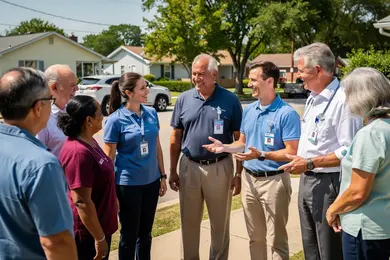
Community health specializations for patient advocacy careers equip professionals with skills that extend beyond theory to practical problem-solving in diverse healthcare settings. Training emphasizes identifying obstacles such as transportation, language barriers, and financial constraints, making it critical for patient navigators who assist vulnerable populations in navigating complex health systems. For instance, oncology patient navigation relies heavily on community health training to help patients overcome challenges like appointment scheduling, accessing financial aid, and comprehending treatment plans, directly influencing patient outcomes.
The workforce realities highlight that patient navigation roles demand a blend of cultural competence, resource coordination, and effective communication. Employers value candidates with experiential learning and multi-agency collaboration experience, often gained through internships in community settings. However, prospective students must weigh program quality based on how well it integrates public health frameworks with hands-on community engagement to meet these expectations.
Employment projections estimate an 11% growth in community health worker roles through 2034, reflecting steady demand and a median wage near $51,030. Nevertheless, prospective students should also consider related fields, such as health information management, which sometimes offers alternative pathways or complementary skills. Those evaluating options can benefit from reviewing a detailed health information management job description and salary to understand adjacent career possibilities.
In summary, how community health training supports patient navigation roles is found in its focus on addressing real-world barriers and applying culturally informed strategies that consistently align with employer needs for effective advocacy and care coordination.
Which community health degree specializations best align with patient navigator and patient advocate roles?
Health education and promotion stands out as the most directly practical specialization within community health degree programs for patient navigation roles, emphasizing skills in communication, cultural competency, and behavior change essential for guiding patients through complex healthcare systems. Employment growth projections from the U.S. Bureau of Labor Statistics show a 7% increase for health education specialists between 2023 and 2033, with approximately 6,700 annual job openings, reflecting consistent demand in patient advocate career paths in community health specializations.
Public health degrees offer valuable analytical skills relevant to systemic barriers and broader community assessment but often require additional certification or hands-on patient navigation training to match employer expectations for patient-facing roles. Health policy and management specializations provide insight into regulatory frameworks beneficial for advocacy or policy reform, though they may lack the direct care coordination focus necessary for effective navigation.
Employers in settings like oncology or chronic disease management prioritize applicants with demonstrable patient communication and care coordination abilities, typically cultivated in health education and promotion curricula rather than broad public health theory. Students weighing these options must recognize the tradeoff between theoretical breadth and practical skillsets, with some degrees necessitating supplementary local healthcare credentials to meet functional demands in navigation.
For those considering accelerated options, exploring the fastest online master's in healthcare administration could complement community health degree programs for patient navigation by expanding administrative competencies relevant to leadership roles in health advocacy environments.
What education level do you need for patient navigation and advocacy jobs in community health?
Employers in patient navigation and advocacy roles require a bachelor's degree as the foundational credential, especially given the complexity of managing healthcare systems, insurance policies, and community resource coordination. For candidates targeting advocacy jobs community health degree qualifications often revolve around social work, public health, or behavioral science disciplines, where formal education enhances the ability to navigate multidisciplinary teams and address social determinants of health. Without this baseline, responsibilities and job prospects narrow significantly, though some hospital-based positions managing chronic care accept associate degrees supplemented by certifications and experience.
Advanced degrees such as a Master of Social Work (MSW) or a master's in public health unlock leadership and higher-paid positions, with top earners reaching around $58,510 annually, reflecting a wage premium tied to graduate education. However, these graduate credentials require a significant investment in time and resources, forcing candidates to weigh immediate employment against future upward mobility.
Certifications specific to patient navigation enhance practical skills but do not substitute for the comprehensive understanding that degree programs provide. Hiring managers frequently balance formal education with interpersonal skills and proven field experience, which can sometimes offset credential limitations in entry-level roles. Prospective students should also consider programs like a healthcare administration degree for related pathways with practical leadership outcomes.
How do courses in community health navigation, case management, and advocacy typically fit into the curriculum?
The integration of community health navigation and patient advocacy programs within educational curricula directly shapes occupational readiness by blending case management courses and experiential learning. These programs emphasize patient assessment, navigation of complex healthcare systems, and legal advocacy, preparing students to address systemic barriers such as insurance limitations and social determinants of health.
Graduates are expected to demonstrate proficiency in electronic health records, resource databases, and effective stakeholder communication - skills gained through practicums replicating realistic scenarios like coordinating rural multidisciplinary care teams or assisting patients grappling with housing insecurity post-discharge. Employers increasingly seek candidates with these tangible proficiencies rather than theoretical knowledge alone.
The career and wage outlook varies significantly within this field. Data from Western Governors University highlights a salary range for patient navigators classified as community health workers between less than $32,180 and over $73,730 annually, reflecting the divergent career trajectories influenced by the depth of case management courses within community health curricula and field experience.
Students must consider how advanced training offers access to supervisory or specialty roles that substantially exceed entry-level pay but may require longer programs or higher credential levels. For those evaluating educational options focused on healthcare roles, affordable RN to BSN online programs can supplement foundational knowledge with clinical pathways that expand credential versatility.
What are the differences between online and campus-based community health programs focused on patient navigation?
Experience in patient navigation hinges on direct interaction with complex cases, which campus-based community health programs better facilitate through clinical partnerships and community engagement. A student attending in-person can engage with live hospital rotations or community clinics, acquiring nuanced skills in real-time problem-solving, culturally competent care coordination, and interpersonal communication that virtual simulations struggle to replicate. For example, managing an unexpected patient crisis during a clinical rotation provides critical applied knowledge unlikely to emerge from online case studies.
In contrast, online programs offer scheduling flexibility suited for working adults or caregivers but rely heavily on theoretical frameworks and simulated environments, limiting exposure to the unpredictable dynamics of healthcare settings. Employers tend to favor graduates from campus programs for roles requiring swift decision-making and patient advocacy in fast-paced environments, as these candidates demonstrate readiness shaped by hands-on experience.
The University of Providence projects a 14% growth in community health and health equity roles through 2032, emphasizing a fast-evolving labor market. Learners must evaluate how program format aligns with employer expectations and their own circumstances:
- Online students should seek hybrid options or local internships to gain practical exposure.
- Campus students gain networking advantages but face higher costs and less geographic flexibility, which may delay workforce entry or require relocation.
These tradeoffs directly impact employability and long-term career trajectory in patient navigation, making informed program selection essential.
How can you evaluate accreditation and program quality for community health degrees with advocacy specializations?
Accreditation by a U.S. Department of Education-recognized body such as CEPH or CAHME is the foundational filter when evaluating community health programs focused on advocacy. This ensures curricula meet essential academic and employer-aligned competencies. However, accreditation alone does not guarantee workforce relevance; graduation rates and job placement-especially employment above 75% within six months-offer critical evidence of program value in real-world settings.
Programs that integrate advocacy specializations, including patient navigation, care coordination, and health equity, better align with employer expectations. Affiliations with healthcare or nonprofit sectors provide essential experiential learning or internships, which employers consistently value. For example, oncology patient navigation programs backed by research show tangible workforce impact, reducing missed appointments by up to 36% and accelerating timely treatment initiation for underserved populations.
Prospective students should evaluate the balance between theoretical instruction and hands-on projects, as programs emphasizing patient-centered clinical work tend to produce graduates ready for complex advocacy roles. Faculty credentials and active professional association involvement often reflect curriculum currency and networking benefits.
For working professionals, delivery format and scheduling flexibility are key practical considerations influencing program completion rates. Also, pursuing certifications such as Certified Patient Navigator can enhance employment prospects by signaling validated skills recognized by employers.
What are the typical admission requirements and program lengths for community health navigation and advocacy pathways?
Admission into community health navigation and advocacy programs increasingly demands more than basic education; practical experience and documented community involvement weigh heavily in candidate selection. While a high school diploma or GED is the minimal entry point, competitive tracks typically require college coursework or associate degrees, complemented by background clearances and immunization records due to clinical fieldwork requirements.
Program length directly affects career trajectory and employability. Certificates lasting 6 to 12 months enable swift workforce entry but may limit upward mobility in complex roles, whereas associate degrees over 18 to 24 months blend practical skill-building with foundational public health knowledge. Bachelor's degrees, usually four years, deepen theoretical insight and incorporate internships focused on policy and systems navigation, aligning with employer preferences in chronic disease and maternal health sectors.
Employers emphasize candidates' real-world experience, often favoring those with clinical rotations or advocacy projects embedded within their education. The labor market, with over 61,000 job openings reported by Zippia for 2025, reflects strong demand for practitioners who balance accessibility of entry-level certifications with genuine readiness to handle evolving patient navigation challenges.
Key considerations for prospective students include:
- Tradeoffs between entry speed and career longevity
- Requirement for standardized tests is diminishing but background checks remain universal
- Salary trends indicate a 13% increase to $40,561 over five years, rewarding skill growth
What entry-level and advanced job titles can community health navigation and advocacy graduates pursue?
Entry-level roles in community health navigation and advocacy cluster around hands-on, interpersonal responsibilities such as Patient Navigator, Health Education Specialist, and Community Outreach Coordinator. These positions emphasize guiding patients through fragmented health systems and coordinating care within clinical or community environments, relying primarily on communication skills rather than digital proficiency. However, advancing into positions like Senior Patient Advocate or Telehealth Program Specialist demands supervisory capabilities and fluency with digital health tools. A practical example includes a Senior Patient Advocate managing telehealth operations to maintain continuity of care for chronically ill rural patients, blending clinical knowledge with technical oversight.
Employers increasingly seek candidates experienced in electronic health records management, telecommunication platforms, and culturally competent engagement, reflecting a shift documented by TechTarget's report on Digital Health, Telehealth & Virtual Navigation forecasting about 6,700 annual job openings up to 2033. This growth points to an industry trend prioritizing remote coordination and virtual care integration.
Graduates face a clear tradeoff: broad-based, entry-level roles that leverage interpersonal skills versus positions requiring digital literacy and leadership experience. Pursuing advanced certifications in health informatics or project management improves competitiveness for supervisory roles, while building practical skills through internships with providers using virtual care technology benefits those starting out. Understanding these distinctions influences strategic educational and career decisions within the community health field.
What salary ranges and job outlook can you expect in patient navigation and health advocacy roles?
Patient navigation and health advocacy roles, especially within community health, exhibit significant variation in compensation and career trajectory depending on the employer and specialization. Median salaries generally range from $45,000 to $65,000 annually, but specialists embedded in hospital systems or integrated care teams in high-demand areas may earn $75,000 or more. Navigators focused on maternal, child, and family health often work in nonprofit or public health settings where funding constraints limit salary growth.
Employment projections from the U.S. Bureau of Labor Statistics indicate growth around 14% through 2032 for health educators and community health workers, reflecting increasing demand for complex care coordination and preventive services. This demand is strongest in underserved and rural regions, where maternal and family health navigation programs have demonstrated measurable improvements in prenatal care compliance and follow-up, incentivizing continued funding.
Career progression requires overcoming practical challenges such as fluctuating public health budgets and the need to consistently prove program impact through data. Navigators without clinical backgrounds may face slower wage increases unless they acquire additional credentials or pivot to specialized advocacy roles in oncology or chronic disease. Understanding payer policies and Medicaid expansion states will aid employment stability and salary negotiation.
What certifications, licensing, or professional standards apply to patient navigators and health advocates?
Certification serves as a critical gatekeeper in patient navigation and health advocacy, shaping employability and authority in the expanding community health workforce. The Certified Patient Navigator (CPN) credential, issued by the Academy of Oncology Nurse & Patient Navigators, aligns directly with employer demands for care coordination, cultural sensitivity, and healthcare education skills. Meanwhile, the Certified Healthcare Advocate (CHA) from the National Association of Healthcare Advocacy Consultants (NAHAC) emphasizes legal, ethical, and insurance navigation skills, reflecting the sector's complexity around billing and patient rights.
State licensing requirements introduce additional complexity. Navigators operating within clinical environments often face mandates for healthcare licenses or backgrounds in nursing or social work. Compliance with HIPAA and continuous education in patient privacy and health equity is becoming standard across jurisdictions, underscoring the regulatory nuances candidates must navigate.
Employers increasingly prioritize real-world proficiency over credentials alone, valuing competencies such as electronic health records (EHR) management and understanding Medicaid/Medicare policy to actively reduce avoidable emergency department visits. For example, oncology navigators must integrate certification with detailed knowledge of care pathways and state licensing to improve patient outcomes efficiently. Conversely, community-based navigators frequently rely on certification plus localized health and social service experience, with limited certification validation often curtailing advancement or salary growth.
Other Things You Should Know About Community Health
Internships in community health navigation and advocacy programs often require significant time commitments, sometimes exceeding 200 hours. These placements are structured to expose students to real-world caseloads and system navigation challenges, which can be intense and mentally demanding. Students should prioritize programs with well-established partnerships offering diverse clinical settings, as varied exposure improves practical skills and employability.
Certificate programs provide faster entry and focused training but may limit eligibility for advanced roles that require bachelor's or master's degrees. Employers often prefer degree holders for positions involving complex care coordination or leadership responsibilities. For those aiming for long-term career advancement or leadership in patient advocacy, committing to a degree program is advisable despite initial time and financial investments.
Employers in healthcare and nonprofit sectors expect candidates to demonstrate both theoretical knowledge and extensive hands-on experience. Programs that balance rigorous coursework with comprehensive practicum experiences prepare graduates to meet these demands effectively. Choosing programs with integrated supervised practicum components directly correlates with better job placement rates and readiness for high-responsibility roles.
References
- Patient Navigation and Community Health Worker Training https://patientnavigatortraining.org/
- Building Bridges: The Critical Role of Patient Navigators and the Impact to Health Equity - Journal of Oncology Navigation & Survivorship https://www.jons-online.com/issues/2025/april-2025-vol-16-no-4/building-bridges
- Community and Health Services Navigation https://cambriancollege.ca/programs/community-and-health-services-navigation
- ClinicalTrials.gov https://clinicaltrials.gov/study/NCT03077386
- 7 Fulfilling Non-Profit Healthcare Jobs to Start in 2025 - VNA & Hospice Monterey, CA https://ccvna.com/non-profit-healthcare-jobs/
- California Association of Community Health Workers https://cachw.org/job-titles
- ACCC | Patient Navigation https://www.accc-cancer.org/education-and-resources/practice-management-operations/fundamentals/comprehensive-care/patient-navigation
- COA Accreditation - Social Current https://www.social-current.org/coa-accreditation/
- Patient Navigator Training & Credentialing | American Cancer Society https://www.cancer.org/health-care-professionals/resources-for-professionals/patient-navigator-training.html
- Patient Navigator Degree | Eastern Florida State College https://www.easternflorida.edu/academics/health-nursing/healthcare-navigator/index.php